

What Research Says About the Benefits of Hiking
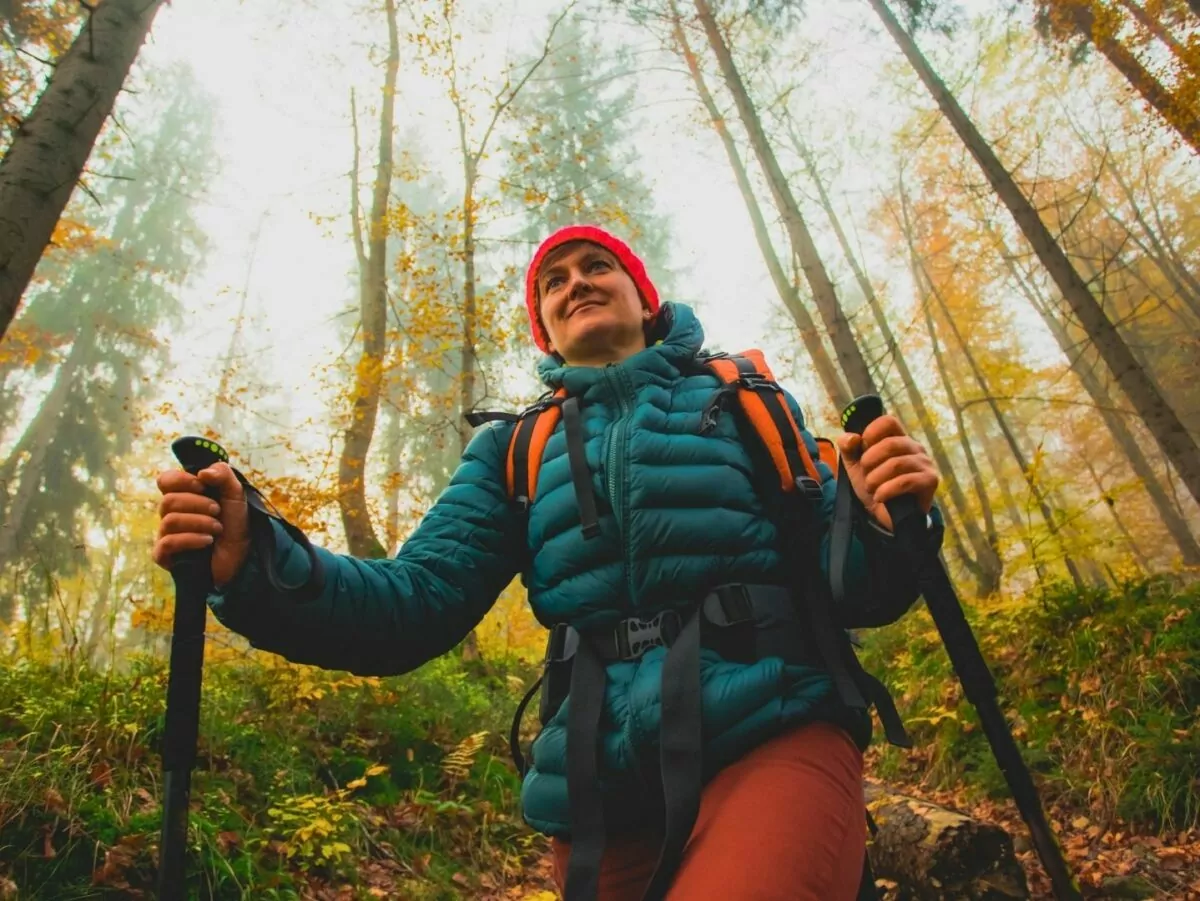
I recall a crisp autumn morning years ago when I first set foot on a trail in the Rocky Mountains in Colorado. The path wound through aspen groves turning a bright and beautiful gold, and as I continued to climb upwards, the air grew thinner and fresher. About halfway up, I paused at a viewpoint overlooking a valley that was sprinkled with glowing alpine lakes mirroring the cloud sprinkled sky. I could see where I started, way off in the distance, but the hike wasn’t just about how far I had covered, it was equally about the quiet moments in between. The sounds of the rustling leaves, the warmth of the sun on my face, the specific smell and crispness that fall brings to the area all made it unforgettable. My mind felt at ease and my body felt languid.
By the end, I felt a deep sense of renewal, like I had shed the weight of my daily worries and replaced them with awe for the natural beauty and vastness that surrounded me. Experiences like this highlight the many benefits of hiking, it is so many things: exercise, movement, meditation, a way to reconnect to something larger and so much more.
Hiking at its core is simply walking in natural settings, whether that’s a gentle stroll on a path close to home or a multi-day trek through rugged terrain with few signs of human life outside your group. Urban hiking is also a popular pass-time, especially for those who are city-bound, but for the purposes of this article we will focus on hiking in nature. Hiking is a pretty accessible way to get some exercise while exploring the natural spaces around us. There isn’t a need for super fancy equipment or gear, and its breadth of trails allow people from all fitness levels to share in the joy.
What makes hiking so compelling are its many benefits–physical strength, mental clarity, emotional uplift, social connections, and an even deeper environmental awareness–all backed by scientific research and myriad real-world anecdotes. We will explore these benefits and the evidence supporting them, and by the end you’ll be lacing up your boots to experience the benefits of hiking yourself.
Read: A beginnger’s guide to hiking
Physical Benefits of Hiking
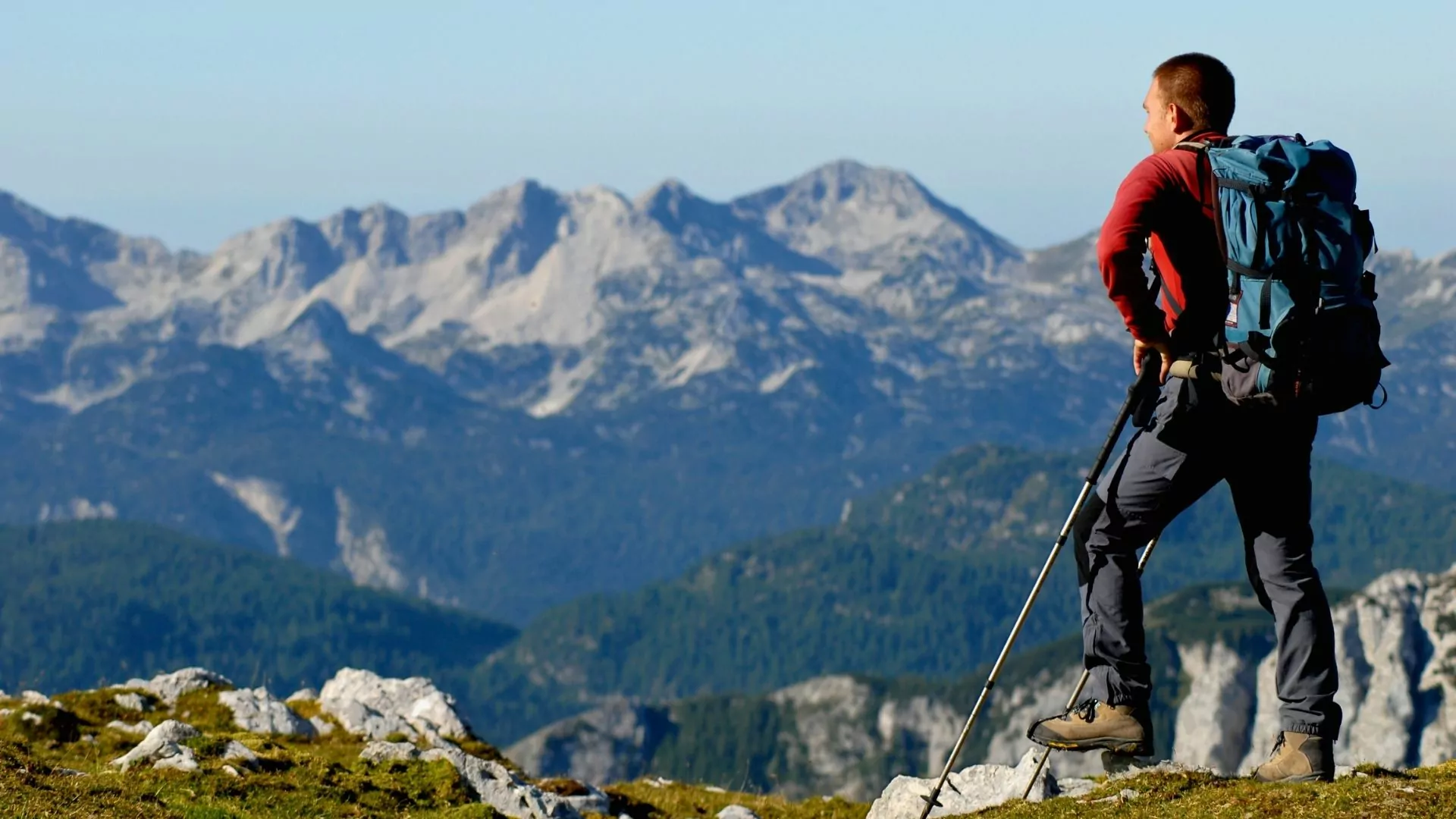
Hiking can deliver a full-body workout that is gentle yet effective and engages muscles in ways that promote lasting health. One of the standout perks is its boost to cardiovascular health. As you navigate the trails, especially those with elevation gain, your heart rate rises, building endurance over time. This can lead to lower blood pressure and a reduced risk of heart disease.
Research shows that regular exposure to green spaces, which include urban city parks and state and national parks encountered on hikes, is linked to decreased diastolic blood pressure and a slower heart rate. High blood pressure is very common in the U.S. and is a major risk factor for heart attacks and strokes, but frequenting trails can help prevent this. Another study found that outdoor activities in nature lower the risk of coronary heart disease with non-exercisers twice as likely to develop these issues than active folks.
Beyond heart rates and blood pressure, hiking can also aid in weight management and muscle building. It’s an efficient calorie burner (depending on speed and terrain), which can help to stabilize cholesterol and support metabolic health. Uneven paths and uphill jaunts demand more energy than simply walking on a flat path, and in turn tone the legs, glutes, and core as you adjust to the inclines, descents, and uneven terrain.
In a study done with overweight children and outdoor programs, the kids that were actively playing in nature lost more weight than those who still played but only did so inside. Hiking also strengthens bones since it is a weight-bearing activity. Even if it’s only your body weight and a small backpack, it is still an effective way to produce enough stress on your bones to increase bone density and reduce risk of osteoporosis. Adding to this, hiking improves balance and coordination, activating muscles around joints to reduce fall risks, especially for older adults. I have a physical therapist friend and she is constantly repeating that the best thing humans can do to prevent a fall when they are older is to repeatedly walk on uneven terrain.
We also can’t forget about the immune system lift. Time in nature, forests, parks, inhaling plant compounds called phytonicides from trees can enhance the body’s natural killer cell activity, bolstering immune defense. Studies suggest that the ancient Japanese practice of Forest Bathing has real benefits. They also found that visiting an urban park did not provide the same rise in NK cells. One needs to be fully immersed in nature and away from urban life.
Mental and Emotional Benefits of Hiking
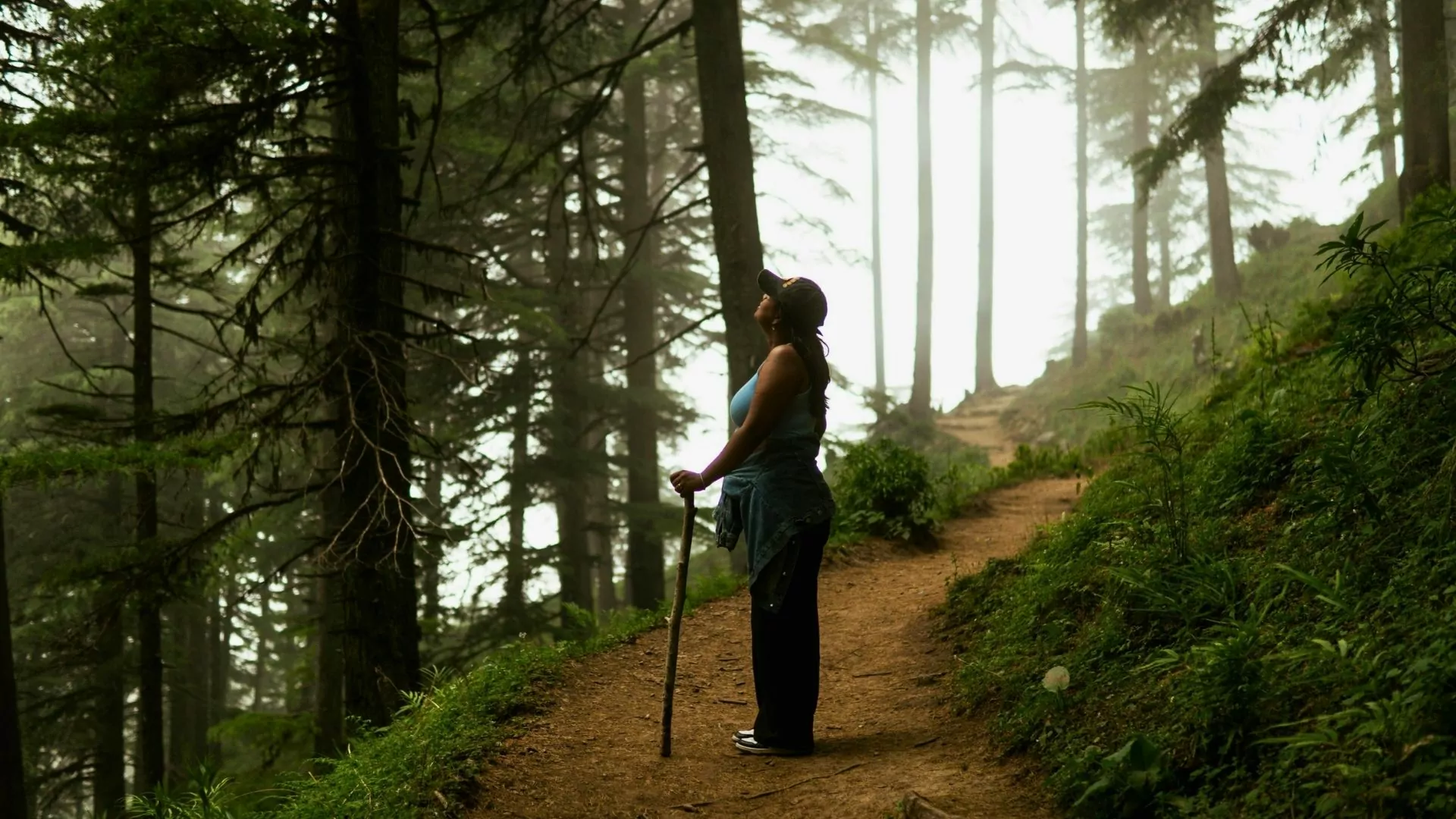
In our fast-paced world, the benefits of hiking offer a natural antidote to stress and mental fatigue. Spending time in green spaces lowers cortisol, the stress hormone, which can foster a sense of calm that helps combat the daily pressures. A Stanford University study revealed that a 90-minute walk in nature decreased activity in the brain’s rumination center, unlike urban walks, potentially cutting depression risk by reducing negative thought patterns.
Our mood gets a lift as well, as hikes boost positive emotions and optimism while alleviating depressive symptoms. Endorphins are released during the activity that elevate our spirits, and nature’s sights and sounds like a bird’s call or a rushing waterfall can enhance this effect. A systematic review found that greenspace exposure improves emotional resilience, with added benefits like a reduction in anxiety and increased positive emotions. The benefits of hiking continue as it can help refresh our attention and fight fatigue. Over the long haul, regular hiking supports emotional well-being, can heighten life satisfaction and mindfulness. Forest bathing acts like a natural antidepressant and can lower stress.
Social and Environmental Benefits of Hiking
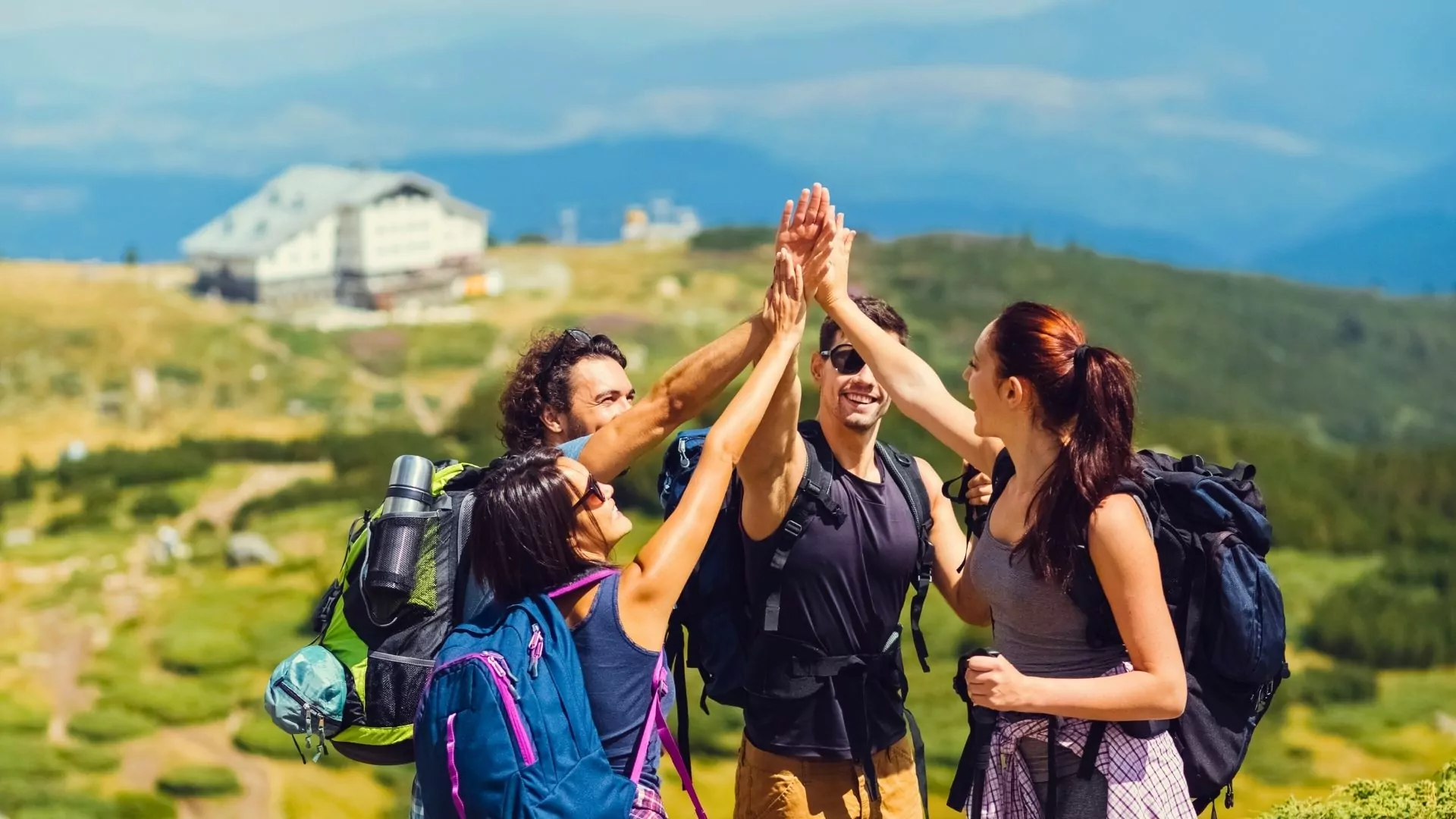
Hiking isn’t just solo therapy, it can also foster relationships through shared experiences. Group outings can build bonds, improve partnership quality and family dynamics, as you navigate the challenges of the route together and soak up the positive mental and emotional hiking benefits. Many great communities can be and are formed around hiking, reducing loneliness by encouraging inclusive adventures for all. If going alone feels daunting, consider a guided adventure. Wildland Trekking offers awe-inspiring opportunities to hike in some of the most beautiful natural spaces in the world like exploring Arches and Canyonlands, leaf peeping trips in the Great Smoky Mountains, or even international trips to places like Patagonia’s Torres del Paine National Park in Chile, or summiting Mount Kilimanjaro in Tanzania. Check out the tour calendar for more options that suit your preferences.
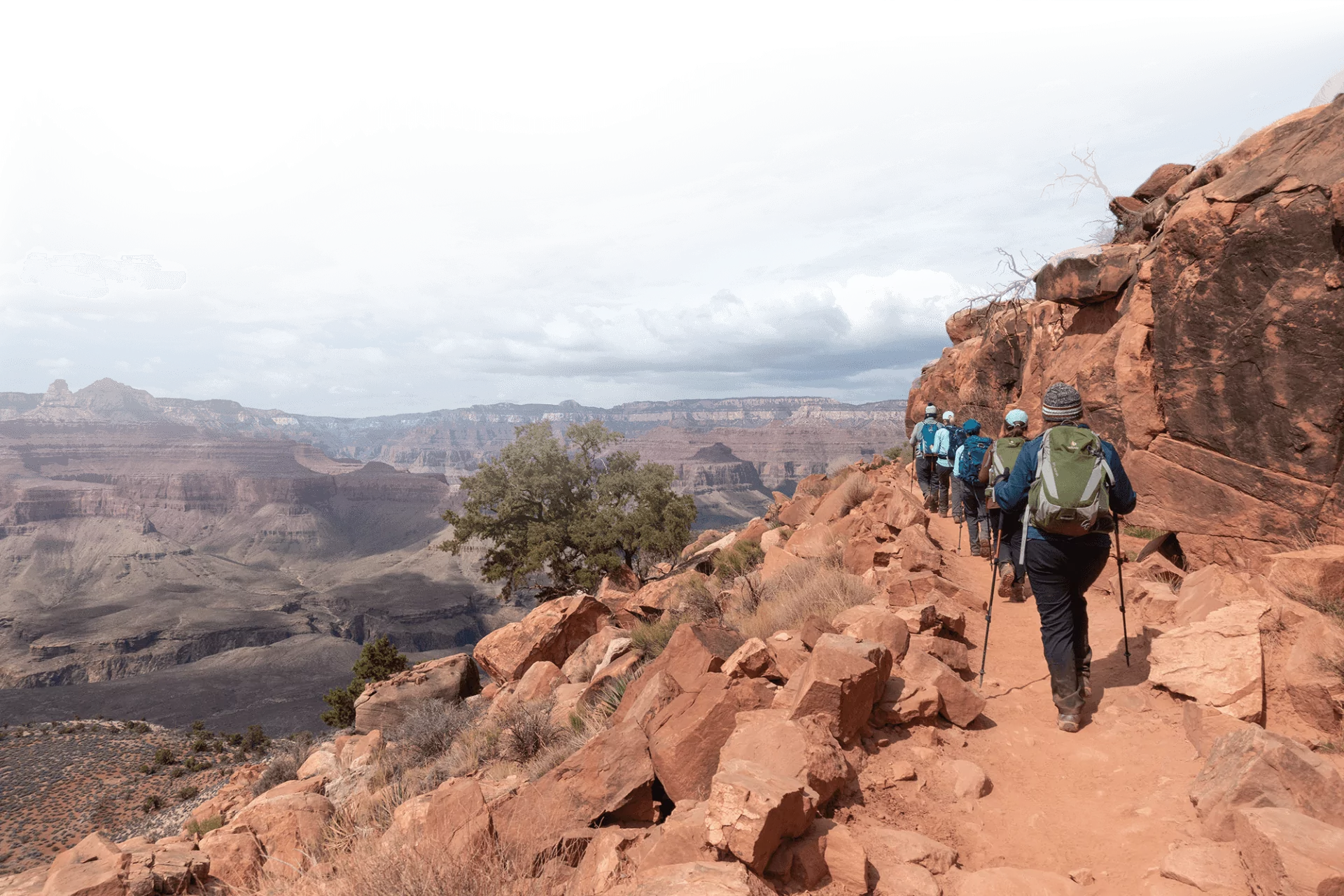
Environmentally, hiking can heighten an appreciation for ecosystems and a world much larger than yourself, promoting a conservation mindset as you witness nature’s beauty firsthand. It offers a holistic appeal in its low-cost and highly adaptable experience: solo or group, local trail or distant adventure, steep terrain, or gentle incline. Many people travel to complete iconic hikes like the Inca Trail to Machu Picchu, the climb up Everest Base Camp, the rim-to-rim hike in the Grand Canyon, or the Camino de Santiago pilgrimage in Spain. These journeys offer ways to experience Earth’s wonders while enjoying the myriad benefits of hiking.
The benefits of hiking are endless – increased strength, mental clarity, emotional uplift, and social connections can create a ripple effect of wellbeing touching every corner of your life. No matter if it’s lowering health risks or sparking joy in simple steps, the trail offers countless rewards. Start with a local park hike, find a buddy or a group, or take a Wildland trip to see how this habit can bloom into something much more profound.