

Why You Should Visit Rocky Mount National Park in Winter
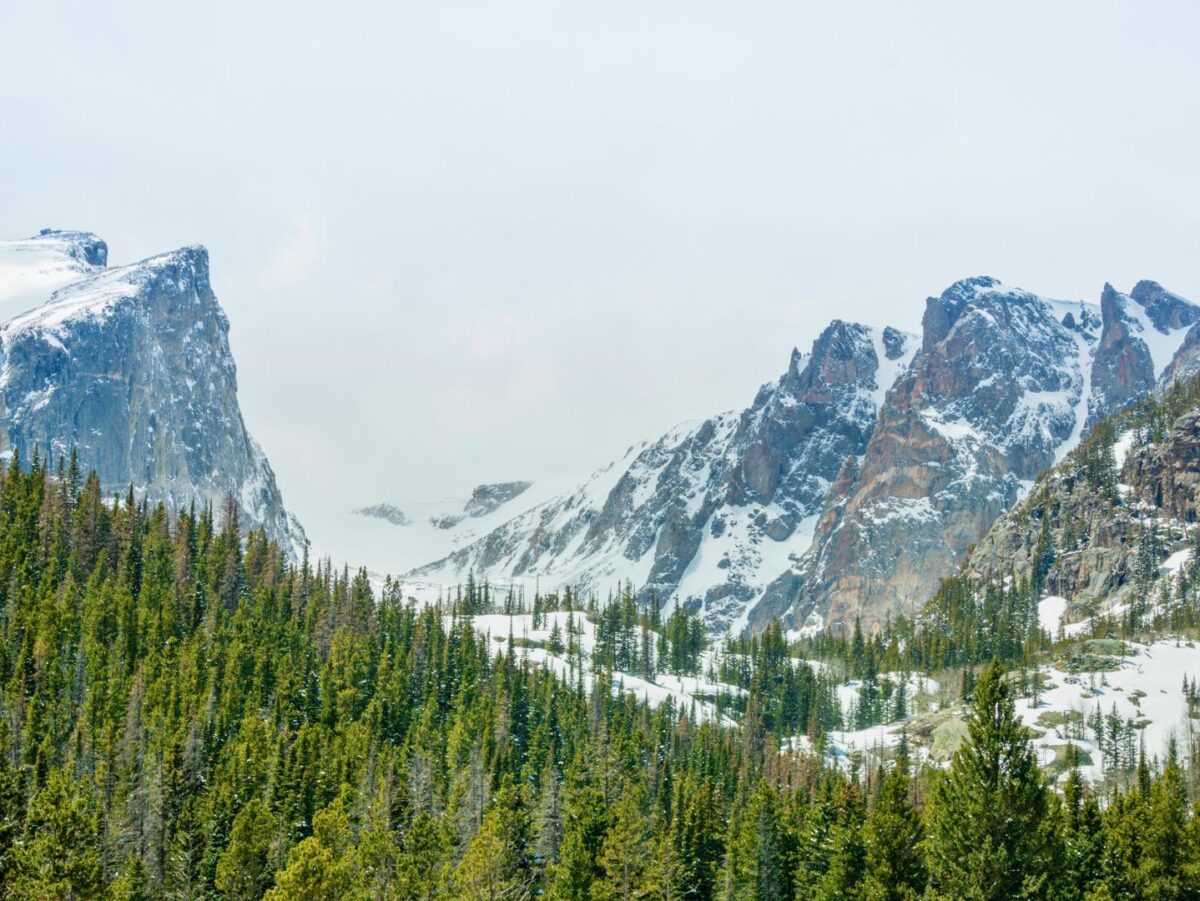
Aside from skiing, snowshoeing is one of the most popular winter Rocky Mountain National Park winter activities. The nice thing about snowshoeing is that anyone can get on a pair and go, unlike skiing that has a more involved learning curve. Winter in Colorado is spectacular, and there is no easier way into the backcountry than to strap on a pair of snowshoes and go!
In Colorado, there are many beautiful mountain towns to base your adventures out of. One special place is Estes Park, a community of about 6,000. This town is the eastern gateway to world renown Rocky Mountain National Park in winter. Only an hour and a half drive northwest of Denver, Estes Park is a relaxed, quaint little village a short drive from the national park.
Visiting Estes Park in the Winter
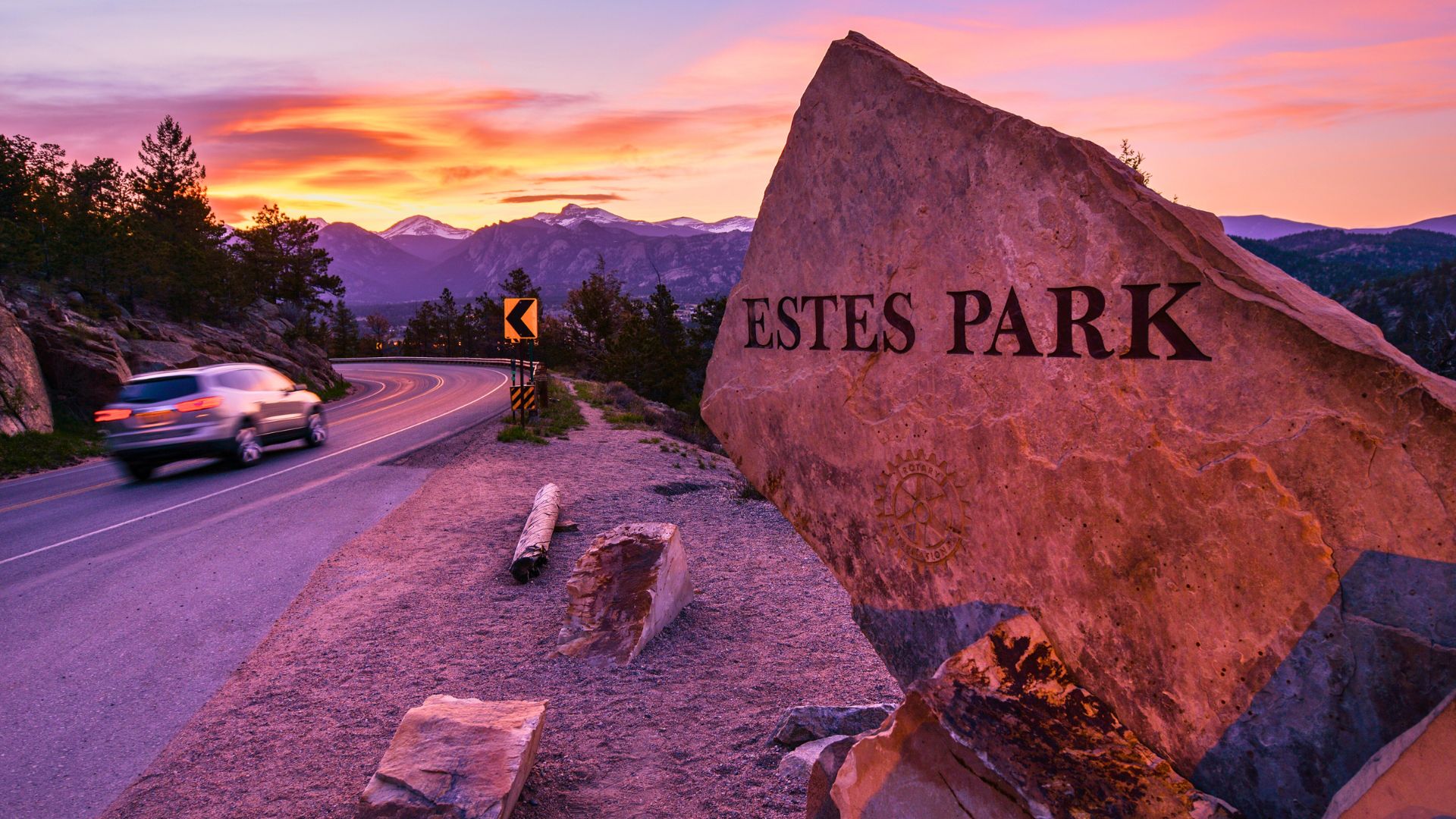
Enjoy a mix of Estes Park and Rocky Mountain National Park winter adventures. Here are popular things to do near town.
- Lumpy Ridge, just 5 minutes from town, this unique area is still part of the national park. There is excellent hiking here all winter. Come with micro spikes.
- Abundant wildlife viewing. Deer, elk and occasionally big horn sheep linger in the area most of the winter. Moose may be seen higher up in the park, even belly deep in snow.
- Downtown Estes Park is lit up like a festive and magical wonderland all winter! We even have Christmas shops open year around!
- In addition to many festivals, the latest event to come to Estes Park is ski joring, a rambunctious time whereby a horse and rider pull a skier holding onto a rope being pulled at warp speed through an obstacle course.
While Estes Park is the place to stay for your adventures, the big draw to the area is Rocky Mountain National Park, the largest of Colorado’s 4 national parks (the other 3 are Great Sand Dunes, Black Canyon of the Gunnison, and Mesa Verde).
Visiting Rocky Mountain National Park in Winter
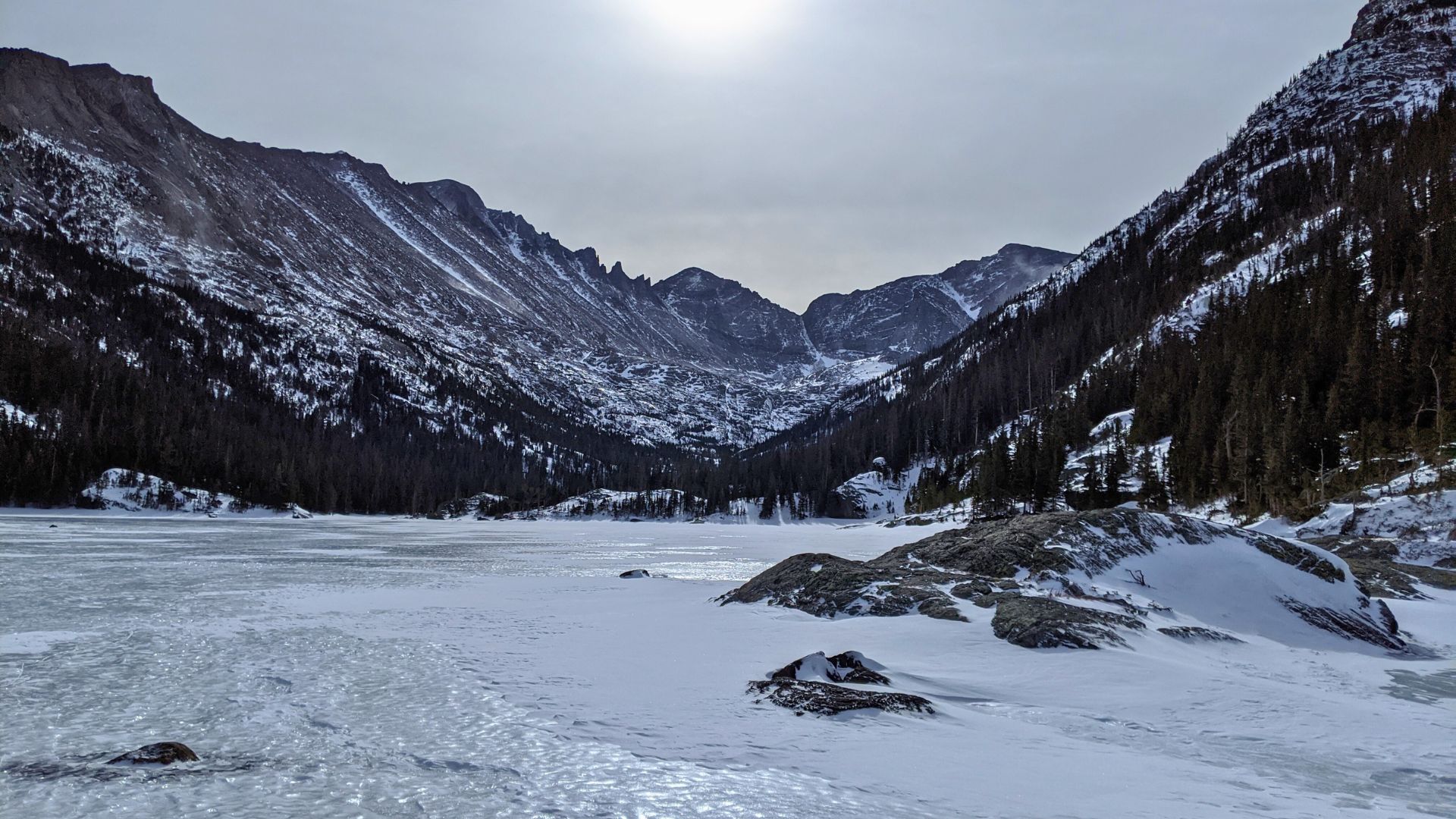
Winter in Rocky Mountain National Park is a special time of year enjoyed by locals and visitors alike. Winter is when the locals come out of hiding from the busy summer season and head out to play, snowshoeing up to frozen lakes and frolicking in the snow.
There is an old ski area inside the park which operated from 1955 until 1991. Today, the former ski area has become popular with backcountry skiers—those willing to hike up the hill and earn their turns. The reward for your hard work can be great—a chance to enjoy untracked powder skiing!
Today, the old ski area is called the Hidden Valley Snow Play area. In addition to skiing, the main draw is a sledding hill. There are heated restrooms and running water here, and a warming house open on weekends.
The 4 Best Snowshoe Hikes
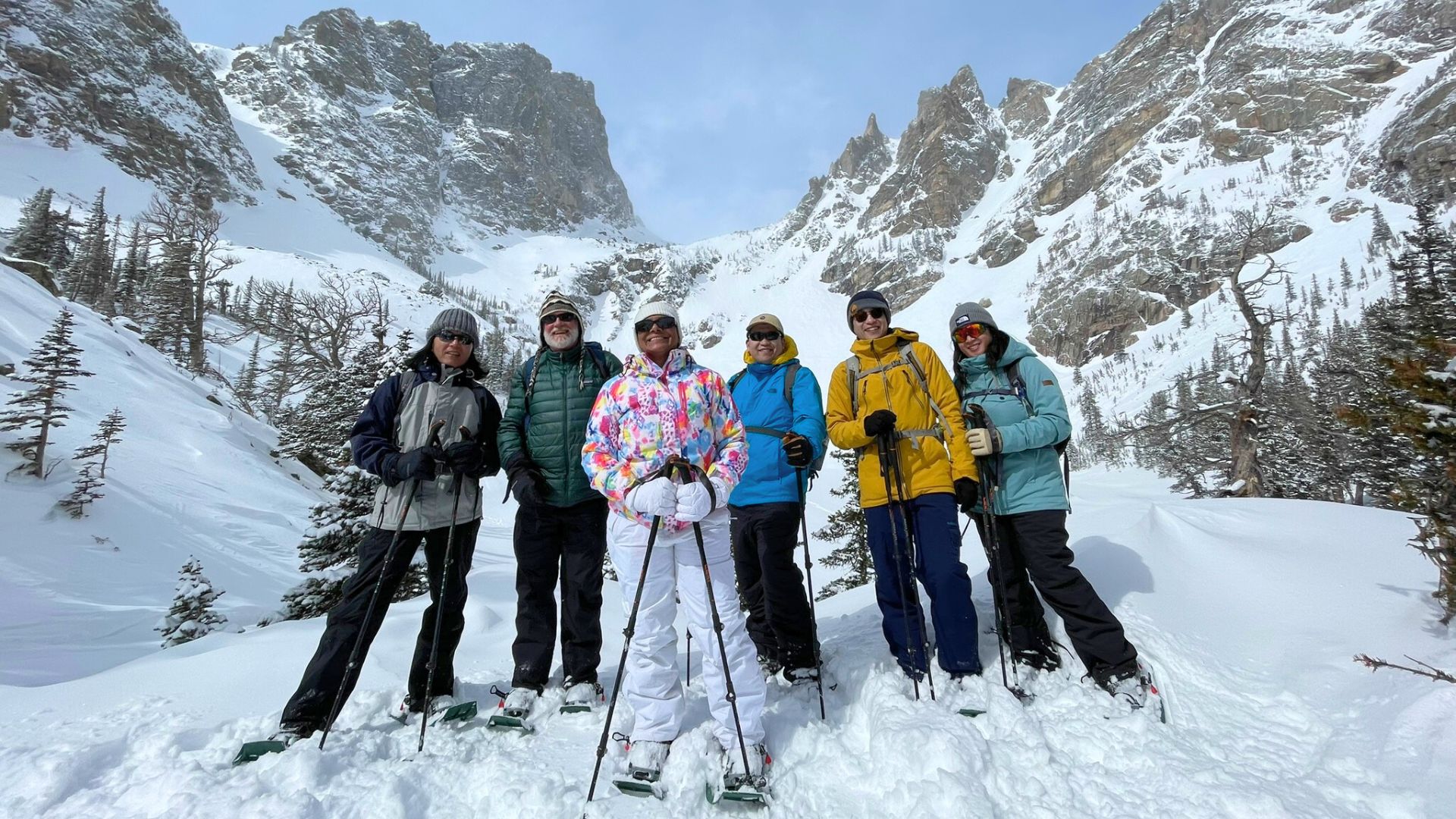
- Emerald Lake. By far the most popular hike, this is a Rocky Mountain National Park winter tradition! This truly awe-inspiring hike connects a chain of 4 frozen lakes.
- Bierstadt Lake. Named for distinguished American painter Albert Bierstadt who travelled the area between 1867 and 1877.
- Mills Lake, named after Enos Mills, the father of Rocky Mountain National Park.
- Wild Basin. Aptly named, Wild Basin on the south end of the park offers a beautiful hike along a river.
Emerald Lake is popular and there are many people on weekends, but the vibe is fun. There are hikers, skiers, snowshoers, and maybe ice skaters. You may run across small groups of people taking avalanche education classes, digging pits into the snowpack studying snow science. On weekdays there may be school groups of 4th grade students on snowshoe tours with a park ranger. You may even find someone building an igloo!
Emerald Lake Snowshoe Day Tour
 Rocky Mountain National Park Winter Driving
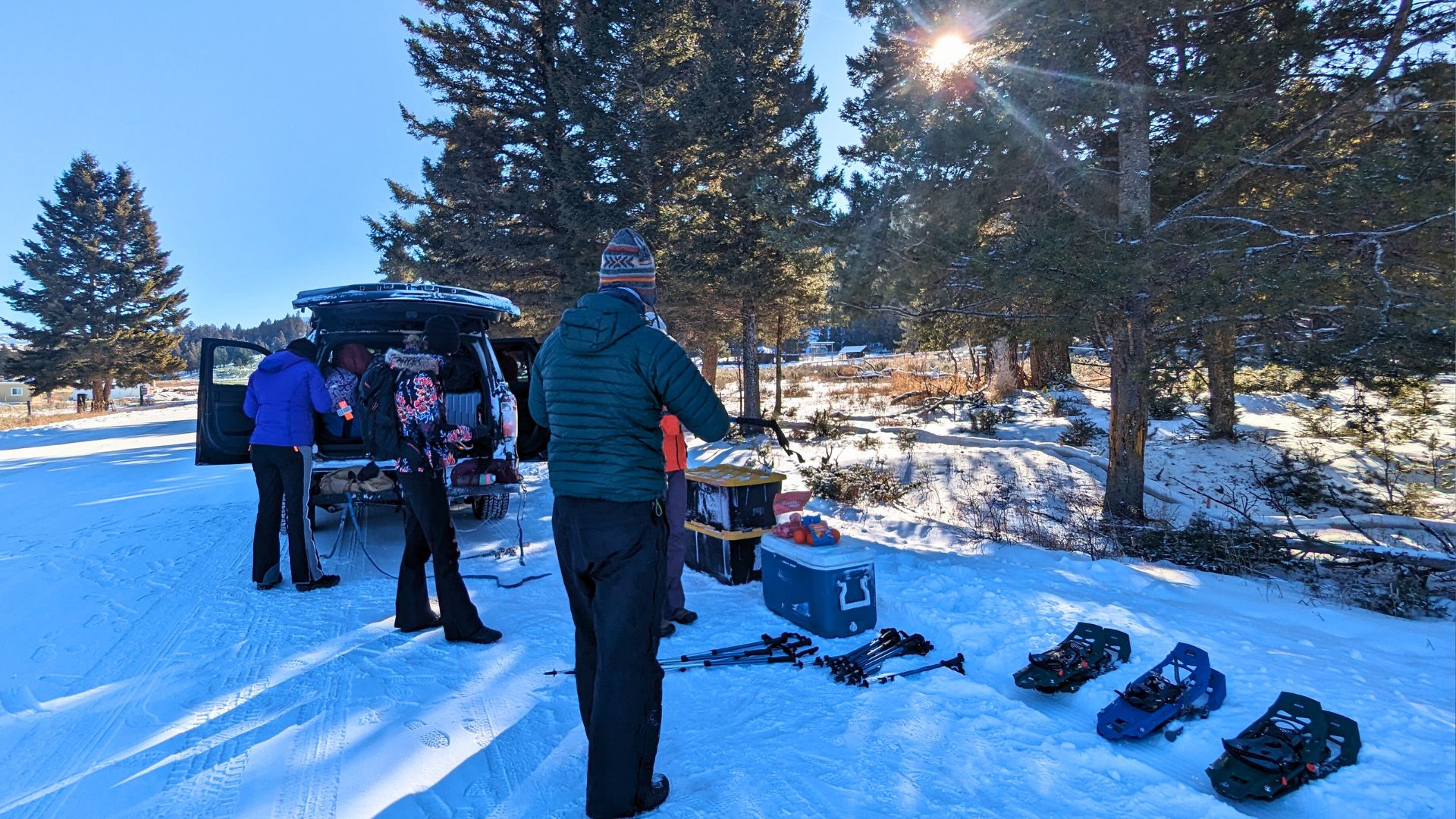
The national park service does great work keeping the roads in Rocky Mountain National Park drivable in winter. Still, there may be brief closures during the heaviest snows. Most of the time 2WD is adequate, though there are brief times when 4WD is required. Very little sand and no salt is used. Be careful, but the park does remain accessible all winter.
History of Snowshoes
Snowshoes have been around in some form for as long as man has lived in snowy climates. Various people groups the world over have created some very interesting and artistic designs. In prior times, snowshoes were made of wood and rawhide. Today, plastic and metal.
What comes to mind when you think of snowshoeing? For many people, the sport still evokes images of long wooden devices wide as tennis rackets. I grew up on those in the 1960’s and 70’s. After a day out on those wide snowshoes of old, walking with a wide stance all day, you felt like you had been riding a horse.
In the 1970s, snowshoes were reinvented. They became shorter, narrower and lighter, and claws were added for grip on steep or icy surfaces. The consensus was that gone were the days of tramping through deep snow, blazing your own trail or carrying supplies into a remote mining camp. People took to snowshoeing for recreation rather than utility.
Long wooden snowshoes disappeared, although I still see a pair out on the deepest snow days. Large old wooden snowshoes have more surface area than modern snowshoes and therefore greater float. Today’s smaller snowshoes have less surface area and a little less float, but they are far more agreeable on well-traveled trails.
What to Wear
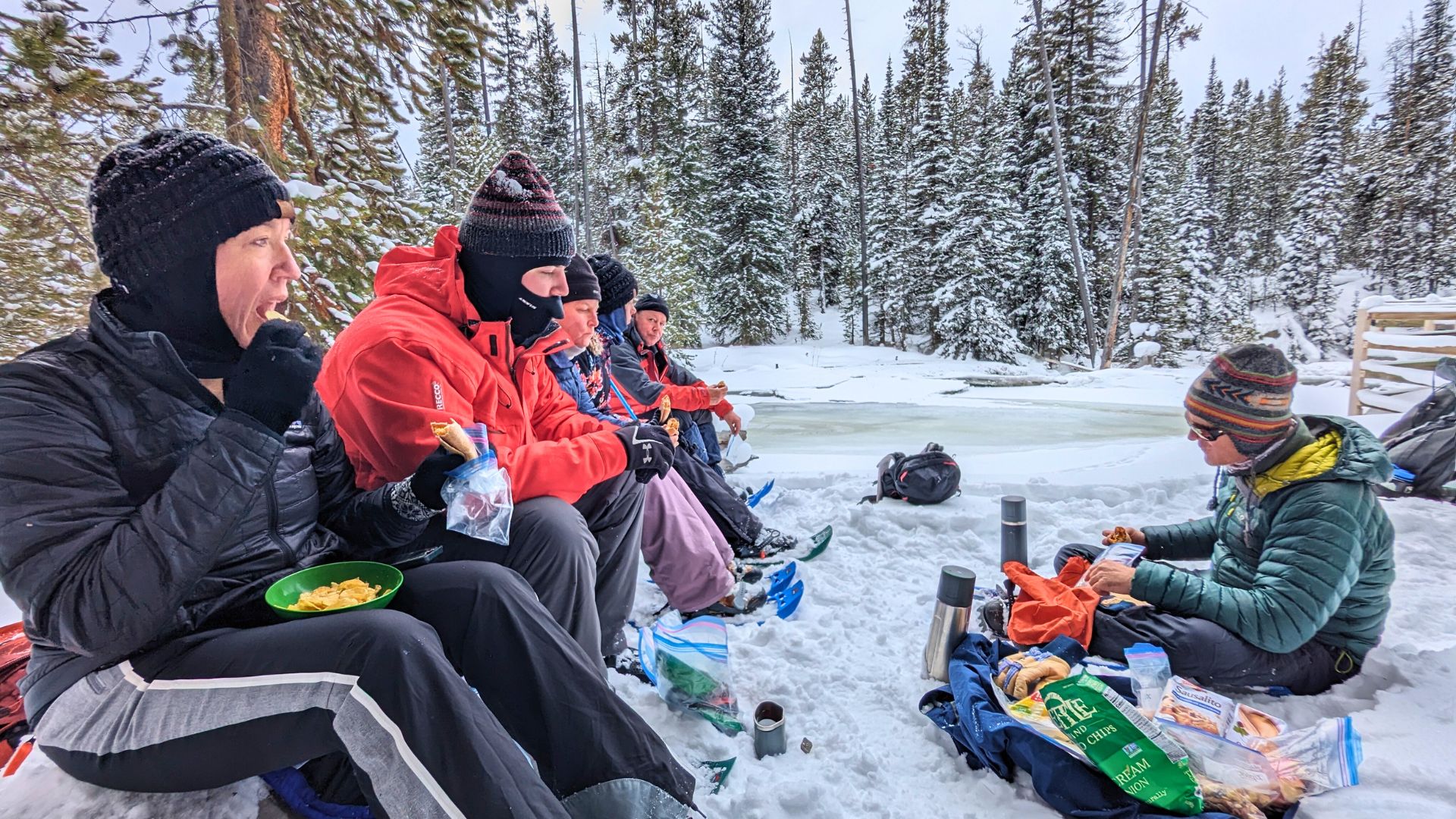
While the weather of Rocky Mountain National Park in winter can be unruly, you don’t need to spend a fortune on the latest winter gear. $200 on Amazon.com can go a long way. Three layers on top, base layer, fleece, and jacket, and two on the bottom, base layer and snow pants. Crucial but often overlooked, good gloves and hat make a real difference. Pro tip; get a balaclava. Snow boots can be expensive, but a good alternative is to rent a pair locally at the Estes Park Mountain Shop or buy some toe warmer packets to use with your hiking boots. People around here love to throw around the old Scandinavian saying which admonishes, “there is no such thing as bad weather, just unsuitable clothes.”
How to Snowshoe
While you can find hours of snowshoeing instruction, in my opinion, the best way to learn is to simply get on them and go. It’s intuitive, and in a few minutes you’ll feel right at home. Walk normally but stand with your feet an extra 1-2″ wider so you don’t step on your own feet. Be careful trying to step backwards. Take a pair of trekking poles for added balance, and off you go.
Rocky Mountain National Park in winter is truly a special place! Your friends might make fun of you for not going to a warm beach, but this, and a warm fireplace, is a winter wonderland experience you won’t soon forget!