

Best Season to Visit Utah National Parks
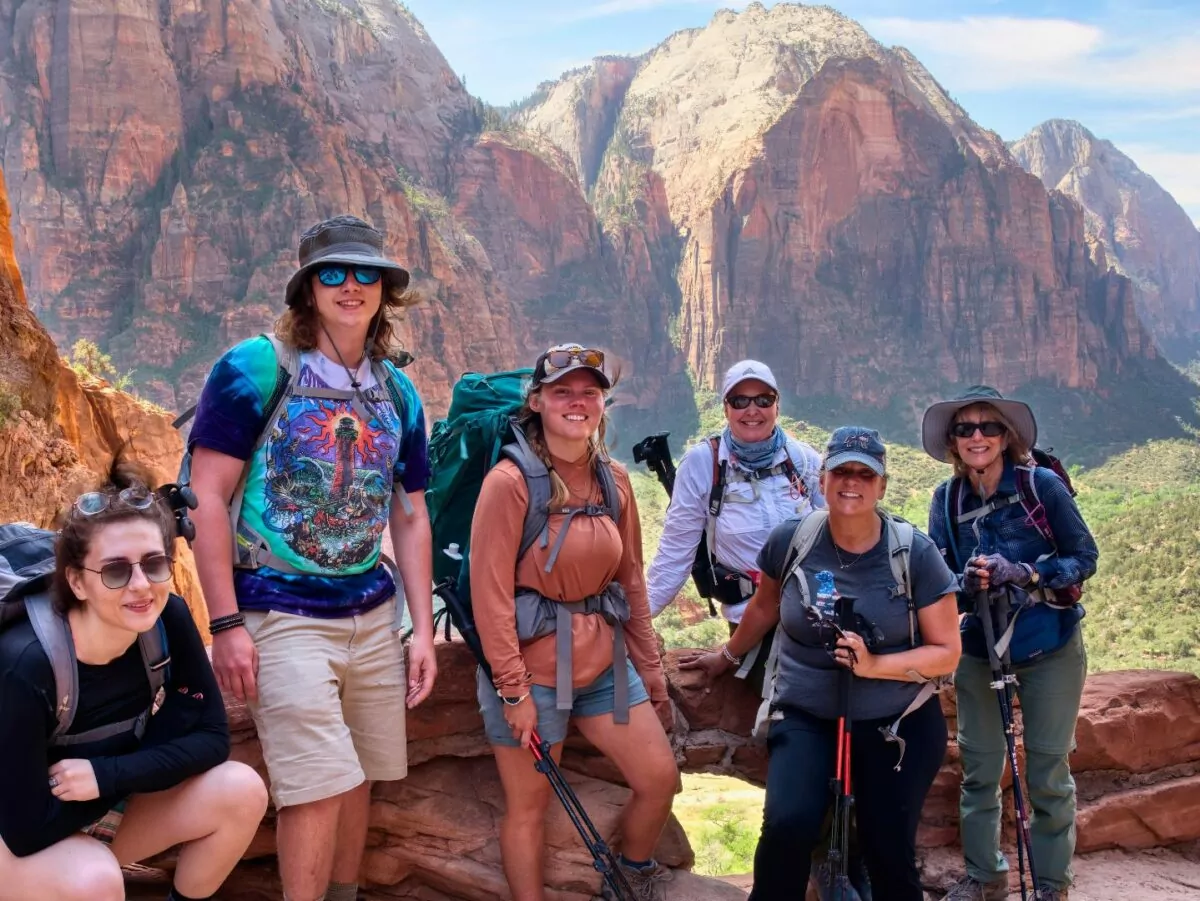
The high deserts of Southern Utah are beautiful, and famous for having five national parks that showcase the Colorado Plateau’s diverse red rock formations: Zion, Bryce Canyon, Capitol Reef, Canyonlands, and Arches. It’s possible and popular to combine a day at each of these parks into a nice week-long road trip. Witnessing these spectacular geologies back-to-back can highlight their uniqueness, but I believe that each park is worthy of spending more than just one day in. Many of the parks are large, complex, and hold a great diversity of terrain within them.
Ultimate Utah National Parks Hiking Adventure
If you’re going to make multiple visits to the area, it’s certainly worth timing them indifferent months. Many different seasons in Utah are pleasant and beautiful; there is no outright “best” time of year to visit. The landscape holds such unique nooks and crannies that there’s always somewhere nice. If it’s hot, visit lush, shady places with water. When it’s cold you can bask in warm sunshine on exposed rockfaces with sweeping vistas.
Here, I’ll go through each season in Utah and help you think about its effect on weather, crowds, wildlife, plants, and which destinations are best to prioritize.
Seasons in Utah - Winter
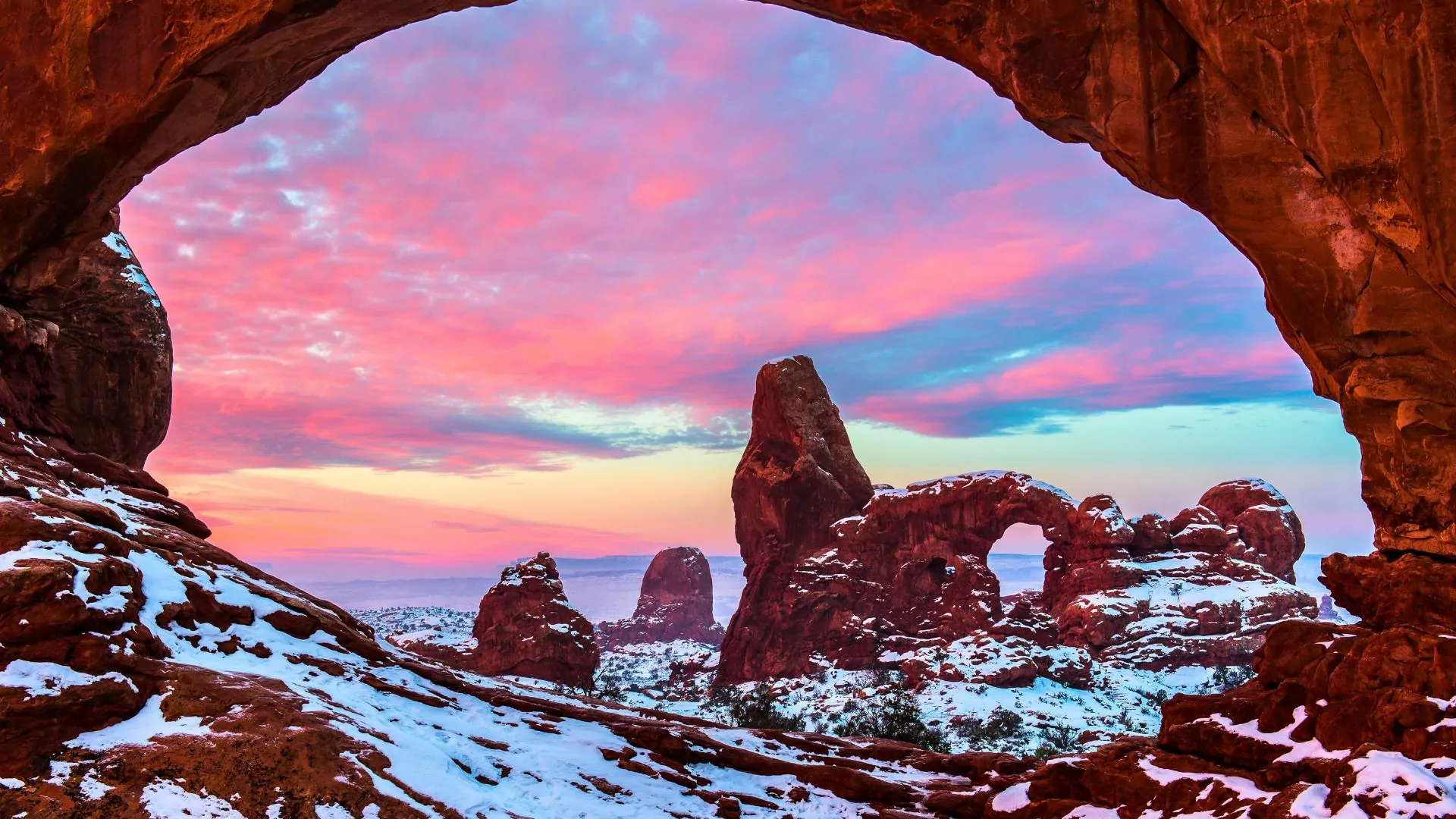
A calendar year begins with winter, an often overlooked season in Utah. This can be one of the most rewarding times to visit if you come prepared. At lower elevations, daytime temperatures are frequently mild, and the sun still has real warmth to it. Higher elevations like Bryce Canyon or the Boulder Mountain plateau can be buried in snow, creating a dramatic contrast between white landscapes and red rock. Snowstorms are typically short-lived, and clear blue skies often follow, making for excellent visibility and photography.
Crowds are at their lowest in winter, especially outside of holiday weekends. Popular trails that feel busy the rest of the year can be nearly empty, and parking headaches are rare. This is an ideal season in Utah if solitude is a priority. That said, some park roads and trailheads may be closed due to snow or ice, and traction devices can be essential for hiking. I always check road conditions before committing to a plan, especially in Capitol Reef and Bryce Canyon, where elevation changes quickly.
Wildlife viewing can be surprisingly good in winter. With fewer visitors and less vegetation, animals are often easier to spot. Desert bighorn sheep and mule deer are commonly seen at lower elevations, conserving energy and avoiding deep snow. Plant life is mostly dormant, but that simplicity allows the geology to take center stage.
Winter is best for open, sun-exposed terrain. Places like Arches, Canyonlands’ Island in the Sky district, and the lower elevations of Zion shine this time of year. Slot canyons should be approached with caution due to icy conditions and limited daylight, but on warm, clear days they can be magical. As long as you respect the cold and plan conservatively, winter offers an intimate and peaceful way to experience Southern Utah.
Seasons in Utah - Spring
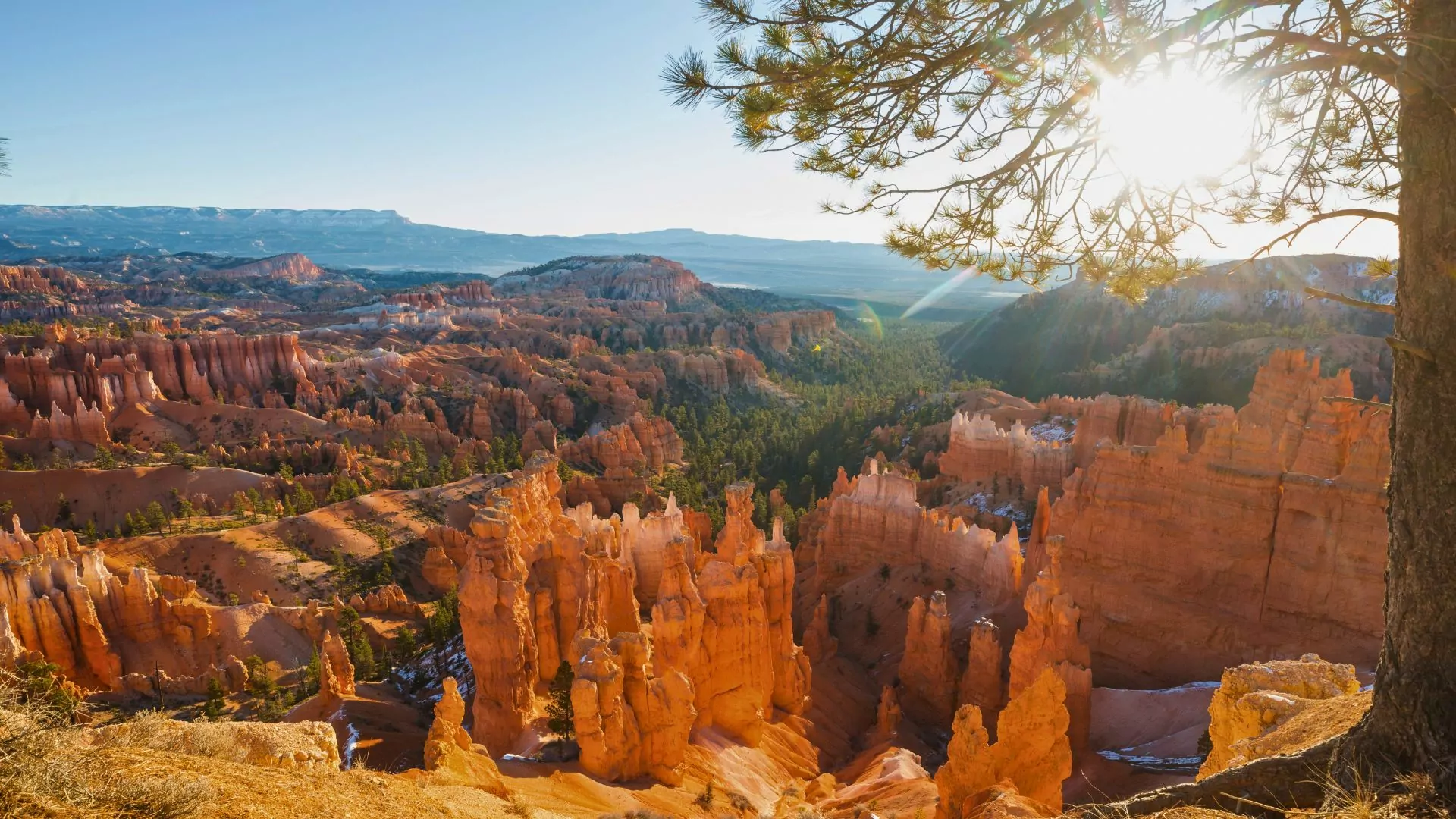
Spring in Utah is a season of transition, and that variability defines the experience. Conditions can shift dramatically from one week to the next. Early spring often feels like an extension of winter, while late spring can bring the heat of summer. This makes flexibility essential, but it also creates opportunities to experience a wide range of environments in a single trip.
As temperatures warm, crowds increase. March and April are especially popular with users who like to exercise and get away from roads, particularly around spring break and Easter. Zion and Arches can feel busy, but less famous areas nearby often remain quiet. Shoulder destinations and lesser-known trail systems become especially valuable during this time.
Spring brings life back into the desert. The brilliant green of cottonwood trees bursts forth along rivers in April, wildflowers bloom after wet winters, and reptiles begin to emerge. This is one of the best times to observe ecological transitions, especially in riparian zones. Bird activity picks up significantly, with migratory species passing through or returning to nest.
Water sources are usually at their best in spring. Snowmelt increases river levels, which can make canyons lush and vibrant. Even canyon creeks that have no obvious water are flowing in secret underground, their hydrologic battery recharged from a winter of moderate temperatures and gentle precipitation. Where bedrock rises closer to the surface, that water is pushed upward and can be found in clear, thirst-quenching pools.
Spring is ideal for mid-elevation hikes and mixed terrain. Capitol Reef and Canyonlands’ Needles district are especially nice, offering varied landscapes without extreme heat. Bryce Canyon can still have snow, but the contrast of red rock and white snow is stunning. If you’re willing to adapt your plans, spring offers some of the most dynamic conditions of the year
Seasons in Utah - Summer
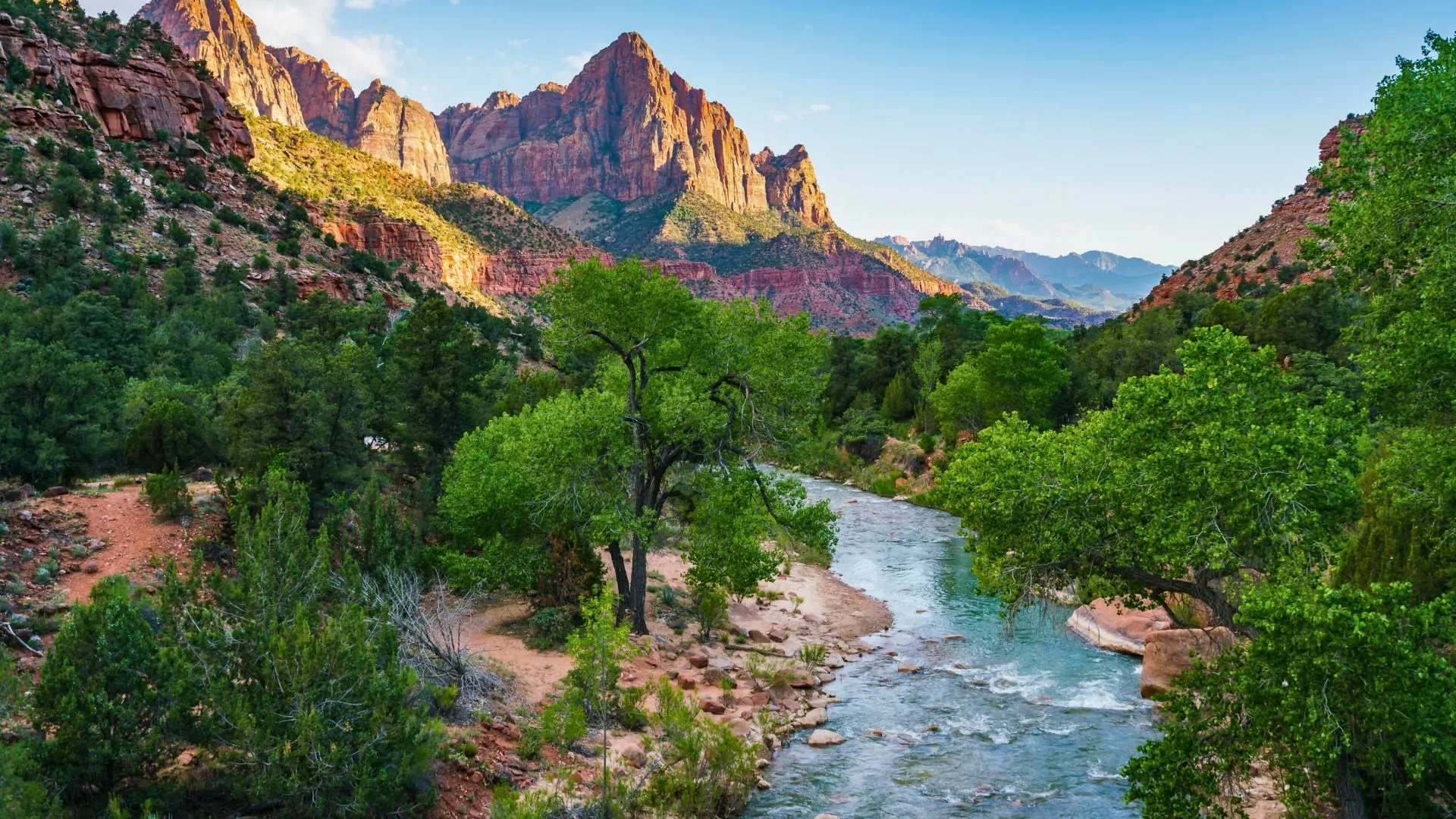
Summer is the most challenging season in Utah, but it’s also misunderstood. The heat is real and can be dangerous if underestimated. Daytime temperatures regularly exceed 100°F at lower elevations, and the sun is relentless. For many people, this alone makes summer unappealing. But with the right approach, it can still be a good time to visit.
The key to summer travel is timing and terrain. Early mornings and evenings are essential, and midday is best spent resting, driving, or exploring shaded areas. High-elevation destinations like Bryce Canyon or the La Sal Mountains near Moab provide cooler temperatures and relief from the heat. But the best solution is seeking out wetter environments—rivers, springs, and shaded canyons—become the focus. Many Utah canyon hikes like the Zion Narrows and Paria River involve constant walking in water, using the stream itself as a trail, and with the added benefit of shade these can be pleasant in summer. The dry climate lends itself to excellent evaporative cooling – it’s impossible to be hot if you’ve just drenched your clothes.
Tourist crowds are heaviest in summer, especially in the national parks. Families traveling during school breaks make this the busiest season in Utah overall. That said, many visitors stick to iconic viewpoints and short trails, leaving longer or more committing routes relatively quiet. Getting an early start to “beat the heat”is advice so common that trailheads get crowded at 5am. But remember the importance of sun exposure – routes with evening shade can provide both tolerable conditions and solitude.
Especially in late summer, monsoon season adds complexity. Afternoon thunderstorms can appear suddenly, bringing dramatic skies, cooler air, and real flash flood risk. Slot canyons are particularly dangerous during this time, and I avoid them unless the forecast is exceptionally stable. On the flip side, monsoons can breathe life back into a desert that’s been roasting since May, filling potholes, greening vegetation, and bringing out amphibians and insects.
Summer rewards those who are disciplined and creative. Kayaking, canyoneering with reliable water sources, and nighttime activities like stargazing are at their best. It’s not the easiest season in Utah, but it offers experiences you can’t get any other time of year.
Seasons in Utah - Fall
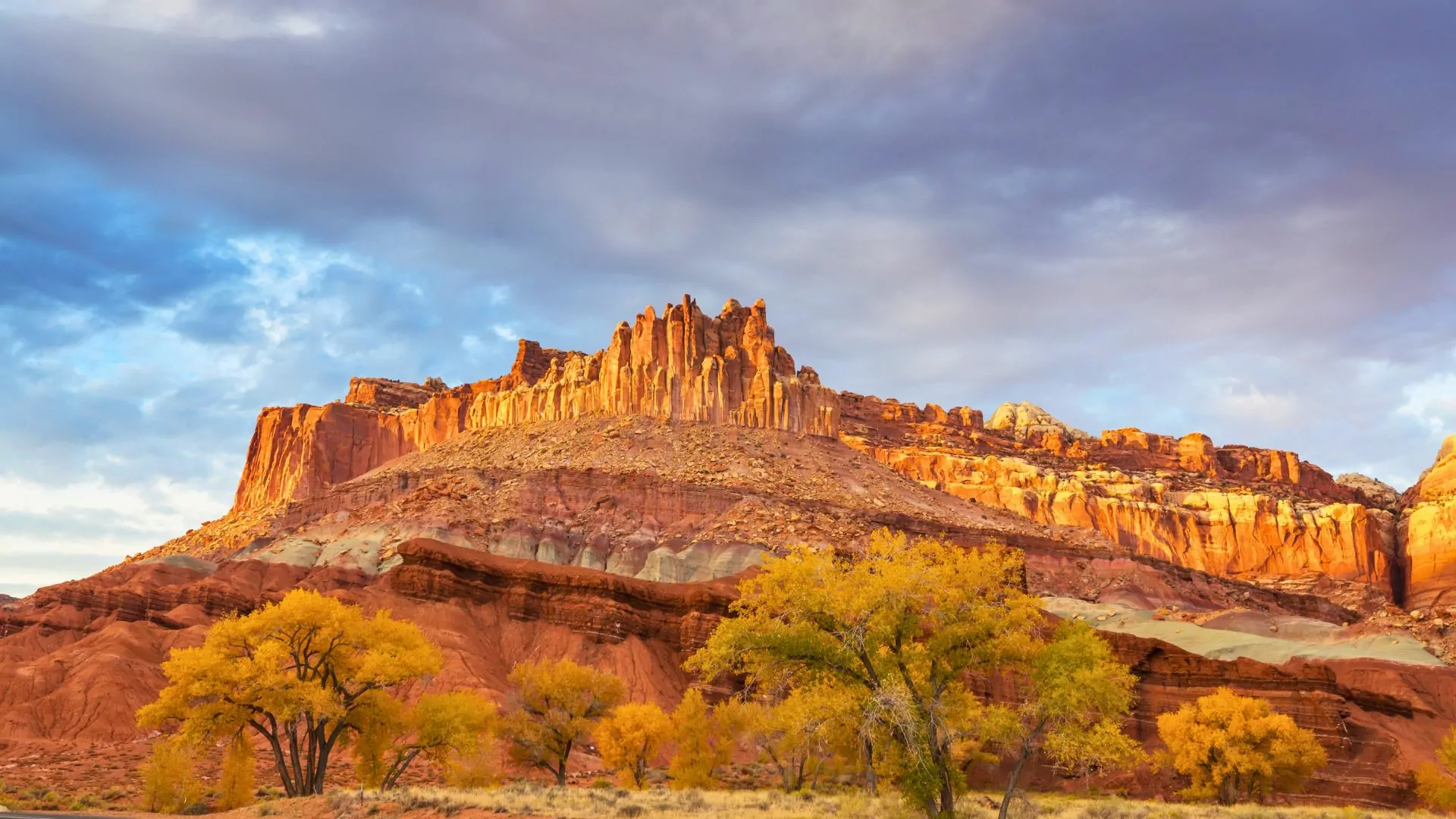
With temperatures like spring but more stable weather patterns, fall is easy to love. Days and nights are comfortable, crowds thin out after summer, and more days have blue skies than any other season in Utah. Days are still long enough for big objectives, but the intense summer heat fades away.
Crowds drop noticeably after Labor Day, especially in October and November. Popular parks remain busy, but the overall atmosphere is calmer. This is a great time for longer hikes and multi-day trips, as the risk of heat exhaustion is lower and water consumption is more manageable.
Fall colors are subtle until you get close to a watercourse, then the cottonwoods and willows will take your breath away. They turn brilliant yellow, creating striking contrast against red sandstone walls. Wildlife activity increases as animals prepare for winter, and sightings are common, particularly in quieter areas.
This season is ideal for classic desert hiking. Slot canyons are generally safer than in summer, though storms are still possible. Exposed routes, slickrock scrambles, and long traverses are far more comfortable. Zion’s higher routes, Capitol Reef’s backcountry, and Canyonlands’ more remote districts all shine in fall.
As winter approaches, nights can get cold, especially at elevation, but daytime conditions remain excellent. Fall feels like a culmination of the year—a balance of accessibility, beauty, and comfort. If you can only visit once, this season in Utah offers a premium and forgiving introduction to Southern Utah.