

What is a Wilderness Area?
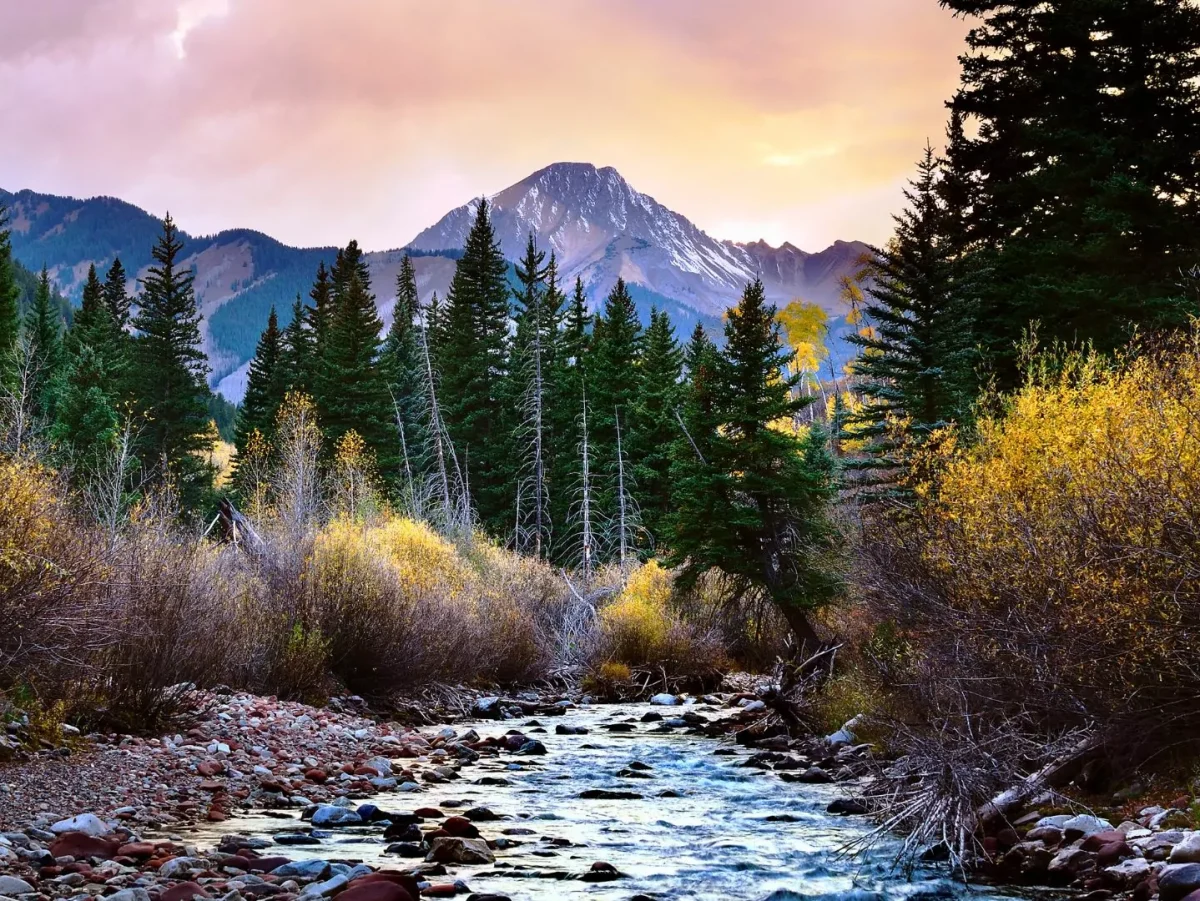
Wilderness is often thought of as land apart from people, but in reality, it is the foundation of everything. Long before cities, farms, or highways, the world existed as wilderness. Shaped by wind, water, fire, time, and the slow movement of tectonic plates. Stepping into a wilderness area today is a chance to reconnect with that deeper reality, to experience land that feels larger than human presence and vibrantly alive on its own terms.
In the United States, the idea of formally protecting wilderness is relatively recent. Well into the early 20th century, much of the nation’s open land was still being logged, mined, or developed with little thought to preservation. Visionaries like Aldo Leopold, Bob Marshall, and John Muir recognized that wild places had value beyond resources. Their solitude, mystery, and untamed beauty nourished the human spirit. Their efforts culminated in the Wilderness Act of 1964, which initially set aside 9.1 million acres across 54 areas as “untrammeled by man.” Today, the National Wilderness Preservation System spans more than 111 million acres in over 800 areas, ensuring these rare landscapes endure for generations to come.
Yet wilderness is not just a modern legal concept, it is also a homeland. For millennia, Indigenous peoples lived in and with these mountains, canyons, and valleys. Far from untouched, these lands were lived in and with, through seasonal migration, and ceremony, in a way that is deeply intertwined with culture and identity. When Euro-American settlement expanded westward, many Indigenous communities were displaced, and their stewardship practices suppressed, leaving the misleading impression of a pristine, uninhabited landscape. Visiting a wilderness area today is not only an ecological experience, it’s an opportunity to honor both the land itself and the cultural legacies within it.
What Makes Wilderness Areas Different
National parks, national forests, and wilderness areas all fall under public land management, but they serve different purposes. National parks, managed by the National Park Service, aim to protect natural and cultural treasures while offering public enjoyment, often with roads, visitor centers, and interpretive programs. National forests, overseen by the U.S. Forest Service, follow a multiple-use mandate that includes logging, grazing, and recreation, offering broad access but less stringent protection. Wilderness areas, often within national forests or other public lands, add an extra layer of restriction: no motorized access, no new infrastructure, and minimal signage. The result is a landscape preserved for solitude, primitive recreation, and the uninterrupted processes of nature.
Visiting a Wilderness Area
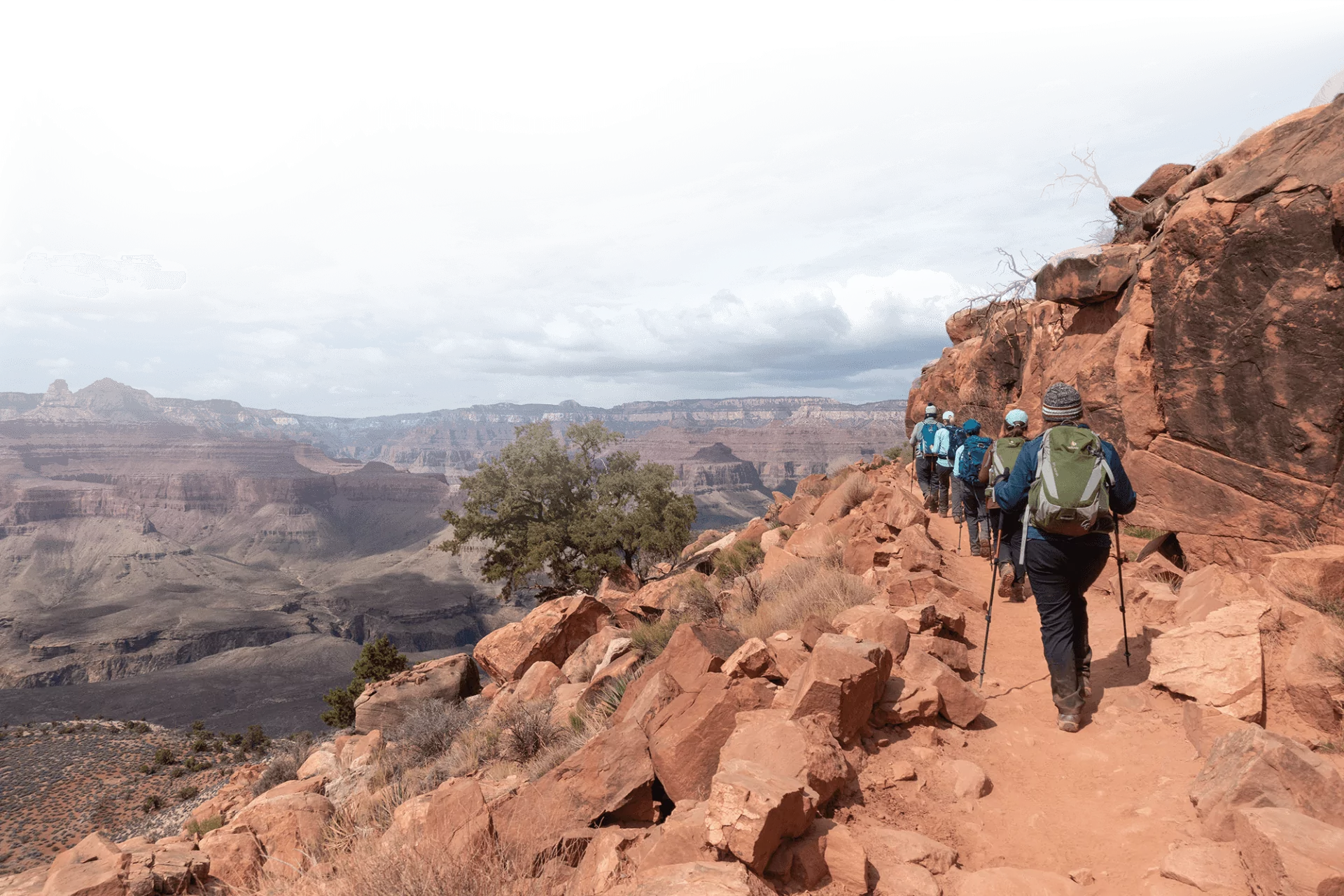
A wilderness visit is immersive and self-reliant. Expect profound solitude, unmarked campsites, and a quiet where the wind and wildlife dominate. Trails can be rocky, steep, or overgrown, requiring navigation skills and flexibility. You’ll carry your own food, filter water, and prepare for sudden weather shifts sometimes without quick bailout options. Following Leave No Trace principles is essential to leave pristine wilderness for the next generation. The reward is a raw, unfiltered connection to the wild Earth and chance to feel the land as it truly exists, with minimal human imprint.
Why Visit a Wilderness Area?
Wilderness areas offer a rare kind of purity in outdoor experience. They foster an authentic connection to natural forces, challenge endurance and adaptability, and provide a break from constant connectivity. Solitude offers perspective, and the demanding beauty of these landscapes rejuvenates both body and mind. Visiting responsibly also supports conservation, your respect helps ensure these areas remain intact for future generations. As an added bonus, wilderness areas are often far less crowded than National Parks which can provide a more direct connection to the land itself.
Some Wilderness Areas to Visit
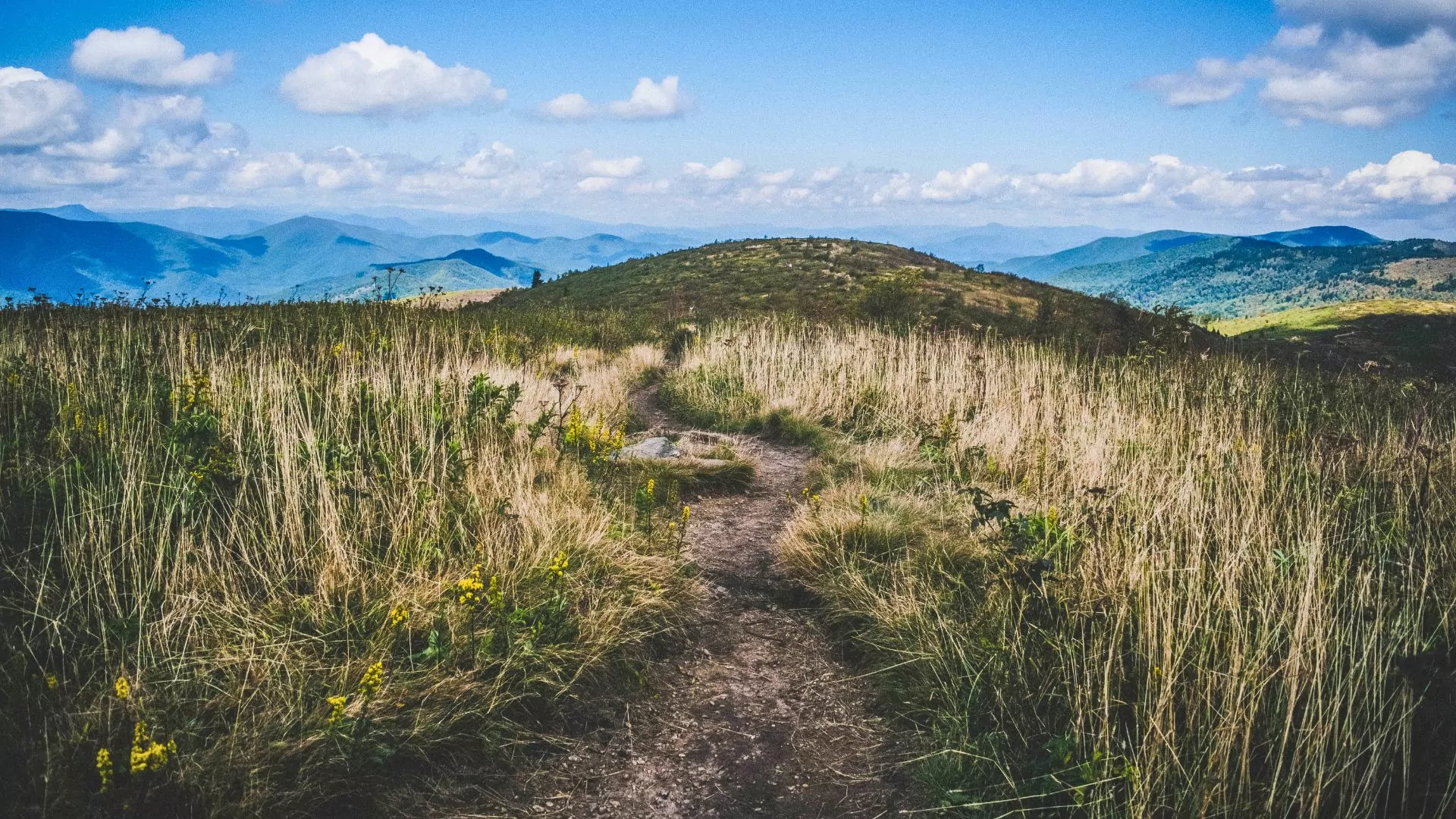
Wildland Trekking offers guided adventures in some of America’s most spectacular wilderness areas. From desert canyons to alpine lakes, each region offers its own distinct beauty and challenge. Find the wilderness area that speaks most deeply to you and go there to listen to what it has to say!
Shining Rock Wilderness – North Carolina
In the Blue Ridge Mountains, Shining Rock Wilderness glimmers with its namesake quartz outcrops. Trails wind through dense forests and rhododendron thickets, climbing to grassy balds with long, expansive views. This wilderness combines Appalachian lushness with high-country drama, creating a landscape rich in atmosphere and history.
Shining Rock wilderness backpack
Flat Tops Wilderness – Colorado
Colorado’s Flat Tops Wilderness stretches across a vast alpine plateau where volcanic cliffs tumble into deep valleys and clear lakes mirror the sky. Summer wildflowers explode with color, and miles of streams teem with trout. Open ridgelines and sweeping horizons create a sense of spaciousness rare even in the Rockies, making it a rugged yet serene destination.
Goat Rocks Wilderness – Washington
Nestled between Mount Rainier and Mount Adams, Goat Rocks Wilderness is shaped by ancient volcanoes. Jagged ridges, alpine meadows, and lingering snowfields dominate the landscape, with the Pacific Crest Trail tracing its spine. Sweeping vistas reveal some of Washington’s most iconic peaks, offering an untamed, dramatic wilderness experience.
Aravaipa Canyon Wilderness – Arizona
Aravaipa Canyon is a desert oasis of contrasts. Towering red cliffs guard a narrow canyon where a perennial creek nourishes cottonwoods, willows, and sycamores. Hikers often wade through the creek itself, immersed in a lush corridor against the arid backdrop of southern Arizona.
Paria Canyon–Vermilion Cliffs Wilderness – Arizona/Utah
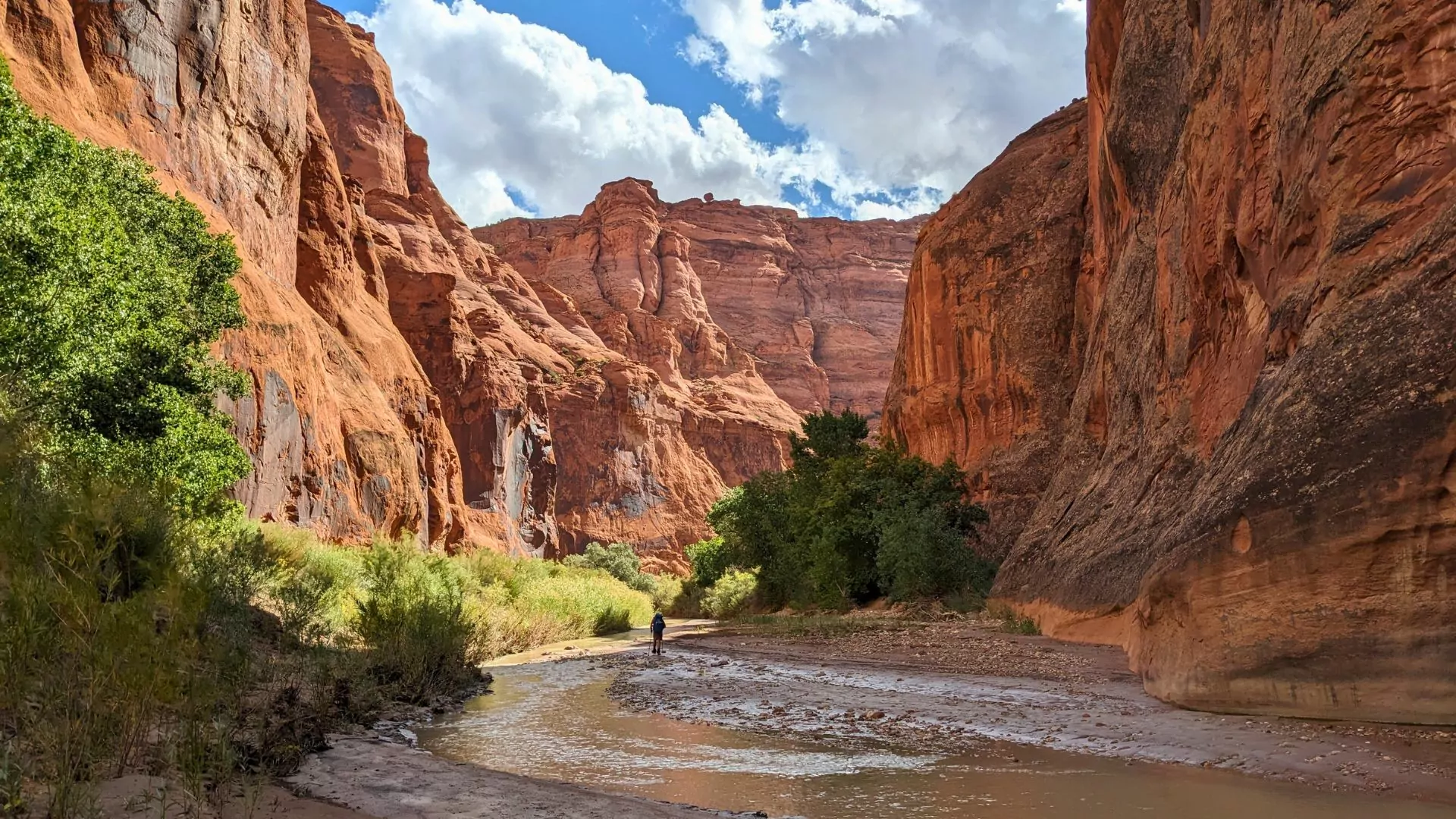
Straddling Arizona and Utah, this wilderness is a sculpted dreamscape of sandstone. Narrow slot canyons, swirling walls, and formations like The Wave create an unforgettable environment. Backpacking here means following the riverbed for days, enclosed by walls that rise hundreds of feet above, literally a deeply immersive journey.
Trinity Alps Wilderness – California
The Trinity Alps of Northern California are a hidden gem. Granite peaks, alpine lakes, and vast forests rival the Sierra Nevada in beauty but with far fewer visitors. Glacial valleys give way to waterfalls and sweeping views, offering an adventurous, challenging wilderness experience.
Ansel Adams Wilderness – California
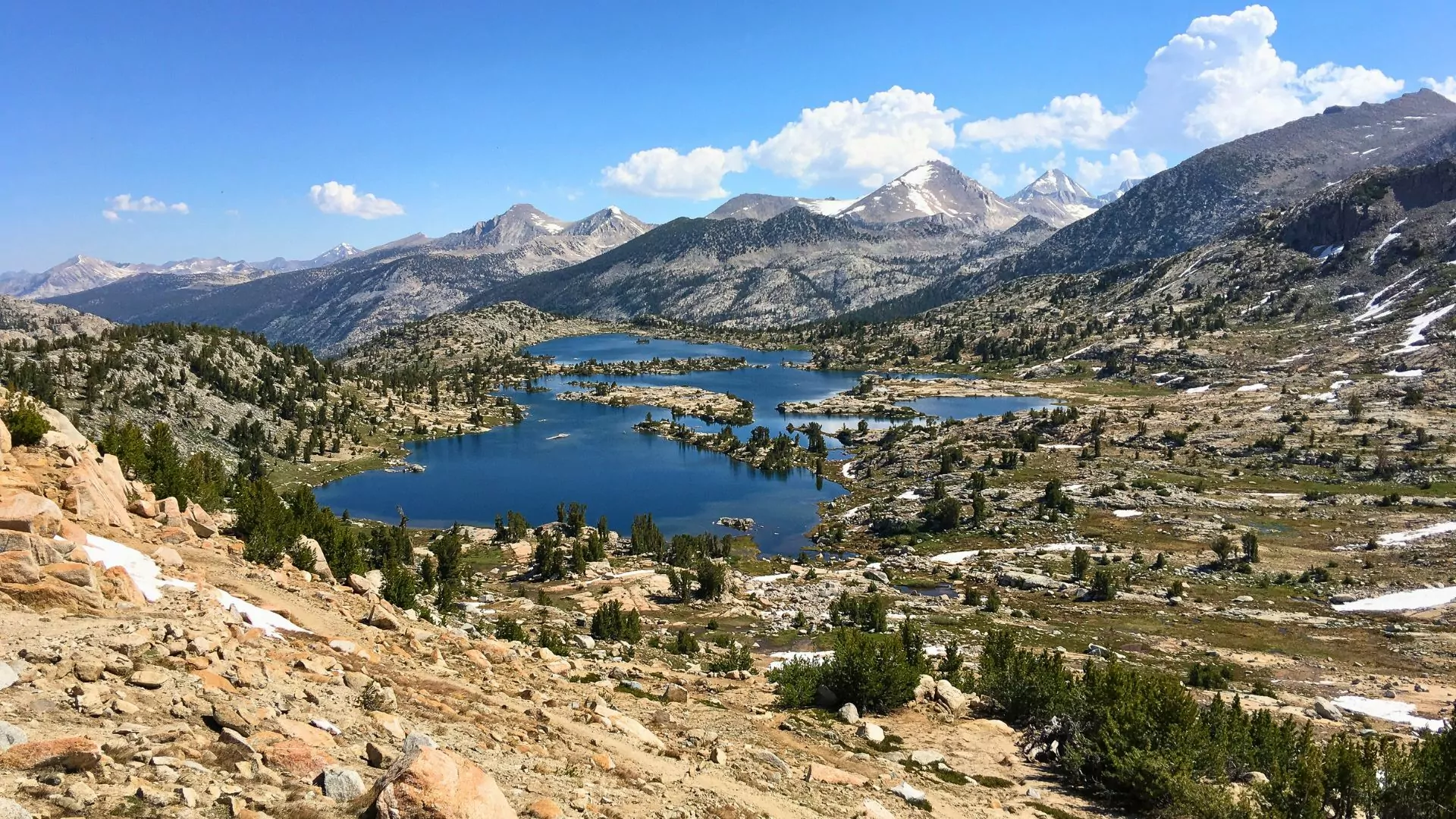
Named for the famed photographer, Ansel Adams Wilderness showcases granite spires, glacier-carved valleys, and jewel-like alpine lakes. The jagged Minarets rise above flower-filled meadows, embodying the essence of Sierra grandeur. It is a place where light and stone conspire to leave a lasting impression.
Emigrant Wilderness – California
Just north of Yosemite, Emigrant Wilderness offers a quieter slice of the Sierra. Rolling granite domes, volcanic ridges, and hundreds of high-country lakes create a backpacker’s paradise. From forested valleys to alpine basins, every turn brings new vistas without the crowds found in neighboring parks.
Exploring Public Lands
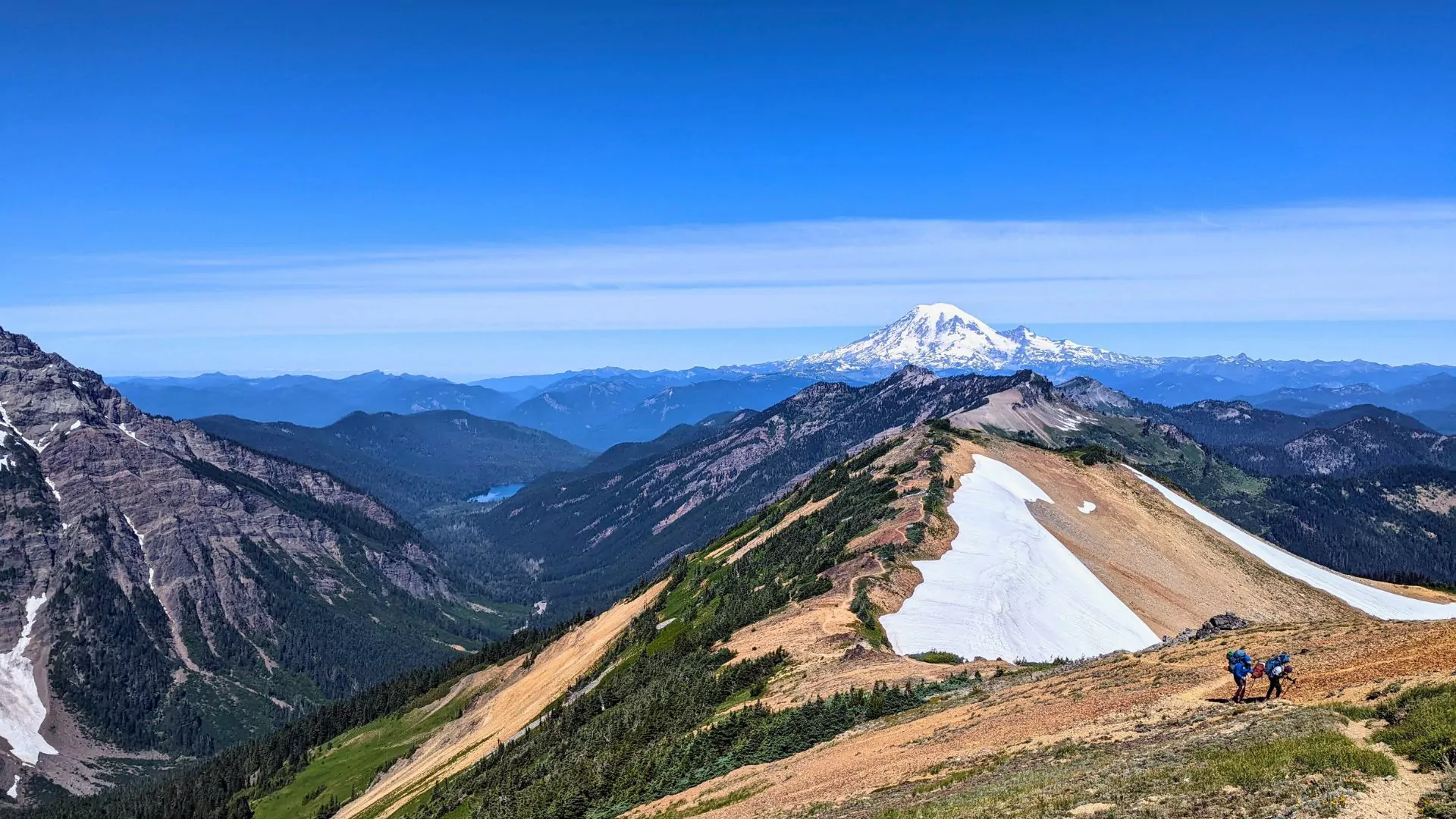
Wilderness areas represent the wild heart of America’s public lands. They are places where silence prevails, wildlife thrives, and people can still find adventure that demands resilience and respect.
For those eager to step into these landscapes, Wildland Trekking offers guided experiences that handle logistics while allowing full immersion. Whether it’s the canyon depths of Paria, the alpine expanses of the Flat Tops, or the granite wonderlands of the Sierra, each journey provides a chance to reconnect with something timeless.
In an age of constant connectivity, spending time in wilderness is both a gift and a statement. Some places are most valuable not for what we add to them, but for what we let remain untouched, resilient, and alive.