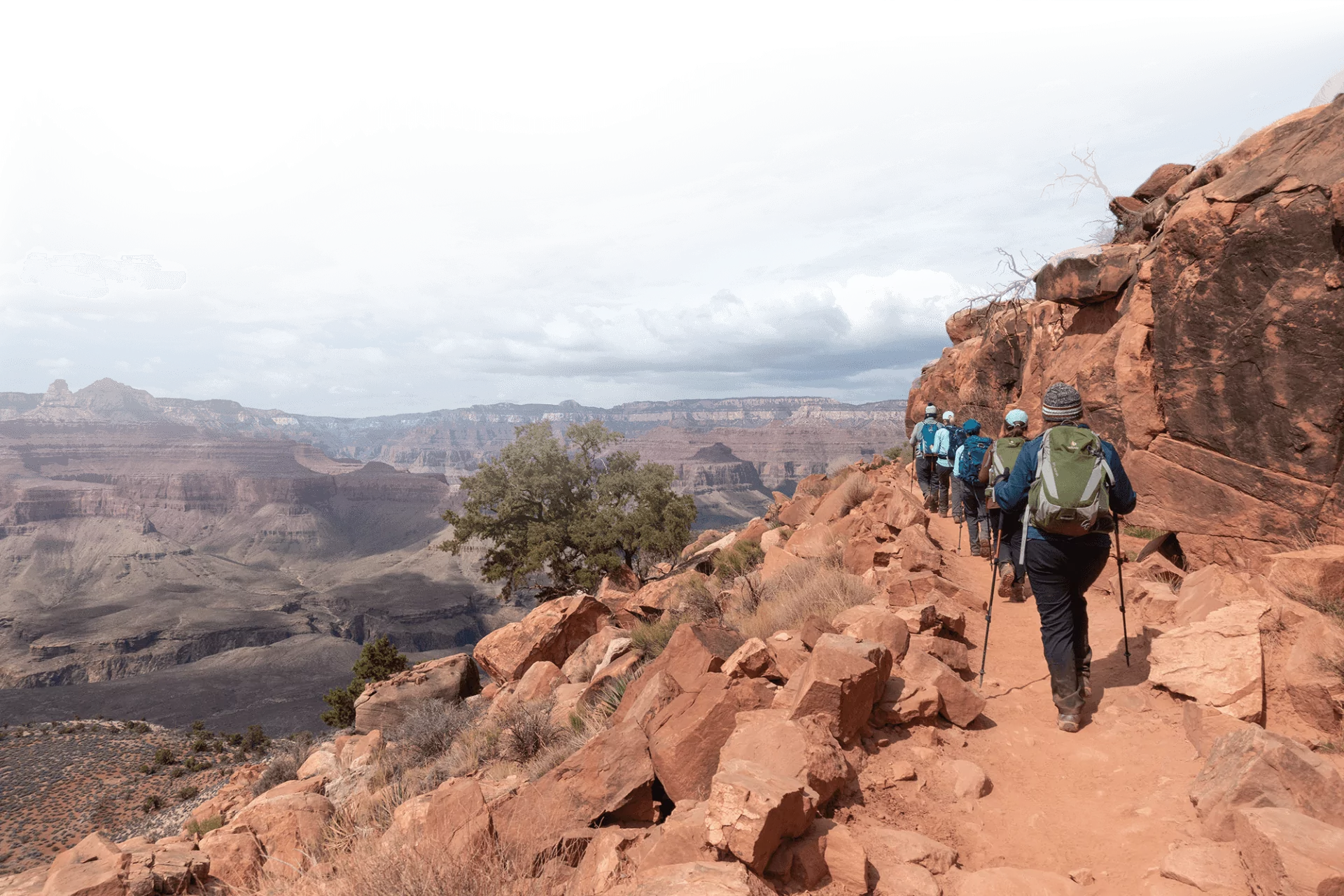


Everything You Need to Know About Hiking in Italy
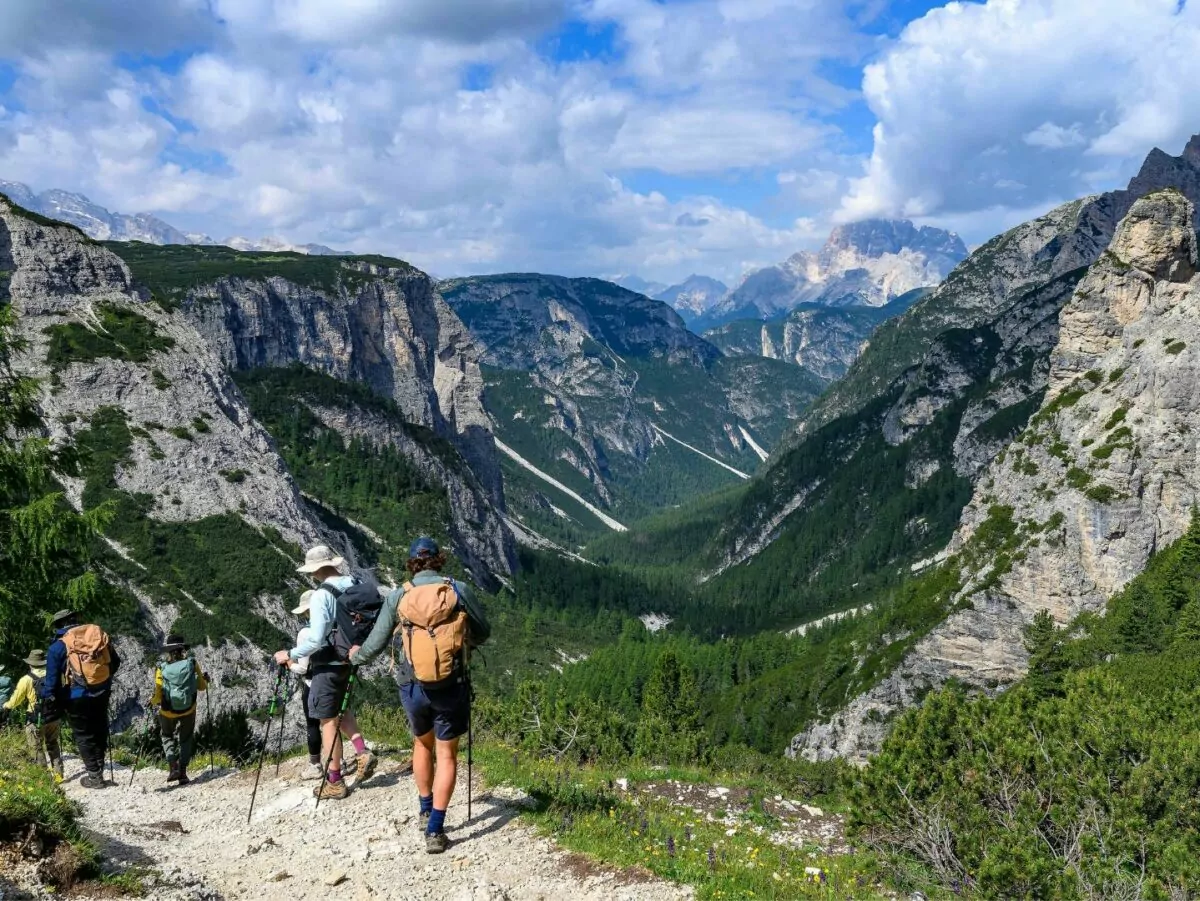
Italy is celebrated for its incredible cuisine, ancient ruins, and world-class art, but exploring the landscape on foot reveals a whole new side of the country. Hiking in Italy is a breathtaking way to immerse yourself in its sweeping views, vibrant culture, and unforgettable landscapes.
Why Go Hiking in Italy?
Incredible Variety of Landscapes
The landscape of Italy is remarkably varied depending on where you are in the country. When hiking in Italy you can experience everything from mountain vistas and alpine peaks, to rugged farmland and rolling hills, to scenic coastlines and pristine beaches.
Great Weather for Outdoor Activities
Italy runs north to south and includes alpine, continental, and Mediterranean climates. Due to the variety of climates, excellent hiking in Italy can be found year-round.
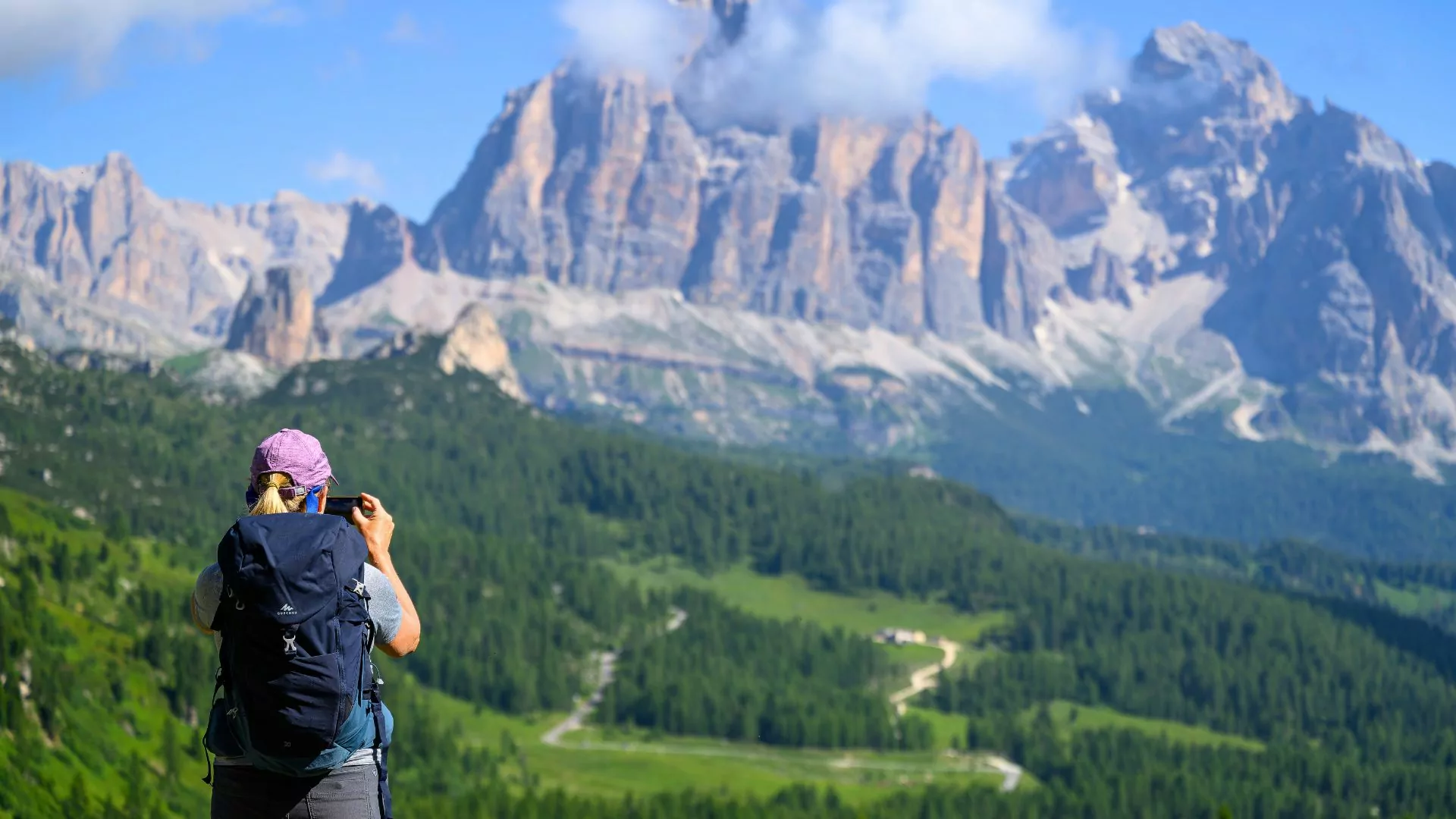
World-Class Photography
From sunlit coastal cliffs to dramatic mountain peaks, Italy gives you postcard shots without even trying! You’ll find yourself in awe at the striking vistas around every corner.
Culture
Many trails begin in or near historic towns. Take the opportunity to explore Roman ruins, medieval castles, quaint villages, or local festivals. Each region in Italy also has its own food and wine specialties. Get the full Italian experience by indulging in some local cuisine post-hike! When hiking in Italy you can enjoy polenta in the north, fresh pesto & limoncello in Liguria, pizza in Naples, seafood in the south, and Italy’s delicious gelato in all regions.
Transportation
Italy’s trains and regional buses make most trailheads fairly accessible. Do your research beforehand though, as hikes in more remote, rugged areas (like Sardinia) will require a car to reach the trailhead.
Rifugi (Mountain Huts)
The Dolomites and Alps have some of Europe’s best hut systems—clean, welcoming, often with home-cooked meals and striking views. Stay overnight (book in advance!) if you’re on a multi-day adventure, or stop for a cappuccino and a pastry on your day excursion. The stunning setting and delicious snacks at the huts are an added perk when hiking in Italy.
Popular Hiking Trails and Regions
Northern Italy – Dolomites and Alps
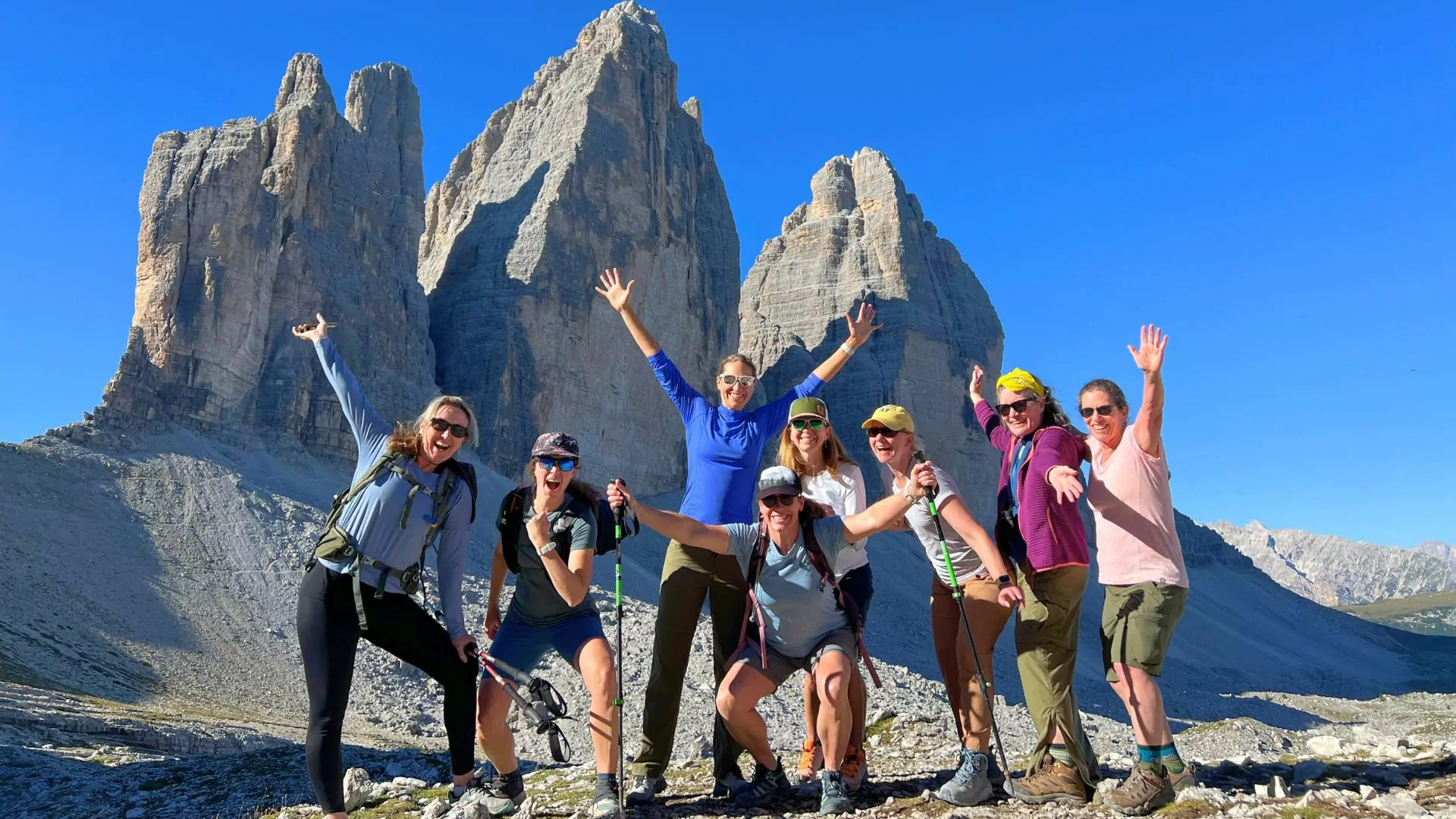
One of the premier destinations for hiking in Italy, the northern regions are famous for their dramatic peaks, alpine meadows, well-marked trails, and charming mountain huts. Plan your visit to the Dolomites or Alps between June and September when the weather is most favorable for exploring these spectacular landscapes.
For a challenging multi-day trek in the Dolomites, the legendary Alta Via 1 and Alta Via 2 offer unforgettable trails spanning roughly 75 and 110 miles, respectively. If you’re looking for a shorter yet equally breathtaking option, the Tre Cime di Lavaredo Loop—at just 6 miles—is one of the most iconic and photographed hikes in all of Italy.
In the Italian Alps, the renowned Tour du Mont Blanc offers another demanding but stunning multi-day trek as it winds through Italy, France, and Switzerland, showcasing some of Europe’s most dramatic alpine scenery.
You can also customize your own itinerary and choose your preferred difficulty level by exploring the extensive trail network and stunning glacier vistas within Gran Paradiso National Park in the Italian Alps.
Book A Guided Italy Hiking Tour
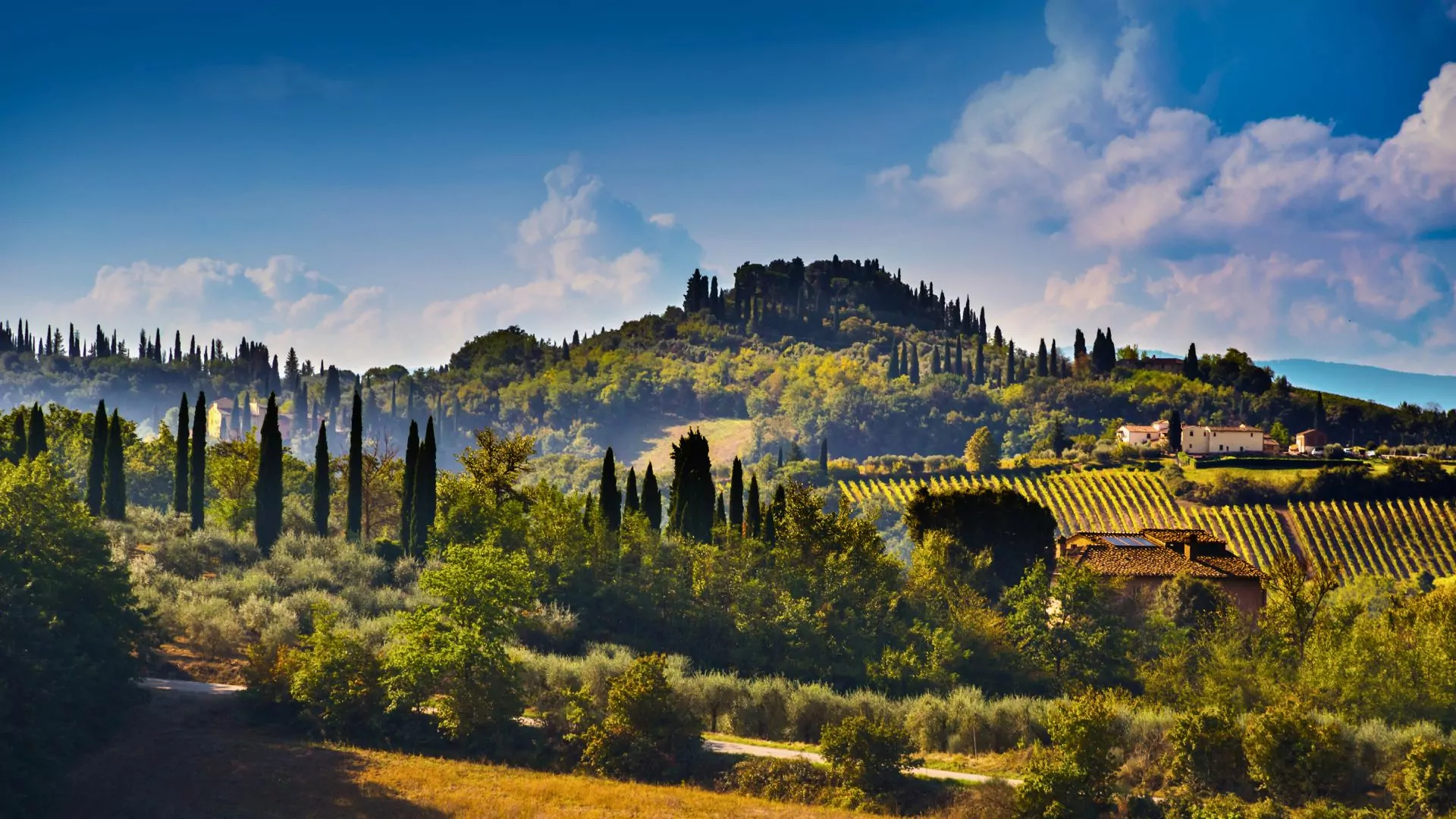
Central Italy – Tuscany and Lazio
The best times to hike in these regions are from March to June and September to November. A visit to Tuscany’s rolling hills, vineyards, and medieval towns is an essential experience when hiking in Italy. The Chianti Classico Hiking Network offers miles of trails spanning several municipalities, perfect for exploring the heart of this iconic wine region. For detailed planning, local tourist websites like Visit Chianti provide valuable maps and resources.
Another must-visit trail is the Appian Way (Via Appia Antica), a protected archaeological park just outside Rome. This historic route, walkable or bike-able for up to 10 miles, offers a mesmerizing journey through ancient ruins and impressive Roman aqueducts. Along the way, you can also explore the early Christian catacombs, adding a cultural detour to the peaceful countryside trek.
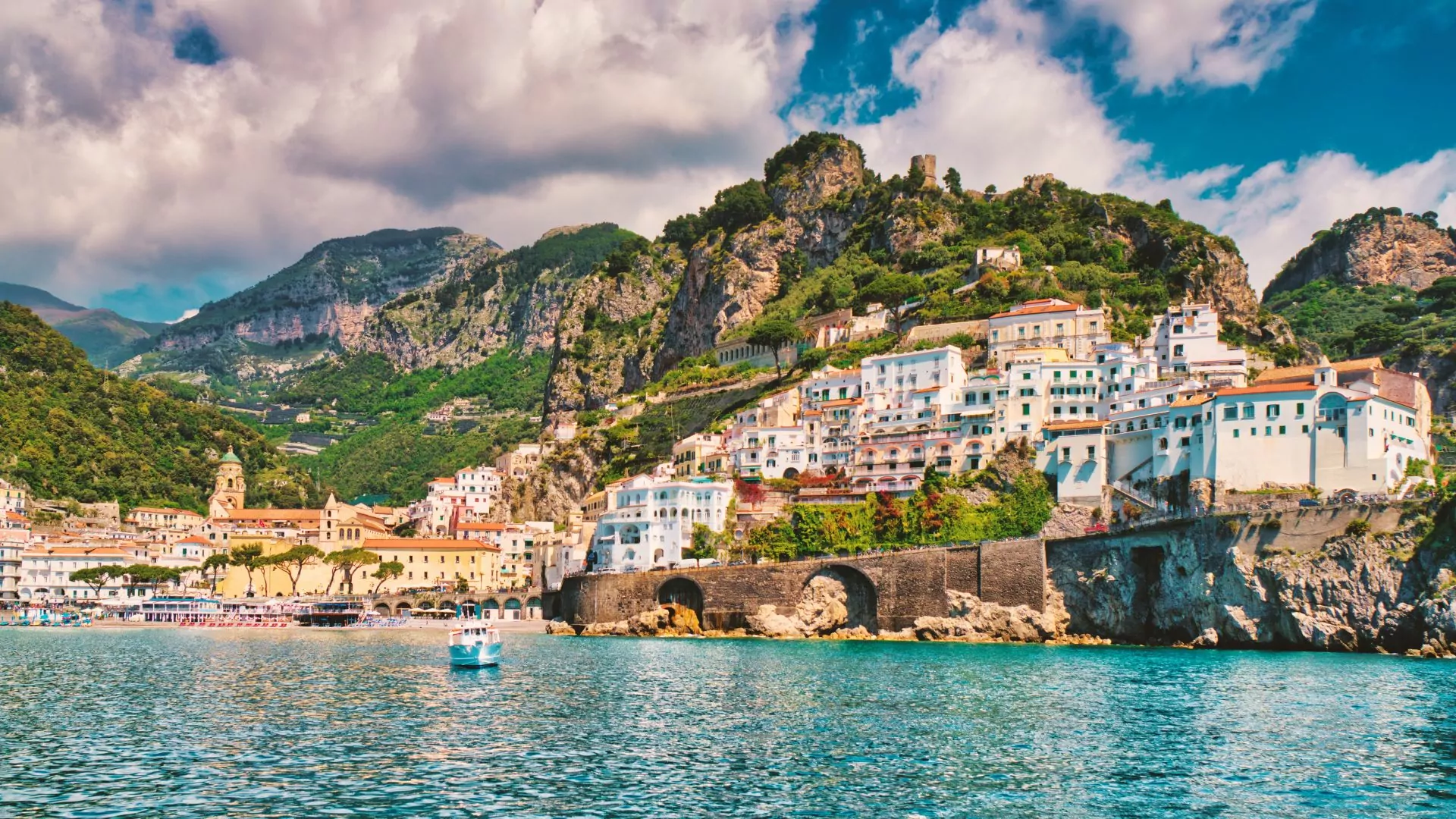
Coastal – Cinque Terre and Amalfi Coast
Thanks to the region’s Mediterranean climate, the ideal times for a hiking trip are March–June and September–November. During these seasons you’ll enjoy sea breezes, sweeping coastal views, dramatic cliff faces, and colorful villages perched above the water.
The Sentiero Azzurro (Blue Trail) is a spectacular 7.5-mile route linking the five villages of Cinque Terre. While you can complete the entire trail in a single day, consider dividing it over multiple days to enjoy the scenery and the distinctive charm of each village. A Cinque Terre Card is required to access the trail, and it’s wise to check current conditions—sections occasionally close due to landslides or maintenance. Some parts of the trail are easy, while others range from moderate to strenuous, with steep climbs and long staircases.
Along the Amalfi Coast, the Sentiero degli Dei (Path of the Gods) offers one of Italy’s most breathtaking moderate hikes. The trail is about 3.5 miles, and I highly recommend extending your journey another 1.5 miles to reach the delightful village of Positano—a rewarding finish that’s well worth the extra distance.
Southern Islands – Sicily and Sardinia
As summers in Southern Italy bring intense Mediterranean heat, the ideal hiking season runs from October through May. Keep in mind that November typically sees the highest rainfall. During these cooler months, you can fully enjoy the region’s volcanic landscapes, rugged coastal trails, and shimmering turquoise waters.
On Sicily, the imposing Mount Etna—Europe’s largest and most active volcano—offers routes for every level, from gentle walks along the lower slopes to demanding climbs to the summit crater. For safety reasons related to ongoing volcanic activity, a licensed guide is required if you opt to make the ascent to the main summit.
Sardinia also features an abundance of remarkable trails. The popular, moderately rated hike to Cala Goloritzé is about 4.5 miles round-trip, culminating at one of the island’s most iconic and pristine beaches. Visitor numbers are limited during peak season to protect the environment, so be sure to secure a permit in advance. For an easier, self-guided outing among very unique and highly photogenic rock formations, Capo Testa is an unforgettable stop.
If you’re seeking a true challenge, the notorious Selvaggio Blu—a demanding, technical, 28-mile route—offers one of Italy’s most thrilling multi-day trekking experiences.
Italy Volcanoes and Amalfi coast Tour
Things to Consider When Hiking in Italy
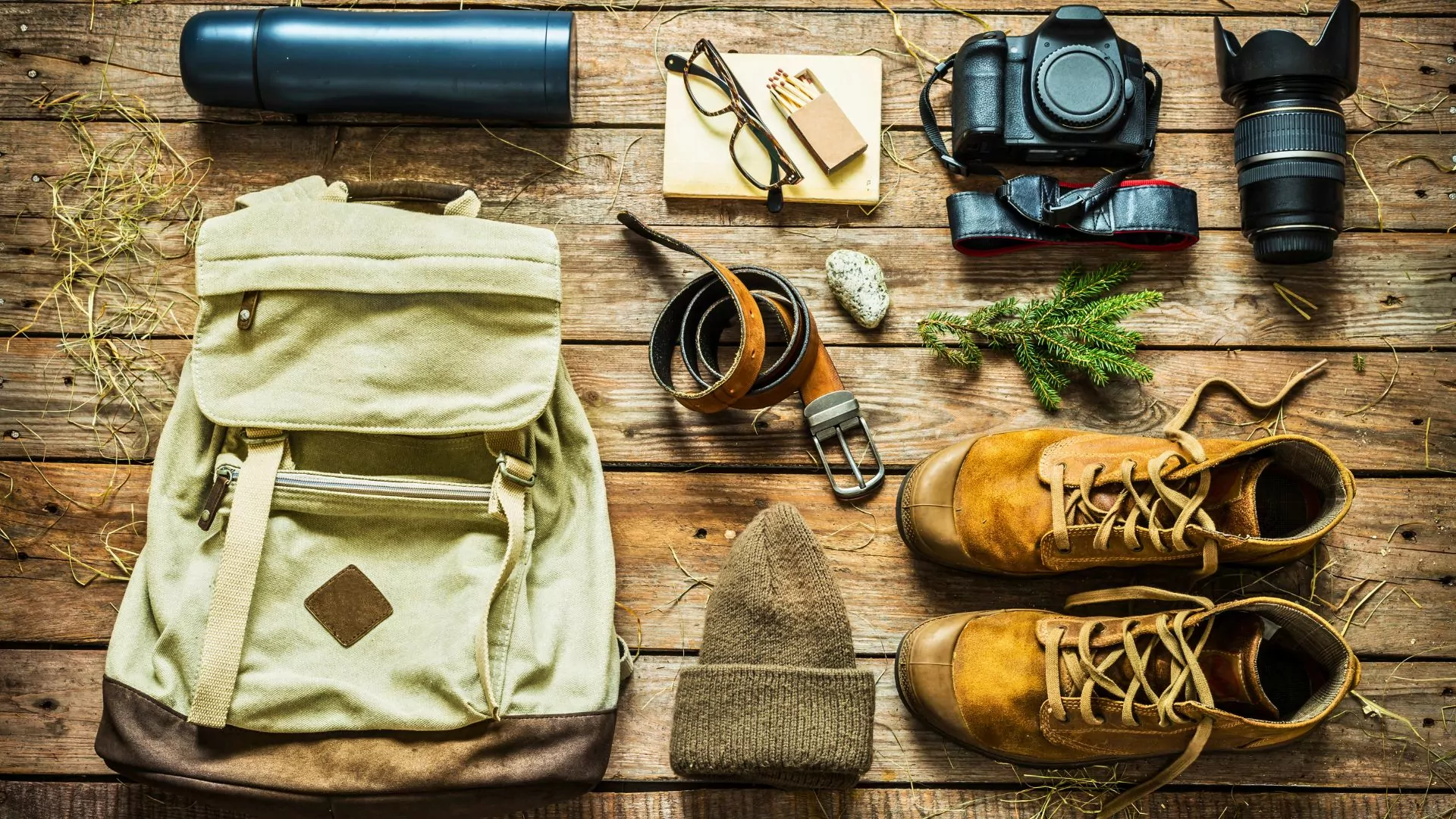
What to Bring on the Hike
No matter which trek you choose, it’s essential to carry plenty of water (minimum of 2L in the summer months), snacks, and weather-appropriate layers. Most trails require sturdy footwear, and trekking poles can be especially helpful on more challenging terrain. Because many trails are exposed with minimal shade, come prepared with sunscreen, a hat, and other sun protection. Always download trail maps ahead of time using your preferred trekking app (Gaia, AllTrails, etc.) or bring a physical map—cell service is never guaranteed. For multi-day treks, a headlamp is essential, and it’s a smart addition even for day hikes.
Trail Difficulty & Terrain
Do your research ahead of time, paying close attention to trail difficulty and terrain. Many hikes may appear short in mileage yet involve steep or technical sections. Give yourself ample time to complete the route—and to enjoy plenty of photo stops along the way!
Reservations & Transportation
If you plan to stay at a rifugio, note that peak-season reservations often need to be secured months in advance. Be sure to research transportation options to and from the trailhead: while many routes are accessible by train or bus, more remote trailheads may require a car. Always double-check public transit schedules, as rural buses may stop running earlier in the day. If you are driving, research parking and fees.
Park & Trail Regulations
Some areas require permits or charge entry fees, and popular trails often have limited availability—so secure any necessary permits well in advance. Always check current trail conditions and closures, and have backup routes in mind. If your hike requires a guide (such as on Mount Etna), be sure to book one ahead of time. Before setting out, consult the official park or regional website for the most accurate and up-to-date information.
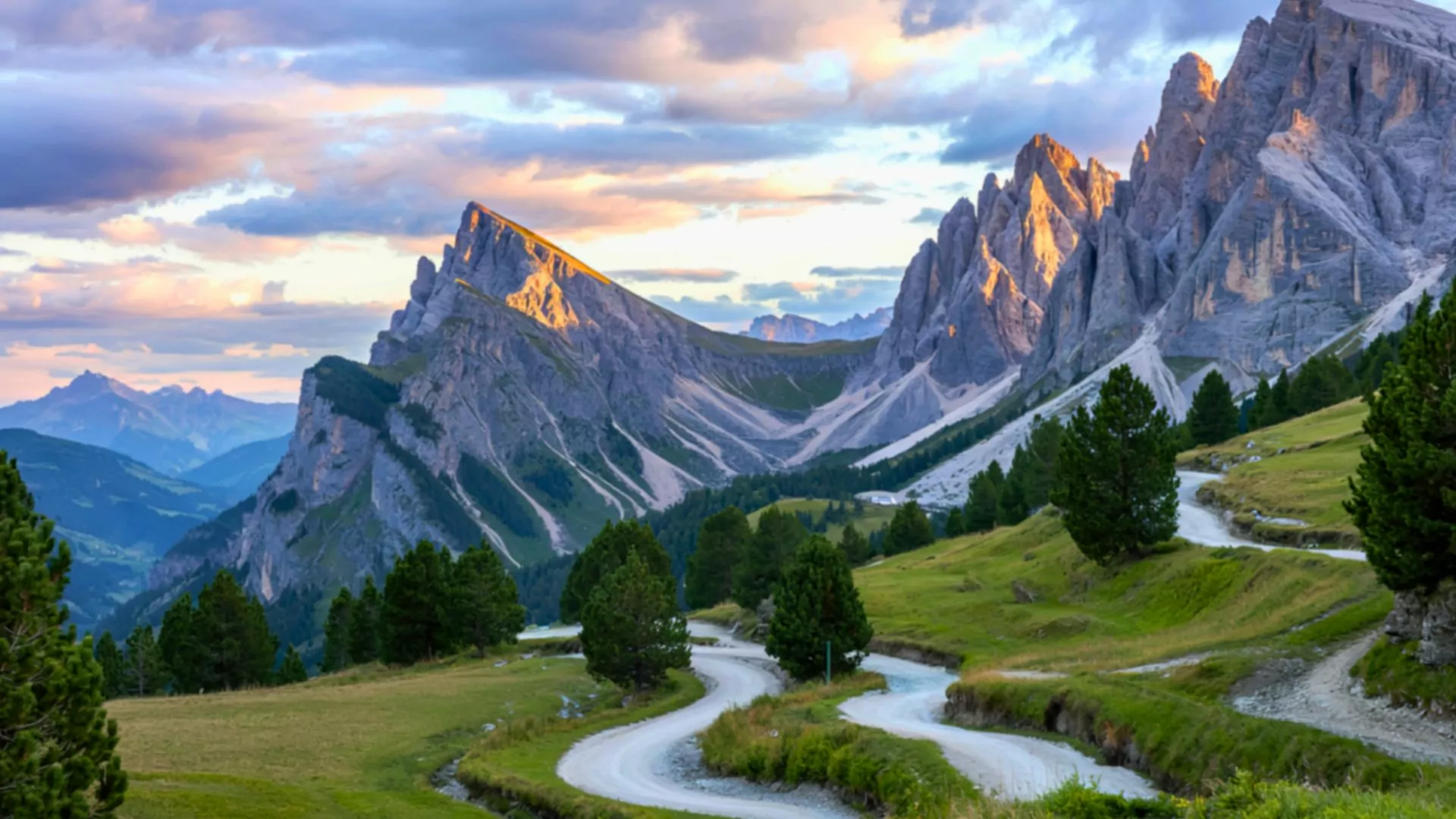
General Preparation
Check the local weather forecast, as mountain conditions can change rapidly and Italy’s climate varies widely by season. Be ready to adjust your plans if needed. Start early—or consider hiking during the shoulder seasons—to avoid heavy crowds. Respect private farmland by remaining on designated trails.
Download Google Translate for offline use or learn a few key Italian phrases- while many Italians speak excellent English, having translation support can be invaluable in remote areas.
Whether you’re tracing coastal footpaths, climbing volcanic slopes, or wandering through alpine meadows, hiking in Italy offers an unforgettable blend of natural beauty, culture, and adventure. With a bit of preparation and an appetite for exploration, you’ll discover landscapes that stay with you long after the journey ends.