

Best Hut to Hut Hikes Around the World
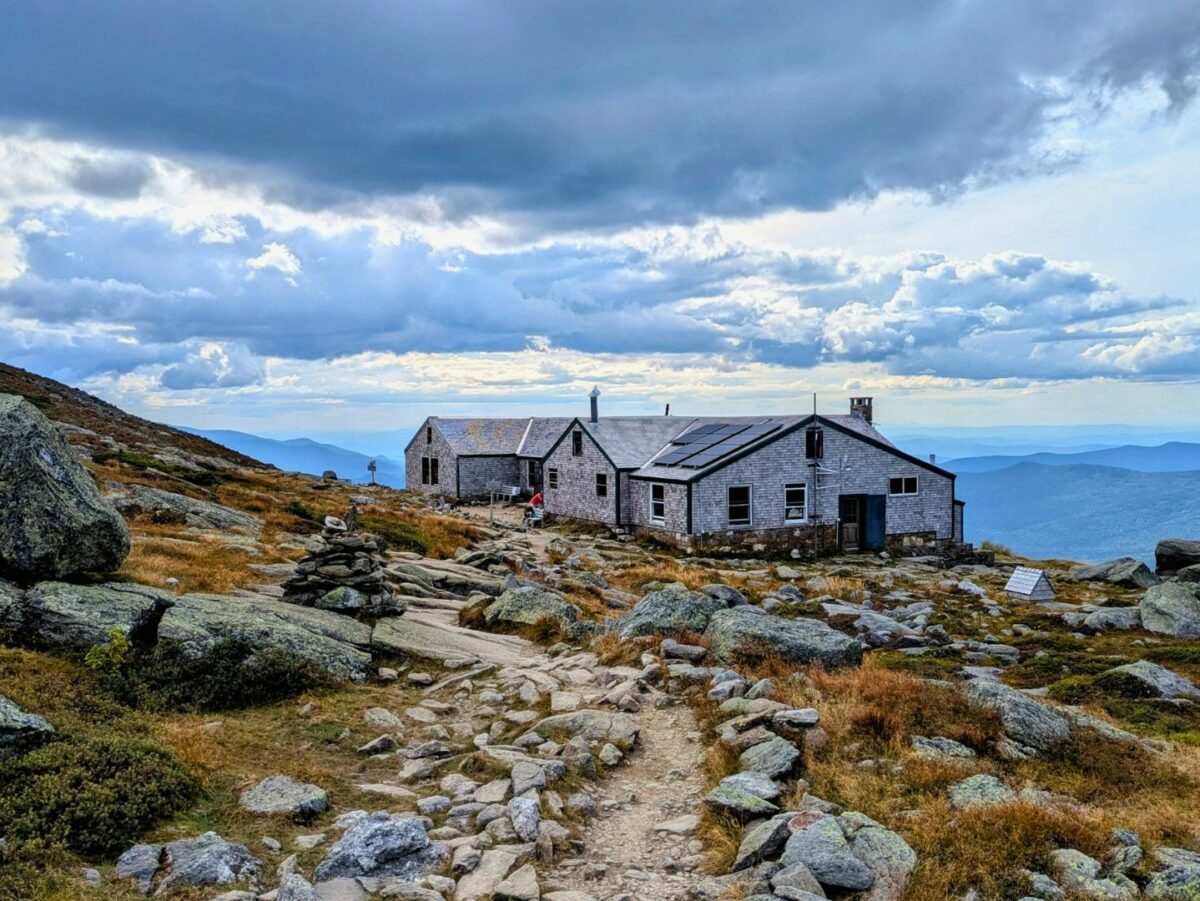
Hut to hut hiking is a rewarding way to explore the world’s most breathtaking landscapes. With designated trails linking cozy mountain lodges, you can enjoy multi-day trekking with stunning scenery, local flavors, and meaningful time in nature. Whether you’re a seasoned hiker or planning your first multi-day adventure, the world’s best hut to hut treks promise unforgettable scenery and the freedom to explore – without the burden of carrying camping gear on your back.
What is Hut to Hut Hiking?
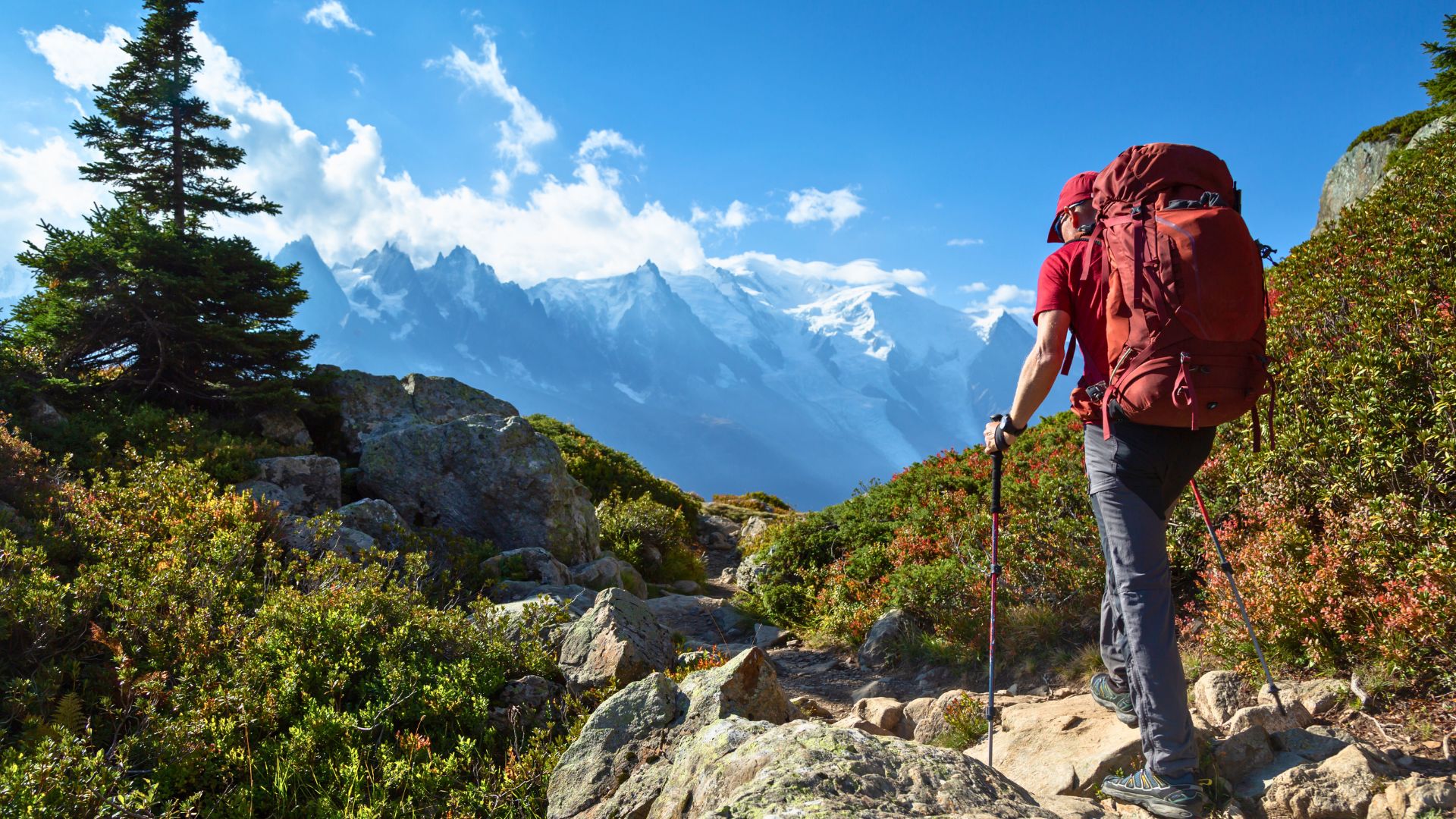
Hut-to-hut hiking is a style of multi-day trekking where hikers travel from one designated mountain hut to the next—eliminating the need to carry camping equipment or set up a tent each night. These huts are strategically placed along established trails and typically offer meals, sleeping accommodations, and basic amenities.
This style of hiking is especially popular in regions with extensive alpine networks—such as the Alps, Scandinavia, and New Zealand—but can be found all over the world.
What Makes Hut to Hut Hiking Special?
Hut to hut hiking strikes a perfect balance between backpacking and day hiking because it blends the adventure of multi-day travel with the comfort and ease of not having to camp or carry heavy gear. Here’s why it sits right in the sweet spot:
- The adventure of a multi-day journey—without the heavy load – Like backpacking, hut to hut hiking allows you move through beautiful landscapes over several days. But since huts provide beds, meals, and shelter, you only carry a light pack with essentials! Hut to hut hiking is far more luxurious than backpacking, but still more adventurous than simple day hikes. It allows you to cover more ground, see more diverse scenery, and experience the rhythm of true long-distance hiking.
- Accessible for more hikers – Because you’re not carrying a heavy load of camping equipment, hut to hut hiking opens multi-day trekking to people who may not have the strength, gear, or desire to do a backpacking trip.
- Camaraderie – Many huts are social hubs, offering the camaraderie and shared stories that you don’t get on isolated backpacking trips or typical day hikes. Evenings are often spent engaging with fellow hikers from around the world.
- Safety – Trails connecting the huts are typically well-marked, and the huts themselves offer reliable shelter from bad weather conditions. Most provide daily updated weather forecasts, and staff are usually available to answer general trail questions and help you prepare for the day ahead.
- Cultural immersion – Many huts serve traditional, locally sourced dishes and are run by people with deep roots in the region. Sharing a meal in a hut becomes an opportunity to experience local flavors, and gain insight into the culture and traditions that shape life in these remote areas.
Guided Hut to Hut hiking Trips
What You Can Expect from a Hut
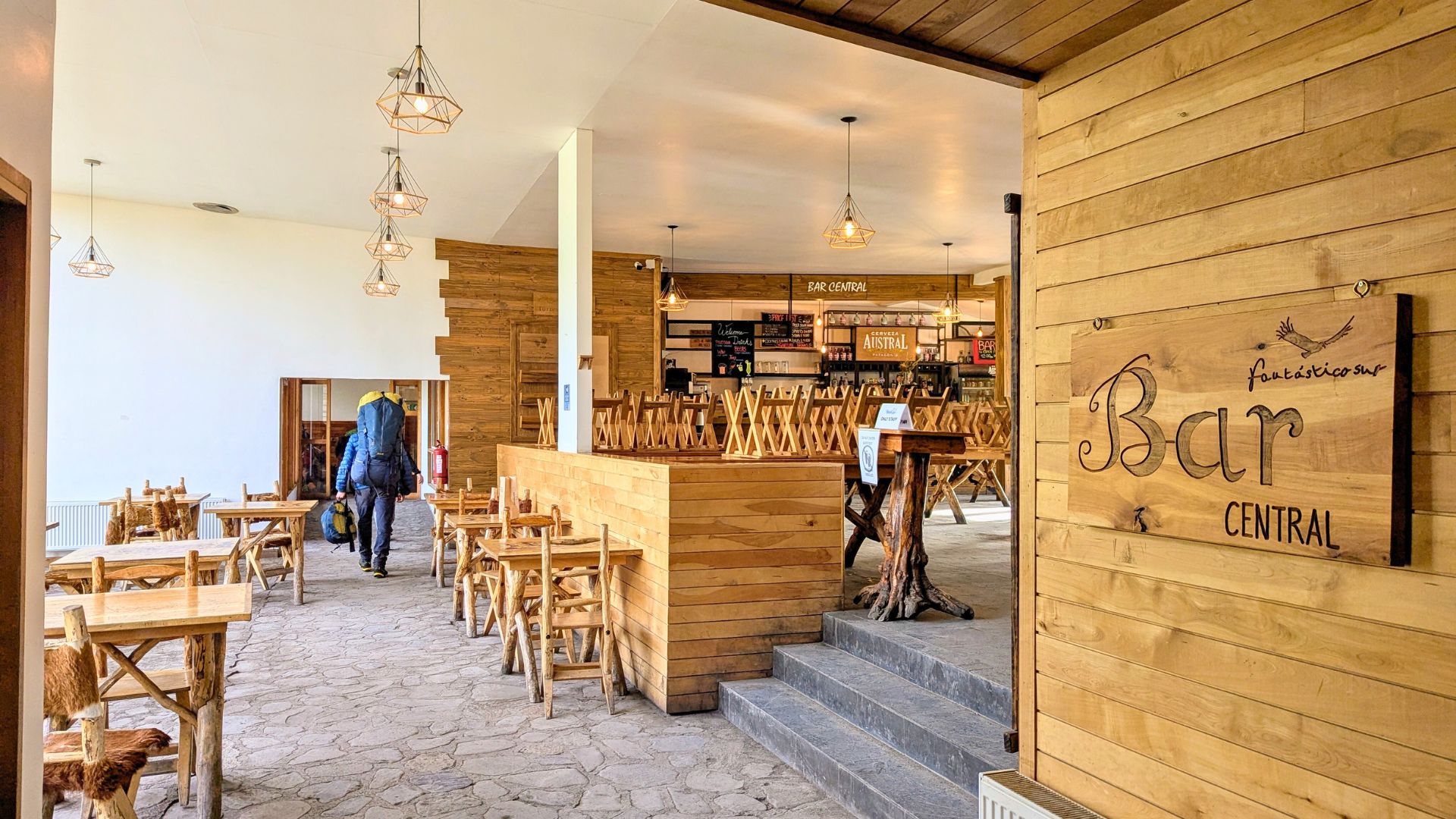
Huts vary widely between countries and regions, but most offer a comfortable bunk room—often with multiple dorm-style spaces—where at minimum a mattress is provided (and in some places, full linens). You’ll typically find a dedicated dining area, and many huts serve hearty meals, though these are not always included in the overnight cost. Amenities also differ: some huts have electricity, while others remain delightfully off-grid; some offer flush toilets and even hot showers, while others rely on pit toilets or simple outhouses. Nearly all provide access to drinking water. Many huts also provide options for evening entertainment, such as books, board games, or informative nightly programs. It’s common to find a small shop selling snacks, basic gear, or other useful items for the trail.
Tips for Hut to Hut Hiking
- Plan and Book Early – Reserve huts well in advance, as many book out months ahead. Do your research, and check which amenities each hut includes so you know what to pack.
- Pack Light but Smart – You won’t need full camping gear, but you will want to pack the same essentials you’d bring on a day hike. A few extra comfort items can make your overnights much more enjoyable: earplugs (shared bunk rooms often include a snorer or two), an eye mask to block out early-morning light, comfy hut shoes or slippers, a portable charger, and a small first-aid kit with blister care supplies.
- Know the Trail – Study maps and download an offline GPS map like Gaia or AllTrails. Check your daily mileage and daily elevation gain/loss. Have a backup route in case of weather changes. Starting early helps you avoid crowds and gives you more time to enjoy the day’s hike.
- Bring Cash – Some huts don’t accept credit cards, especially in remote areas. Cash may be needed for showers, snacks, or small purchases.
- Understand Hut Etiquette – Quiet hours are taken seriously — be respectful of your fellow hikers. Keep your gear organized in the bunk rooms. Respect shared spaces and clean up after yourself.
Best Hut to Hut Hiking
While there are countless incredible hut-to-hut treks around the world, the list below spotlights a few of the most popular and iconic routes.
O Circuit
Torres del Paine National Park, Chile
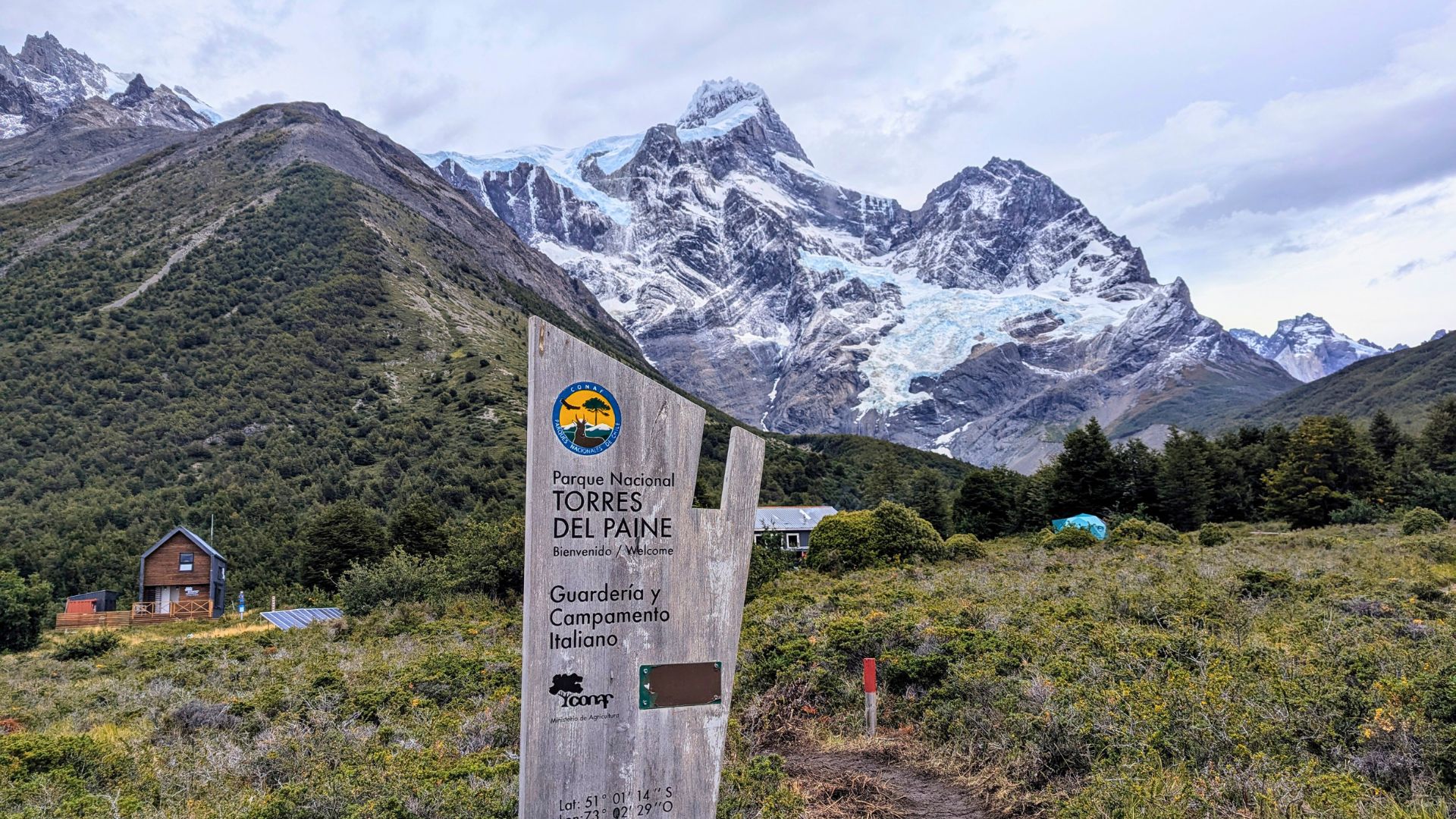
The O Circuit is one of my all-time favorite multi-day treks. This roughly 70-mile loop typically takes 7–10 days, though there are plenty of optional side trails and viewpoints if you want to extend your adventure (which I thoroughly recommend doing!). The route combines the iconic W Trek with the remote, northern side of Torres del Paine. Expect a little bit of everything—deep forests, towering granite spires, sweeping pampas, pristine lakes, hanging glaciers, mountain passes, and exciting suspension bridges.
Wildlife is abundant as well, from guanacos and pumas to condors soaring overhead.
Many hikers complete the circuit in eight days, but the itinerary is highly customizable depending on your pace and preferred level of challenge. The total elevation gain of the loop is roughly 17,000 feet, with only one or two days of substantial climbing.
Not every stop along the circuit offers a full-service refugio (hut). For example, Camp Serón and Los Perros are camping-only and do not offer dormitory lodging. However, these camps provide a premium camping option, where a tent, sleeping bag, mattress, and pillow are set up in advance of your arrival. These camps also offer meal service (with advance booking), and shared bathrooms and showers.
Other stops along the trek feature comfortable and even luxurious refugios. Refugio Dickson, Refugio Grey, and Paine Grande are all known for their cozy accommodations, hearty food and drink offerings, and inviting common areas.
The O Circuit takes you through one of the most remote and stunning wilderness areas in the world. Each day of the trek reveals new terrain and breathtaking vistas- an adventure not to be missed!
If you want to skip the planning headaches, consider booking the O Circuit with Wildland Trekking. All logistics are handled so you can focus solely on the experience.
all-inclusive O Circuit Trek
Tour du Mont Blanc
France, Italy, & Switzerland
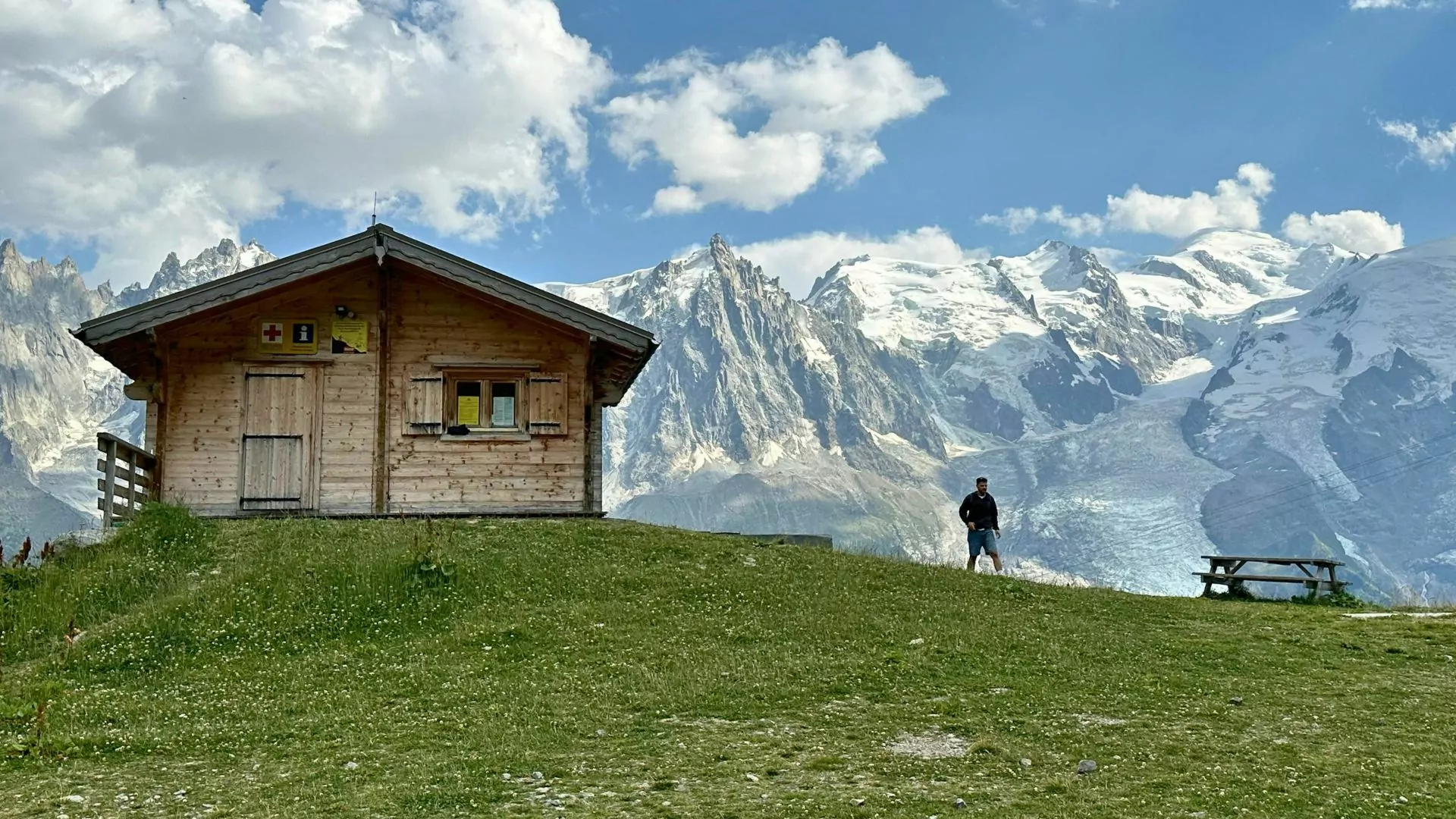
Circling the entire Mont Blanc massif, the Tour du Mont Blanc (TMB) is one of the world’s most celebrated hut to hut treks—and for good reason. This roughly 105-mile loop combines high-alpine passes, glacier-carved landscapes, charming mountain hamlets, and some of the most jaw-dropping panoramas in the Alps. It’s the perfect blend of challenging mountain travel and creature comforts, thanks to the region’s exceptional network of mountain inns, where hot meals, warm beds, and convivial atmospheres greet hikers each night.
Most people hike the TMB in 8–11 days, moving counter-clockwise from the charming town of Chamonix. Each day brings a new highlight: trails with sweeping views of Mont Blanc, the dramatic Rhône Valley, the rugged Col de la Croix du Bonhomme, the vibrant Italian village of Courmayeur, and the tranquil Swiss countryside around Champex-Lac. The route’s beauty lies not just in its scenery but in its incredible cultural diversity—each country you step into adds its own flavor, cuisine, architecture, and mountain traditions.
The TMB’s hut system is one of the best in Europe. Huts range from simple, cozy dormitory-style lodges to more modern outposts with private rooms, homemade pastries, wine lists, and hearty three-course dinners.
Although the TMB involves significant elevation gain and loss—roughly 30,000 feet over the full loop—it’s accessible to prepared hikers and offers enough route variations to tailor the difficulty to your comfort level. Add in excellent trail markings, reliable transportation links, and frequent opportunities to shorten or lengthen stages, and it’s easy to see why the Tour du Mont Blanc has become an enduring classic in the hut-to-hut world.
hike the Tour du Mont Blanc with a guide
Matukituki Valley to Aspiring Hut to French Ridge Hut
South Island, New Zealand
For a hut-to-hut trek that blends jaw-dropping alpine scenery with New Zealand backcountry charm, this ~21 mile trek is a standout. The journey is a 3 day out-and-back hut-to-hut trek, but many hikers extend it by exploring glaciers, ridgelines, or adding the nearby Liverpool Hut. It’s ideal for those seeking a true alpine experience without committing to a lengthy thru-hike.
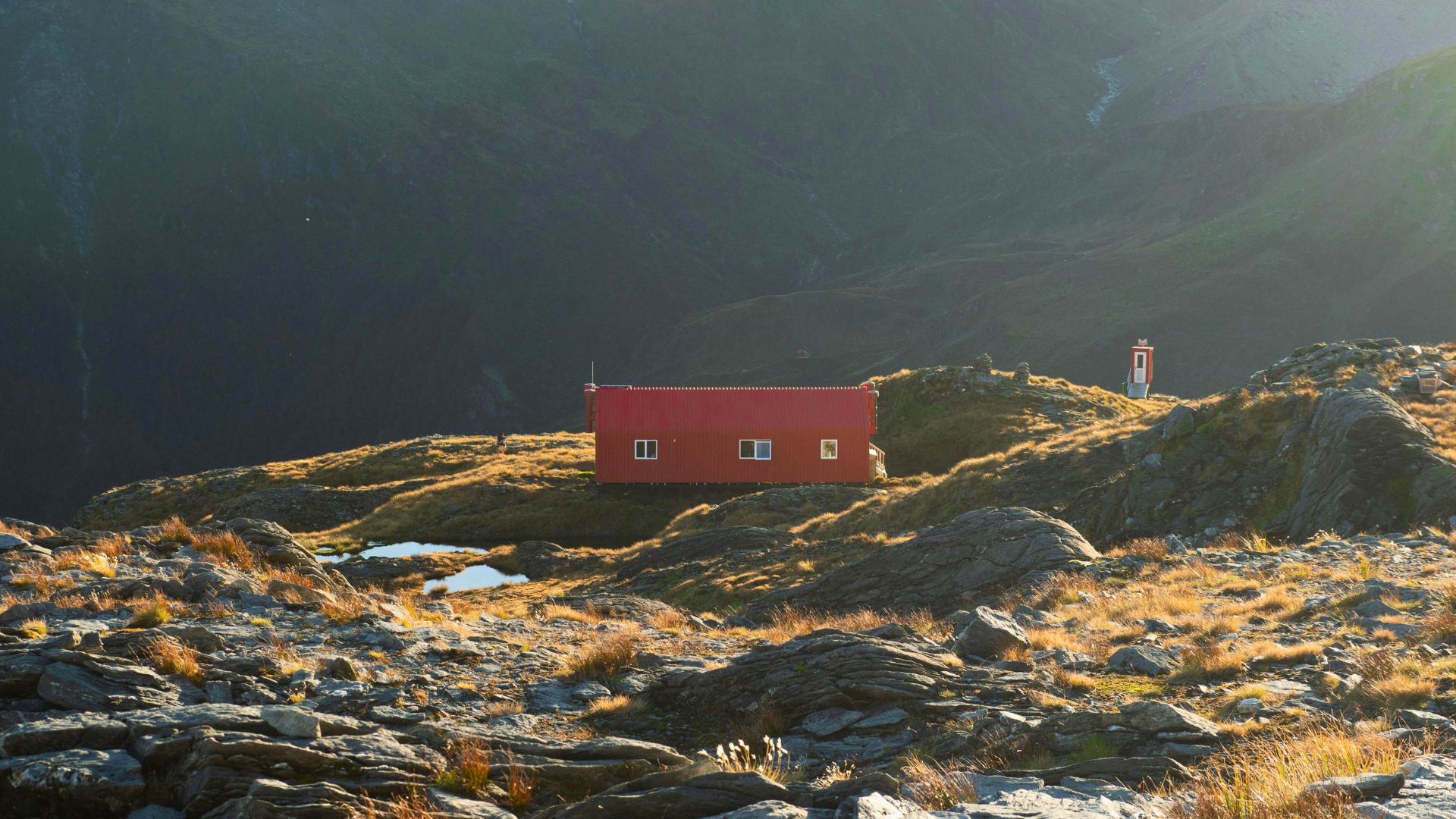
Day one leads you on a gentle 6-mile valley walk, passing grazing cattle and sheep as you follow the river to the Aspiring Hut. Day two is where the adventure truly begins. The climb to French Ridge Hut is steep, rugged, and wonderfully wild—ascending straight through dense forest, scrambling up tree roots, pushing through alpine scrub, and finally tackling a seemingly endless rocky ridge. When you reach the top, the reward is extraordinary: the French Ridge hut perched spectacularly high with striking views of the Bonar Glacier and the upper Matukituki basin—an unforgettable panorama that feels truly remote.
It’s worth noting that neither hut provides meal service. Each has a basic kitchen area, but you’ll need to bring your own food (as well as a stove and fuel for the French Ridge hut). Toilets are simple outhouses—though the French Ridge outhouse may be one of the most scenic bathroom spots anywhere in the world.
New Zealand hut to hut hiking tour
And of course, this trek is just one of countless hut to hut adventures around the globe worth experiencing. From the Presidential Traverse in New Hampshire and the Laugavegur Trail in Iceland, to Italy’s Alta Via 1 and 2, and the endless hut networks of Norway and New Zealand, the world is full of unforgettable multi-day journeys where cozy huts and wild landscapes go hand in hand.
Hut to hut hiking offers an unmatched blend of stunning scenery, cultural experience, and backcountry comfort, making multi-day treks more approachable and enriching. No matter which trail you choose, you’ll finish with a deeper appreciation for both the landscapes you’ve walked through and the people who help maintain these remarkable networks