

How Not to Get Lost (and what to do if you already are)
As a hiking guide, I often hear from guests that one of the main reasons they booked a trip with Wildland Trekking is to be sure they won’t get lost. I can understand this sentiment, because I don’t like the idea of getting lost in the wilderness either! Being alone, in the dark, without adequate equipment, and with no idea where to go sounds terrifying to me, even as an outdoor professional. To make these fears even worse, we have no shortage of reality TV shows that dramatize the likelihood and consequence of getting lost.
Fortunately though, we live in a time when it has never been easier to avoid getting lost in the wilderness. In fact, I firmly believe that it is possible to go through an entire lifetime of outdoor recreation without ever getting truly lost. Here’s how!
Staying Found
Plan ahead and prepare
While it can sound cliché, the first principle of Leave No Trace is also our best defense against getting lost in the wilderness. This doesn’t have to be an overly formal process, but before any outdoor adventure I ask myself basic questions like: Do I have enough time to complete this route before dark? What will I do if it gets dark? Will there be phone service? Does someone who cares about me know where I plan to go and when I plan to return?
Use a GPS app
One of the best modern-day defenses against getting lost in the wilderness is the ubiquitous smartphone, but especially if you’ve downloaded maps onto a GPS hiking app (hyperlink to my other post about Hiking Apps) in advance. These apps can show you topographic features and lines that represent trails, even if you don’t have service. Then, they can show you a little icon that signifies your location relative to these features. When the trail in front of me disappears, I frequently turn to my GPS app to tell me if I’m too far left or right, then I can course-correct without wasting too much time, or worse.
Pay attention to clues
As great as navigation aids are, it’s good practice to avoid relying on them too heavily. Recognizing visual indicators of the trail’s location is important! Some common examples of these include cut logs, rock stairs, cairns, soil that’s been compacted by foot traffic, and footprints themselves. Remember that a horizontal log, pile of sticks, or line of rocks is often trying to imitate a wall, meaning that the trail does not go that direction. If you suddenly find yourself walking on soft dirt, steep terrain, or through tight bushes, take a moment to reconsider if this is the right way!
Be extra careful at night
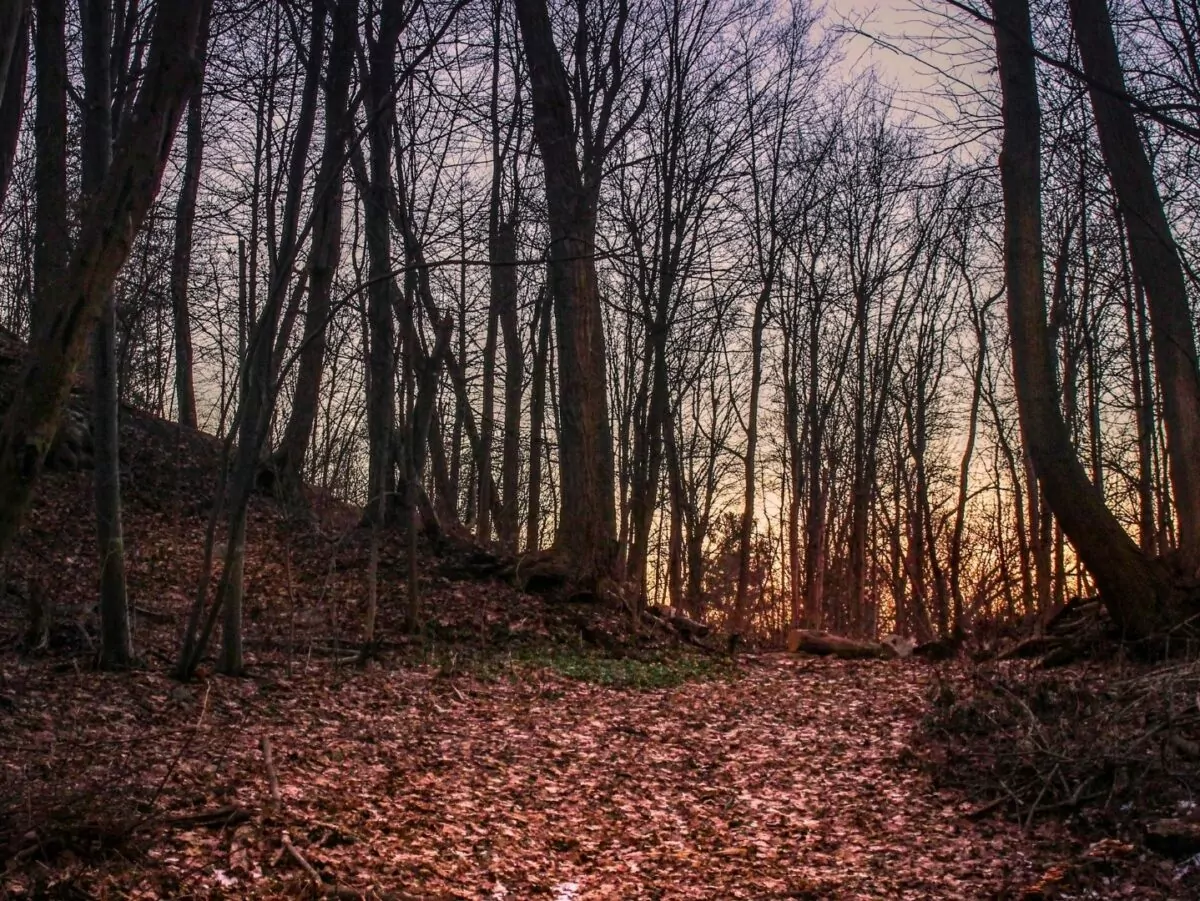
Being out on the trail at night doesn’t have to be scary; it can actually be a very pleasant experience, whether it was the goal of the adventure or not. With adequate lighting, walking on a trail at night is just as easy as it is in the daytime. A lightweight headlamp is a great item to always have in your pack in case an adventure takes longer than needed. Most are rechargeable these days, so I don’t bring spare batteries, but I always have a backup source of light with my phone’s flashlight function.
But, problems are more likely to arise if you lose a trail at night. Headlamps are bright and GPS apps still work, but the reality is that it is more difficult to see the terrain and landscape surrounding you at night. For this reason, my need to stay on the trail is heightened in the dark. If something feels wrong, I stop immediately and try to troubleshoot, because if I walk the wrong direction for even a minute or two, the place I’m supposed to be may be out of sight.
Manage battery life
Search and rescue workers often report that dying devices are a common complication for people who are lost in the wilderness. Familiarize yourself with the battery longevity of all your devices, and make sure they’re adequately charged before you leave on an adventure. Avoid running a headlamp on a mode that’s brighter than you actually need, keep your phone on airplane mode if you’re out of service, and keep satellite communicators off when not in use. On multi-day trips where I know my devices are likely to die, I bring a USB battery bank and recharge them at camp each night.
Carry a paper map and compass
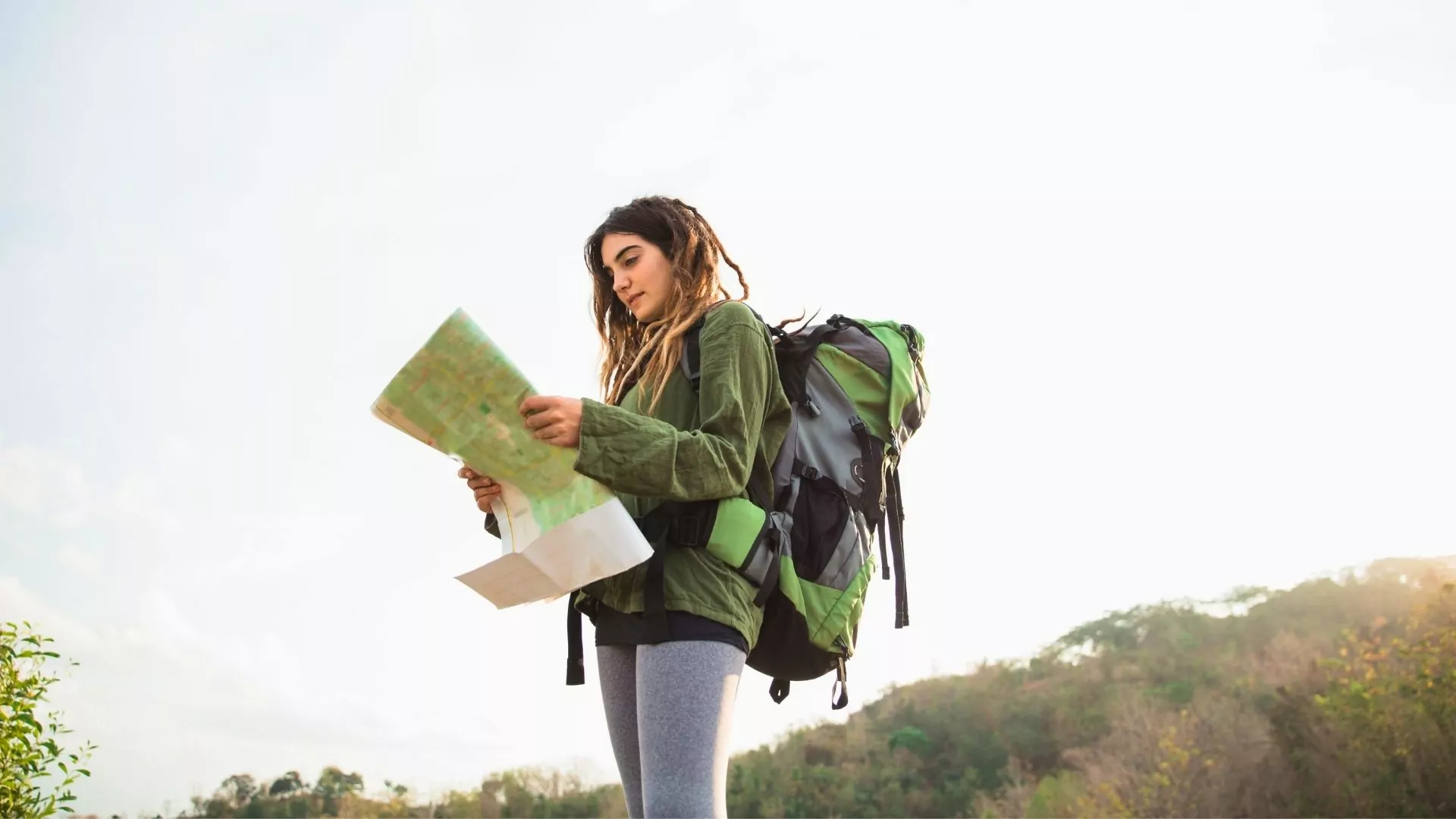
With good battery management and careful handling, phones are remarkably reliable and I’ve never had mine fail in the wild. But anything is possible, and if yours becomes cracked, drowned, or runs out of battery, a backup plan will keep you from getting lost in the wilderness. Precisely navigating complex terrain by map and compass is an advanced outdoor skill, but general utility can be found in these items for any hiker. When all else fails, perhaps the most important questions we can use these items to answer is: Which way to the nearest paved road? How far is it, and are there any obstacles in the way?
READ: navigating with a map and compass
Surviving an Unexpected Overnight Outdoors
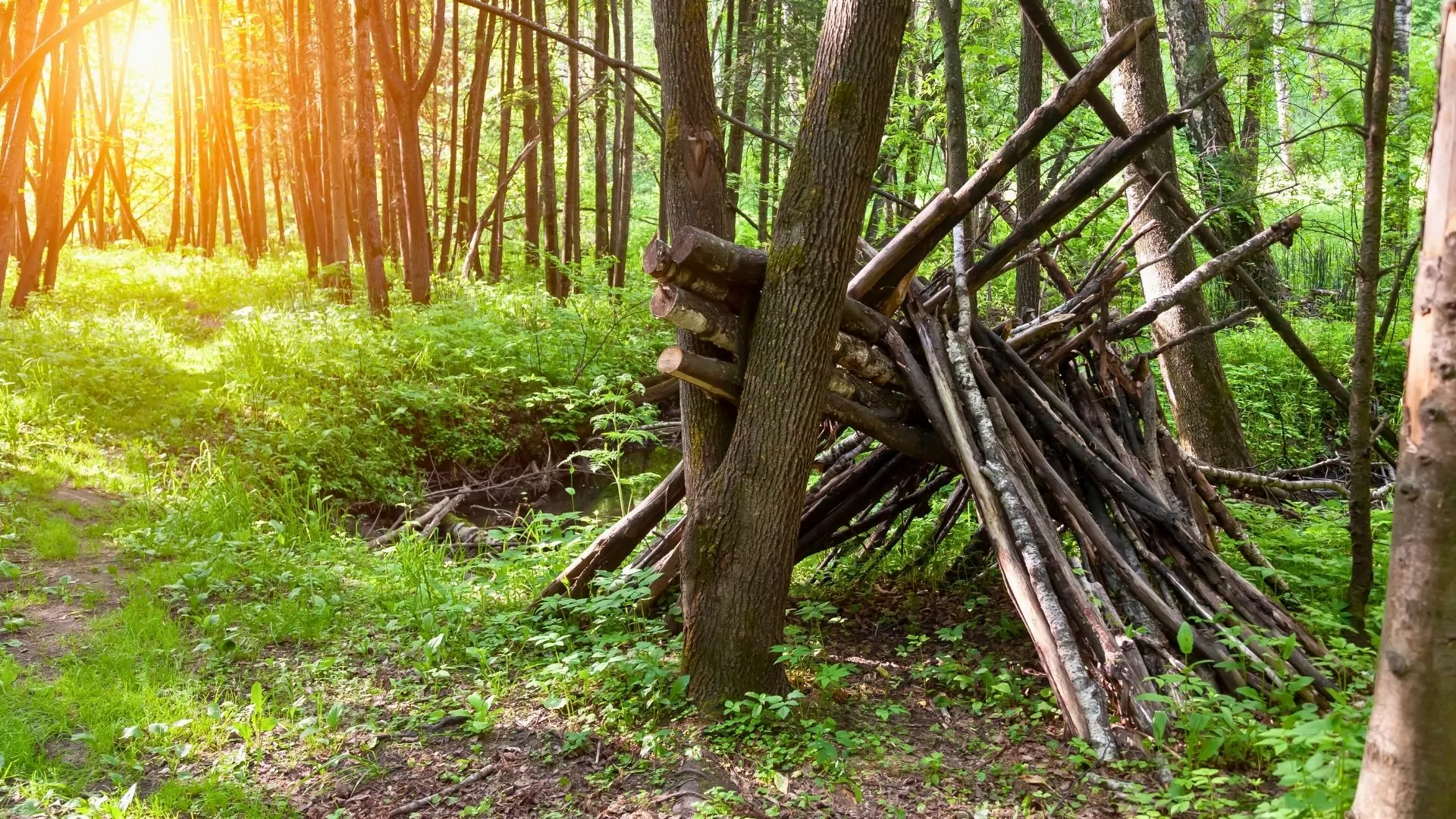
If you’ve been separated from the trail for more than about 15 minutes, think very carefully before you continue wandering around. At this point, you may actually be lost in the wilderness, and moving in the wrong direction may only make the situation worse. If you’re considering abandoning the trail and hiking directly to civilization, be realistic. Are you sure you can keep a consistent direction through potentially complex terrain? Or, maybe you know exactly where you are, but can’t move because you are injured, or it’s completely dark and your lights are dead. Common advice given to hikers in these situations from rescue professionals is simple: “stay put.” I know, easier said than done!
Spending an unplanned night outside sounds dreadful, but is sometimes the safest option. Remind yourself that food is not an imminent concern–humans can survive weeks without food, so a night without dinner and breakfast is generally fine (diabetics may be an exception). In a warm environment, dehydration can be a more pressing issue. Water is heavy enough that we’re not likely to carry extra. Even in the hottest, driest deserts, a night without water is survivable. If you can find water in your environment, it’s often best to drink it even if you don’t have a way to treat it. Waterborne illnesses are not as ubiquitous as we may think, and most take a week or more to develop. Dehydration happens faster and is more problematic.
Because nights are colder than days, warmth is our top consideration when lost in the wilderness. On a multi-day trip where you’re carrying camping gear, the choice to spend a night in an unplanned location can be easy. On a day hike, we’re usually trying to minimize carried weight so we can move fast. We probably do not have everything we need to be comfortable, but discomfort is different than danger. In temperatures above freezing, people frequently make it through a night unscathed without any equipment at all. Some basic knowledge of environmental factors helps a lot:
- Cold air settles in low places at night. Being in the bottom of a ravine, next to a creek is not ideal. If possible, moving just 50ft upslope can be 10℉ warmer, and less humid.
- Wind rapidly accelerates our rate of heat loss. Seek shelter behind trees, cliffs, or rocks.
- Being wet also makes it dramatically more difficult to stay warm. In rainy weather, it is critical to move to a place with less exposure. Being under the right tree or rock can be even better than being in a tent! If your clothes are wet, being naked can actually be warmer.
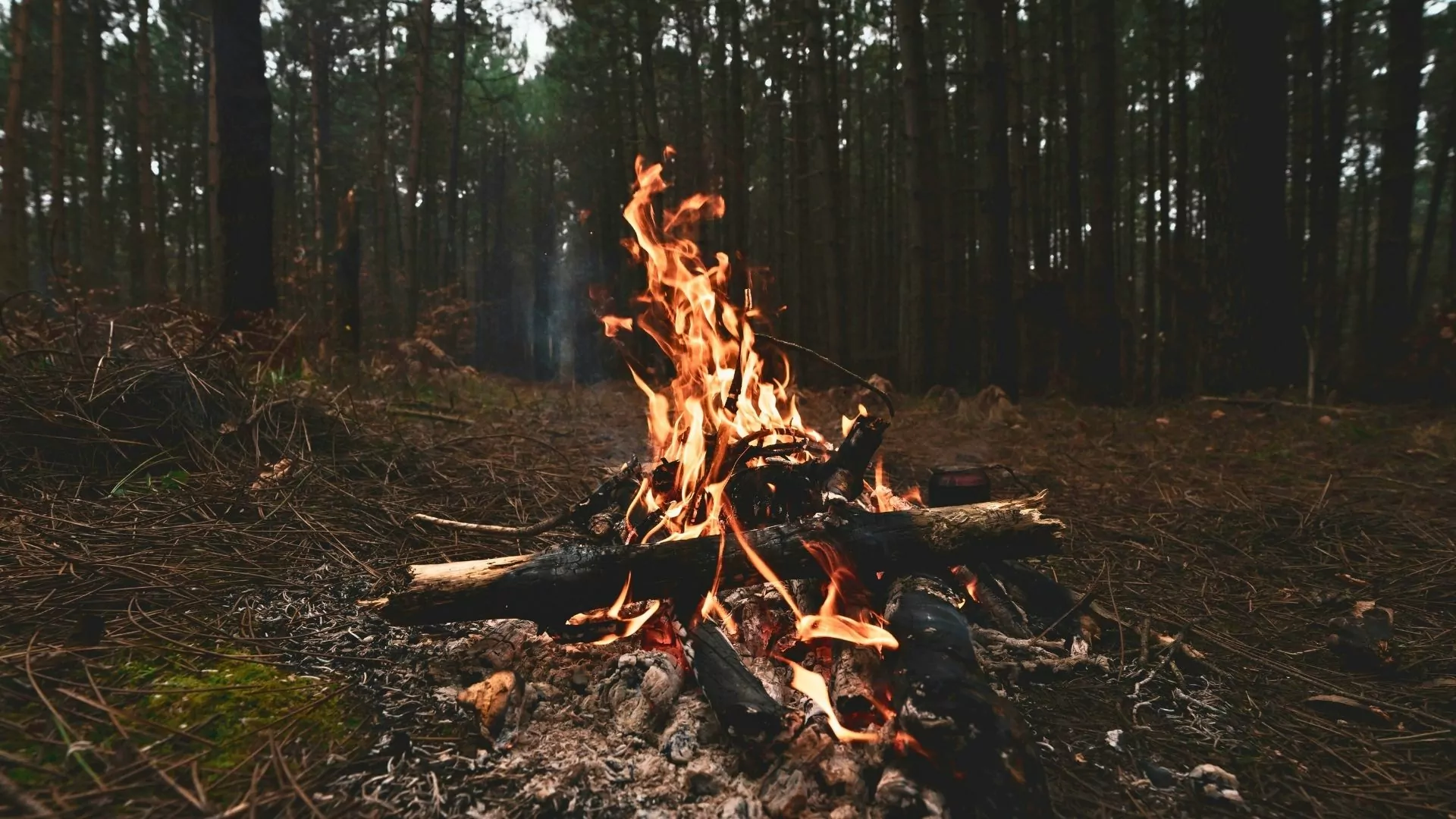
To help us cope with unfavorable conditions or locations, there are a few key safety items we can carry that punch above their weight:
- Fire starter: these are so light and compact that some survival enthusiasts recommend carrying three! I find devices that create an actual flame to be much better than just sparks. My personal favorite is a mini Bic lighter. They don’t work when wet, but on many occasions I have been able to dry a wet lighter by keeping it near my body heat for a while. Even if you are desperate, remember to keep fire safety in mind. Make sure the fire is fully out before you abandon it! Many wildfires have been started by people who thought they needed a fire for survival.
- Emergency blanket: these are made of mylar, a material which has some amazing qualities for wilderness survival. It’s very thin, light, waterproof, and reflective. It is not durable or breathable, but for a low cost it can protect you from falling rain and help conserve a remarkable amount of body heat.
- Down jacket: These aren’t good for wearing during exercise, so if you’re planning to move fast on your day hike it’s tempting to leave them behind. But down jackets are very efficient; the only thing that provides more warmth for the weight is a sleeping bag. They block wind, not rain, so be careful where you take it out!
READ: Building a first aid kit
Getting Found
If you are lost in the wilderness, sometimes help can’t come until the following day. Ultimately, you want your situation to be as temporary as possible. Make a plan to get rescued! Ideally, you made a plan with someone who cares about you before you left for your adventure, so it is only a matter of time before they notify the authorities and you are the target of a search-and-rescue operation. But, how can you help that operation, and what do you do if no help is coming?
The best modern-day solution is to carry a satellite communication device. For years, these have been available in the form of dedicated devices like inReach and Zoleo. Now, many smartphones (iPhone 14, Pixel 9, Galaxy S25, and newer phones in each series) have integrated satellite connectivity. These devices allow you to send and receive text messages without phone service, and can put you in touch directly with emergency services. This two-way communication helps first responders tremendously–not only can they see where you are, but you can tell them what you need. Then they know what resources to send instead of having to guess, which wastes time and money.
If you are lost in the wilderness with no communication device, and no one knows where you are or what your plan was, then you are in the dreaded worst-case-scenario. But don’t give up! With critical thinking, persistence, and maybe some luck, you are likely to make it out of the wild okay. Make a calm, concentrated effort to consider all the information you know and all the options you have. It’s on you to decide–do you stay put or move? How long will it be until someone realizes you’re gone, tracks your last known location, or finds your car? Which direction can you go to have the best chance of encountering other hikers?
Conclusion
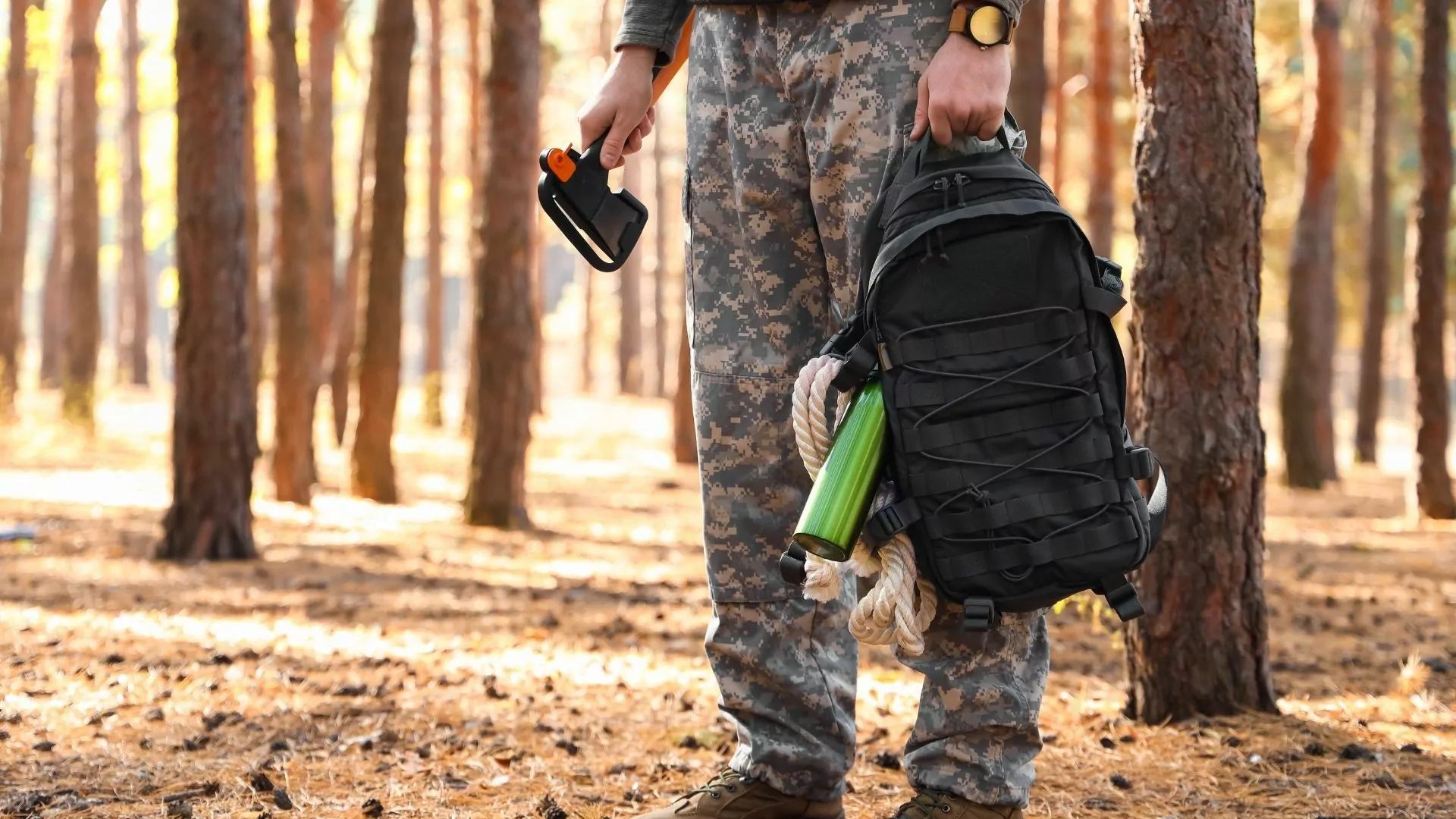 It’s natural to be afraid of getting lost in the wilderness, but it’s also something that can be fully prevented with the right mindset and preparation. By planning ahead, utilizing modern navigation tools, paying attention to trailside clues, and knowing how to manage potential setbacks, hikers can significantly reduce the risks of getting lost. It’s important to remain calm and rational in unexpected situations, whether it’s navigating in the dark or facing an unplanned night outside. Carrying essential safety items, maintaining communication with loved ones, and being prepared for the worst-case scenario will help ensure that, even if things go awry, you can make it through safely. The key is knowledge, awareness, and preparation–when combined, these elements make it possible to enjoy the wilderness confidently.