

Where to Stay When Visiting Grand Canyon National Park
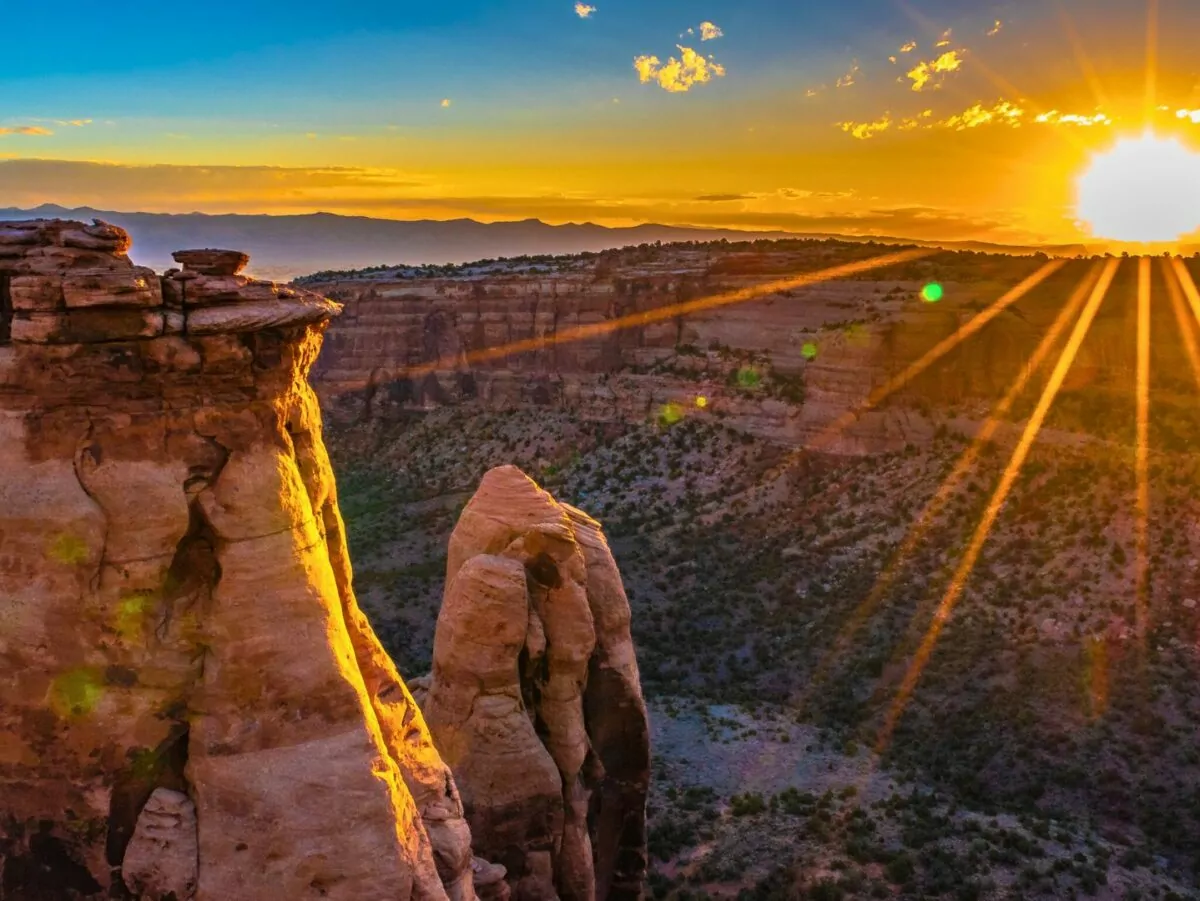
Imagine stepping out of your room to see the sun spilling over the canyon walls and a California Condor flying above the abyss or settling into a cozy lodge after a day of hiking past unforgettable places with names like Ooh Aah Point, Bright Angel, and Havasupai Gardens.
Where you stay at the Grand Canyon doesn’t just provide a bed at the end of the day—it colors your memories and connects you to the landscape in ways that a day visit to snap a picture can’t capture. I was a National Park Ranger at Grand Canyon for seven years and now guide others in the park. I spent years exploring the Grand Canyon up close, and I love helping others experience its magic. Few places inspire awe like the Grand Canyon, and staying in different locations helps you uncover its vast surprises and delights each time you visit.
John Muir wrote, “The Grand Canyon is by far the grandest of all the special temples of Nature I was ever permitted to enter.” I hope that everyone who visits finds it a welcoming space to stay, be present, and open to the depth of experience that the Canyon can offer.
Where to Stay on the South Rim
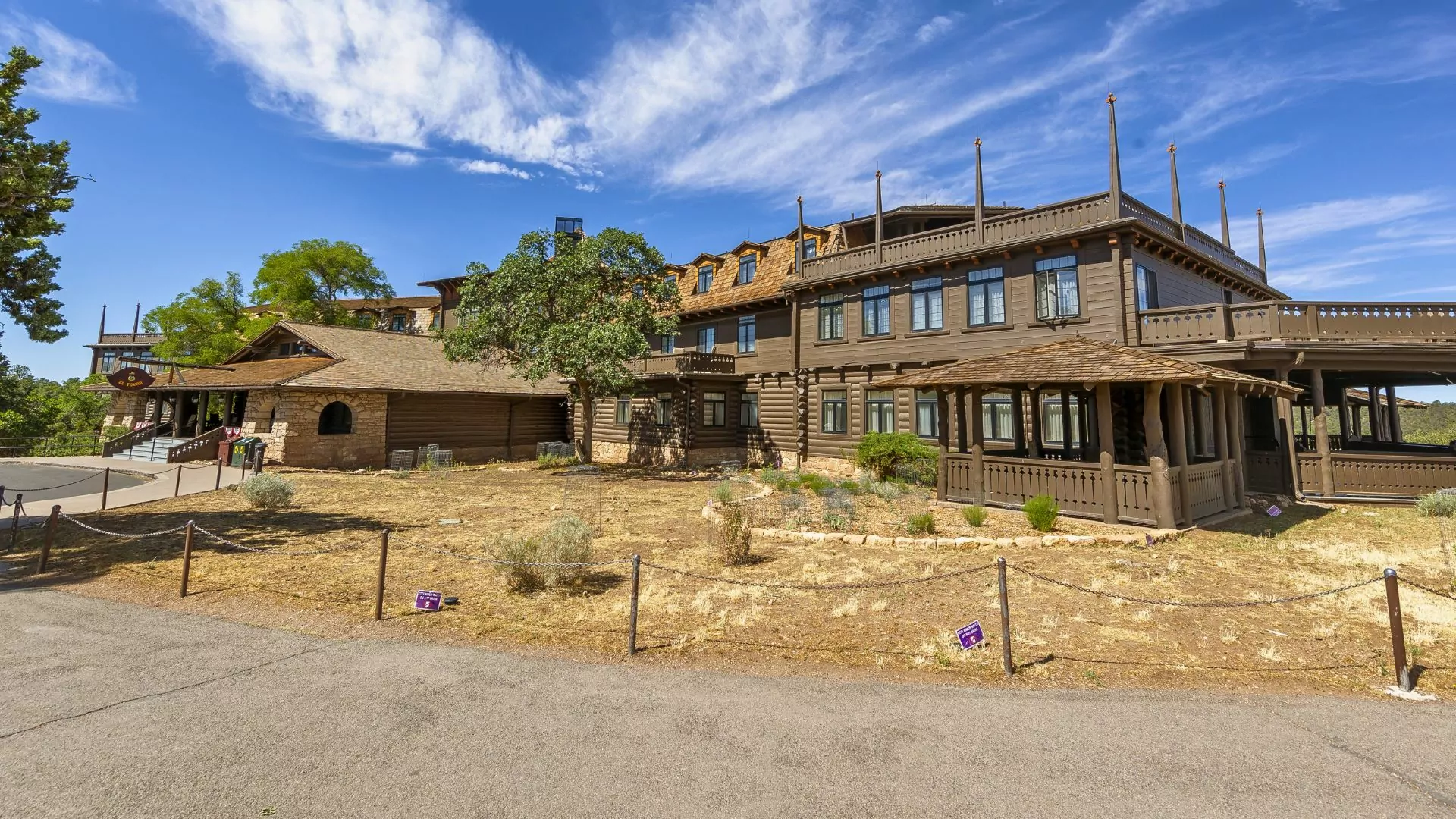
El Tovar
Where to stay in Grand Canyon National Park if you want a bucket-list experience? The El Tovar is a luxurious lodge with a cozy stone fireplace and a porch overlooking the canyon edge. Built in 1905, it is listed on the National Register of Historic Places. Its rustic elegance makes it one of the most comfortable places to stay, and you smile when you see the view and realize it truly is about “Location! Location! Location!” While staying here, you are immersed in the canyon’s beauty, with the porch facing the colorful canyon abyss.
Many guides also consider it the best dining experience in the park, making it an excellent choice for a special occasion or a memorable dinner during your visit to the Grand Canyon. People from around the world drink in the canyon’s majesty at El Tovar, enjoying a glass of wine while watching the sunset colors dance across the canyon walls. Be sure to try the blue corn pancakes at the El Tovar Dining Room—they are a must!
Kachina Lodge
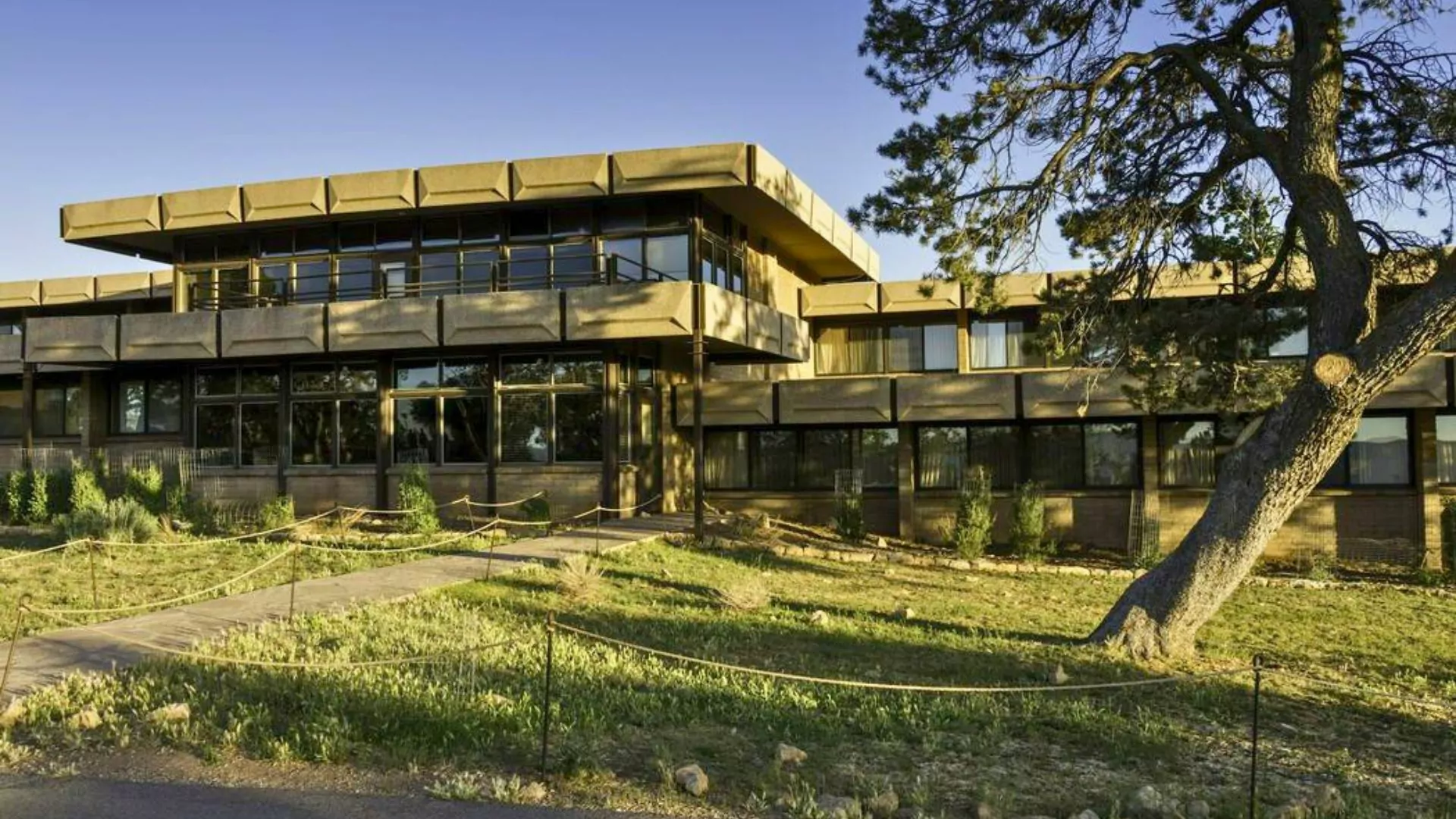
If you prefer a budget option that still lets you stay directly on the edge of the Grand Canyon, many rooms at the Kachina Lodge offer partial or full canyon views. The lodge sits in the center of Grand Canyon Village with easy access to the Rim Trail and a short walk to Hopi or Mohave Point for sunset. I love getting a room that faces the canyon, turning my lights off at night, and enjoying the moonlight, stars, or even the Milky Way over the canyon as Grand Canyon is an International Dark Sky Park.
Grand Canyon & Sedona Inn-based Tour
Bright Angel Lodge
If you love a historic stay, the Bright Angel Lodge sits on the Canyon Rim next to the famous Bright Angel Trailhead, which leads into the canyon and is where mule riders meet in the morning to make the trip down to the bottom. This lodge features tiny historic cabins.
Other South Rim Lodging
There are several other lodges in the park. The Thunderbird also sits on the rim and is central to the village and the El Tovar restaurant. It has a more contemporary hotel feel and features balconies with top-shelf canyon views. The Yavapai Lodge is not on the rim but often has more availability and is an excellent choice for longer visits, as it is centrally located by shuttles, the market, and dining options. The Maswick Lodge is a quick walk from the rim and has modern rooms and a large cafeteria with varied food options. It is also close to the park kennel if you are traveling with furry friends.
Where to Stay Outside the South Rim
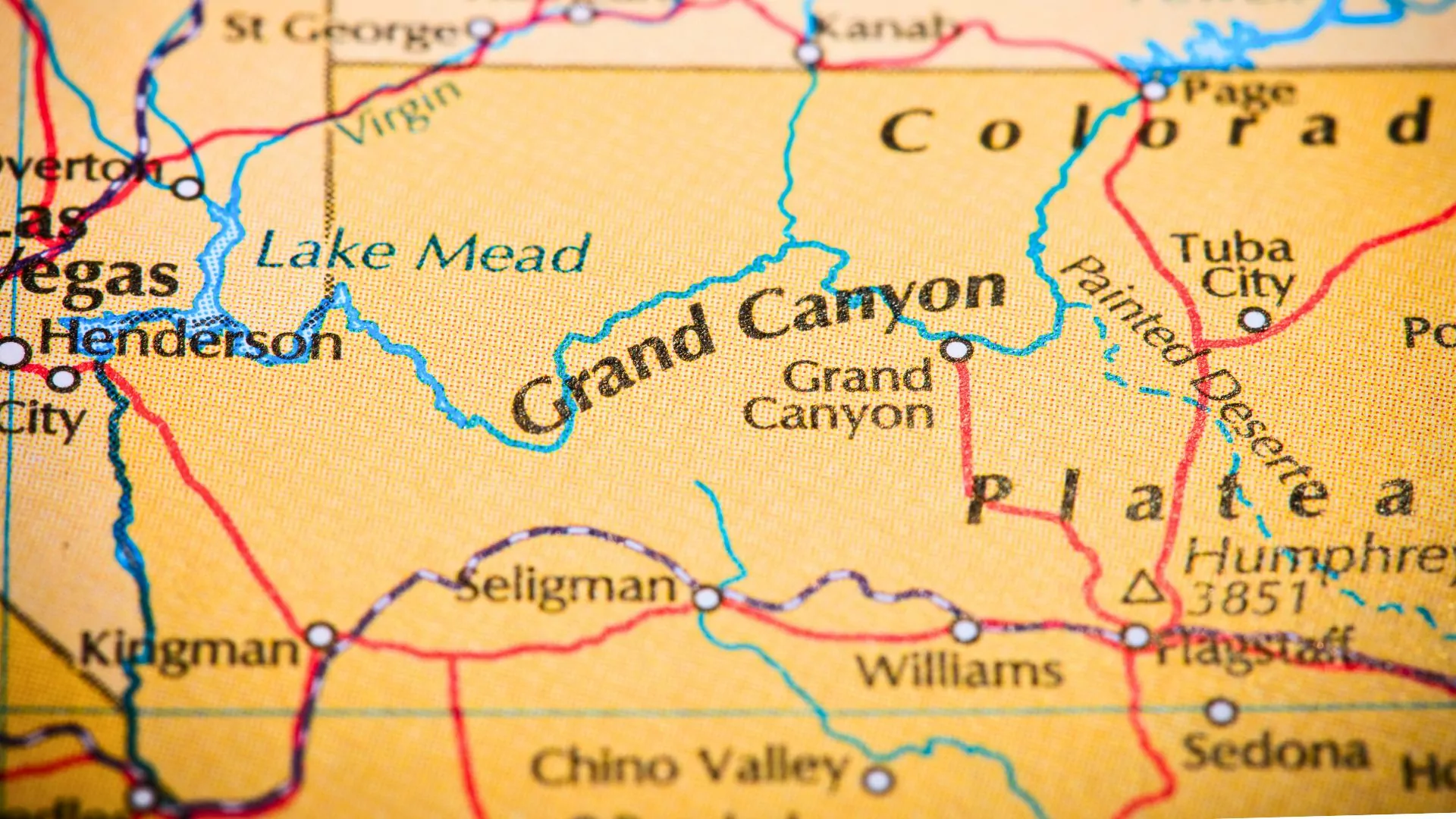
Tusayan serves as the gateway town to Grand Canyon National Park and offers the closest lodging outside the park’s borders. Accommodations in Tusayan generally have more availability than those within the park, and it is just a two-minute (1.4-mile) drive from the lodgings to the park entrance. During the summer, the Purple Shuttle bus line operates between Tusayan and the National Park. Additionally, if you enjoy mountain biking, you can access the Arizona Trail in the nearby National Forest.
Another option for visiting the Grand Canyon is to stay in Flagstaff. Though it is a 1.5-hour drive away, Flagstaff is a convenient choice for those exploring other areas of Northern Arizona or seeking centrally located lodging between the Grand Canyon and Sedona. I highly recommend a visit to Lowell Observatory and peeping through the telescope that discovered Pluto.
Williams, Arizona
Williams, Arizona, is a charming Route 66 town and a slightly cheaper alternative to most Flagstaff lodging. It is also less busy than South Rim Grand Canyon lodging during peak season. You’ll find classic diners like Red Raven Restaurant, historic motels such as the Grand Canyon Hotel, quirky Route 66 gift shops, and colorful murals—it’s like stepping back in time. Williams is about an hour and fifteen-minute drive to the South Rim or you can take the historic Grand Canyon Railway from there to the South Rim Village.
Imagine riding a train to the Grand Canyon, just like early-1900s adventurers, watching the high desert forest and stepping off the train platform for a two-minute walk to one of the seven natural wonders of the world. Hikers inside the canyon hear the train arrive every day at 11 AM from Williams, and if you are wondering where to stay, this historic ride can be a great add-on, especially if you come for the holidays. At Christmas, you can board the Grand Canyon Railway’s Polar Express in your pajamas and get treated to hot chocolate and cookies by elves before Santa comes to your car with a silver bell for everyone — just like the story. This is one of the best places to stay with kids when you are wondering where to stay with the family in Grand Canyon National Park.
Phantom Ranch
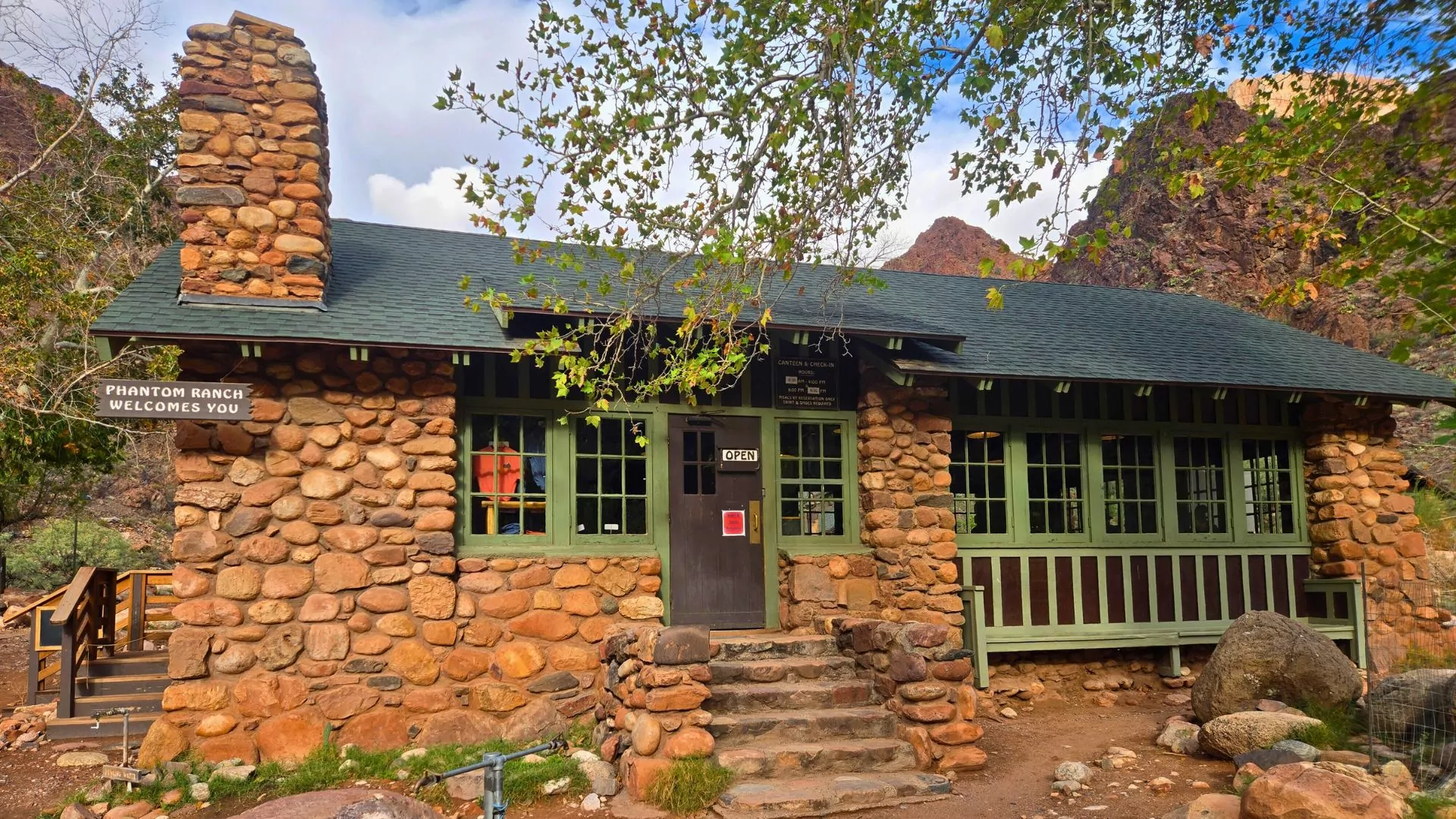
Many people visit the Grand Canyon, but fewer than 1% venture into its depths. Even fewer stay at the quaint and cozy cabins of Phantom Ranch, located at the bottom of the Grand Canyon. Every stay at Phantom Ranch is an adventure, as it requires a good deal of physical effort to get there (and even more to get back). If you’re wondering where to stay at the bottom of the Grand Canyon, it’s important to note that there are no roads leading down into the canyon within the National Park. Visitors can only reach Phantom Ranch by riding a mule, hiking, or paddling in from the Colorado River.
At Phantom Ranch, you can enjoy beautiful cabins and dine on home-cooked meals made daily from scratch by the ranchers at the Phantom Ranch Canteen. It’s a tradition to purchase postcards at the canteen, which are “mailed by mule” each morning by pack trains headed up and out of the Grand Canyon. Phantom Ranch is an excellent base for accessing the Colorado River and hiking iconic trails, from a Rim-to-Rim pilgrimage to day hikes to the stunning Ribbon Falls or Phantom Creek.
Park Rangers staff backcountry ranger stations which you can visit for the backcountry library. There, you can get the first backcountry junior ranger activity book, “Canyon Explorer,” to learn about the inner canyon’s history and earn a free glow-in-the-dark scorpion patch. Be sure to attend the popular afternoon and evening ranger programs, and in the summer, don’t miss the scorpion safaris!
Where to Stay on the North Rim
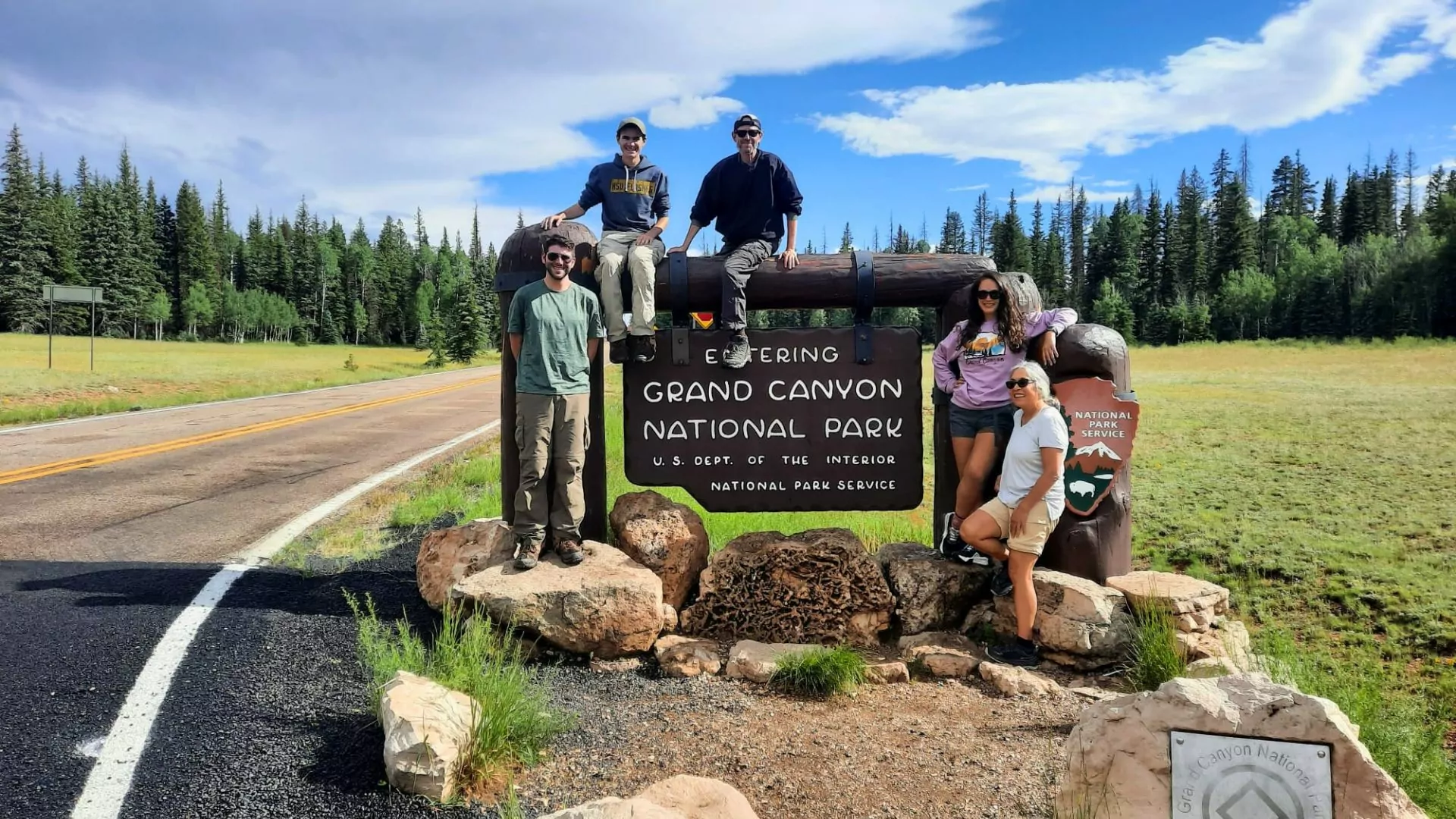
There is currently no lodging available inside the park at the North Rim of the Grand Canyon. Tragically, the North Rim Lodge burned in July of 2025 as part of the Dragon-Bravo fire. Longtime Wildland Trekking Doug Campbell led a campaign to raise $20,000 for Grand Canyon disaster relief with the company matching funds through its non-profit partner The Intrepid Foundation. Despite these and many other efforts, disaster recovery on the North Rim is still ongoing.
If you are wondering where to stay in Grand Canyon National Park while the North Rim Lodge restoration is in progress, the iconic Jacob Lake Inn is a cozy, serene option. The inn has been hosting visitors among the pine and aspen forests of the North Rim since the 1920s. The bakery is legendary, and locals, guides, and repeat canyon visitors plan side trips in their itinerary to get these delectable homemade cookies. It has an old-school Arizona lodge vibe, and many enjoy the quiet access to local trails and relaxed atmosphere. I even used to hike the inn’s famous cookies back to the South Rim at the behest of friends craving a homemade, fresh-baked chocolate peanut butter cookie!
Where to Stay Outside the North Rim
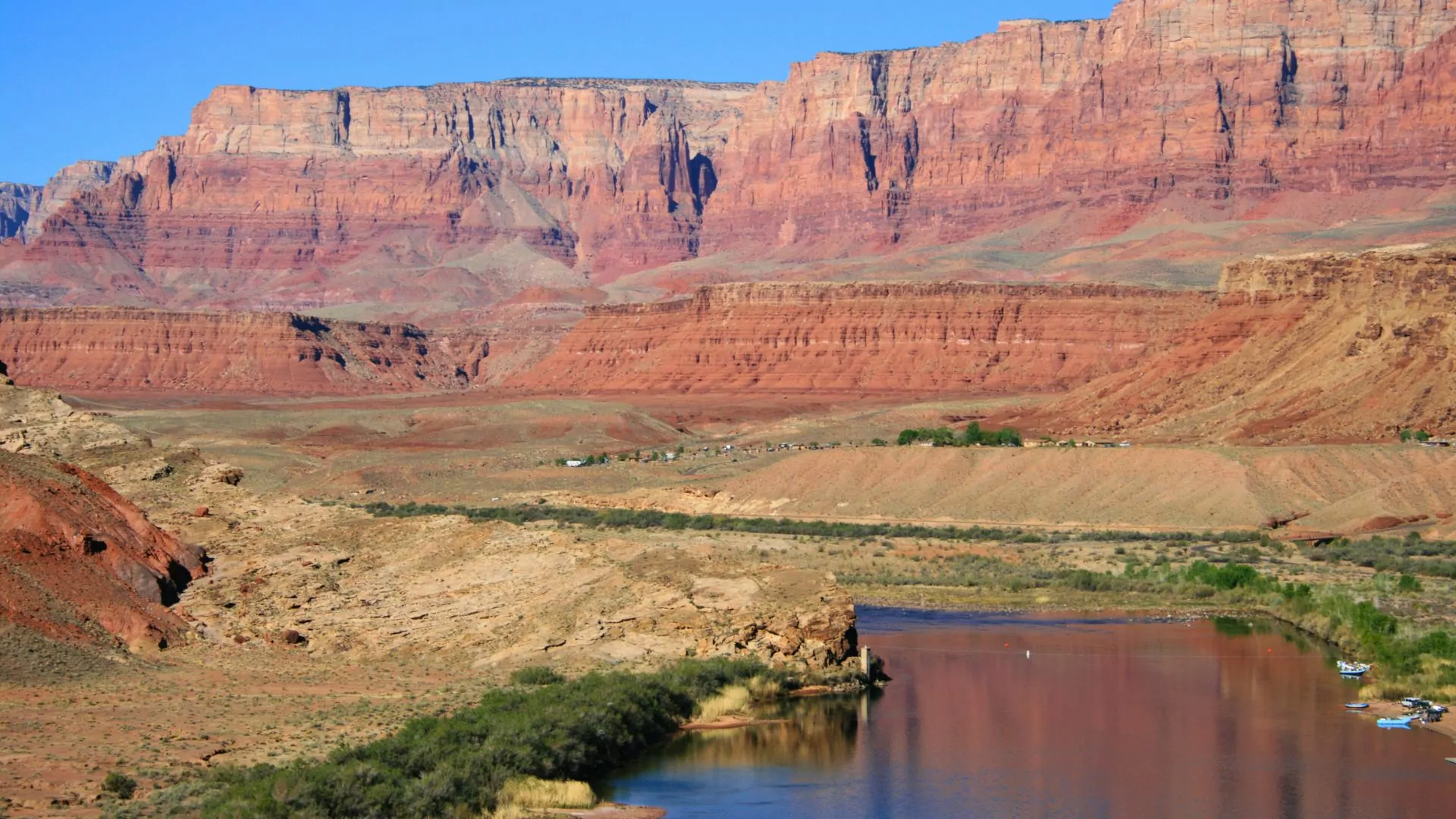
Lee’s Ferry Campground
Where to stay in Grand Canyon National Park depends on what type of adventure you are looking for. If you are tired of being landlocked and want to get in the water, then you might enjoy visiting Lee’s Ferry, where boaters put in to start their Grand Canyon white water adventures. Here you can watch boaters launch everything from L-rigs to wooden dories on the first day of their river trip.
If you want to drive and dip your toes in the Colorado River, the Lee’s Ferry Campground offers breathtaking views of the colorful cliffs and the Colorado River. As you drive into Lee’s Ferry, be sure to stop and look for endangered California Condors on Navajo Bridge as they love to sun their wings while they sit on the beams. If the boaters inspire you to treat your inner “river-rat,” then you can buy a boat ride up to the Glen Canyon Dam and rent a kayak to float the gentle first fourteen miles of the river, including paddling your vessel around the famous Horseshoe Bend.
If you’re wondering where to stay at Grand Canyon National Park, you might find yourself asking, “Where should I stay on my next visit?” Some people plan a once-in-a-lifetime trip, while others feel drawn back again and again to explore more of the Grand Canyon’s endless mysteries. Staying inside the park provides quick access to trails and a more immersive experience. Many visitors return for a river trip or to venture down to Phantom Ranch. Others fall in love with the stunning serenity of the North Rim.
I have seen myself and many others be surprised by the transformative journey the Grand Canyon offers. It is a place that draws you deeper into the unique depths of your own “hero’s journey.” As I tell my guests, “the Grand Canyon gets into your blood and changes you for the better.” As you discover where you want to ground your visit in the Grand Canyon, may the trip be as expansive for you as this powerful landscape!