

Training for New Hampshire Hiking
In my experience guiding in New Hampshire, the most consistent guest feedback is echoed in sentiments like the following phrases: “Wow, that was SO much harder than I thought it’d be!” and, “I regularly hike double digit days out West with ease – I’m shocked that a 6-mile day kicked my butt!”
New Hampshire, (along with Maine and Vermont) has a notorious reputation for stout, difficult hikes on challenging terrain. The reputation is well-deserved. Every year hundreds of hikers initiate search and rescue calls from these areas, with the majority of these calls stemming from hiker unpreparedness. Many people have also died on New Hampshire hiking trails, particularly within the Presidential Mountains.
That being said, New Hampshire boasts some of my favorite hiking trails in the country, and is more than worthy of a visit. By training for New Hampshire’s tough terrain, these amazing trails are much more enjoyable, and even more important, safe.
What Makes New Hampshire's Terrain so Challenging?
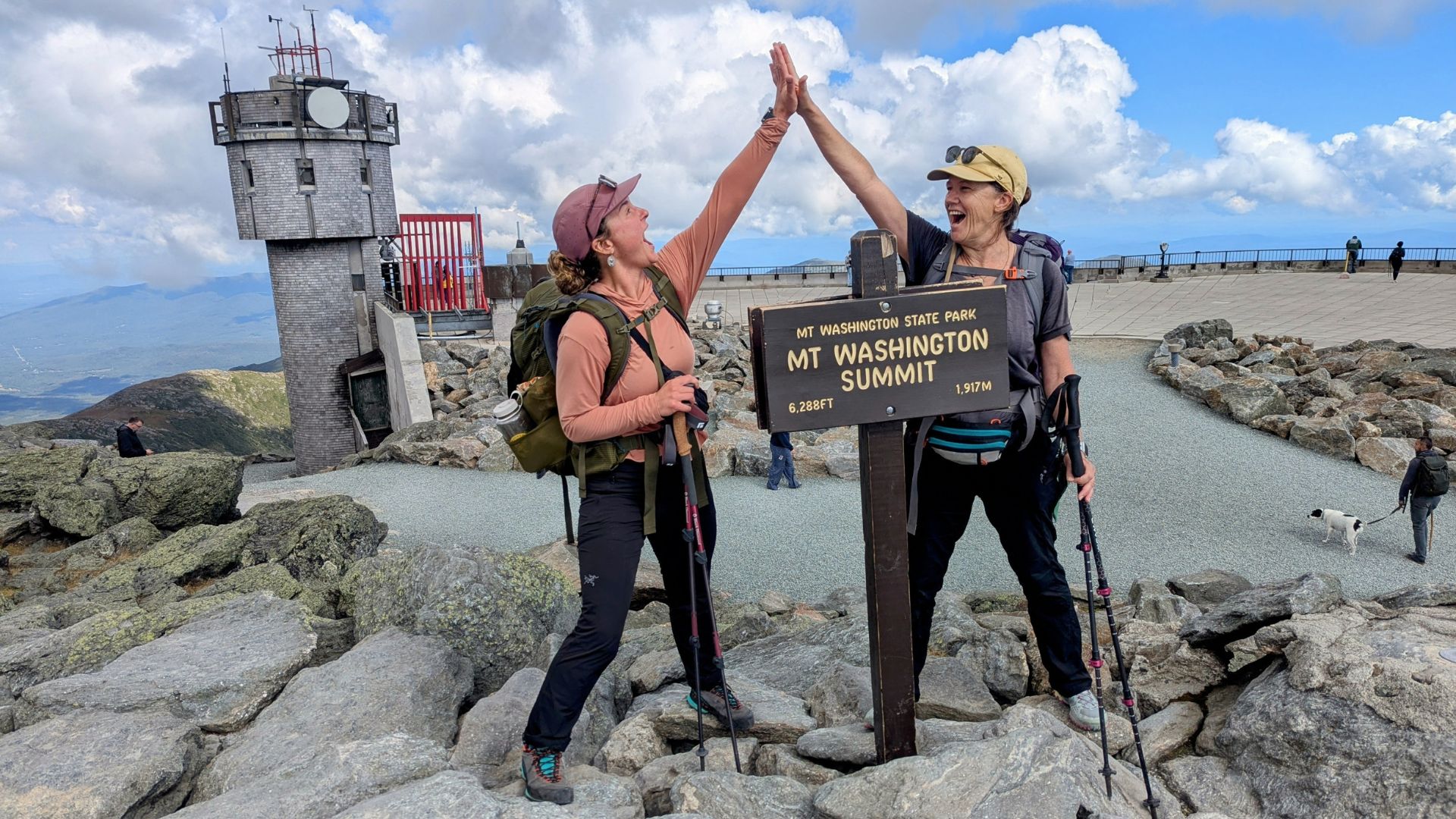
New Hampshire’s tallest peak, Mount Washington, stands at 6,288ft, and many of the state’s other prominent peaks are in the 4,000ft range. Compared to the many 14,000ft peaks in Colorado, New Hampshire’s mountains seem quite small. And while beautiful, New Hampshire’s mountains do appear quite innocuous. So why are they so difficult?
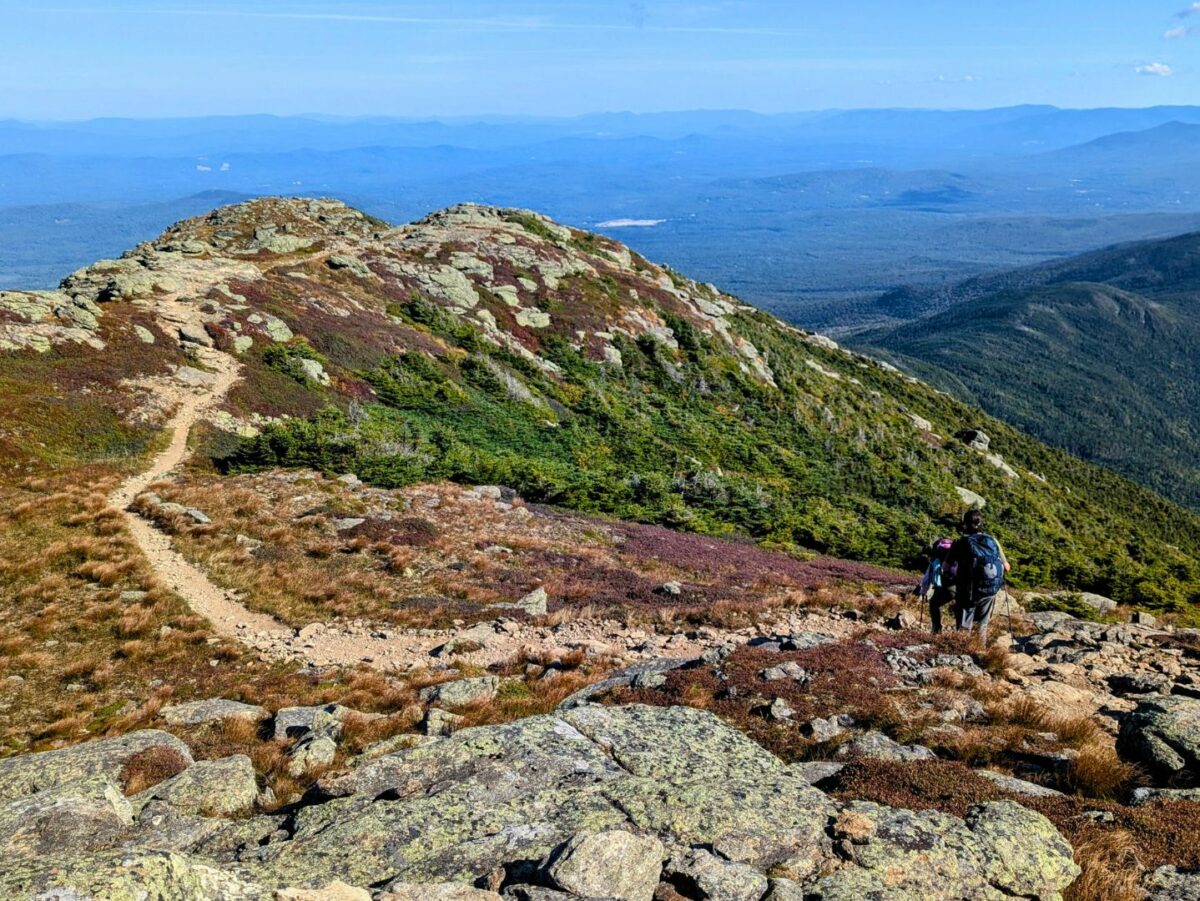
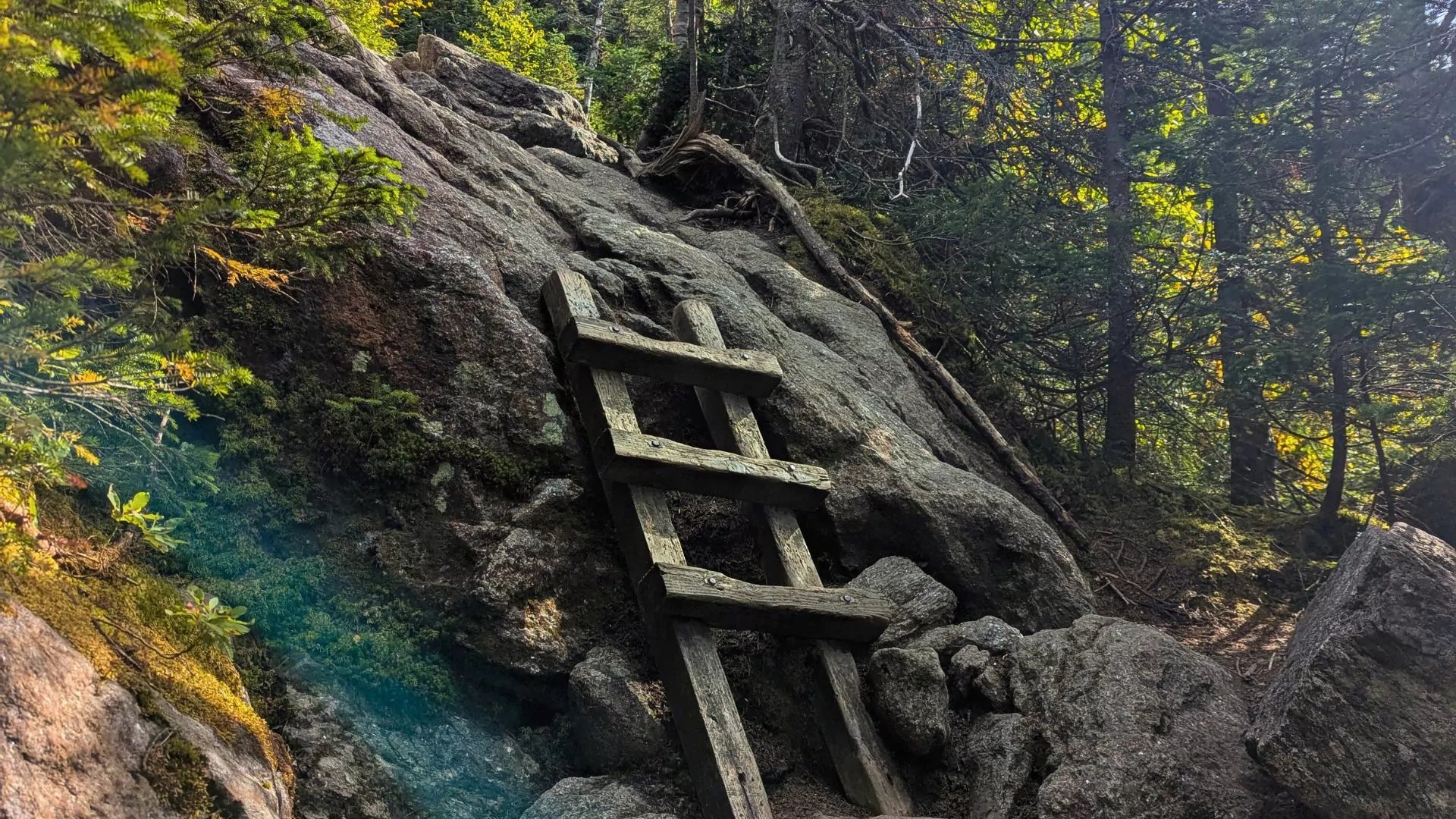
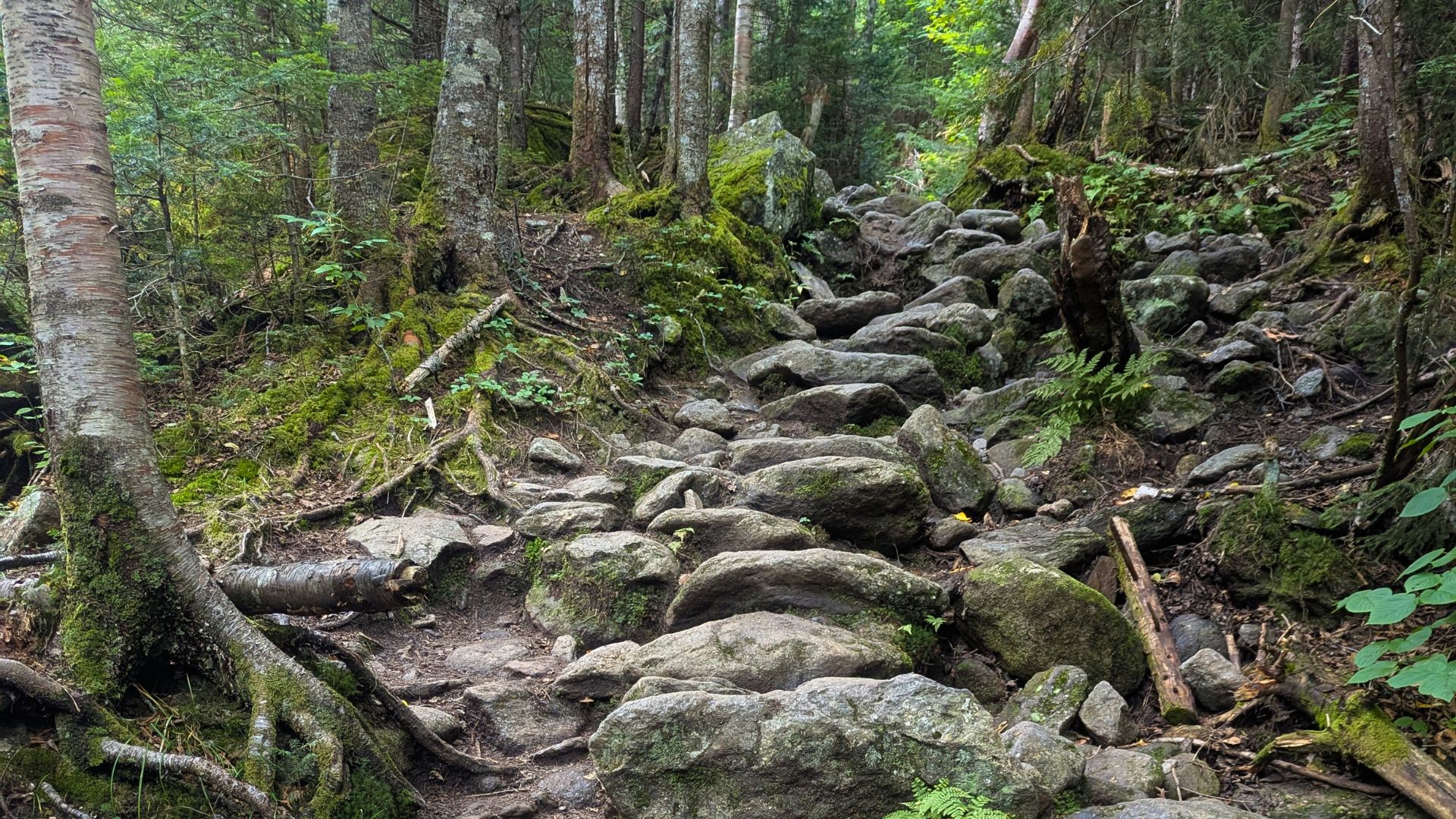
For starters, New Hampshire’s trail system is OLD. The Crawford Path, leading to the top of Mount Washington, was first established in 1819. These trails, established by early settlers, took very direct paths up the mountains. This means you won’t find the long, flat-packed dirt switchbacks common to many trails in the Western United States. Instead you can expect trails that ascend steeply, over heavily rooted and rocky terrain. While guiding, I’ve had many guests inquire nonplussed where the trail goes next, as I point to a blank granite slab or a steep, rock-strewn path.
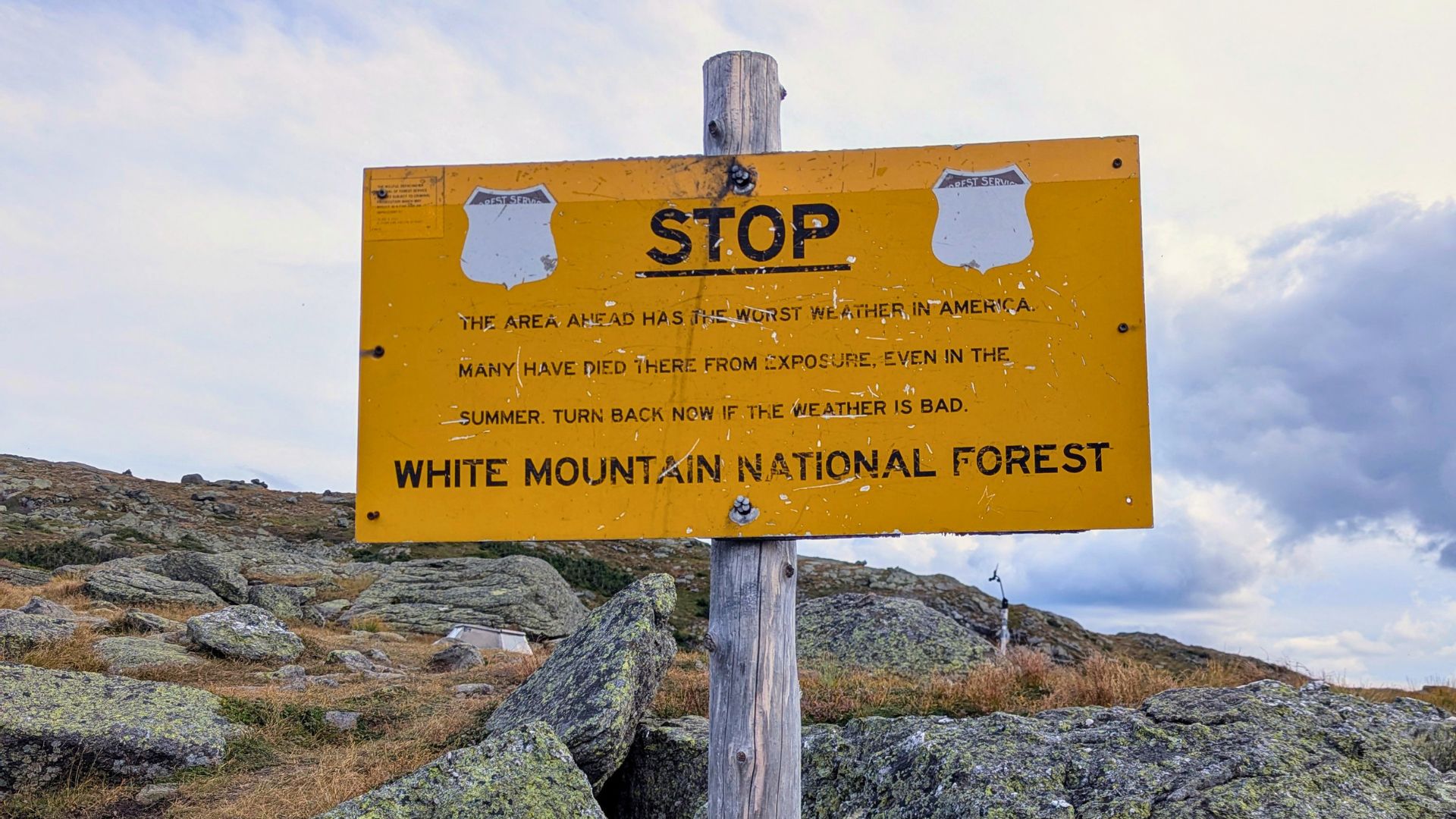
New Hampshire is known as the Granite State and many trails involve navigating granite boulders in the forest, ascending steep granite slabs coming out of tree-line, and picking your way up and down uneven granite talus on ridgelines. Trails in the dense forests are also commonly wet, which can make the innumerable tree roots and granite slabs slippery and difficult to navigate. The famously extreme weather, particularly around Mount Washington, is an added challenge. The weather can change in an instant and has been responsible for multiple fatalities over the years. For a safe and enjoyable experience, it is important to train for hiking in New Hampshire.
Training for New Hampshire's Tough Terrain
While the terrain and weather can seem intimidating (and should be respected), with the proper training and education you can have a safe and fun experience hiking New Hampshire’s amazing trails!
Physical Training
In training for New Hampshire hiking, you’ll need to be prepared for steep ascents and descents. Research your chosen trail(s) in advance, and pay attention to the elevation gain and loss. In a perfect world, for optimal training you’d hike on similar terrain. For the vast majority of people, this is not possible. Hike up and down steep terrain (if available to you). Use trekking poles to reduce joint stress. If steep, outdoor hiking is inaccessible where you live, utilize the incline on a treadmill or Stairmaster machine to simulate steep ascents. Another option is to trek up and down stairs or utilize local stadiums. Simulating descents is just as important as training for elevation gain.
It is a good idea to progressively add weight during your training sessions, even for day hikes. Training for New Hampshire’s elevation gain and loss will certainly help you – but know that due to the instability of the terrain you may incur muscle fatigue or soreness during your hike that you didn’t experience throughout your training.
Increasing your general fitness will also aid in your training for New Hampshire hiking – think cardio endurance from hiking or running and additional exercises such as squats and deadlifts. Completing core workouts is also very beneficial – when moving across unstable terrain like roots and big rocks, engaging your core helps greatly in maintaining your balance. Perform single-leg exercises (like rear-elevated split squats) to prepare your ankles for the uneven, rocky, and root-covered trails.
Mental Preparation
Perhaps just as important as physical training is mental training for New Hampshire’s tough terrain. Even if you are an avid, experienced hiker, New Hampshire’s topography is likely to slow you down. It’s far too common for people to underestimate New Hampshire hiking trails because many of them are lower mileage (under 10 miles round-trip).
Terrain matters more than mileage! It is objectively easier to knock out a 12-mile hike that ascends steeply on a flat-packed, switch backing dirt trail, than it is to complete a 6-mile hike with the same elevation gain over heavily rooted and rocky terrain. Knowing what to expect and having mental resilience will make your hiking experience more enjoyable.
For most, New Hampshire’s terrain is impossible to replicate. Plan to complete the hike in twice the amount of time you’d expect (if you happen to go faster, then hey, that’s an added bonus). Be prepared for long, strenuous days, and plan for very early starts to give yourself plenty of time. Try not to check your watch or fitness tracker obsessively – I’ve had many guests certain we’d completed a mile and it had only been a quarter mile.
On almost every hike I’ve done in New Hampshire (both personally and professionally), I’ve had at least one person inquire as to how much mileage was remaining. Take your time on the sections that are difficult for you. There’s no shame in butt-scooting down a wet granite slab! Do what you need to do to get down safely.
Go into your hike expecting to be challenged. Allow yourself extra time. Do not underestimate the low mileage. Remember to keep breathing and enjoy the experience and the views. By engaging in mental training for New Hampshire’s hiking, you’re much more likely to have a positive experience!
Planning and Preparation
Another key part in training for New Hampshire hiking is safety preparation. For the past several years over 60% of incoming search and rescue calls to New Hampshire Fish and Game have been hiker-related, and the vast majority of these calls are incidents that resulted from ill-prepared hikers. Common reasons for rescues include lower extremity injuries, becoming lost, and lack of proper equipment. In 2024 alone, there were at least 100 hiking search and rescue stories reported in New Hampshire through official press releases.
Having sturdy footwear is non-negotiable. Know the list of 10 essentials and have them on you, even for a shorter day hike. In addition to a physical map, it’s smart to have one downloaded via a navigation app such as Alltrails or Gaia.
Check the weather forecast in advance. Mountain-forecast.com is a good resource that details the weather at various elevations for the higher peaks. You can also text “forecast” to 603-356-2137 for current weather conditions on the higher summits (provided by the Mount Washington Weather Observatory). Respect the weather and have an exit strategy in mind. Be prepared with multiple layers, no matter the season.
You may consider purchasing a Hike Safe card from New Hampshire Fish and Game. The card is $25, and covers the calendar year from the date of purchase, expiring on December 31st. If you carry a New Hampshire Hike Safe card, in most instances you are not liable to repay rescue costs if you require emergency rescue services.
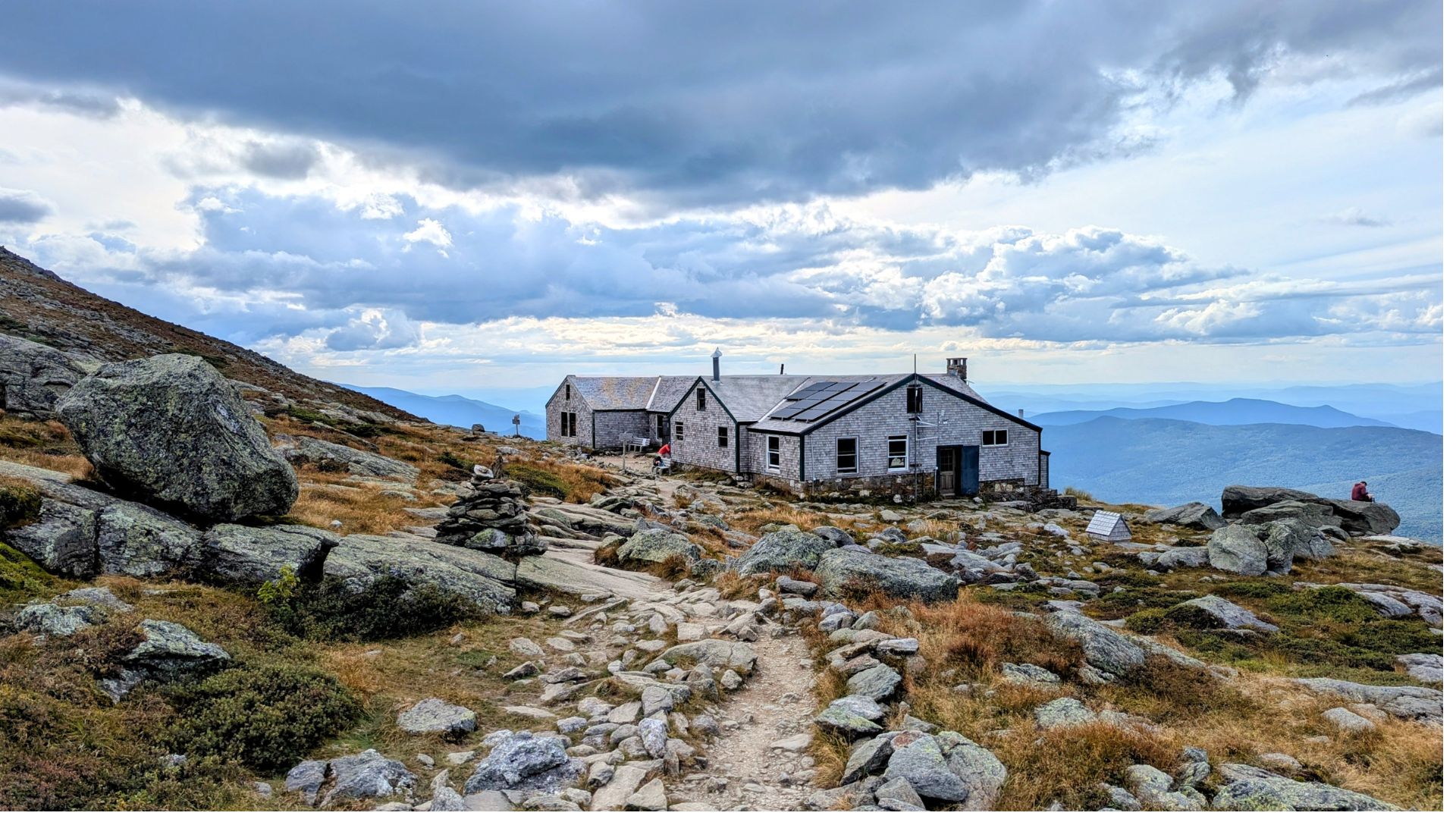
Hiking in New Hampshire is second to none. The terrain is challenging, but incredibly gratifying. By training for New Hampshire’s tough terrain, you are more likely to have a safe and enjoyable experience. Some of my most memorable and rewarding hiking trips have been in New Hampshire’s White Mountains. Train, be prepared, be safe, and have fun!