

Planning a Thru Hike in the Age of Extreme Weather
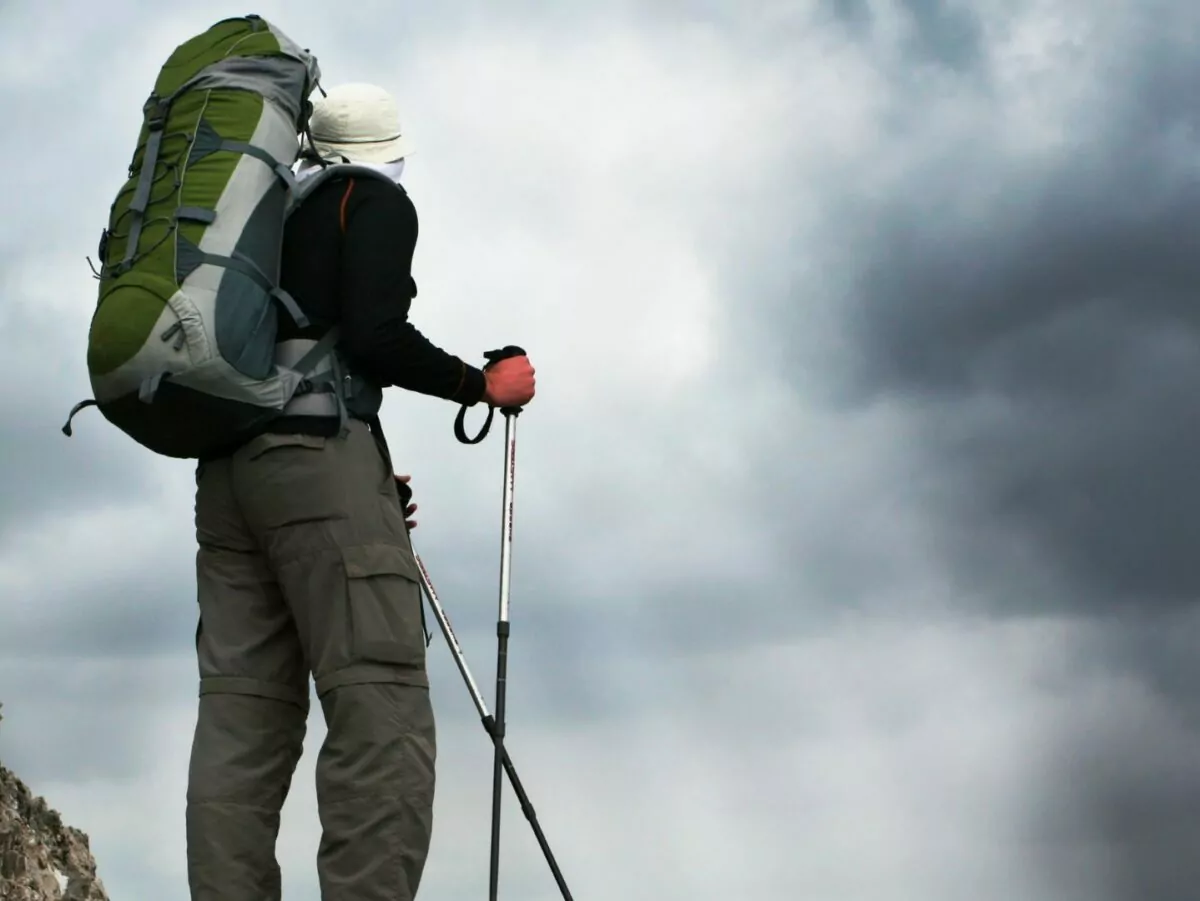
To label weather as bad or good requires a preconceived idea of what those labels mean. Weather itself simply is what it is. The judgment of good or bad happens in our minds. There are certainly conditions that make certain activities easier or harder, but adapting to the places we wish to be in is often a better way to move through them. Extreme weather forecasts might mean taking the valley instead of the ridge, carrying a heavier pack with more layers, starting at night, or practicing patience while a planned activity is put on pause.
Extreme weather often gets framed as a problem to solve, an inconvenience layered on top of an otherwise good trip. I’ve thought that way myself, especially early on, when success felt tied to clean plans and predictable outcomes. That framing makes sense at first. Extreme weather can be uncomfortable, dangerous, or slow. Nobody wants to be hypothermic, heat sick, or driven mad by wind. Planning for and accepting those possibilities is responsible and necessary.
Over time, though, I’ve realized that treating weather purely as an obstacle distorts the experience. It puts the environment in opposition to us, as if the hike would be perfect if the weather would just cooperate. What I’ve come to see instead is that uncertainty is not a flaw in hiking, it is one of its highlights. If conditions were guaranteed to be perfect, hiking would lose much of what makes it meaningful. There would be less need for judgment, fewer decisions that truly matter, and less reason to pay close attention.
When I plan trips now, I still check forecasts and think about seasons, exposure, and evacuation routes. I expect my plan to work, but I am quick to adapt it when conditions change or when my personal risk threshold is met. With this mindset, extreme weather becomes something I plan with rather than something I plan around. Seeing weather as part of the experience shifts the goal away from the idea I held in my mind and toward the reality forming in front of me. Instead of asking if conditions are ideal, I ask if I am prepared to make decisions and adapt to what is actually happening.
Read: How to plan a backpacking Route
Weather Shapes Places
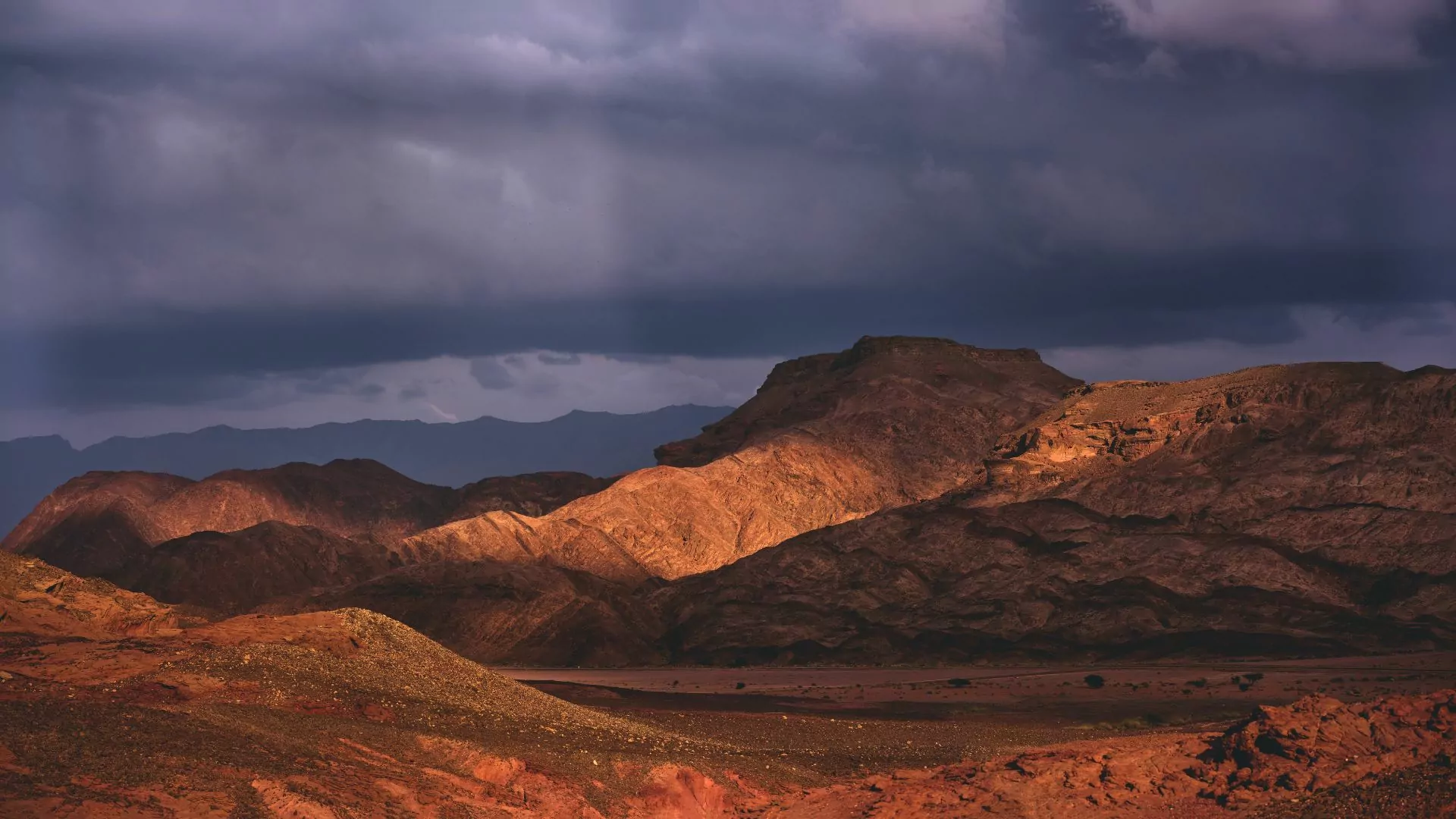
One reason I no longer view weather as an obstacle is that this mindset ignores a simple fact. The places we love to hike exist, at least in part, because of weather, not despite it. Change the weather, or smooth it into something gentle and predictable, and the landscape changes entirely. In many cases, it disappears.
Deserts are not empty accidents. They are shaped by long-term heat, lack of rain, and large temperature swings. Alpine terrain exists because of snowpack, freeze thaw cycles, and storms that slowly grind rock down over time. Forests grow where rainfall, temperature, and seasonal patterns allow them to. Rivers run where snow melts and storms refill them. Even trail conditions, the dust that never comes out of your socks, the mud that tries to steal your shoes, the blowdowns that tear at your clothes, are all products of weather doing its work year after year.
When I started paying attention to this, it changed how I experienced being outside. Instead of seeing weather as something happening to me, I began seeing it as something actively shaping the place I was moving through. A windy ridge was not just uncomfortable, it explained why trees stopped growing there. A dry stretch of trail was not just annoying, it told a story about water, soil, and the wildlife that lives there.
This does not mean pretending that extreme weather is always pleasant or romantic. It can be miserable. It can be frightening. It can push conditions into dangerous territory. But understanding weather as part of the character of a place, rather than an unfortunate interruption, creates a different kind of respect. When I hike now, I remind myself that I am not visiting a static backdrop. I am moving through a living system that is always changing, and I get to be part of it. The weather is not interrupting that system, it is the system.
Read: Lightening Safety facts and fiction
Uncertainty, Planning, and Control
I still plan my trips carefully. I study maps and elevation profiles, think about water and exposure, and identify bail out options. I check the weather more than once and carry a device that allows me to receive weather updates on trail. Planning gives knowledge, and knowledge allows deeper engagement with the environment. Pretending that attitude alone can overcome all weather is foolish. Humans require a narrow range of conditions to survive.
Somewhere along the way, though, planning in hiking culture picked up an extra job it was never meant to have. Instead of preparing us to make good decisions, it started promising control. A lot of planning now is about trying to lock the future in place, which simply is not possible. It is common to see itineraries planned nearly down to the hour even on multi week trips. While having targets can be helpful, this level of planning does not eliminate uncertainty. When plans unravel, it can feel like failure rather than an essential part of the experience.
No amount of planning removes uncertainty. Weather shifts. Water sources dry up or appear unexpectedly. Trails change, burn, or disappear under snow. Bodies feel different from one day to the next. Planning as if none of this will happen creates brittle trips unable to withstand the winds of changes.
I have learned to plan differently. Instead of asking how to make a plan that will not change, I ask how to make a plan that can absorb change. Extra time, alternate routes, and additional food, water, or clothing create flexibility. Being honest with myself about what I will do if conditions worsen matters more than sticking to a script. When planning shifts from control to flexibility, it becomes about judgment rather than execution.
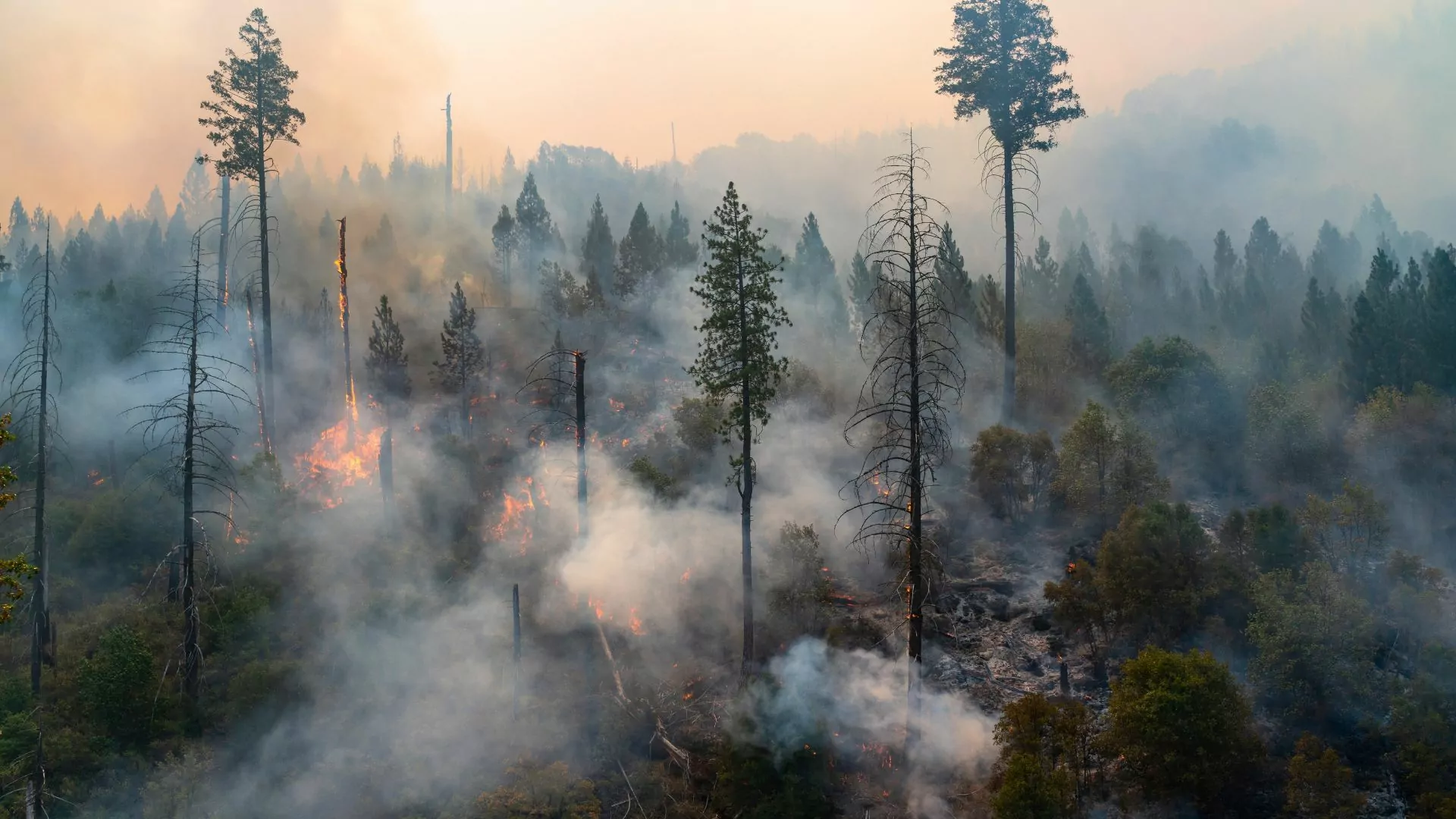
Read: Wildfire Safety for hikers
Exercising Judgement
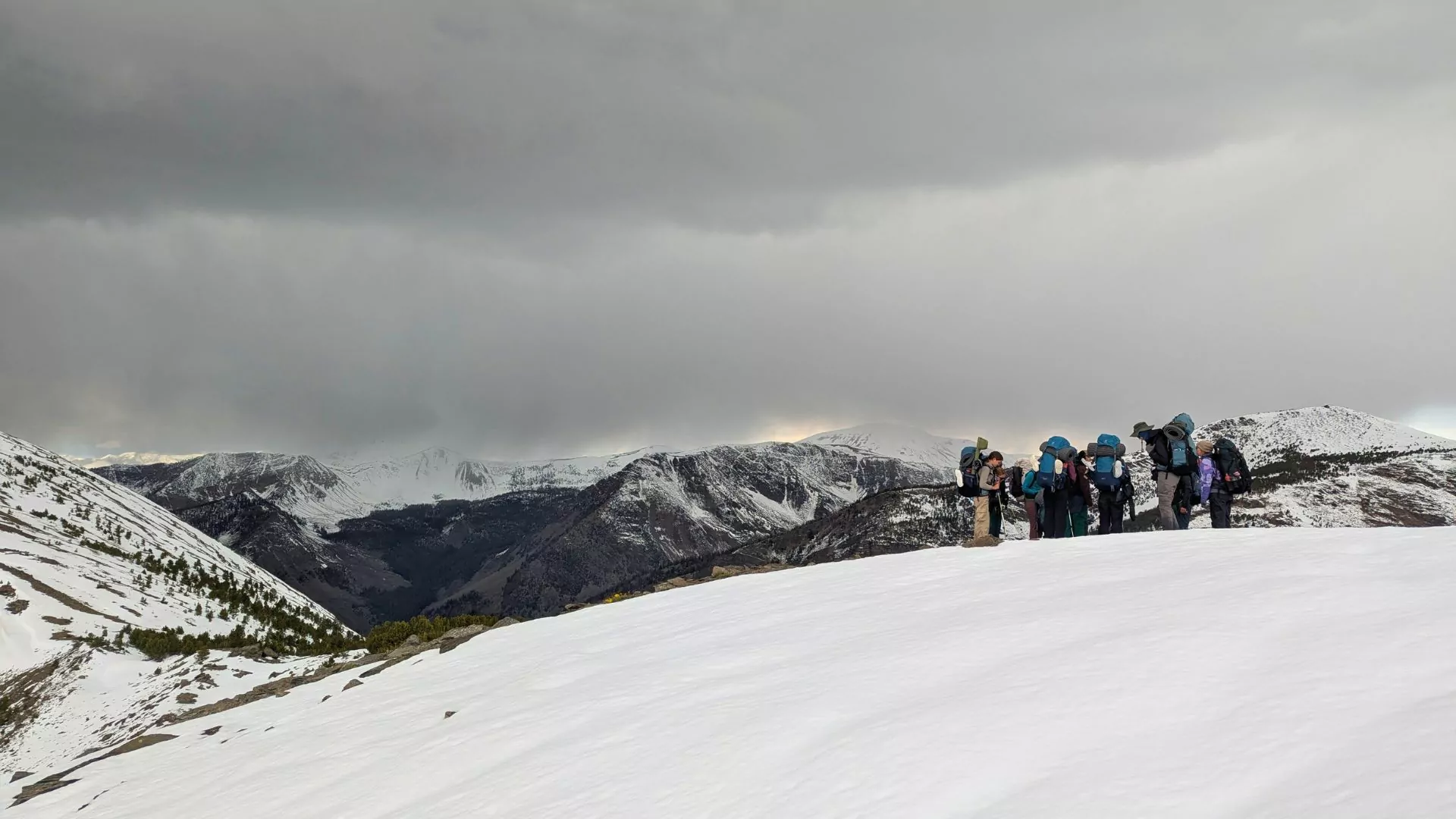
Extreme weather takes many forms, but the common thread is that it pulls judgment into the present moment. Heat, cold, wind, and storms do not just test fitness. They test attention and decision making, especially over long periods of time.
Heat is often the first teacher. In hot, exposed environments, strength matters far less than timing. The desert does not change simply because the terrain is flat or the plan is ambitious. Shade is limited, water sources can be unreliable, and sun exposure is unavoidable. Heat illness rarely arrives clearly. It builds slowly and often appears only after judgment has already begun to slip, usually because plans are being forced rather than adjusted.
I have learned that heat cannot be solved with gear alone. Carrying more water helps, but it is not enough. Hydration, electrolytes, food, pacing, and pack weight all interact. More water means a heavier pack. A heavier pack increases effort. Increased effort raises the risk of heat stress, which increases water loss. It is a fragile loop. What heat really demands is a willingness to move differently. Early starts, long midday breaks, and hiking at night are not preferences. But sometimes they are responses.
Cold teaches the same lesson in a different language. As temperatures drop, margins shrink. Wet layers become dangerous. Wind amplifies the sensation of cold. Navigation requires more attention when snow covers the trail. Small mistakes like forgetting to eat add up quickly. Cold does not care about town plans. Awareness is what allows continued movement in these conditions.
Wind often gets overlooked, but it is one of the most draining forces out there. Sustained wind increases caloric demand, knocks down shelters, and makes simple tasks difficult. It wears on morale and can cause nausea. After hours of it, judgment becomes fuzzy even if nothing feels immediately wrong. Across all of these conditions, the lesson is the same. Judgment matters more than toughness.
Read: essential Wilderness medicine skills
Risk as Part of the Experience
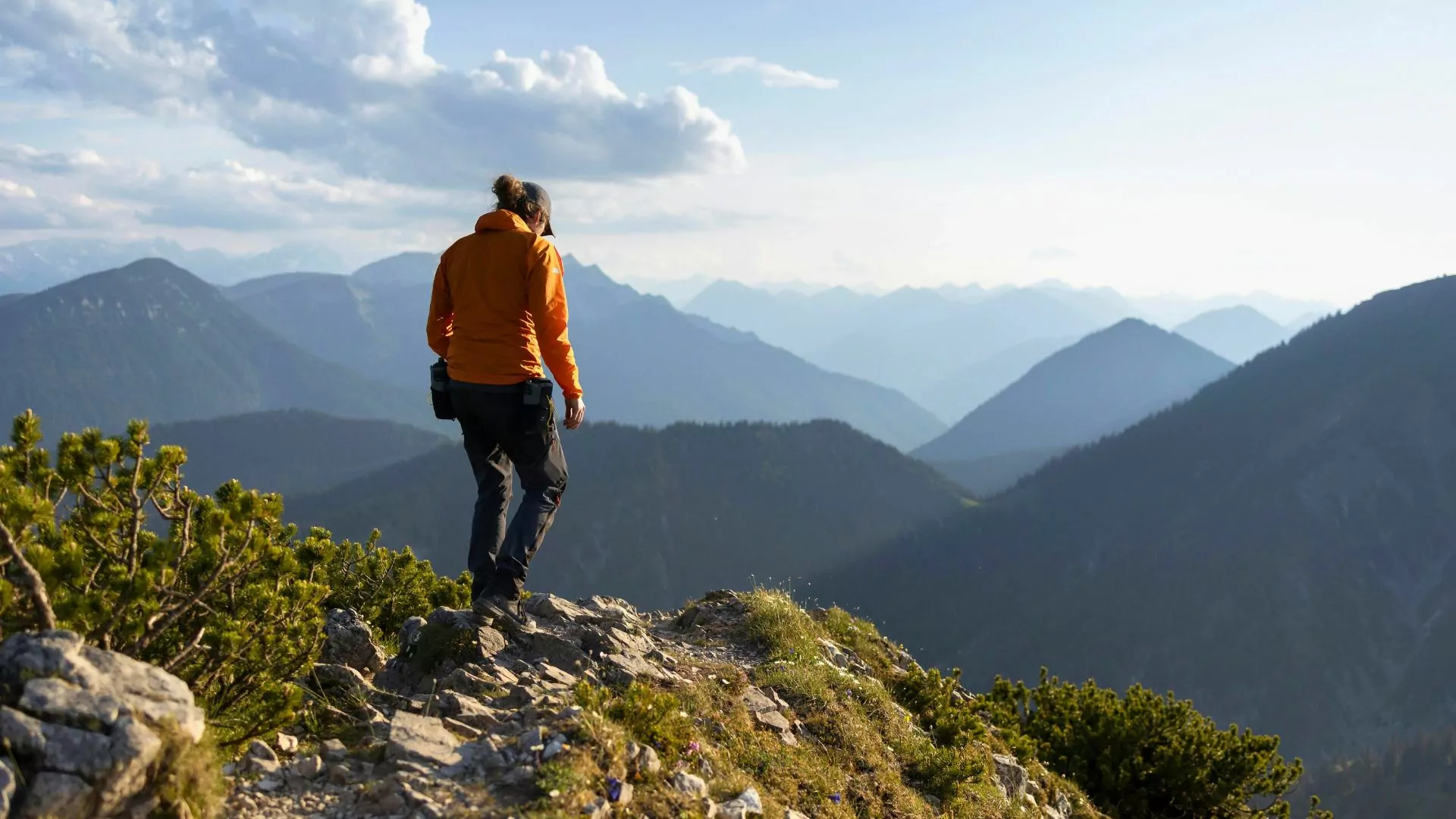
Spending time outside in extreme weather has reshaped how I think about risk. From inside four walls, it is easy to define what risks seem acceptable or unacceptable. Outside, those distinctions are rarely clear. Risk is not something you opt into or avoid entirely. It is part of the experience, and it is often unclear what the right choice was even when the outcome turns out fine.
Hiking would lose much of its meaning if risk disappeared. Without uncertainty, there would be fewer decisions that matter. There would be no need to read the sky, feel the wind shift, or notice how the body is responding. The possibility that things could go wrong is part of what makes good judgment feel earned. In that sense, risk is instructive. It turns walking through nature into something more than movement. If movement were the only goal, a treadmill would suffice.
That does not mean risk should be treated like a dare. There is a difference between engaging with uncertainty and ignoring warning signs. That line often gets blurred in narratives that glorify suffering or frame pushing through bad conditions as proof of character. Suffering caused by poor decisions is not noble. It is avoidable.
For me, the distinction lies in where the risk comes from. Risk that arises from attention and responsiveness feels honest. Risk that comes from ego or attachment to a plan feels hollow. Hiking with extreme weather in mind means accepting risk while taking responsibility for how I engage with it.
Changing Plans
One lesson extreme weather teaches clearly is that changing the plan is not a failure. Turning around, taking a lower route, stopping early, or resting unexpectedly can feel like something went wrong. I have felt that pressure myself, even when no one else was watching.
Weather does not care about plans. It does not care what day it is, how far you hoped to go, or how much effort you have already invested. When conditions shift, the question is not how to preserve the plan but how to preserve the intention. Sometimes that means moving forward carefully. Other times it means waiting, resting, or leaving to return another time.
The ability to wait out weather is one of the most useful skills we have. A day spent drying gear, resting, or sleeping more can reset perspective in ways that pushing never will. Sometimes it becomes exactly what the trip needed.
Retreat carries extra weight. It is often framed as quitting, especially in narratives focused on endurance and completion. But retreat is frequently a sign that judgment is working. Dropping elevation in a storm, bailing from a ridge in high winds, or calling a day early in extreme heat preserves the ability to keep hiking and prevents small problems from becoming large ones.
A good day is not always measured in miles or summits. Sometimes it is measured in awareness and adaptability. A plan is a starting point, not a promise.
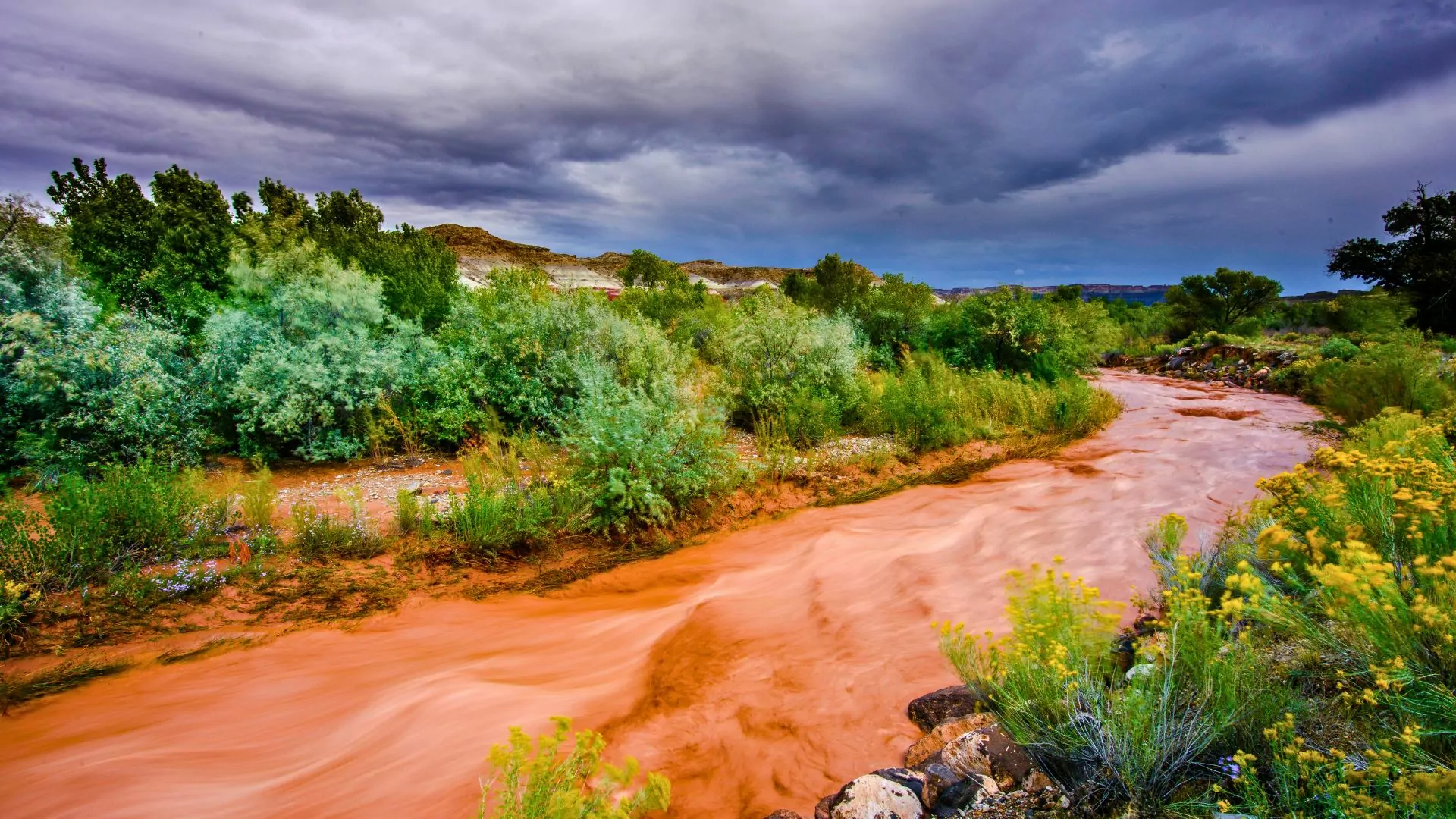
Read: Flash Flood Danger in the desert
AZT as an Example
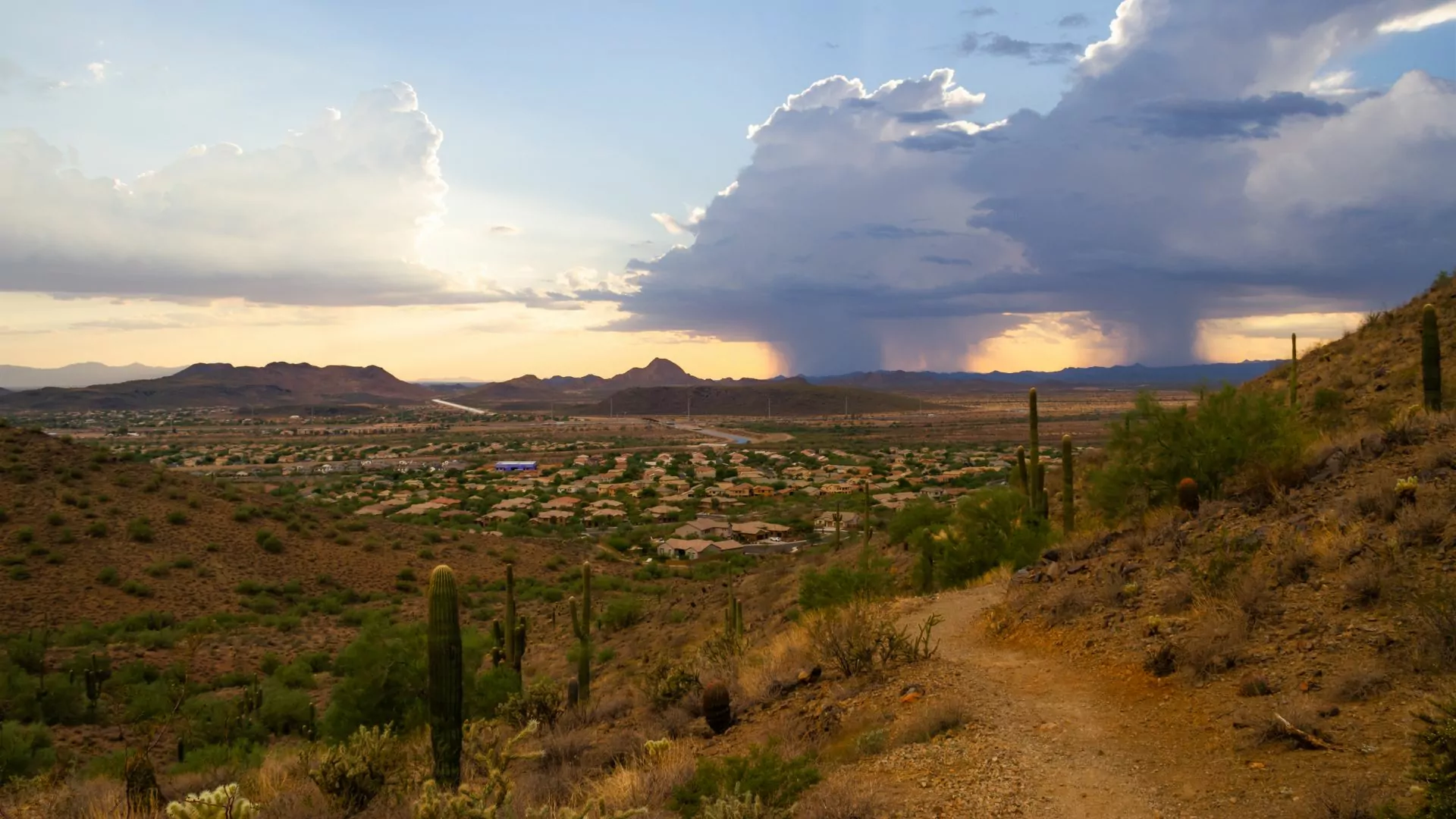
This all came together for me walking the Arizona Trail. I started knowing it would be hot and dry, but I did not fully grasp how quickly and how dramatically conditions could change. Over those eight hundred miles I experienced sustained triple digit heat, snow and hail, lightning and rain storms, intense wind, smoke from fires, frozen equipment, and long stretches without water. The range itself was not surprising. What surprised me was how compressed it all felt.
What stood out most was not any single weather event, but how often yesterday’s plan became irrelevant. A day that looked reasonable on a forecast stopped making sense once I climbed from the desert floor onto a sky island. Sections I expected to move through easily slowed to a crawl because of snow, hail, and loose rocky trail. Gear that felt excessive when it was one hundred degrees became essential when it dropped near fifteen. I was being asked to change my plans constantly, sometimes several times in a single day.
Hiking alone amplified this lesson. Without anyone else to discuss options with, I had to be honest about my own judgment. There was no one to impress and no schedule to defend. If I pushed when I should not have, the consequences would have been entirely mine. That stripped away a lot of noise and made the decisions feel simpler, even when they were not easy.
The most memorable moments were not milestones or big mileage days. They were small adjustments made in response to the environment. Starting earlier. Stopping sooner. Waiting out the weather instead of pushing through it. Choosing a different line across the landscape. The trail requires toughness but it rewards attention. By the end of the walk, I felt less like I was moving through the landscape and more like I was moving with it.
Treadmill or Trail
Thinking about hiking with extreme weather in mind has changed why I go outside in the first place. I do not hike to prove that I can outlast discomfort or force my way through poor conditions. If that were the goal, there are far easier and more controlled ways to suffer. What keeps pulling me back to the trail is the honesty that imperfect conditions demand. When weather becomes part of the equation, it becomes much harder to lie to yourself about how you are doing or why you are there.
Extreme weather strips things down quickly. Small decisions start to matter. When conditions are easy and predictable, it is possible to move on autopilot. Miles pass, plans hold, and the environment asks very little of you. When weather becomes complicated, presence stops being optional. You either notice what is happening or you pay for not noticing. There is very little middle ground.
That is where hiking starts to feel meaningful to me. Not because it is hard, but because it requires engagement. Extreme weather does not care about expectations, narratives, or goals. It does not care what the plan was supposed to be. It asks simple questions over and over again. How do you feel right now? What is changing? What is the smart move here?
Those questions remain with me. Learning to slow down, reassess, and change course outside has a way of shaping how I move through the rest of my life. It encourages patience when things are uncertain and restraint when pushing forward would only make things worse. That lesson feels increasingly rare in a world that rewards constant motion.
In the end, hiking with extreme weather in mind is not about seeking suffering or danger. It is about respecting the reality of the places I walk through and my own limits within them. When I accept that weather is part of the experience, not an interruption of it, hiking gives something deeper back. It becomes less about proving anything and more about paying attention, which is why I keep returning to the trail instead of the treadmill.