

Deciding Between the Salkantay Trek and the Inca Trail
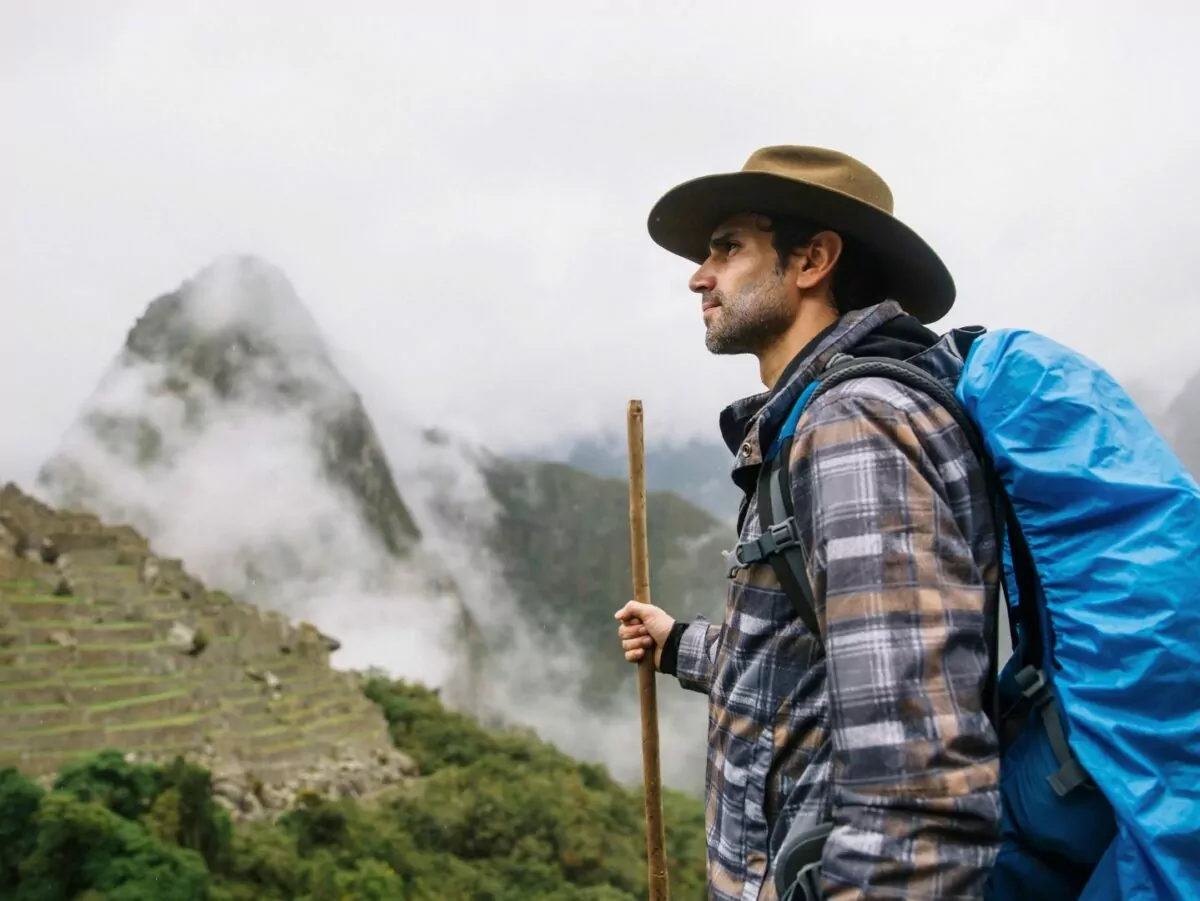
Ever since their rediscovery in 1911, the awe-inspiring ruins of Machu Picchu have drawn travelers and adventure-seekers the world over to experience the majestic Incan architecture and stunning beauty of the Peruvian Andes. Few places in the world can match the grandeur and allure of the world-famous UNESCO World Heritage site set high in the jungle north of Cusco. While the ruins are accessible via train and bus from the city of Cusco, the area is also popular for trekkers who seek to fully immerse themselves in the culture and natural beauty of the area via one of a number of multi-day hiking trips to the iconic destination.
The famous Inca Trail remains the most popular route to Machu Picchu, but the lesser known Salkantay Trail offers an equally stunning and less-trafficked alternative. In this post, we will explore the Salkantay Trail in detail, comparing it to the Inca Trail in terms of difficulty, solitude, and overall experience, providing you with everything you need to know for an unforgettable adventure.
The Salkantay Trek
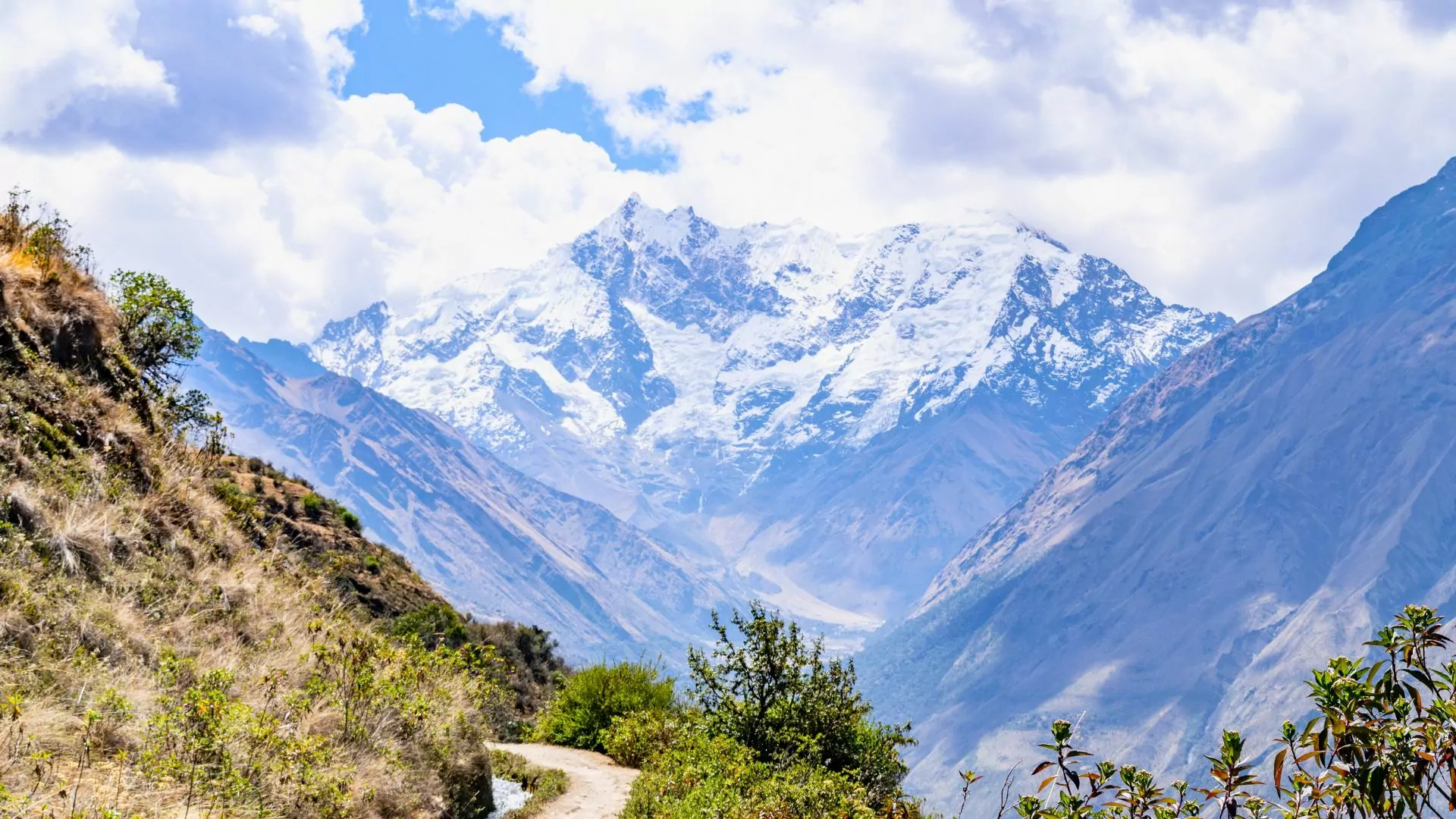
The Salkantay Trail is a 5 day trek that spans approximately 35 miles and leads intrepid adventurers through diverse landscapes, from high mountain passes to lush jungles, culminating in the arrival on day 5 at Machu Picchu. The trail takes its name from the prominent, snow-studded, Salkantay Mountain, which rises to an impressive 20,574 feet (6,271 meters) and serves as a striking backdrop throughout much of the journey.
While the Inca Trail, which is about 26 miles long, follows an ancient Incan road, the Salkantay Trail boasts more rugged and varied terrain, making it an appealing option for those looking to immerse themselves in nature away from the more well-trodden paths.
What to Expect
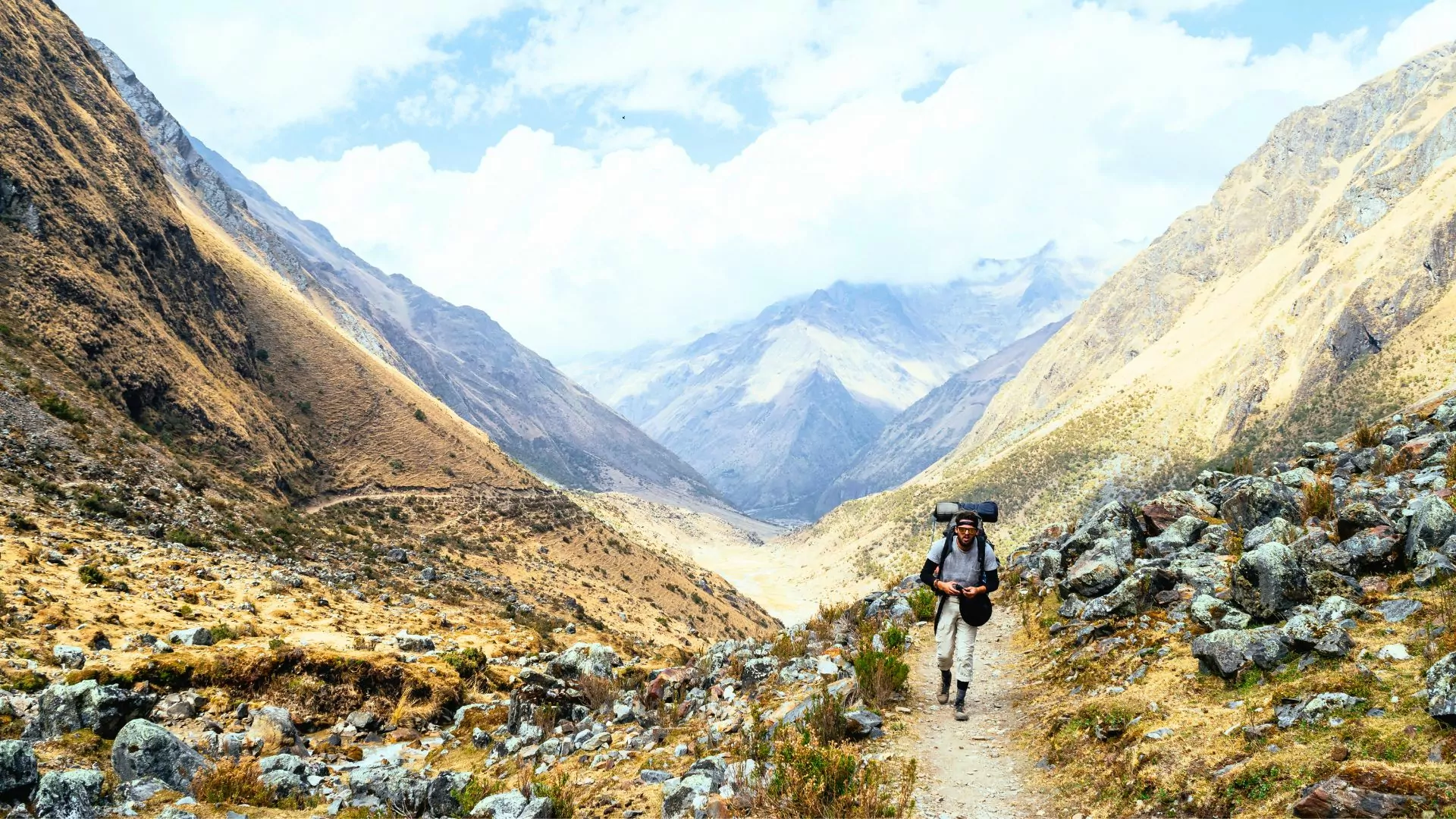
A typical itinerary for the Salkantay Trail generally spans five days and four nights. Because of the high elevations you will encounter on the trek, it is also advisable to spend at least 2-3 days in the high elevation of Cusco (11,000 feet) prior to the hike to acclimatize.
The Salkantay Trail is known first and foremost for its stunning natural beauty and diversity of landscape. You will be exposed to a variety of terrain as you hike through a wide range of elevation, from a low in elevation around 6,500 feet, to a high at 15,255 feet at Salkantay Pass. Lush jungle canopies, high alpine lakes, stunning vistas, and coffee plantations are just some of the highlights as you inch your way through the mountains to culminate in the archaeological mecca of Machu Picchu.
Hiking the Salkantay trail is no walk in the park! The trail can be rugged at times, and trekkers should be prepared to hike anywhere from 3 to 10 miles a day. Expect daily elevation gain of up to 2,000+ feet and elevation loss up to a knee-busting 5,000+ feet on the day two descent from Salkantay Pass.
The Salkantay Trek Vs. Inca Trail
When trying to decide between taking the Salkantay or Inca Trail on your trip to Machu Picchu, it’s important to consider what you are looking to get out of your experience. The two treks vary widely in terms of cultural experience, archaeological immersion, and overall difficulty.
Difficulty
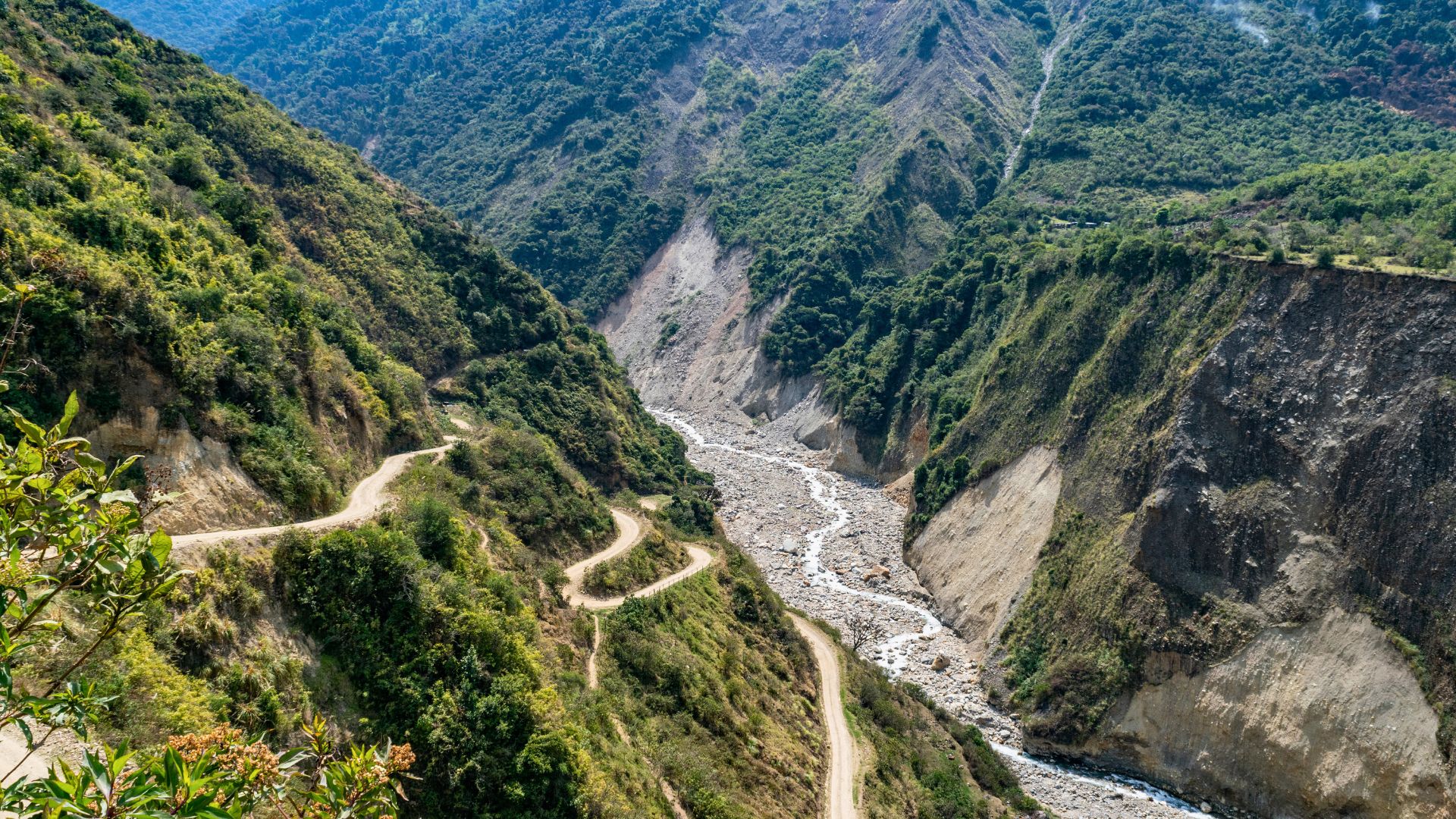
For those looking to challenge themselves as hikers, the Salkantay Trail is widely regarded as more challenging than the Inca Trail, primarily due to its higher overall mileage, elevation gains, and varied terrain.
- Elevation: The Salkantay Trail features a high point at Salkantay Pass (15,200 feet or 4,600 meters), which can present challenges related to altitude sickness. The Inca Trail is considered high elevation as well, but its highest point is lower, at about 13,800 feet (4,215 meters). This means that hikers on the Salkantay Trail should prepare for the potential effects of altitude and consider acclimatization while spending time in Cusco or the surrounding areas before their trek begins.
- Terrain and Conditions: Because of the wide variation in elevation, the Salkantay Trail varies significantly in its terrain. Hikers will traverse rocky paths, snowy patches, and sections with loose gravel, and may also experience wet conditions as they descend into lower altitudes. Conversely, the Inca Trail is well-maintained and primarily consists of ancient stone paths, making it relatively easier to navigate, although it has its own set of steep ascents and descents.
- Physical Demands: Trekkers on the Salkantay Trail should be prepared for longer daily hikes and more drastic changes in elevation compared to the Inca Trail. The Salkantay trek typically involves around 6 to 8 hours of hiking per day. The Inca Trail, at 26 miles in length, offers a slightly more moderate pacing.
Solitude and Scenic Beauty
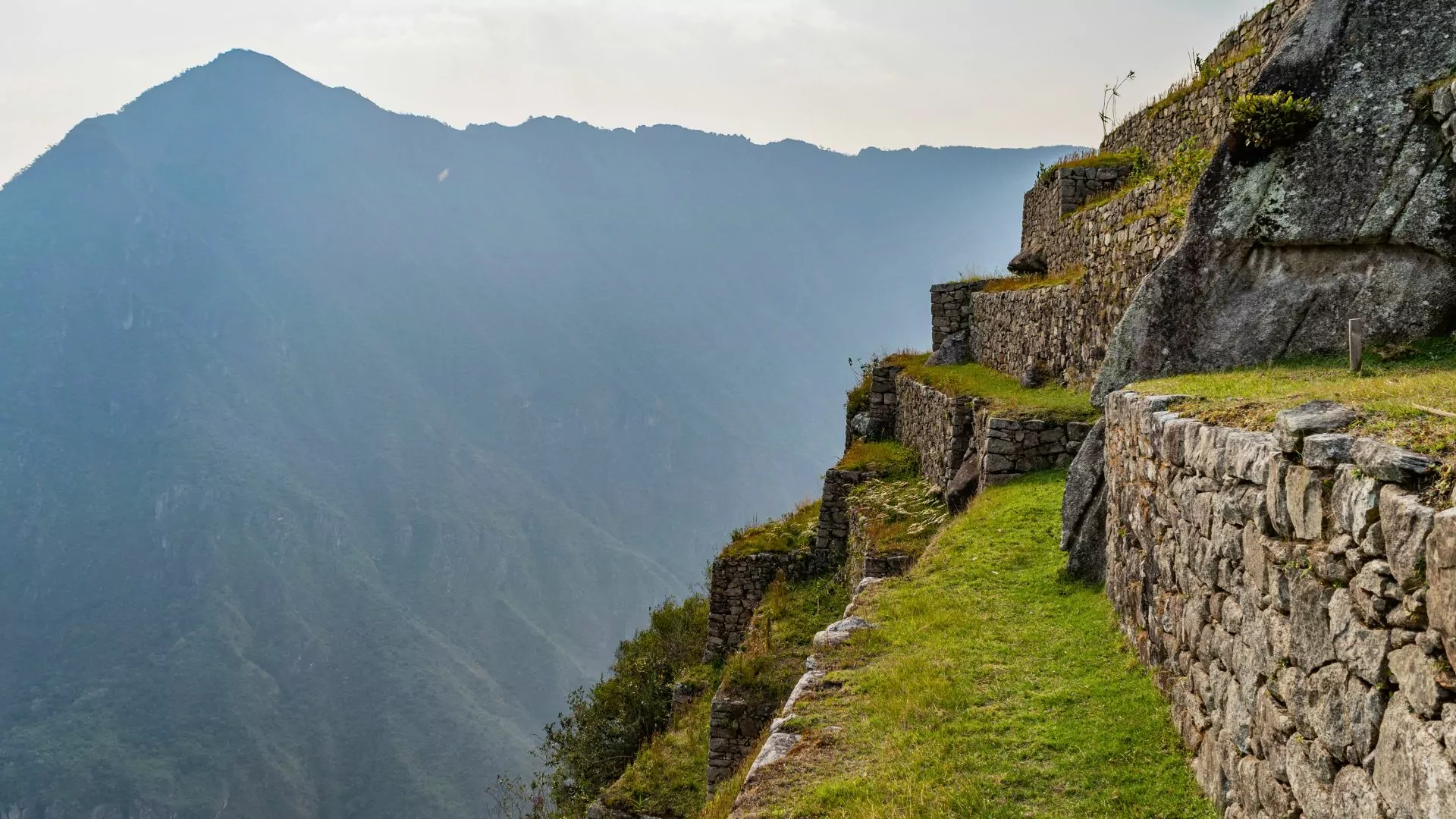
For those looking for a sense of solitude, the Salkantay Trail is tough to beat. The Inca Trail has become increasingly popular over the years, requiring permits that can sell out months in advance. As a result, it often sees an influx of trekkers, leading to crowded campsites and a less intimate experience in some sections.
In contrast, the Salkantay Trail offers a sense of tranquility that is hard to come by on the Inca Trail. While it can still attract many trekkers, the route is less regulated, and solitude easier to come by. The sparse crowds provide an opportunity to savor the stunning scenery and connect with nature.
Cultural Encounters
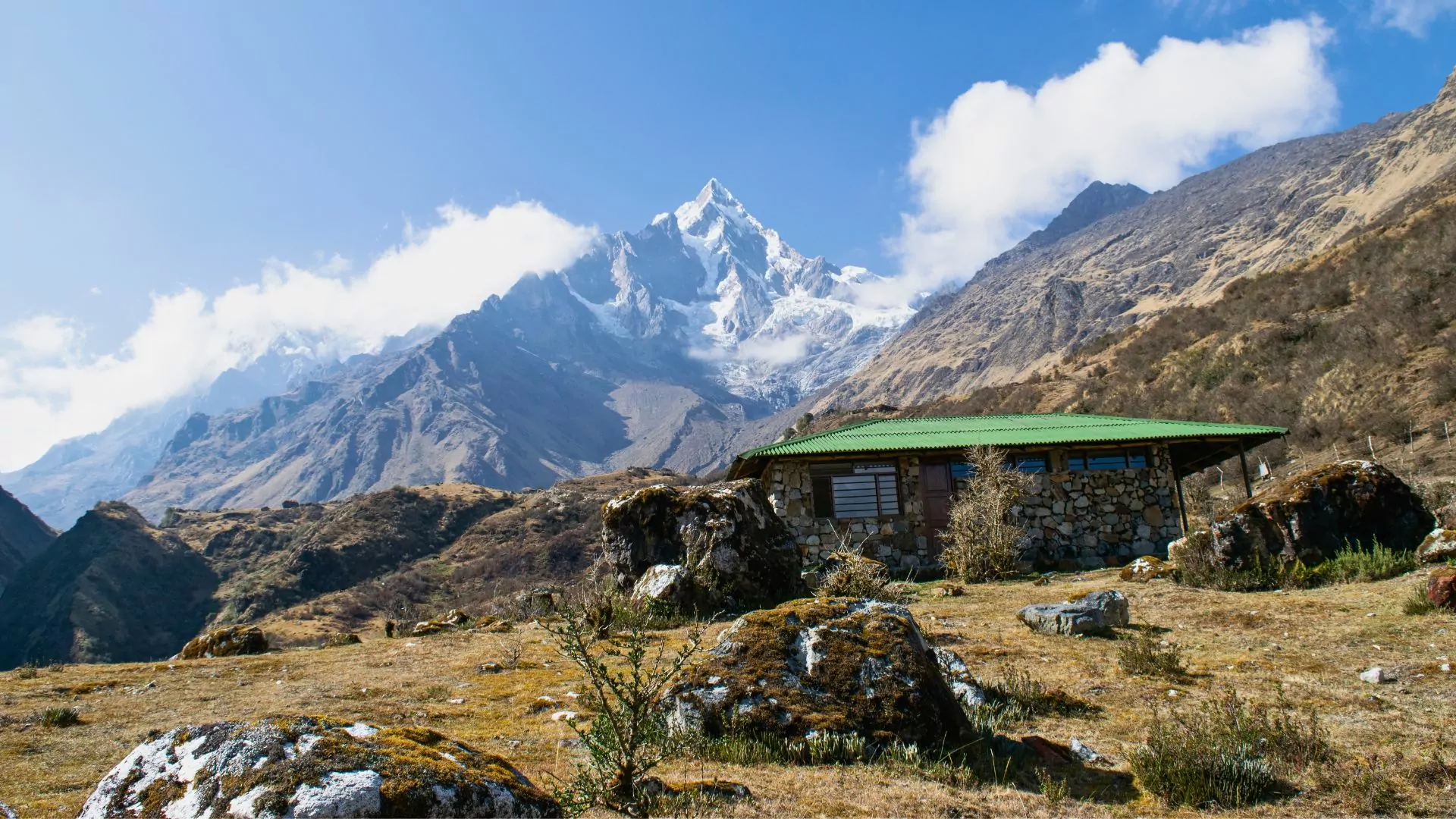
Both trails offer unique insights into the local culture; however, the Salkantay Trail allows for diverse interactions due to its varied route through rural Andean communities. As you trek along the Salkantay Trail, you may have the opportunity to meet local farmers, craftsmen, and families who maintain traditional ways of life.
By contrast, the Inca Trail is more focused on the ruins and ancient structures of the Inca civilization. While you will encounter some local guides, the journey on the Inca Trail primarily immerses hikers in the history and architecture of the Inca Empire.
Why Choose the Salkantay Trail?
Choosing the Salkantay Trail over the Inca Trail comes down to what kind of experience you seek. If you desire a more rugged adventure characterized by stunning, diverse landscapes and a more solitary experience, the Salkantay Trail should be high on your list. Its combination of high-altitude trekking, cultural interactions, and natural beauty provides an alternative path to the famous ruins of Machu Picchu that many travelers cherish.
The allure of the Salkantay Trail lies not only in its challenge but also in the opportunity for introspection in nature. Each step along the trek brings you closer to understanding the breathtaking Andes and the cultural richness of Peru.
trek the salkantay trail with a guide
pro Tips for the Salkantay Trek
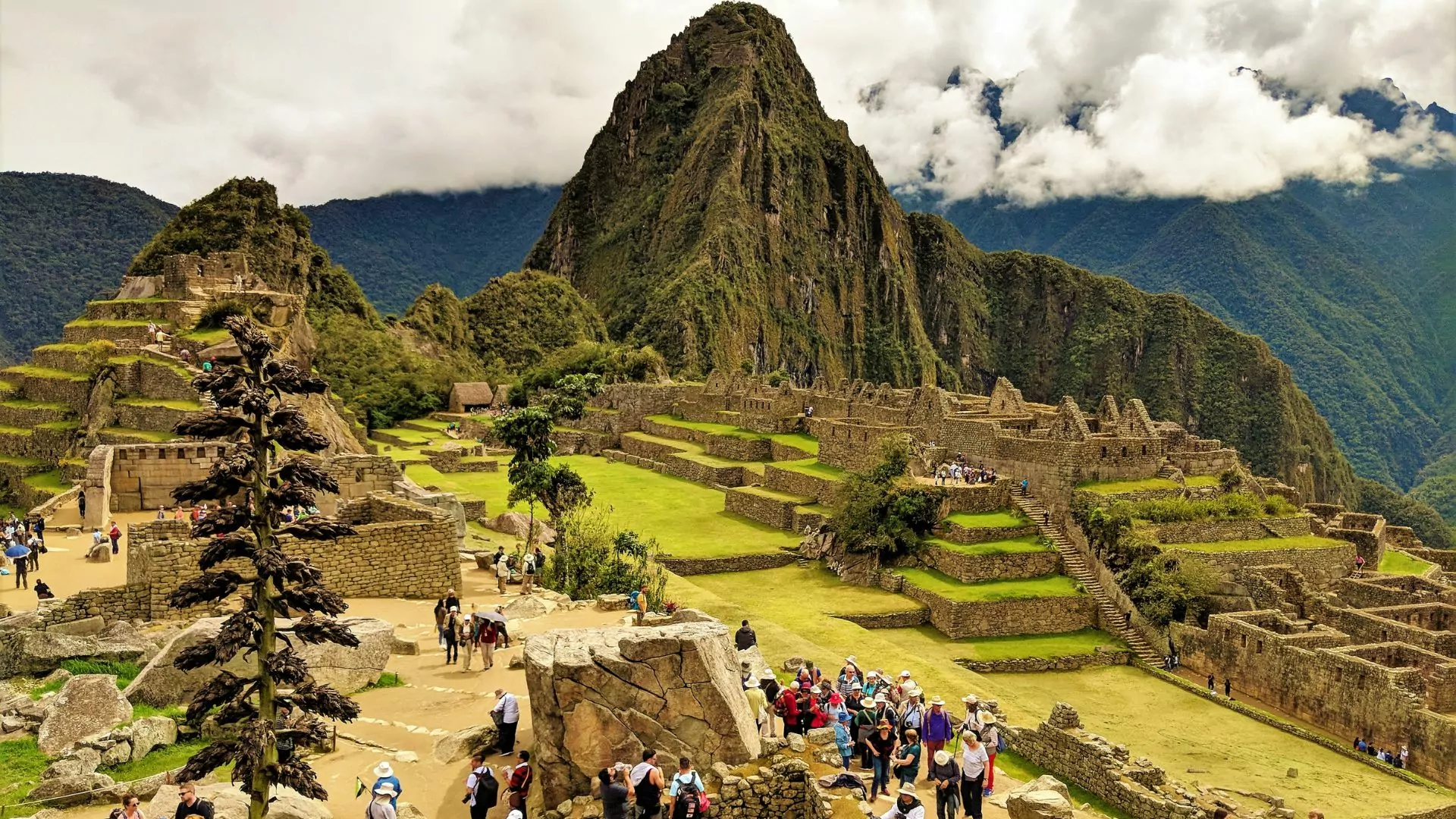
Remember to respect the environment as you journey. Leave no trace, respect local cultures, and appreciate the beauty surrounding you. The Salkantay Trail is more than just a route to Machu Picchu; it’s a transformative experience that will stay with you long after the journey is over. Make sure to capture these moments in your heart and mind as you trek this captivating path.
With careful planning and an adventurous spirit, the Salkantay Trail will lead you to one of the most iconic landmarks in the world, all while providing a unique perspective on the stunning landscapes and cultures of Peru.
Happy trekking!