

What’s a WAG Bag?
As a backpacking guide, a common concern I hear from my guests has to do with that most primal (and private) of activities: pooping. For the uninitiated, pooping in the woods can be a confusing and downright intimidating process.
While it’s not as scary as it may seem, it isn’t a simple matter of going wherever or whenever you please. In fact, the issue of human waste in the backcountry is a serious one. On top of being visually and aesthetically unpleasant, poop carries harmful pathogens and bacteria that can contaminate water and spread disease.
It’s also a matter of simple math: Every person on earth produces roughly a pound of feces a day. When we are in the backcountry, away from the convenience of a toilet or even a port-a-potty, all that poo has to go somewhere! Enter: the WAG bag.
Waste disposal–why is it important?
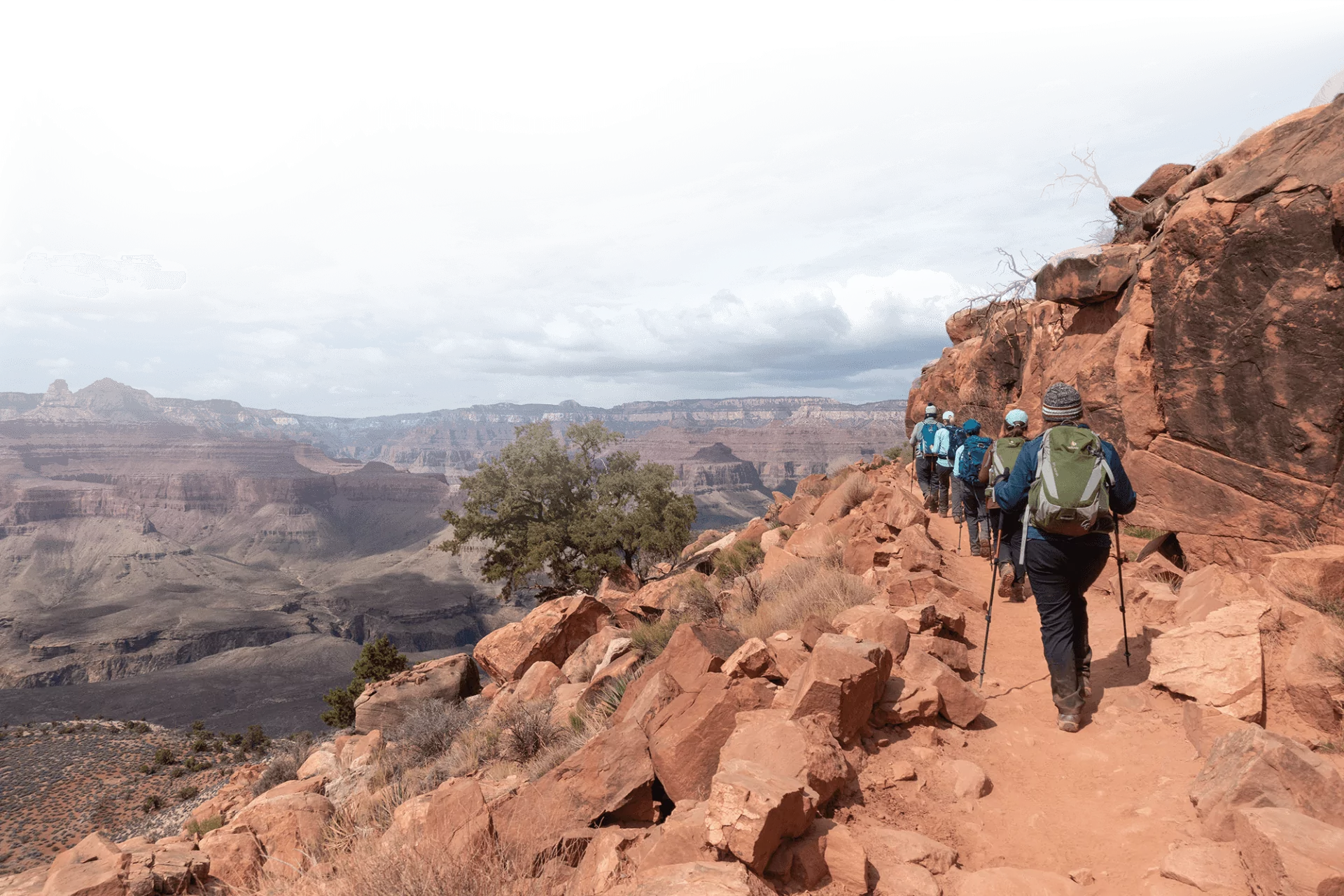
You’ve probably heard that we’ve seen a huge influx in the number of travelers to our outdoor spaces in the last decade or so. You may have noticed that increase firsthand or been a part of it yourself. I don’t think there is any doubt that, as a whole, this is a great trend–the more people enjoying the physical, mental, and emotional health benefits of the outdoors, the better.
However, that increase in visitation is not without its drawbacks. The impact of increased visitation on those (often quite fragile) outdoor spaces cannot be ignored. I’ve seen many of those impacts firsthand–from erosion of trails, to trash at trailheads, and, yes, poop in all kinds of places where it doesn’t belong.
As responsible outdoor recreationalists, it’s vital that we familiarize ourselves with and follow Leave No Trace guidelines. The third of seven LNT principles: dispose of waste properly, applies to all kinds of “waste,” including your own excrement. Not only is it disgusting to look at, it can also have a serious impact on our health and the health of the environment. In general, proper waste disposal works to:
- Minimize water contamination
- Minimize social/aesthetic impacts
- Minimize spread of disease
- Maximize decomposition
Using a WAG bag is one of several ways we can safely and effectively manage our poop in the backcountry according to LNT principles.
read: The Do’s and Don’ts of Pooping Outdoors
What is a WAG Bag?
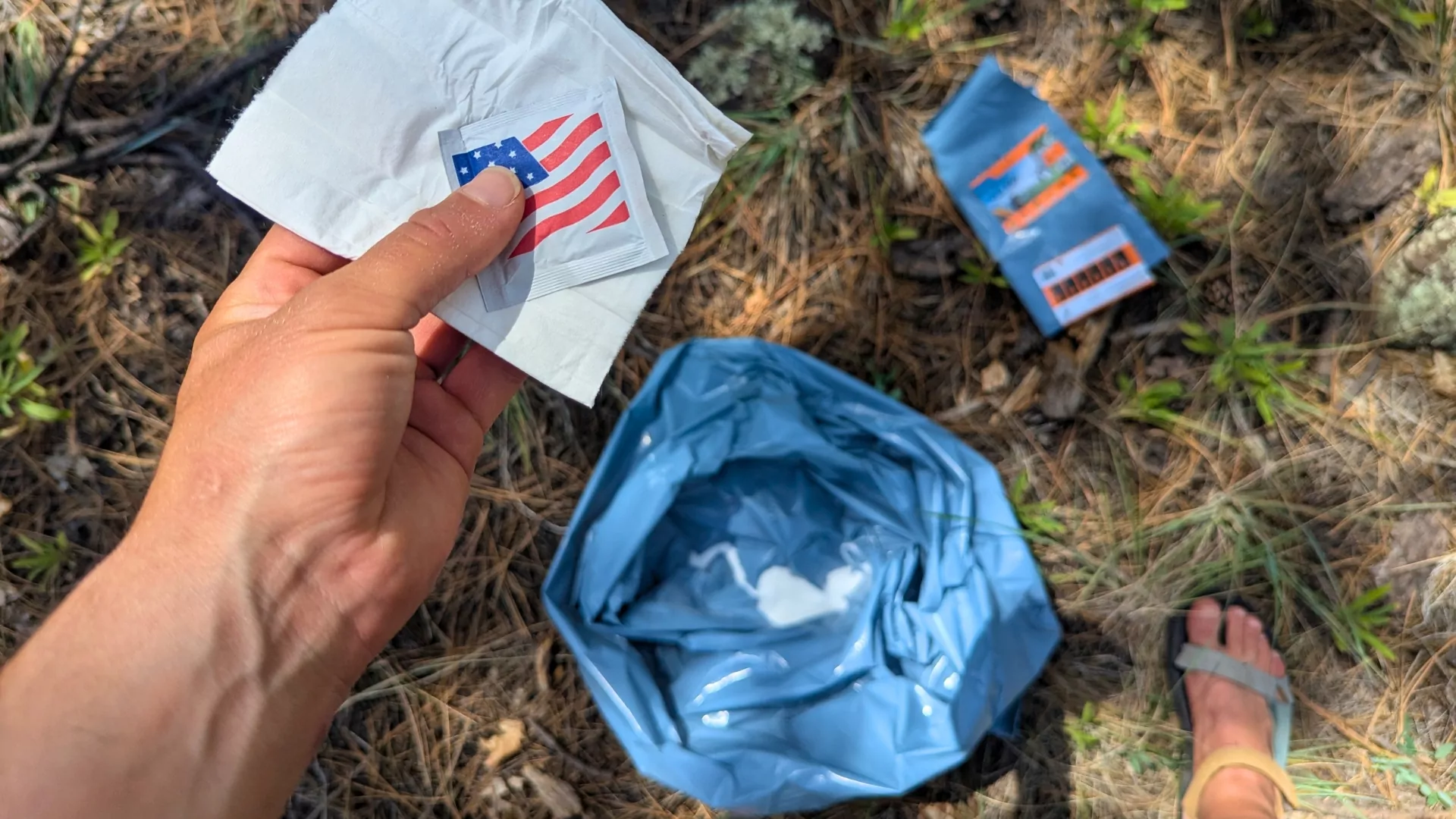
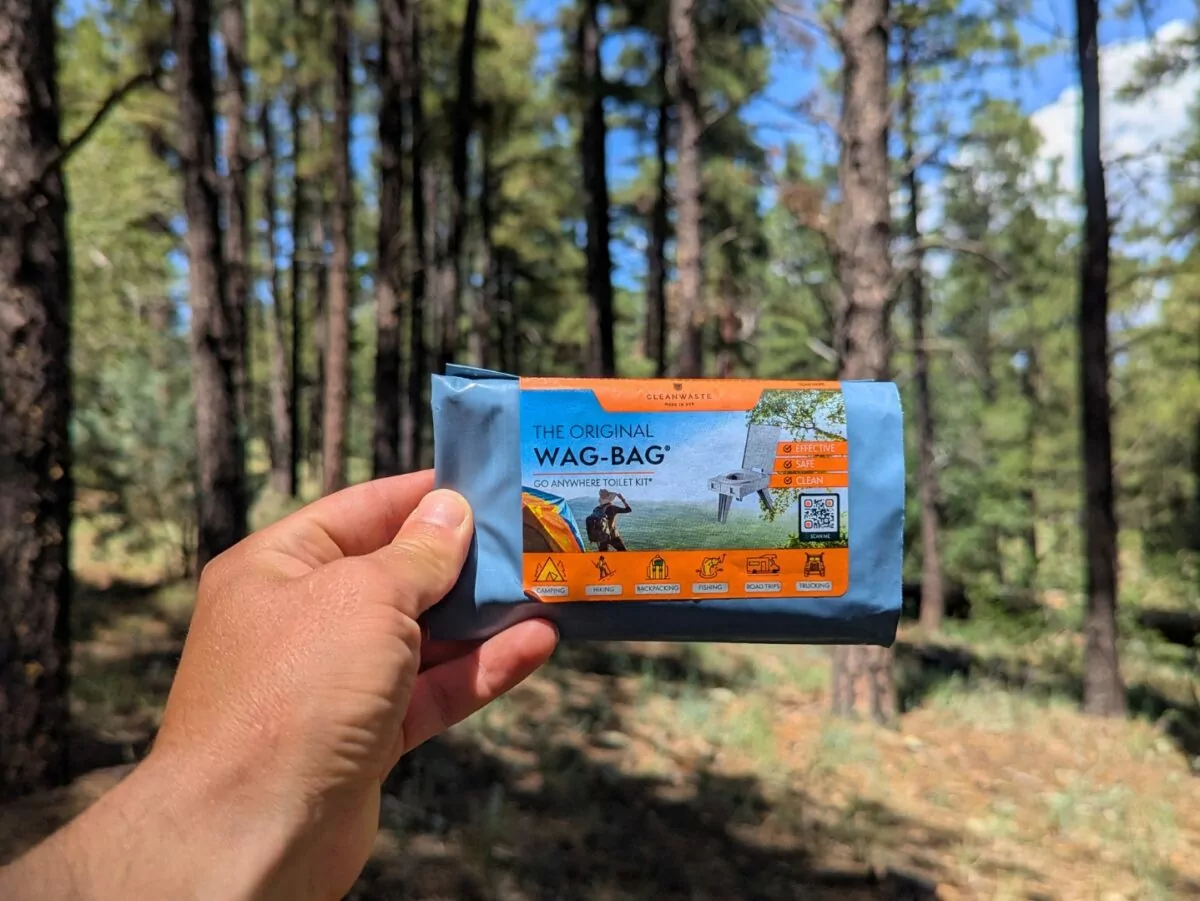
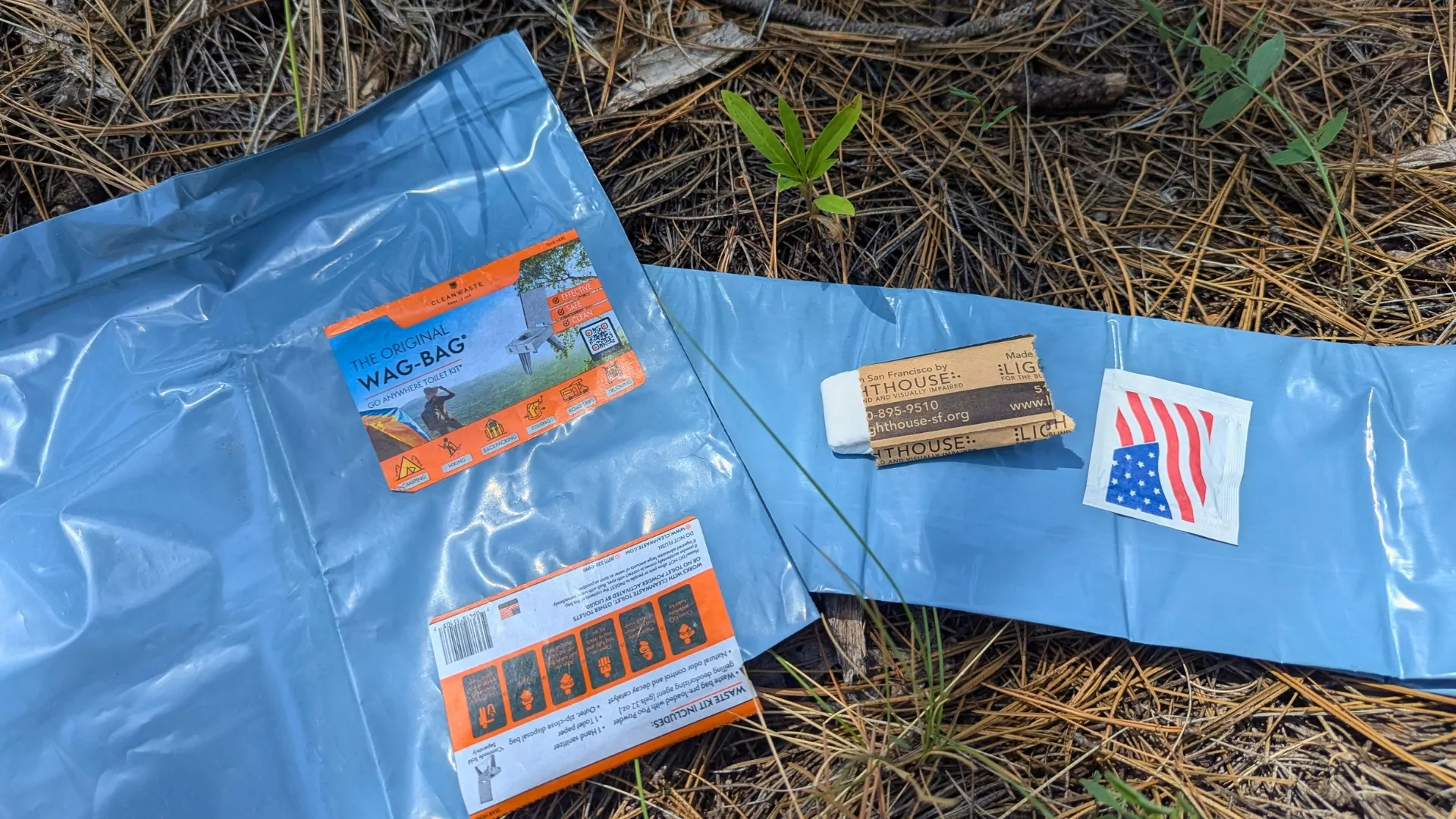
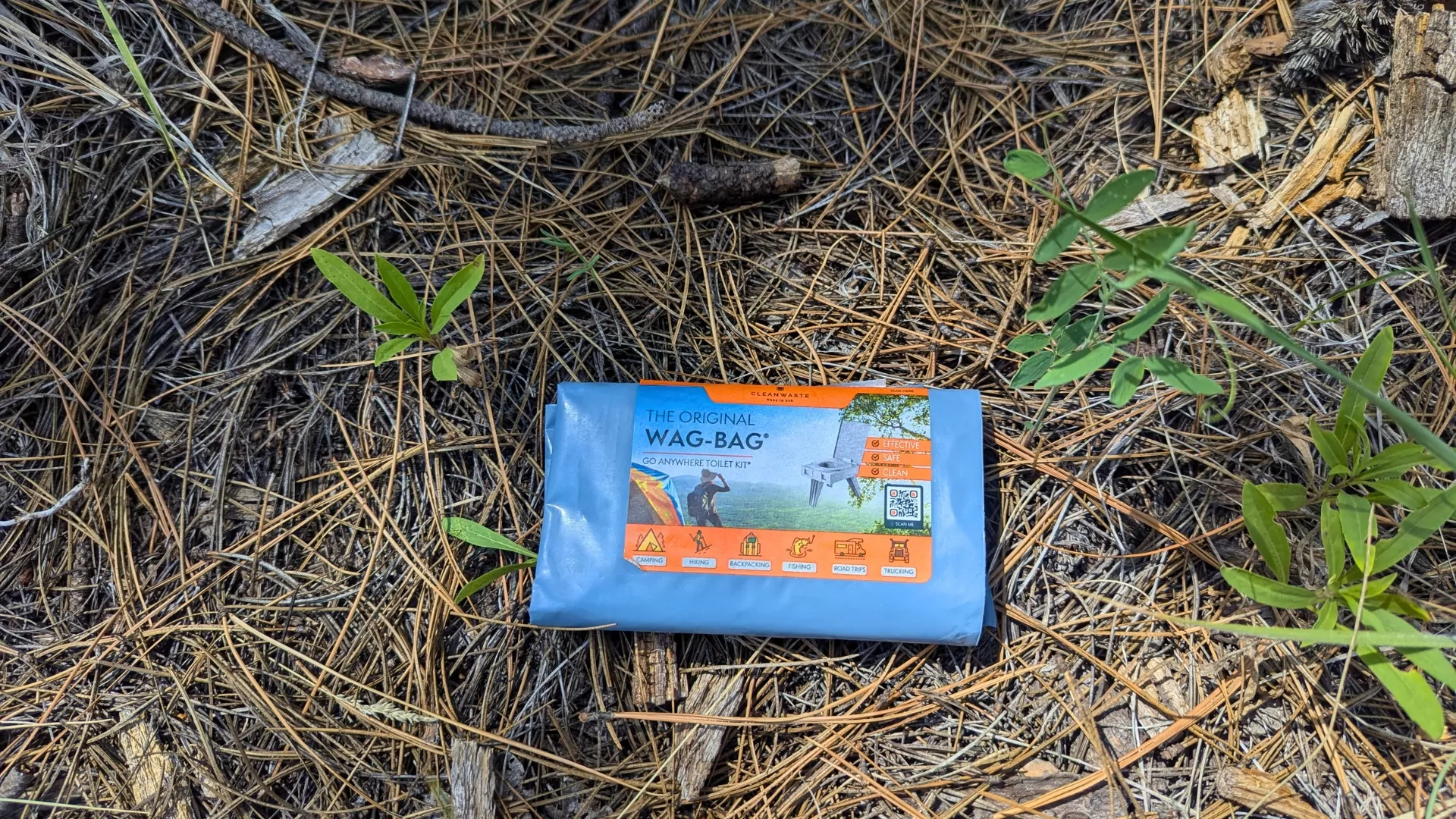
A WAG bag is a completely integrated, resealable, plastic bag designed to act as a toilet kit to carry human waste out of wilderness areas. WAG stands for “Waste Alleviating and Gelling” and refers to the gelling agent inside the bag which works to solidify waste and neutralize odors. These days there are all sorts of different designs sold at outdoor retailers. There are slight variations between brands, but they all contain the same essential components:
- a heavy-duty plastic waste bag pre-loaded with gelling and odor-neutralizing agent
- a separate, outer resealable bag for disposal
- toilet paper (one use worth)
- sanitizing wipe
How to use a WAG bag
If you’re feeling trepidation about using a WAG bag for the first time, that’s completely understandable! It’s a concept that’s foreign for a lot of people; but in actuality, using a WAG bag is a straightforward process, and one that isn’t nearly as gross as you might expect.
The first thing I tell my guests: don’t wait until it’s an emergency. If you’re feeling any sort of inkling it’s best to take care of business pronto. Finding a suitably private area may take some time, and you don’t want to feel rushed as you rummage through your pack and deal with the packaging. Once you’ve found a good spot, follow these steps:
- Prepare: The package contains two plastic bags. Place the bag containing the gelling agent open on the ground.
- Setup: Roll the edges of the bag down slightly to prevent them from flapping in the wind or getting in your way.
- Use: Squat over the bag to use it. When finished, you may also place used toilet paper and sanitizing wipes inside.
- Seal: Squeeze out any excess air and tie the inner bag securely.
- Double-Bag: Place the tied bag into the durable, resealable outer bag and seal it completely.
- Store: Find a secure place on the outside of your backpack separate from your belongings to store the bag.
- Dispose: Once you are back at the trailhead, dispose of the bag at your earliest convenience. WAG bags are designed to degrade and are safe for landfills.
Other tips:
- Keep pee separate: Pee is generally safe for the environment as long as you are away from a water source–no reason to be hauling that stuff around!
- Support yourself: If squatting is difficult for you, find a tree or boulder that you can lean on for support.
- Support the bag: Set up the wag bag between rocks or sticks to make sure it doesn’t lean or fall over.
- Use coffee grounds: Throw your used coffee grounds into the waste bag to help further mask the smell.
- Practice good hygiene: Carry a small bottle of hand sanitizer and biodegradable hand soap so you can clean up well afterward. Pack extra toilet paper as well, just in case.
Check out this entertaining video from Leave No Trace for a more in-depth look at how to use a WAG bag.
When and Where to Use a WAG Bag?
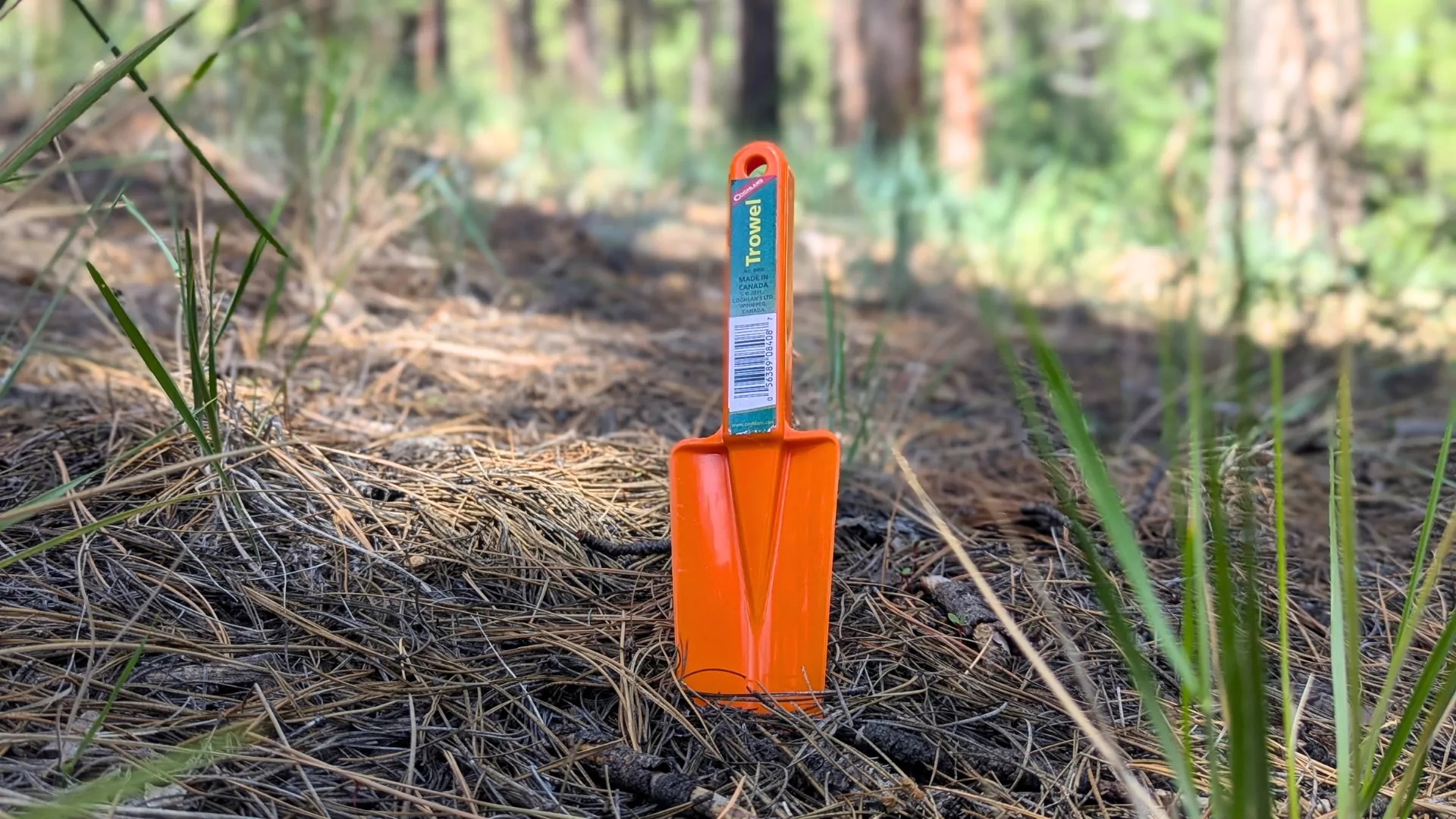
Proper waste disposal looks different depending on where you are hiking. In many areas, burying your poop in a 6 to 8 inch “cat hole” is sufficient; organic matter and microorganisms in the soil break down the pathogens and bacteria that make waste harmful.
However, there are many environments where the digging of catholes is either:
- Infeasible: due to rocky terrain or sensitive ecosystems.
- Ineffective: due to slow/nonexistent natural decomposition.
- Insufficient: due to high visitor traffic that outpaces the land’s ability to recover.
It’s in these areas specifically where the use of wag bags is recommended, and in some places required. Here are examples of environments where you should use a WAG bag:
- Deserts: The soil in desert ecosystems lacks the microorganisms and moisture necessary to break down waste; it can take years in some cases. Many areas in the desert southwest are making wag bags mandatory for backcountry travel.
- Glaciers and alpine environments: Poop does not decompose when it freezes; it lasts indefinitely until it thaws, at which point it can be exponentially harmful to fragile alpine ecosystems.
- High-use areas: Many outdoor recreation areas have begun to implement mandatory wag bag policies to deal with increasing visitation. Examples include the Mount Whitney trail in California, North Cascades National Park in Washington, and Mt. Everest in Nepal.
- Near water sources: You want to be at least 200 feet from a water source if burying poop in a cat hole. Take a wag bag if you’re hiking in a narrow river canyon or any kind of environment where you won’t be able to achieve that distance.
- Rocky terrain: In some areas, digging a cat hole simply isn’t an option because the ground is not conducive to digging. Simply covering your poop with a rock is not sufficient–it lacks the soil microbes required for decomposition and is not a permanent solution.
In Conclusion
We all benefit from a society that takes care of its outdoor spaces responsibly and respectfully. While it may not be glamorous to talk about, dealing with our own waste is an important and serious aspect of that. So whether you’re new to pooping outdoors or you’re already a seasoned veteran, do your part to make sure our wild places remain healthy and vibrant for generations to come. And as always, happy hiking!