

How to Take Sun Protection Seriously
Spending long days on the trail is one of the best parts of being a backpacker. Wide open views, fresh air, limited crowds, and the simple rhythm of moving through nature make the experience unforgettable. But while hikers prepare for blisters, nutrition, and stormy weather, one risk often gets overlooked: the sun. Effective sun protection is more than preventing a painful burn. It protects your long-term health, maintains your energy, and keeps you comfortable during long stretches in exposed terrain. Here’s how to take your sun protection seriously on every hike, from smart clothing choices to habits that keep you protected from dawn to dusk.
Why Sun Protection Matters
The wilderness exposes hikers to intense UV radiation, often stronger than what they experience in daily life. Altitude increases UV exposure significantly, usually around 4-5% for every 1,000 feet gained. This increase, combined with reflective surfaces like granite, water, or snow, means your skin absorbs UV rays even when temperatures feel cool or skies look hazy.
Many hikers assume they’re safe because they “don’t burn easily,” but UV exposure is cumulative. Every hour spent on a sunny ridge, desert trail, or alpine pass adds up. Over time, this contributes to premature aging, eye damage, and skin cancer. Consistent sun protection is an investment in your long-term wellbeing.
REad: Heat Illness Symptoms and Treatment
Sun Protection Staples
Sun Hoodies: Lightweight and Reliable
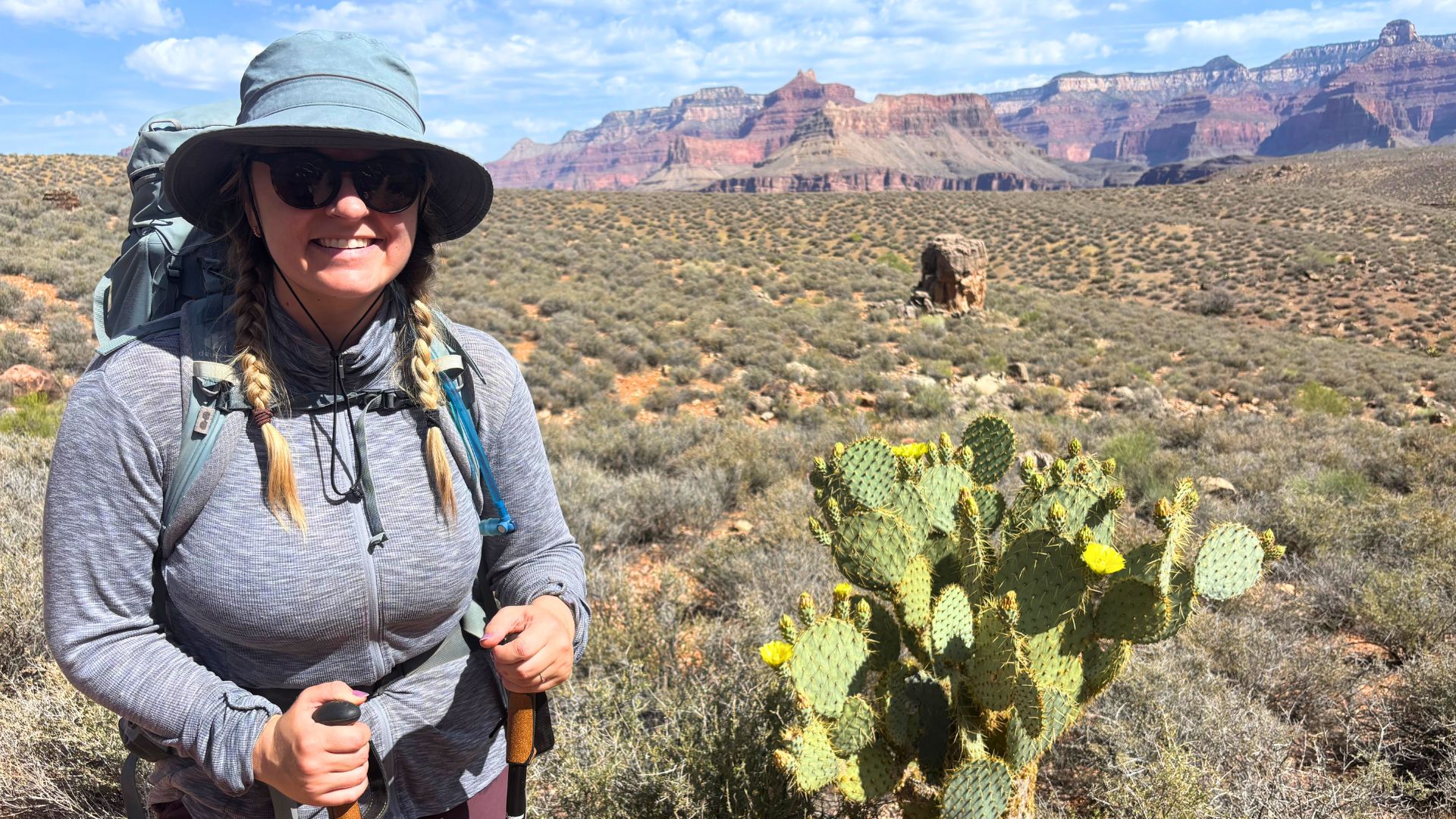
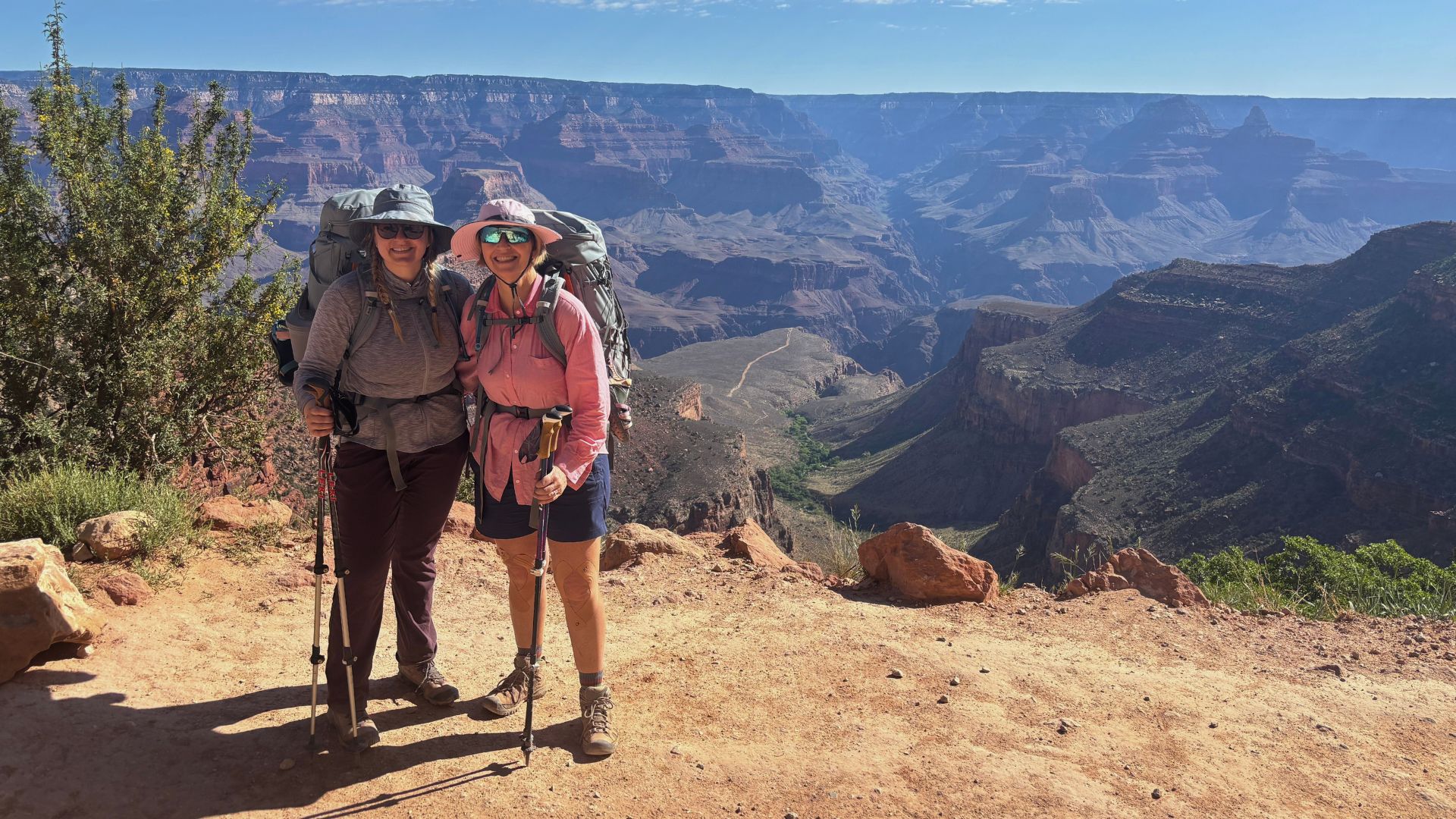
Sun hoodies have become a favorite amongst hikers and guides because they provide dependable coverage without requiring constant sunscreen reapplication. A lightweight, UPF-rated hoodie protects your arms, shoulders, and torso, and the hood adds coverage for your ears, neck, and scalp. The best sun hoodies use UPF 50+ material and are made from quick-drying, moisture-wicking fabrics that feel comfortable even during strenuous climbs. Wearing a sun hoodie often keeps you cooler by blocking radiant heat and reducing the need for sunscreen on sweaty skin. If you take sun protection seriously, this layer is one of the best tools you can carry. A guide favorite sun hoodie is the Crater Lake hoodie by Mountain Hardware for a comfortable and stylish option.
Sun Gloves: The Overlooked Necessity
If you use trekking poles, your hands face the sun for hours at a time, and many hikers do not notice any burn until they return to camp. Sun gloves provide lightweight, breathable protection that keeps your knuckles and fingers safe from repeated exposure. Good sun gloves offer UPF-rated coverage, use full-finger designs rather than fingerless ones, and are made from thin, breathable materials that dry quickly after water crossings or rain. They are especially helpful in alpine terrain, desert environments, and snowy conditions where UV rays reflect upward.
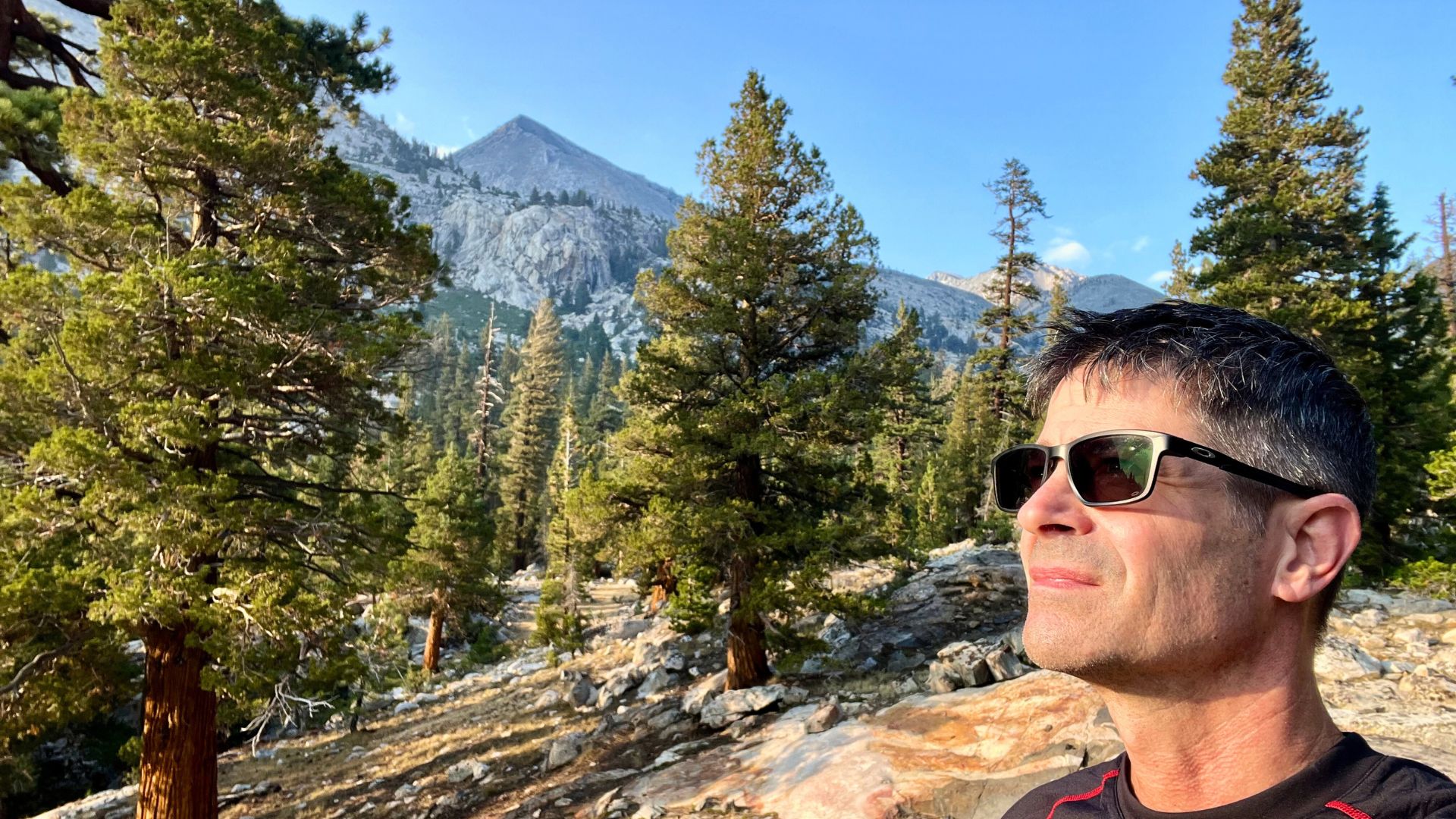
Sunglasses: Sun Protection for Your Eyes
UV damage to the eyes is a serious concern for hikers who spend long hours looking toward reflective surfaces such as snow, water, or light-colored rock. Without proper sun protection, your eyes are at risk for conditions like cataracts or corneal sunburn. Good hiking sunglasses should offer 100 percent UV protection and polarized lenses that reduce glare. They should also provide enough side coverage for snowy or high-glare environments and fit securely enough to stay in place during rugged movement. If your hike includes snowfields or glaciers, glacier glasses provide the best protection.
The Sunbrella: Shade You Carry with You
A reflective hiking umbrella, often called a sunbrella, has become increasingly popular among long-distance hikers and desert backpackers because it provides portable shade and reduces heat load significantly. A sunbrella can decrease the perceived temperature by ten to fifteen degrees and creates shade wherever you walk. It also reduces the amount of sunscreen needed on shaded areas and offers protection in light rain. In places like the Sierra Nevada, the Utah desert, or exposed high-altitude terrain, a sunbrella is one of the most effective sun protection tools you can bring.
Sunscreen and SPF Chapstick
Even when you wear UPF clothing, sunscreen remains an essential part of sun protection, especially for your face, neck, ears, and hands. Effective sunscreen should have an SPF of 30 or higher, offer broad-spectrum protection, and use mineral ingredients like zinc oxide if you have sensitive skin. Sweat-resistant formulas work best for long climbs or hot hikes. Sunscreen should be applied at least fifteen minutes before you start hiking and reapplied every two to three hours or more frequently if you swim or sweat heavily. As a guide who spends long days in the sun, I like to use a sunscreen lotion when my hands are clean and a sunscreen stick for quick applications in between hand washing opportunities.
Lip protection is just as important. A good SPF chapstick should have an SPF of at least 30, use a non-flavored formula that lasts longer in heat, and be water-resistant. Keeping it in a hip belt pocket makes reapplication quick and easy during short breaks.
wildland guides recommended gear
Building a Sun Protection System
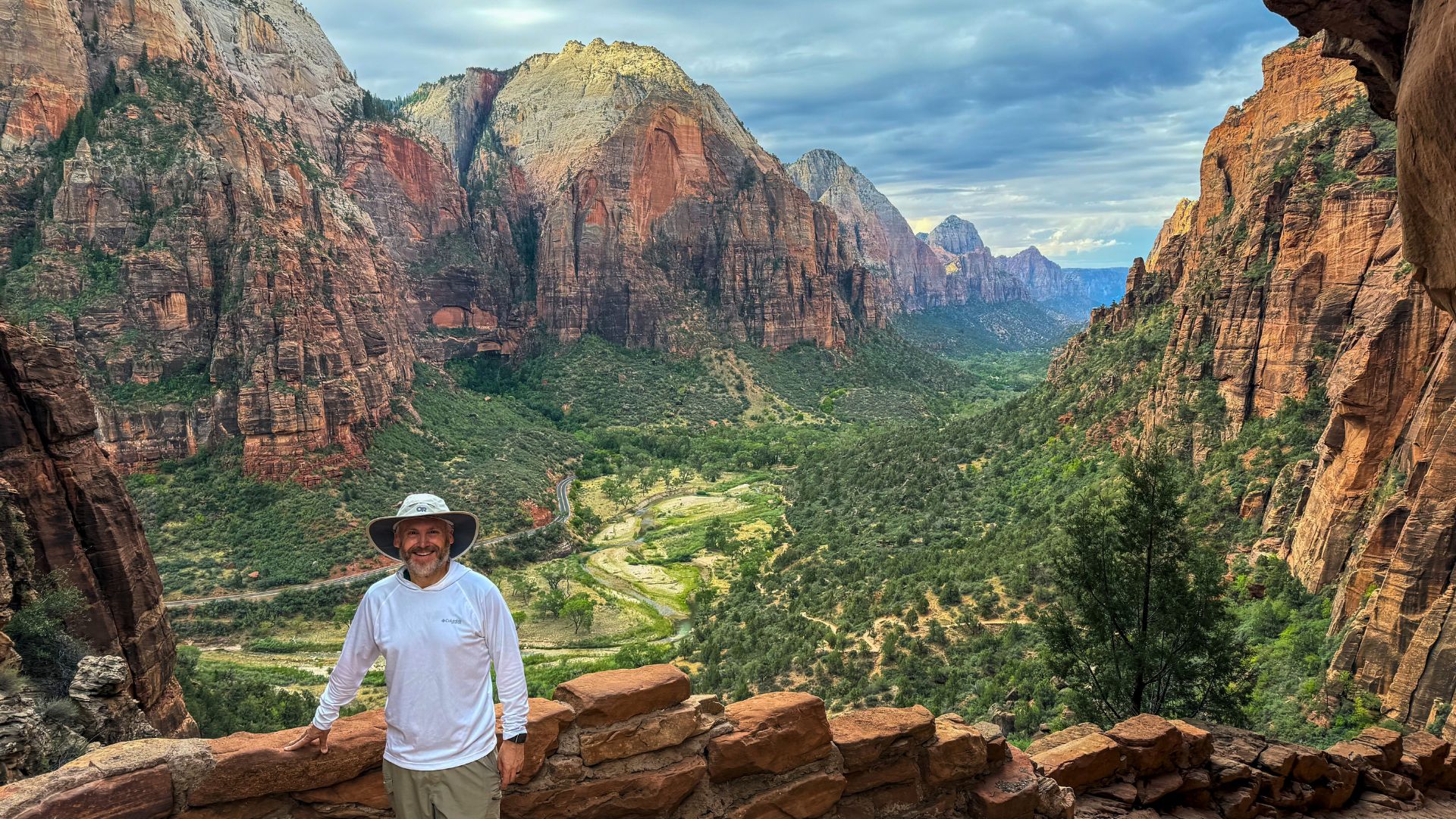
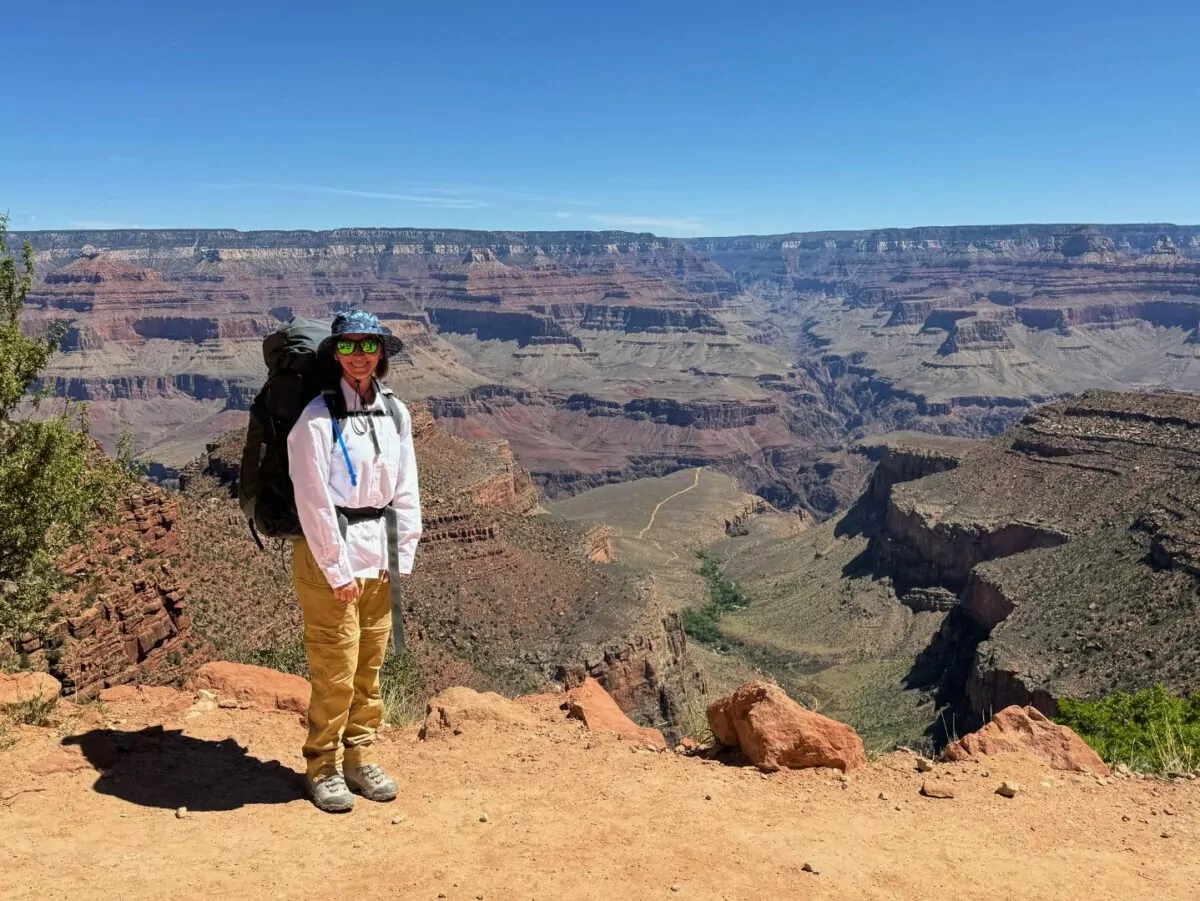
The most effective way to stay protected is to layer your methods rather than rely on a single strategy. A strong sun protection system combines protective clothing like a sun hat or sun hoodie with sunscreen, high-quality sunglasses and a sunbrella. By combining these tools, you reduce the amount of exposed skin and ensure that if one method fails, another one continues to work.
Smart Habits for Better Sun Safety
Having the right gear is important, but your habits on trail matter just as much. Starting your hike early and planning your rest breaks during midday helps you avoid the peak UV hours between noon and 3 p.m. Keeping sunscreen where you can reach it makes you more likely to use it regularly, since the best sun protection is the kind you actually apply. Using your snack and water breaks as reminders to reapply sunscreen and lip balm helps maintain consistent protection. You should also avoid trusting cloud cover because UV rays easily pass through thin clouds. Taking a moment to reapply sunscreen at exposed summits keeps you protected during long breaks when UV exposure is highest.
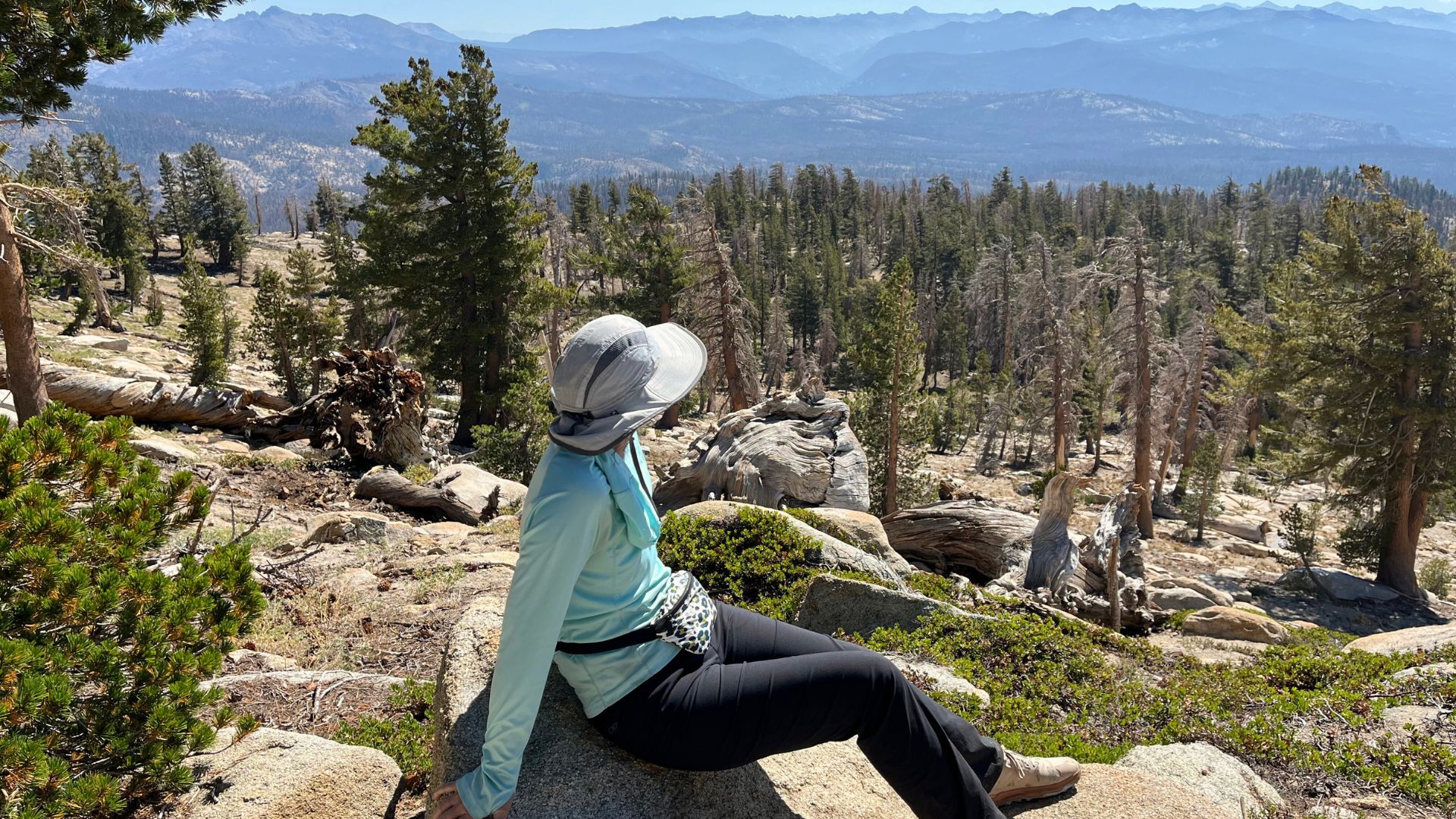
Whether you are hiking forested trails, crossing open desert, or gaining elevation on windy alpine ridges, sun protection is one of the simplest and most effective ways to stay safe and strong on your hike. The right combination of clothing, gear, and habits prevents burns, protects your eyes and skin, and helps you stay cool and energized. Taking your sun protection seriously today ensures you’ll continue to enjoy the outdoors for many years and many miles to come.