

How to Predict (and Experience) a California Superbloom
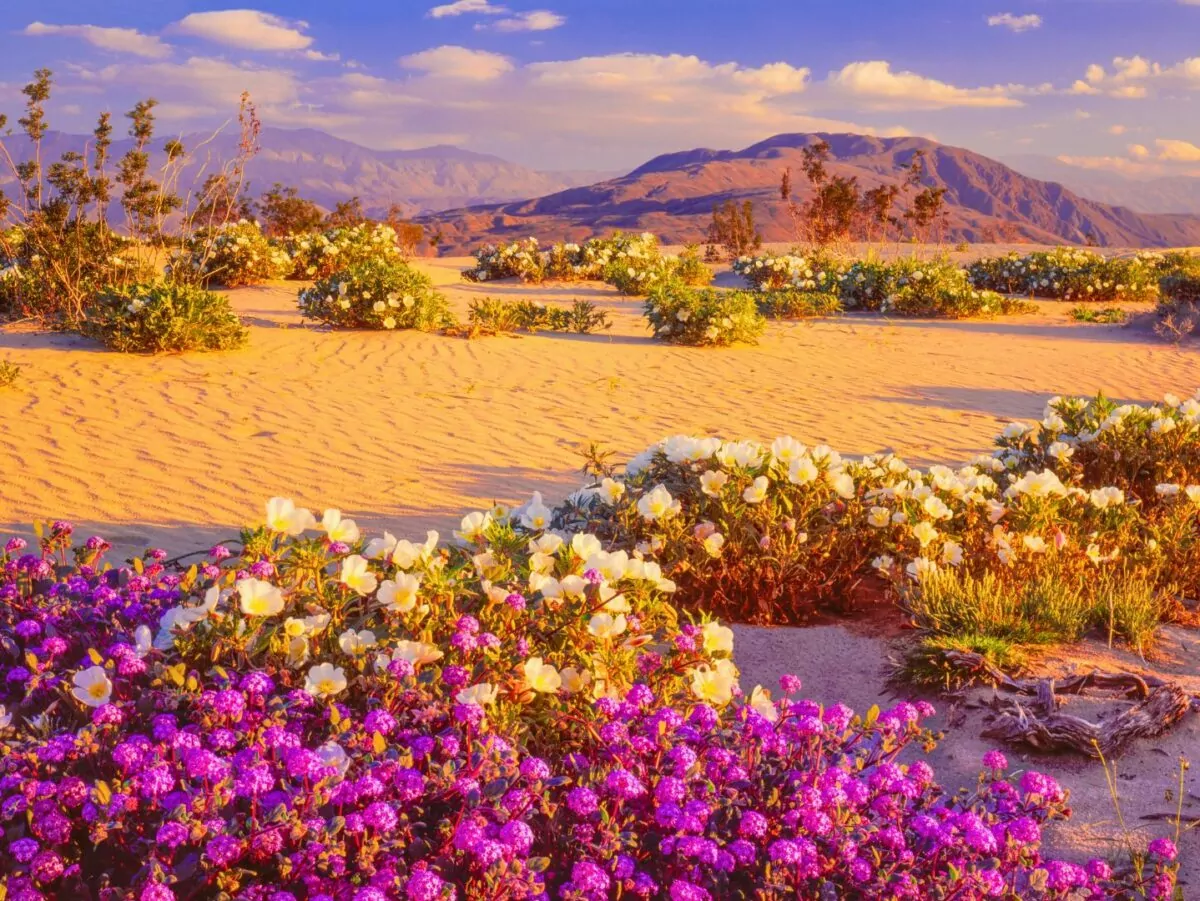
I still remember the first time I chased the California superbloom. I had seen the pictures online, those unreal carpets of orange, purple, and gold, and thought, “There’s no way that’s real.” But it was. And it changes you. Standing out there in the desert with the sun warming your face and flowers stretching all the way to the horizon, you realize how alive the landscape is, even when it spends most of its life looking dry, rugged, and silent.
As someone who spends a lot of time exploring wild places, the California superbloom feels a lot like Alaska’s summer in one specific way: it happens only when nature decides conditions are perfect. You cannot force it. You cannot schedule it. You can only understand the signs, watch carefully, and hope the stars (or in this case, the rains) align.
So in this guide, we’re going to talk about what a California superbloom is, why it happens, where it happens, and most importantly how you can predict if one might occur. I’ll tell you the science, but I’ll also share the emotional reality: chasing a California superbloom feels like trying to catch magic in motion.
Backpack, water, snacks, sunglasses, and a heart wide open. Let’s go.
What is a California Superbloom?
The term “superbloom” gets thrown around a lot, especially on social media. But ecologists will gently remind you that the word didn’t come from the scientific world at all. It’s more of a media-friendly nickname than a formal classification. According to ecologist Cameron Barrows at UC Riverside, “Superbloom is a media construct with no botanical or ecological origin” meaning the science behind these events is real, but the label is more emotional than technical.
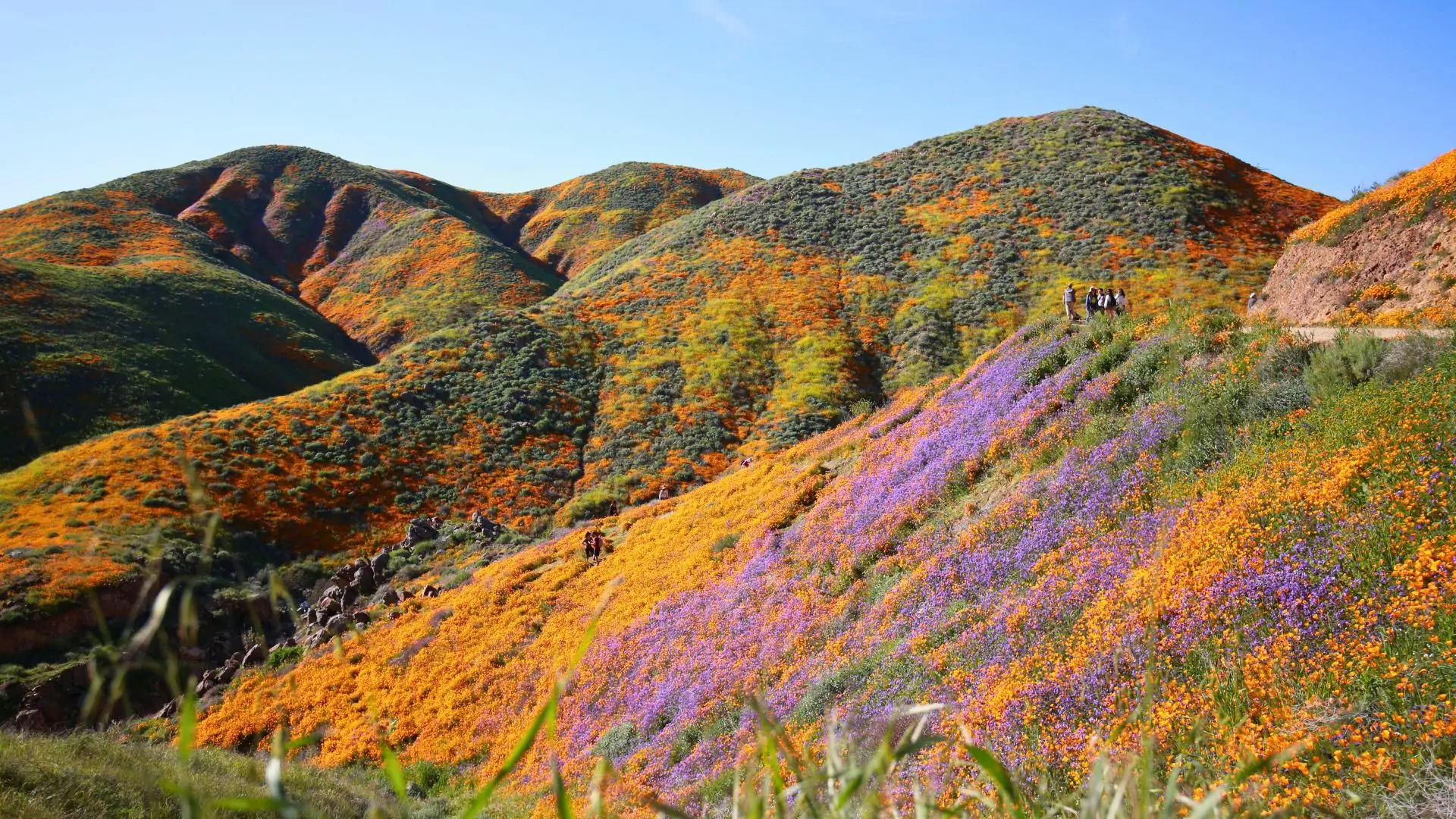
Still, for those of us exploring the wild, the meaning is clear: a California superbloom is when dormant desert or chaparral wildflowers burst into massive, dense, colorful displays across entire landscapes. It’s not just “a good bloom.” It’s an explosion.
These are the rare years when the desert comes alive. When miles of normally muted earth erupt in a chaotic, breathtaking theater of poppies, sand verbena, desert gold, lupine, ghost flowers, and more.
A true California superbloom doesn’t happen often. Death Valley, for example, has only seen them in 1998, 2005, and 2016. And that’s what makes them so special.
What Causes a California Superbloom?
A California superbloom requires what scientists call a “perfect storm” the right chain of rainfall, temperature, calm winds, and seed dormancy being broken at just the right time.
1. Deep soaking rain early in winter. For seeds to germinate, desert soils need a deep soaking event, generally more than half an inch of rain in November or December. This washes away growth inhibitors that keep seeds dormant. National Park Service ecologists emphasize this first step as non-negotiable.
2. Follow-up rains for several months. After germination, seedlings need consistent moisture. Not flooding rain, but regular drinks to keep them alive long enough to mature. Think monthly light showers throughout winter. Seeds sprout, tiny leaves uncurl, and the process continues quietly underground.
3. Cool, mild, stable temperatures. If a heatwave hits too early? Game over. Seedlings burn and die before they can grow. Multiple experts warned that warm November–January temperatures in 2025–2026 posed a threat to the California superbloom odds. Early warmth leads to weak or stunted flowers.
4. Little to no drying winds. A strong windstorm in February can flatten sprouts in two days. It’s heartbreaking, but that’s desert life.
5. A bit of luck. Honestly? This is the biggest factor. Every California superbloom includes an element of unpredictability. Rains can fall in one valley and miss the next. Temperatures can shift dramatically. Climatic chaos is part of the drama.
Where to Catch a California Superbloom
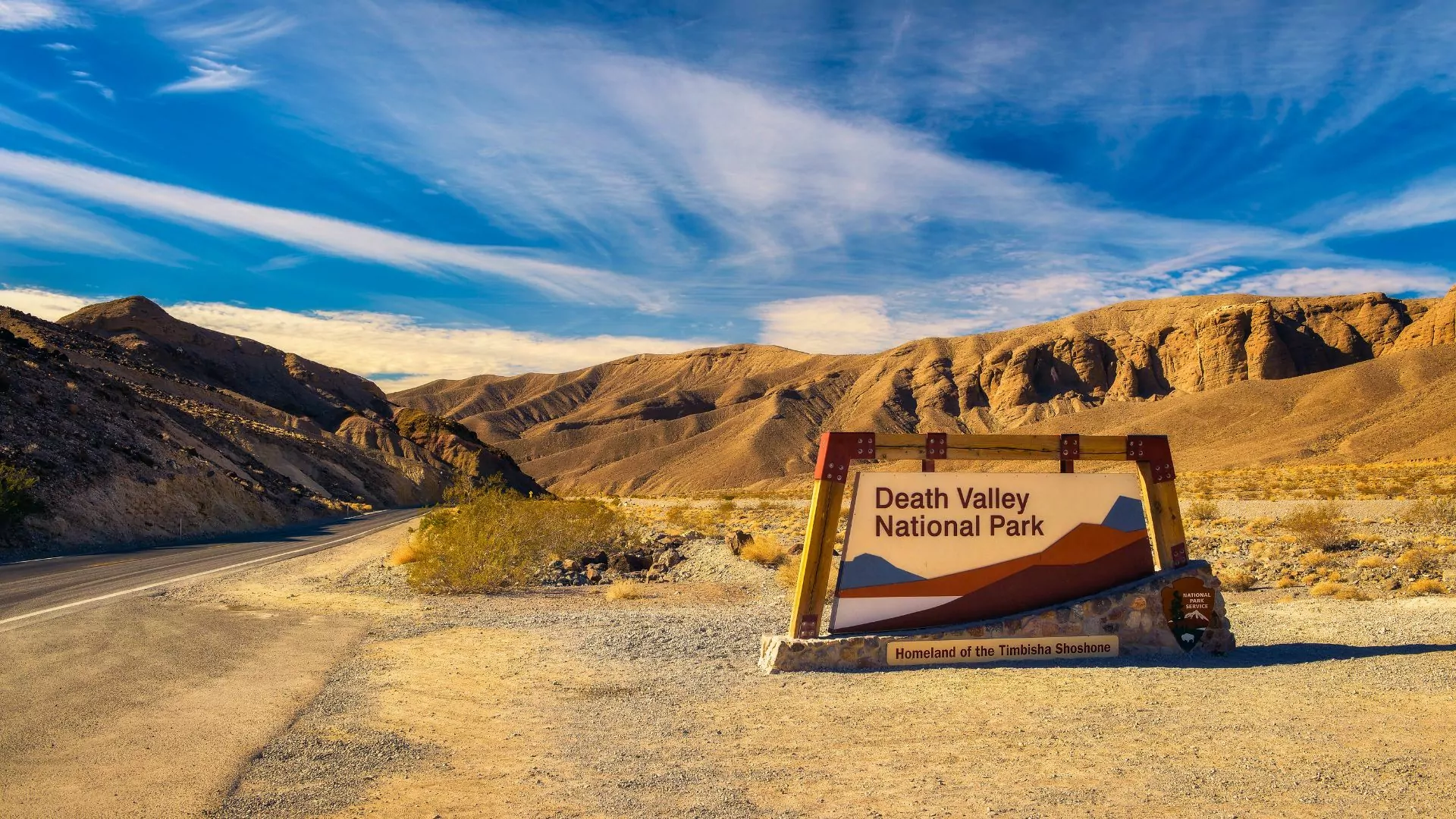
While a California superbloom can technically happen anywhere in the state’s wildflower zones, there are a few locations that consistently steal the show.
Death Valley National Park
Death Valley is the heart of superbloom hunting. Record rainfall in late 2025 has positioned the park for a strong bloom, possibly even exceptional in places. The National Park Service stated that 2026 has potential for an “exceptional bloom year.”
Best spots include:
- Badwater Road
- Furnace Creek
- Mud Canyon to Hells Gate
- Slopes near Ashford Mill
In low elevation zones, peak blooms often happen February–March, moving higher by April–May.
If you want the iconic, mind-blowing superbloom photos you’ve seen on Instagram, Death Valley is the place to watch most years.
Anza-Borrego Desert State Park
Experts say that in 2026 however, Anza-Borrego is actually a more reliable bet than Death Valley, thanks to steady rainfall. Predictions indicate above-average blooms, starting mid-February in the lower desert.
Antelope Valley California Poppy Reserve
This is where the poppy magic happens. Hillsides turning into rolling orange waves. Early 2026 rain totals have supported this possibility, although Southern California’s overall superbloom potential may be lower this year.
Joshua Tree National Park and Mojave National Preserve
Less consistent than Anza-Borrego but capable of beautiful pockets of blooms when weather aligns.
Northern California hills and coastal parks
Places like Sunol Wilderness, Mount Diablo, Mori Point, and Edgewood Park tend to show dependable annual wildflower displays, superbloom or not.
These aren’t usually “superblooms,” but they are stunning in their own right.
When to See A California Superbloom
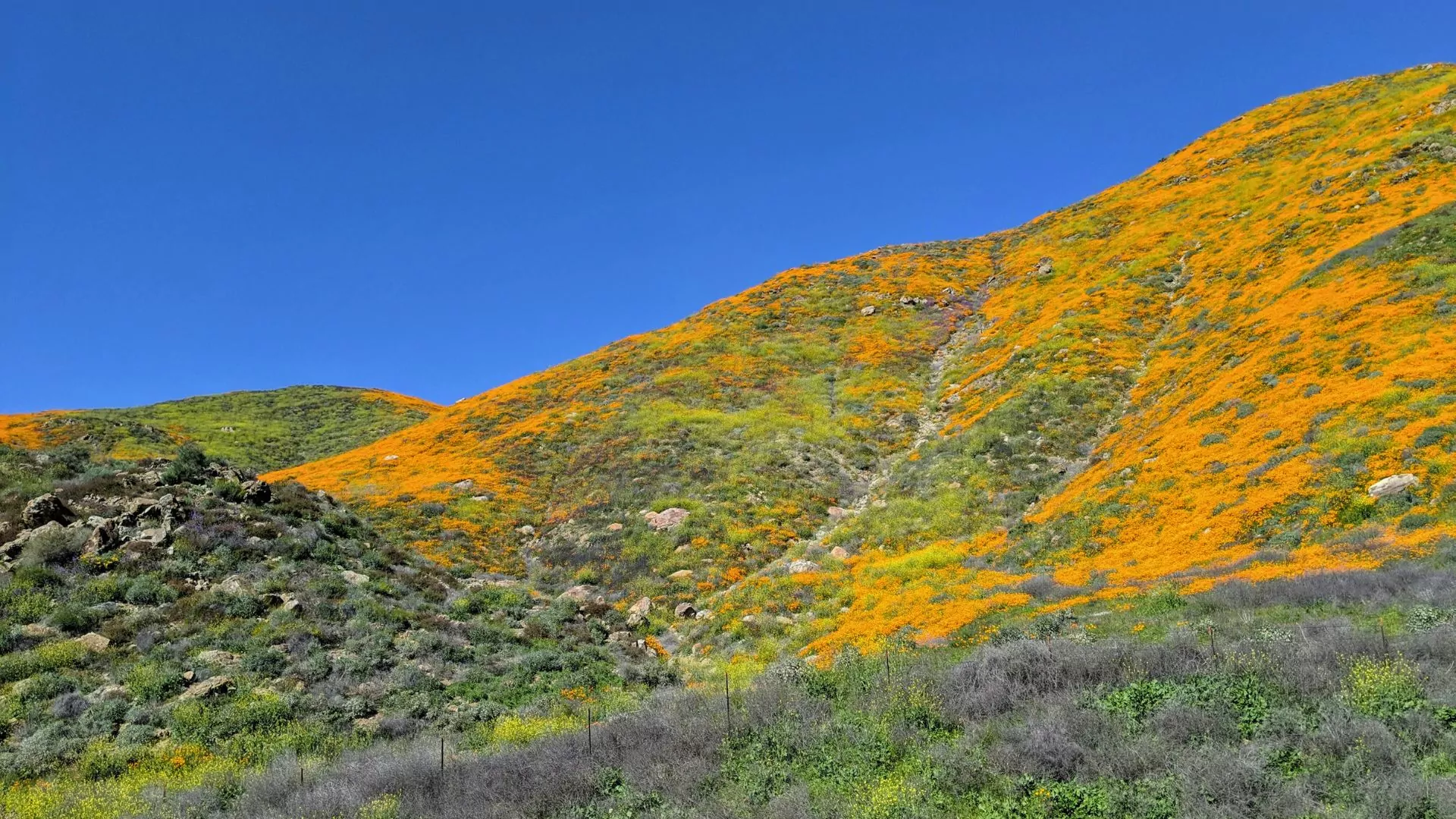
Timing varies by elevation, rainfall, and region, but in general:
- Low desert (Death Valley, Anza-Borrego)– February through April
- Mid-elevation deserts – March to early May
- High elevation foothills or mountains – April through June
Heavy winter rains in 2025–2026 created ideal conditions in several regions. Some desert areas already reported early blooms by January, which is a promising sign for a strong California superbloom season.
How to Predict a California Superbloom
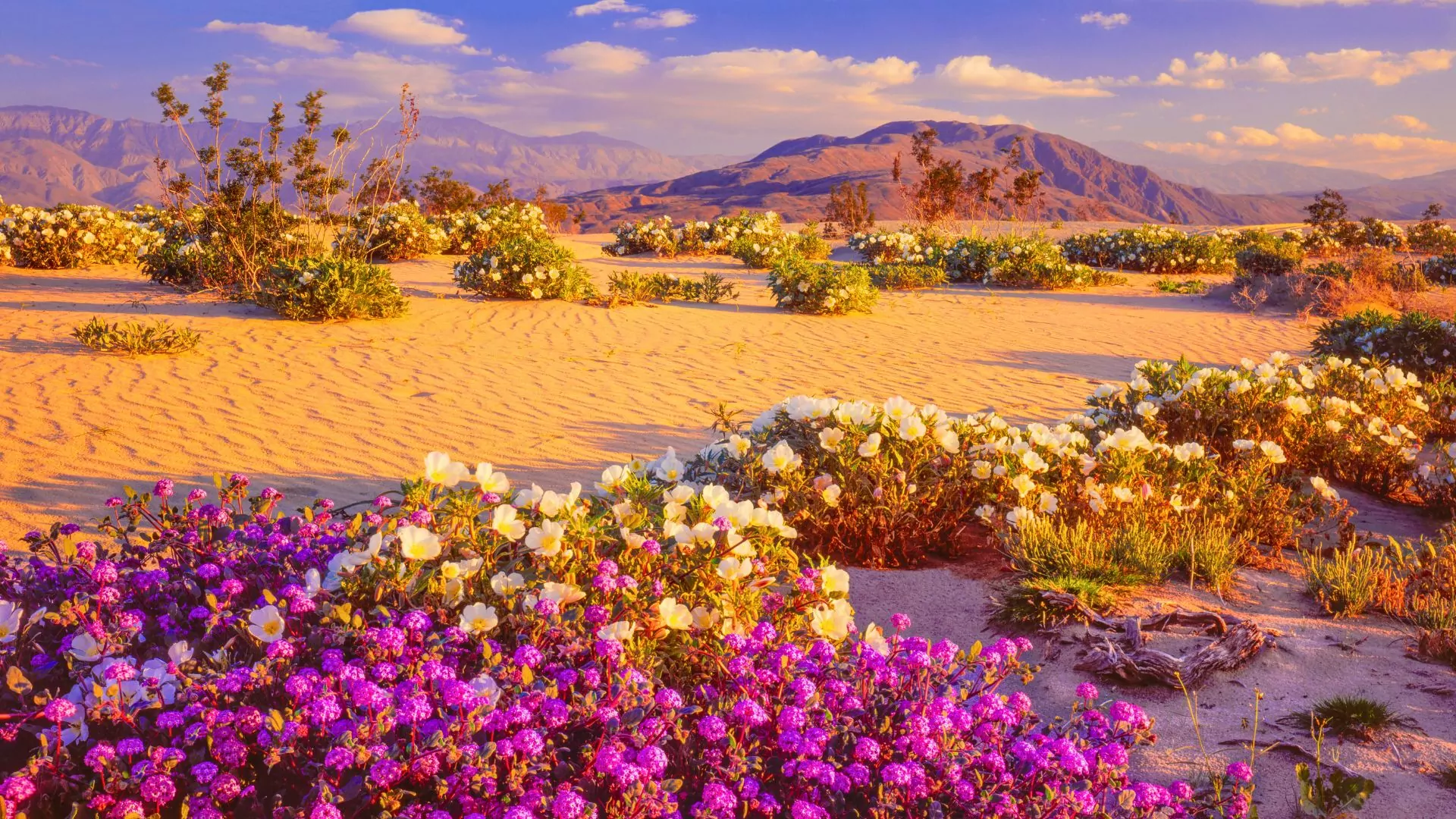
Once you understand how many stars must align, predicting a California superbloom becomes more like detective work. Here’s how I track it:
1. Watch early winter rainfall totals. Heavy rain in November–December = good sign.
Death Valley saw record-breaking rainfall at the end of 2025.
2. Track temperatures from December through February. Are they mild? Are they scorching? Warm winter spells can kill seedlings before you even know they’re there. This winter saw unusual warm periods in Southern California, which may limit superblooms there.
3. Check for follow-up storms. Seedlings need intermittent rain, roughly monthly showers.
4. Look for early blooms. Desert explorers reported early wildflower sprouts in Death Valley washes by mid-January. That’s a major green flag.
5. Consider the region’s superbloom history. Some places, like Death Valley, need near-perfect conditions. Others, like Anza-Borrego, bloom beautifully with far less.
6. Watch for wind. Strong desert wind can wipe out superbloom potential in 24–48 hours.
Why Death Valley Is the Superbloom Superstar
Let me be honest with you: If you’re dreaming solely of the kind of California superbloom photos that go viral? Death Valley is the jackpot.
It is the wildest, strangest, most dramatic location for flowers. It is also the riskiest.
Predictions for 2026 say:
- Death Valley is having a “good bloom” year, not a guaranteed “superbloom” year, due to missing one major early-winter soaking.
- BUT record rains later in 2025 mean it could outperform those expectations. National Park Service says 2026 could actually be “exceptional.”
Death Valley is the heartbreaker and the show-stopper. It is the high-stakes bet. And yet… it’s worth it.
What a Superbloom Feels Like
A California superbloom is not just pretty flowers. It is a sensory overload.
I’m talking about:
- The smell of sun-warmed sand verbena
- Orange poppies shimmering like silk in the wind
- The hum of bees that sounds like an orchestra warming up
- The way the desert gold makes the ground seem lit from within
- The softness of petals against an otherwise harsh landscape
- That overwhelm that comes from seeing beauty arranged on such a massive scale
It feels a little like standing under the northern lights for the first time. Your brain tries to tell you it’s normal, but your heart knows it isn’t.
Tips for SEEing a California Superbloom
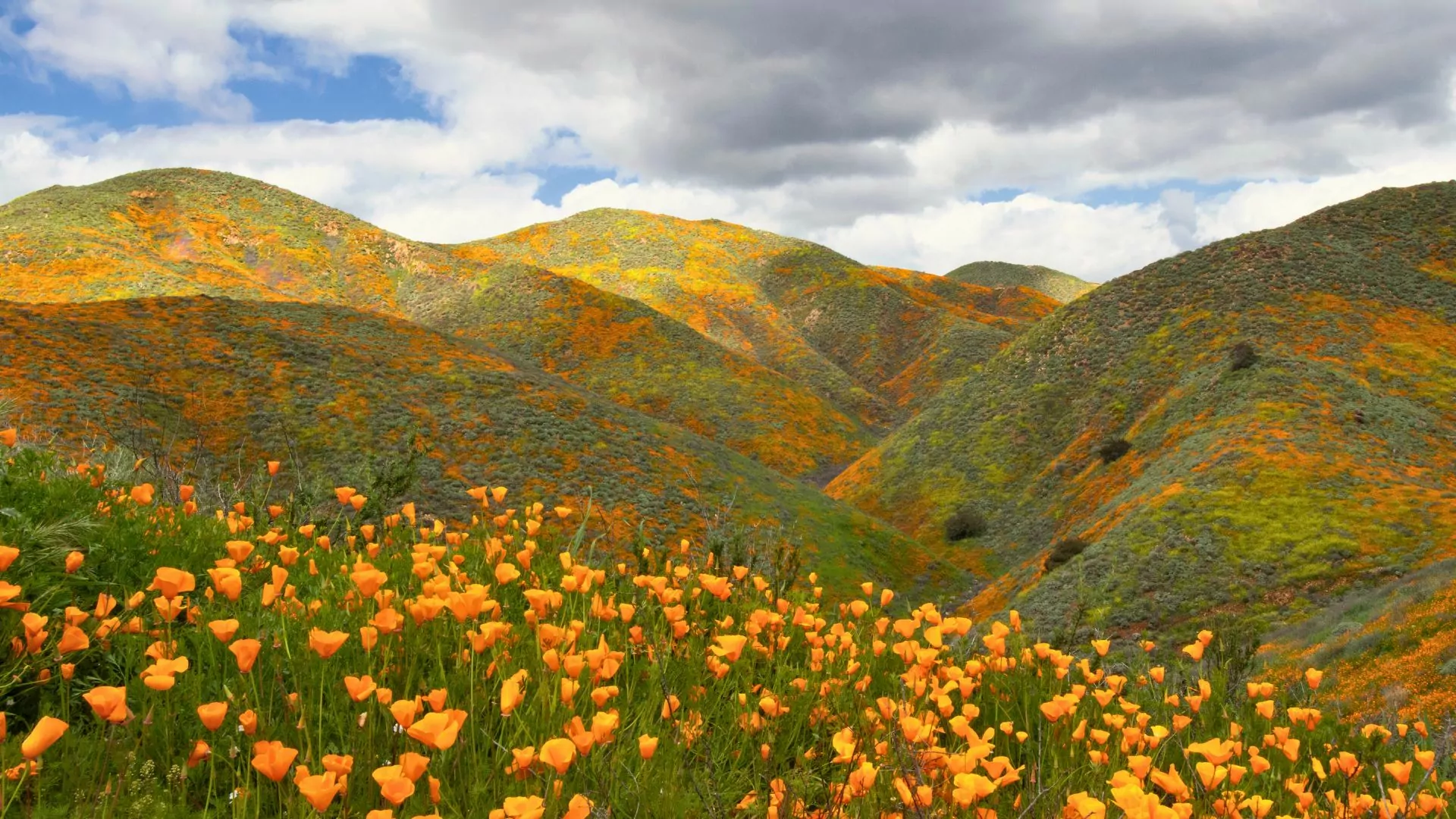
- Go early in the day to avoid crowds.
- Don’t step on the flowers, even if you see others doing it. Stay on durable surfaces.
- Bring more water than you think you need (deserts do not care how excited you are).
- Use sun protection, these blooms happen under very intense sun.
- Let yourself wander. Superblooms often explode in unexpected micro-regions.
Want to hike through potential superbloom country with us?
One thing I love about Wildland is that we don’t just talk about these landscapes, we guide people right into the heart of them. And yes, we absolutely offer trips that move right through areas where the California superbloom most often appears.
Our Death Valley hiking tours place you in the exact terrain highlighted by bloom forecasters as the top superbloom locations. These include regions around Badwater Basin, Furnace Creek, Mud Canyon, and Ashford Mill, which are repeatedly named as some of the best places to see wildflowers during strong bloom years.
This means that if you’re hiking with Wildland during late winter or early spring, there is a real chance you could experience a California superbloom, or at the very least, a very good bloom. Death Valley recorded exceptional rainfall heading into 2026, and early sprouts have already been observed, which is one of the most encouraging signs we look for each season.
Here are a few of the Wildland trips that travel through superbloom territory:
Death Valley Classic Backpack
A four-day journey through remote canyons, desert oases, and wildflower-friendly basins, exactly the kinds of sheltered places where early blooms first appear. And did we mention the herds of wild horses here?
Death Valley Basecamp Tour
These trips explore narrow canyons, dunes, and alluvial fans, prime zones for desert gold, poppies, and sand verbena when the conditions line up.
Death Valley Inn-Based Tour
Staying in Furnace Creek puts you right next to historically documented bloom sites, with daily hikes branching out into potential superbloom hotspots.
A superbloom can never be promised, nature always gets the final say, but these itineraries take you directly into the landscapes that bloom ecologists and the National Park Service identify as the most likely to erupt in color.
So if your dream is to stand in the middle of a California superbloom, or just to experience the desert waking up after heavy winter rains, know that you can absolutely do that with us.
Wildland doesn’t just take you to the trail. We take you into the story the landscape is writing.
And some years… that story turns out to be written in flowers.