

Lightning Safety – Separating Fact from Fiction
Lightning is a powerful force but is something you often don’t think about because statistically speaking, getting struck by lightning is highly unlikely. However, recent news reports have made it clear that even the most seasoned adventurers are not safe if the right precautions are not taken when a storm rolls through. It is as important as ever to understand the risk and the safety due diligence required when in the backcountry. The good news? Knowledge is your superpower out there. Let’s talk about the facts, dismiss the myths and learn practical lightning safety strategies so you can confidently navigate storms in the backcountry.
What Actually is Lightning?
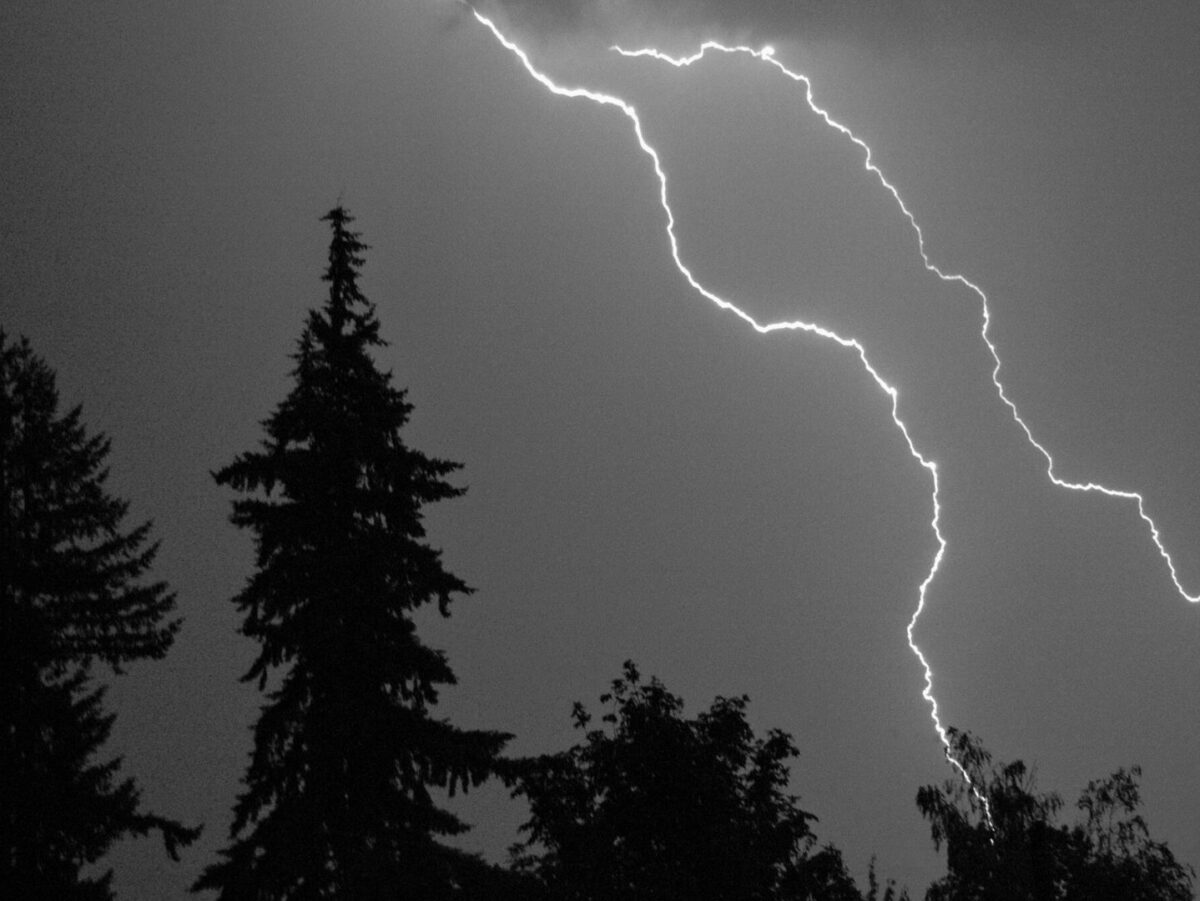
It seems like a funny thing to ask because it’s probably something you learned in grade school but just in case you forgot lets define it. Lightning occurs when electrical charges build up in storm clouds and discharge towards the ground or between clouds. High-elevation terrain, mountain ridges, or open spaces can increase the risk of being struck by lightning because you may be the tallest object around. For example, if you’re above tree line and you see lighting, you need to get below tree line ASAP because in that scenario, YOU ARE the tallest object around.
How Common are Lightning Strikes?
We know that lightning strikes are statistically rare but we also need to consider that they are high-consequence events. According to the National Weather Service, there are an average of 20-30 lightning-related deaths per year in the U.S., and many of these deaths occur in outdoor recreational settings. If you are a backcountry adventurer, this means that while you don’t need to panic, lightning safety awareness and preparation are key.
Lightning Safety at 10,000 Feet
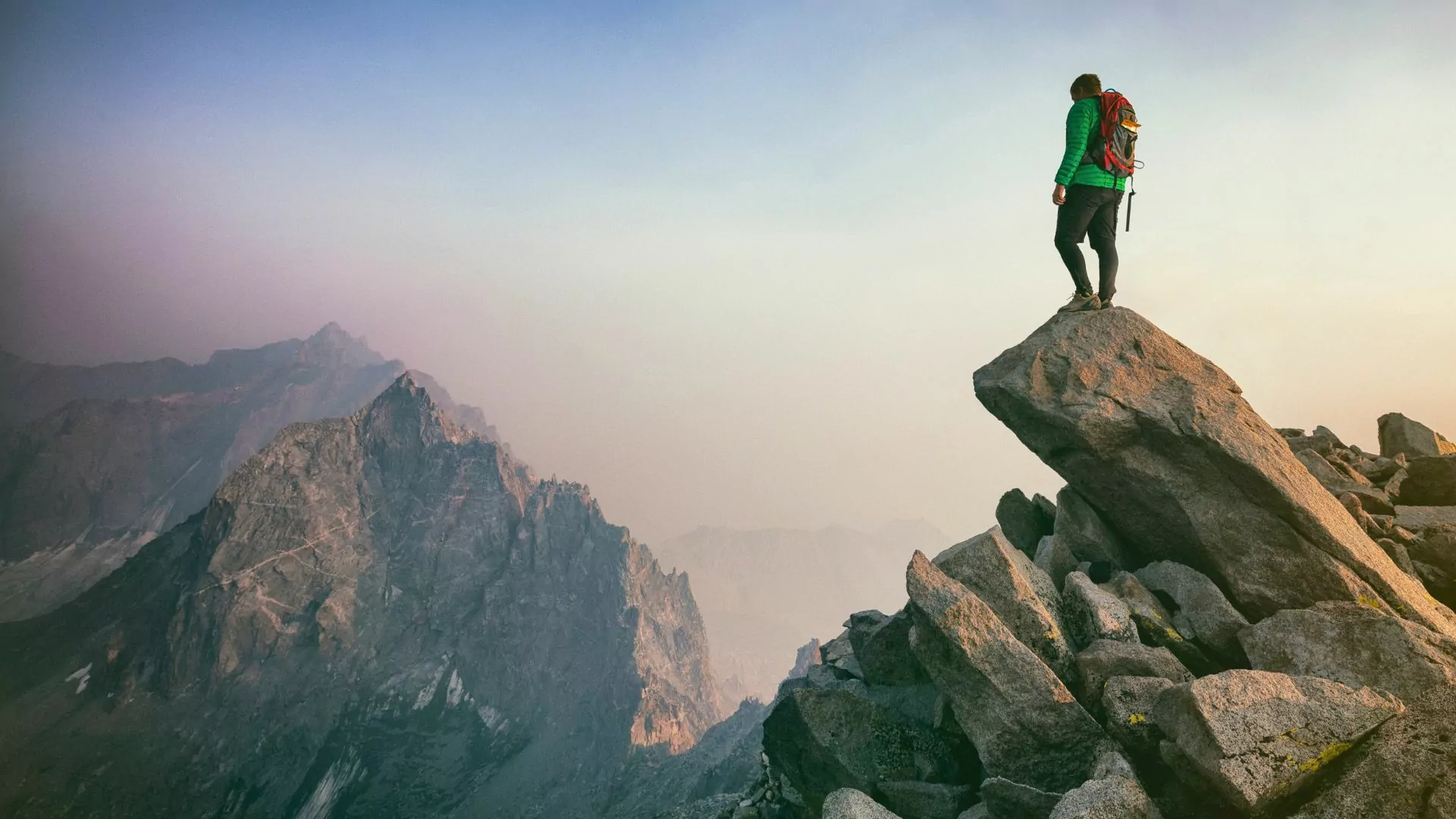
Picture this, it’s mid-August and you’re on a four night/five-day backpacking trip going from the east side of Rocky Mountain National Park, all the way to the west side. Your traverse takes you over the continental divide and the forecast is… well, spicy! There is rain in the forecast every single day. But you are prepared. You are pulling weather reports, considering the risk factors, and you have planned your daily mileage so you can hopefully reach camp during tiny rain-free windows. This is exciting and is truly the Type Two fun you thoroughly enjoy!
It’s day two, the sun has been holding out, and you are making your way higher in elevation towards the stunning ridge you will be crossing the following day. The vibes are high, and you are feeling good.
Then the sky shifts.
Dark clouds roll in and you know the inevitable is about to happen. It’s going to storm again. This is classic weather for the Rockies, afternoon showers washing away what no longer serves and refreshing the space for new energy. So still, you’re feeling good and actually enjoy the turn of weather, knowing this is just a cycle of life out here and you can find the beauty in it. Plus, you’ve made it to your camp, nestled above 10,000 feet, at the last campsite before you cross the divide. Lush meadows, tall trees, little streams, and wildlife stopping to say hi. It feels like a fairy wonderland. Still keeping in mind that there is a storm coming, you hustle to set up camp. You get your tarp set up, grab a quick drink of water, and put on another layer before you begin setting up your tent. Then the world erupts.
In a matter of seconds, the clouds shift as dark as charcoal but before you have a moment to react, a massive crack of thunder ripples through the mountains. A sound so paralyzing it rips through your ribcage and glues you to the ground. You make eye contact with your travel mate just long enough to process what is coming next, when a vibrant flash of lightning ignites the sky.
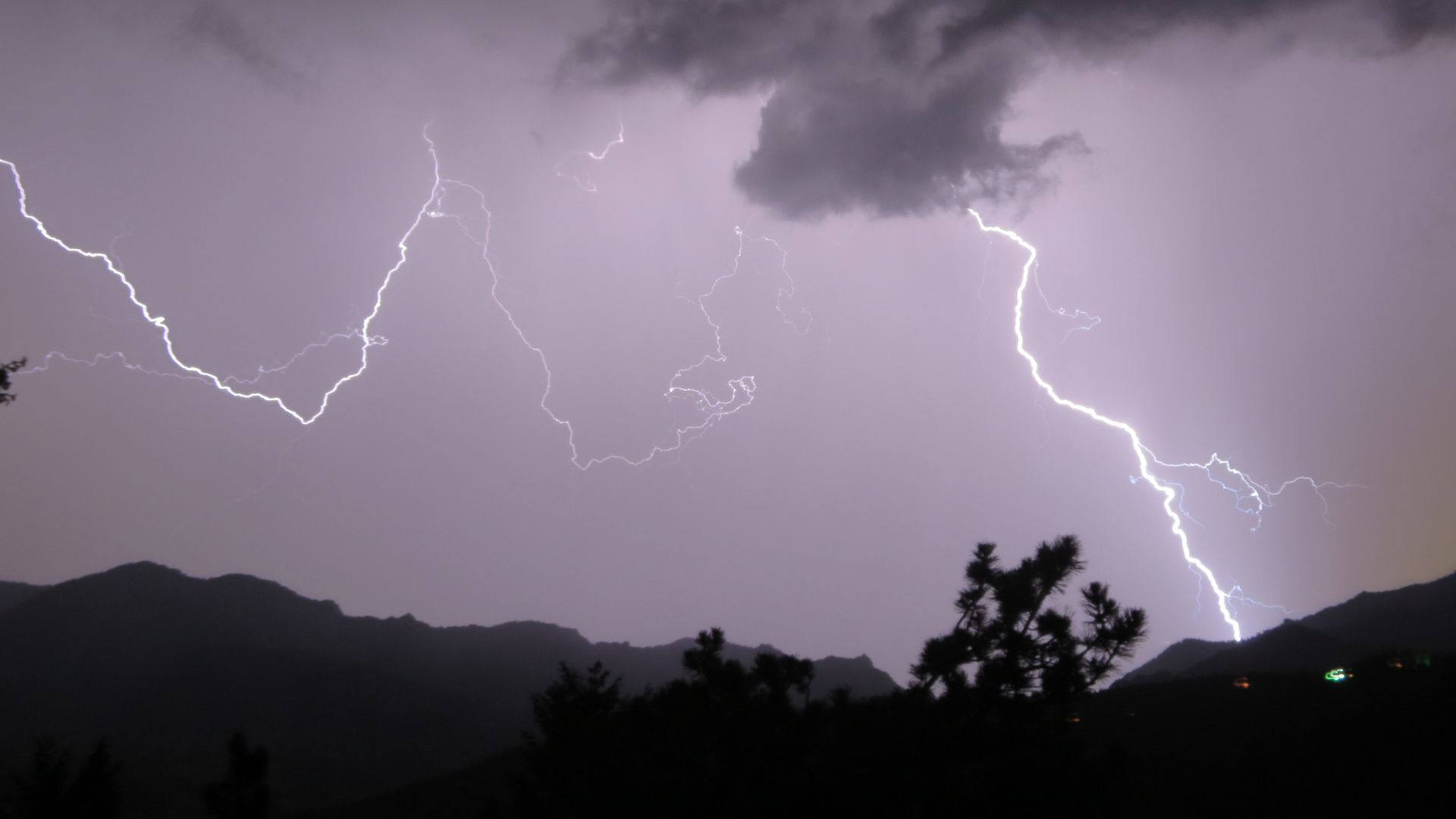
There is no time to think, only time to respond. Lightning safety drill!
You grab your foam pad from your pack, move under a group of trees (not isolated but safely clustered) and spread out from each other. You crouch low on the balls of your feet, heels together, minimizing your contact with the ground, head tucked into your knees, hands covering your ears, body tight. This is the lightning safety position. Then you wait.
Thirty minutes of thunder pounding like a drum and lightning flashes. Cold is beginning to seep in and the adrenaline is starting to fade. You are steady and focused, calling out to your travel mates for reassurance that they are okay. Eventually, the storm moves on. No one is hurt. You can exhale.
But even now you think back to that moment and wonder, what if I hadn’t known what to do? What if fear took over me in the moment and I forgot my lightning safety training?
The experience drove home a truth never to forget, knowledge is your superpower in the backcountry. Gear matters. Fitness matters. But nothing will replace the power of preparedness and informed decision-making. The right knowledge can save your life.
Guided Rocky Mountain High Alpine Adventure
Lightning Safety Do's and Don'ts
What to do
If you find yourself in a storm, these lightning safety steps can save your life:
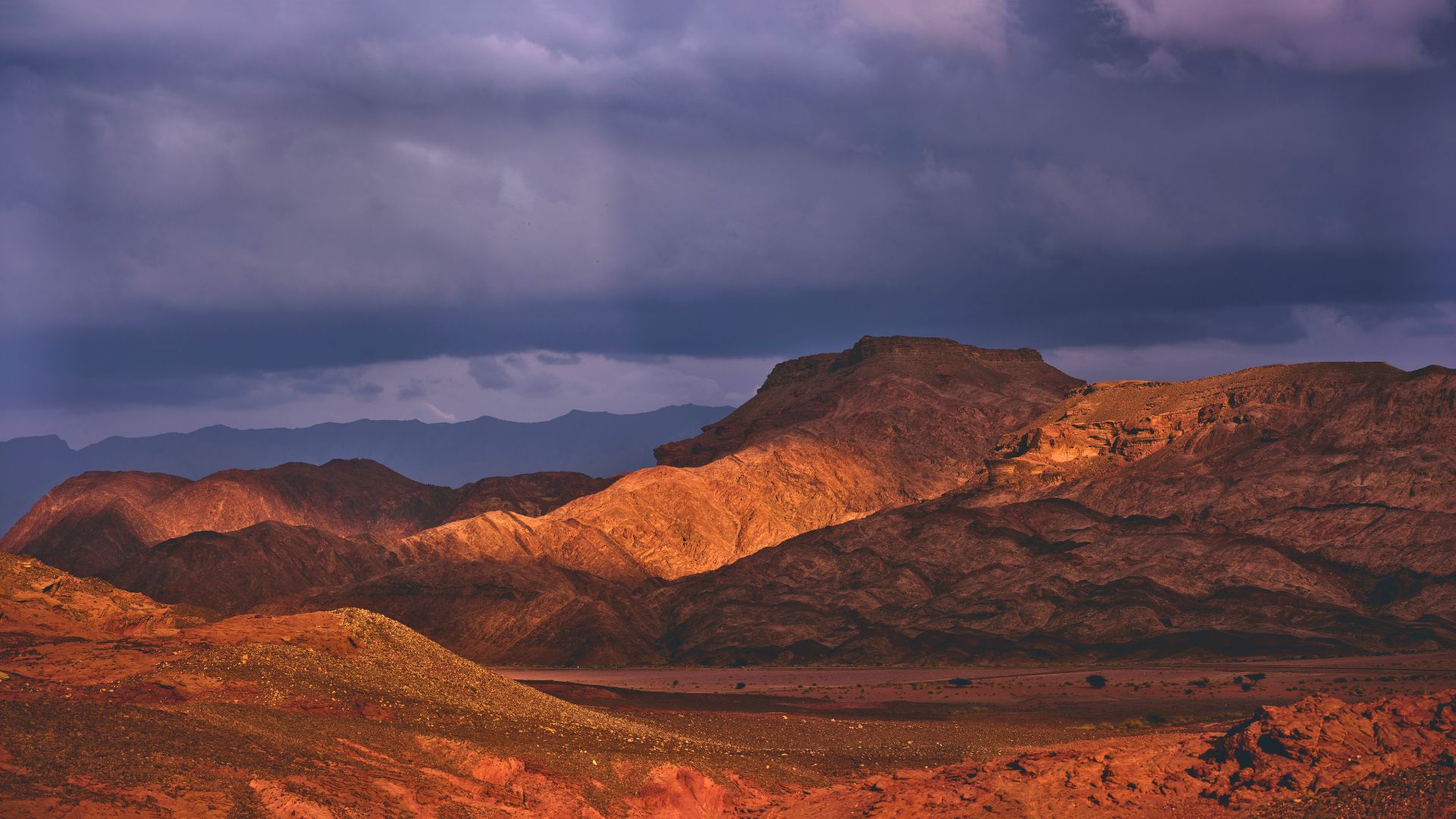
- Move to Lower Ground: Avoid ridges, peaks, and exposed areas. If you are above the tree line, move to lower ground ASAP!
- Seek Shelter: Dense forest, low-lying areas, or enclosed structures (if safe) are better than open terrain.
- Avoid Isolated Objects: Stay away from lone trees, lakes, and other tall features.
- Spread Out: If in a group, spread out 20-30 feet to reduce shock risk. Having one person struck by lightning is more manageable than multiple people and ensures someone remains uninjured to provide CPR and other care
- Lightning Safety Position: Crouch down on the balls of your feet keeping your heels together minimizing contact with the ground. Squat on a foam pad if available or your backpack. Hug knees, head down, eyes closed, hands over ears to protect hearing.
- Follow the 30-30 Rule: If the time between lightning flash and thunder is less than 30 seconds, seek shelter and wait at least 30 minutes after the last clap of thunder before continuing.
What not to do
Common mistakes can increase your risk of injury or even death:
- Taking shelter under isolated trees
- Staying on high points or ridges
- Huddling closely as a group
- Ignoring weather forecasts or pushing to complete your hike despite approaching storms
Avoiding these behaviors is just as important as knowing what to do.
Myths vs Facts
There are many myths around lightning safety so let’s just make a few of these clear.
Myth |
Fact |
|
Metal attracts lightning |
Metal does not attract lightning terrain does and metal can conduct it |
|
Carrying items like trekking poles, jewelry or tent poles inside your pack increases your risk |
Pack frames, trekking poles, tent poles and jewelry inside packs do not increase risk. Keep your pack with you! It provides insulation and survival gear. |
|
Lightning never strikes the same place twice |
Lightning can strike the same place multiple times, especially tall objects |
|
Lightning strikes are a rare occurrence and probably won’t happen to me. I don’t need to worry about lightning safety. |
Knowing lightning safety protocol increases your chance of surviving a storm. |
Thunderstorm Signs
When to Implement Lightning Safety Protocol:
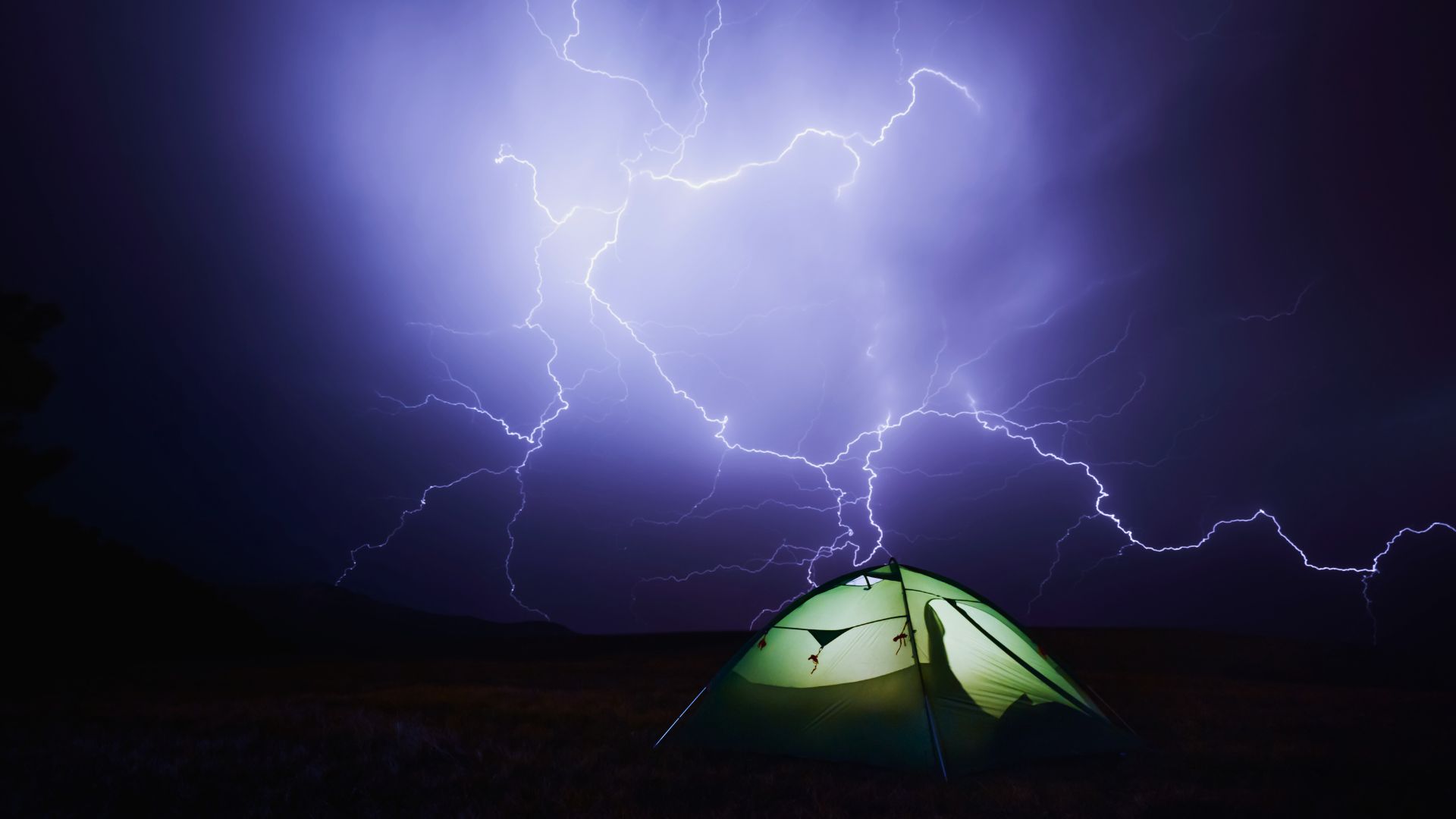
- Rapidly building dark clouds
- Sudden gusts of wind
- Temperature drops
- Distant thunder growing louder
- Forecasting apps and local weather alerts
Recognizing these signs allows you to take action before the situation becomes dangerous.
Alpine & High-Elevation Terrain
Storms form quickly in alpine environments, often without much warning. It’s good to consider the following:
- Descend below tree line before a storm
- Avoid ridges and exposed summits
- Be aware of open meadows, lakes, and rivers where risk increases
- Plan summit bids around weather windows
Being proactive is the key to staying safe in high-altitude terrain.
Lightning Safety Gear and Tech
Some safety gear and teach to have on you in the backcountry to add another layer of protection and safety if an emergency occurs:
- Weather Apps: Keeps you up to date with current weather
- Emergency Communication Devices: Satellite messengers like Garmin InReach
- Shelter Options: Lightweight tarps or emergency bivies
- Pack Strategies: Keep gear accessible if you need to move fast
Empowerment Through Education
It is true that death by lightning is rare, but in the backcountry it is more common than you’d think. The right lightning safety knowledge can empower you to make smart choices, take precautions, and enjoy the outdoors safely. Knowing lightning safety protocol could save your life. Remember, it’s always okay to turn back, wait out a storm, or choose a safer route. Your safety should always come first. Now that you know the facts, the myths, and have a personal experience point of view, you’ll be better equipped to navigate storms, protect yourself, and continue your adventures with confidence.
READ: Basics of Wilderness First Aid
Happy Trails & Safe Travels