

Wildfire Safety 101 for Hikers
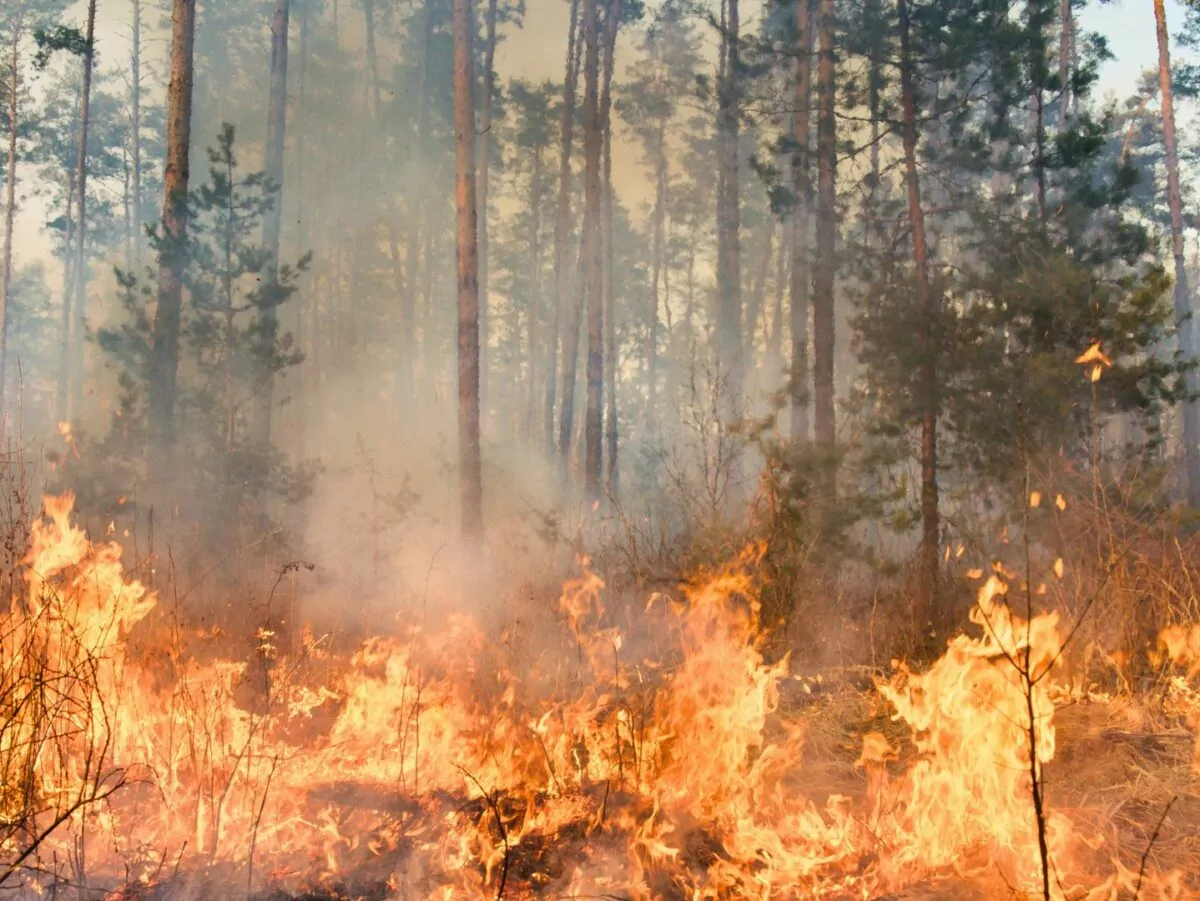
Planning a multiday hike in the western United States now means accounting for wildfire as a normal condition rather than an exception. Fire is no longer limited to bad years or isolated incidents. Whether walking in Arizona, California, Oregon, the Rockies, or virtually anywhere in the western United States, wildfire safety is a factor that shapes decisions well before a trip begins.
Growing up in the East, wildfire safety was not part of my outdoor education. It was something I learned later through repeated exposure while planning and traveling in fire-prone regions. At first, I treated wildfire safety as a secondary concern, something that might interfere with a trip if circumstances aligned poorly. Over time, that framing stopped holding up as fires have become much more common. Fire behavior is shaped by factors such as winter snowpack, spring winds, summer heat, and the timing of seasonal moisture. Paying attention to those patterns helps explain why, where, and when fires occur.
Preparation
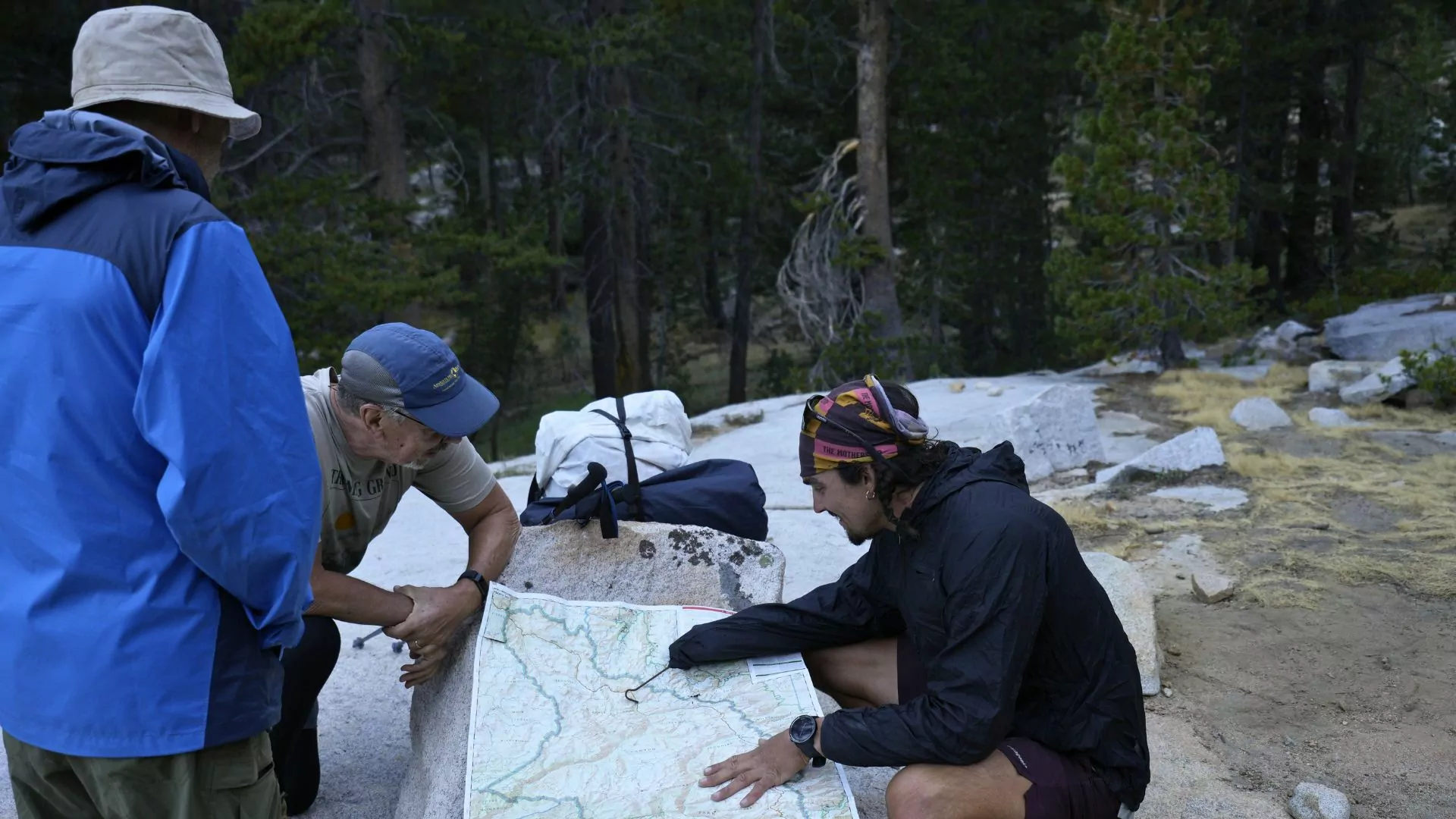
When preparing for trips in fire prone regions, I spend as much time looking at past seasons as future forecasts. Certain areas burn repeatedly. Specific elevations and aspects carry risk earlier or later in the year. Dry winters tend to increase the likelihood of fires in the following season, while heavier winters often do the opposite. Instead of asking whether preferred dates will work, I consider what conditions are likely to exist when I arrive.
That shift changes how planning functions. Routes, directions, and timing remain adjustable rather than fixed. This is not about anxiety or caution for its own sake. It reflects an understanding that the landscape operates independently of personal schedules. Refundable travel and open-ended itineraries support that approach, but the underlying change is mental rather than logistical.
Research
As a start date approaches, attention turns to current conditions. Active fires are only part of the picture. Recent burns, weather trends, and regional behavior all inform how a season is unfolding. This does not prevent disruption, but it reduces the sense of surprise when plans change.
Once on the trail, wildfire safety conditions continue to factor into day-to-day decisions. Updates may be checked when service allows, and fire maps reviewed ahead of longer stretches without coverage. Fire perimeters provide limited information on their own, while wind direction and smoke distribution often have more immediate relevance which can be assessed without service.
Direct communication with land managers has proven consistently useful. A brief phone call often provides clarity that no amount of online searching produces. Those conversations can also shift perspectives. Closures and restrictions are rarely abstract decisions as they reflect conditions that extend well beyond a single trail or user group.
Read: How to plan a backpacking Route
Route Planning
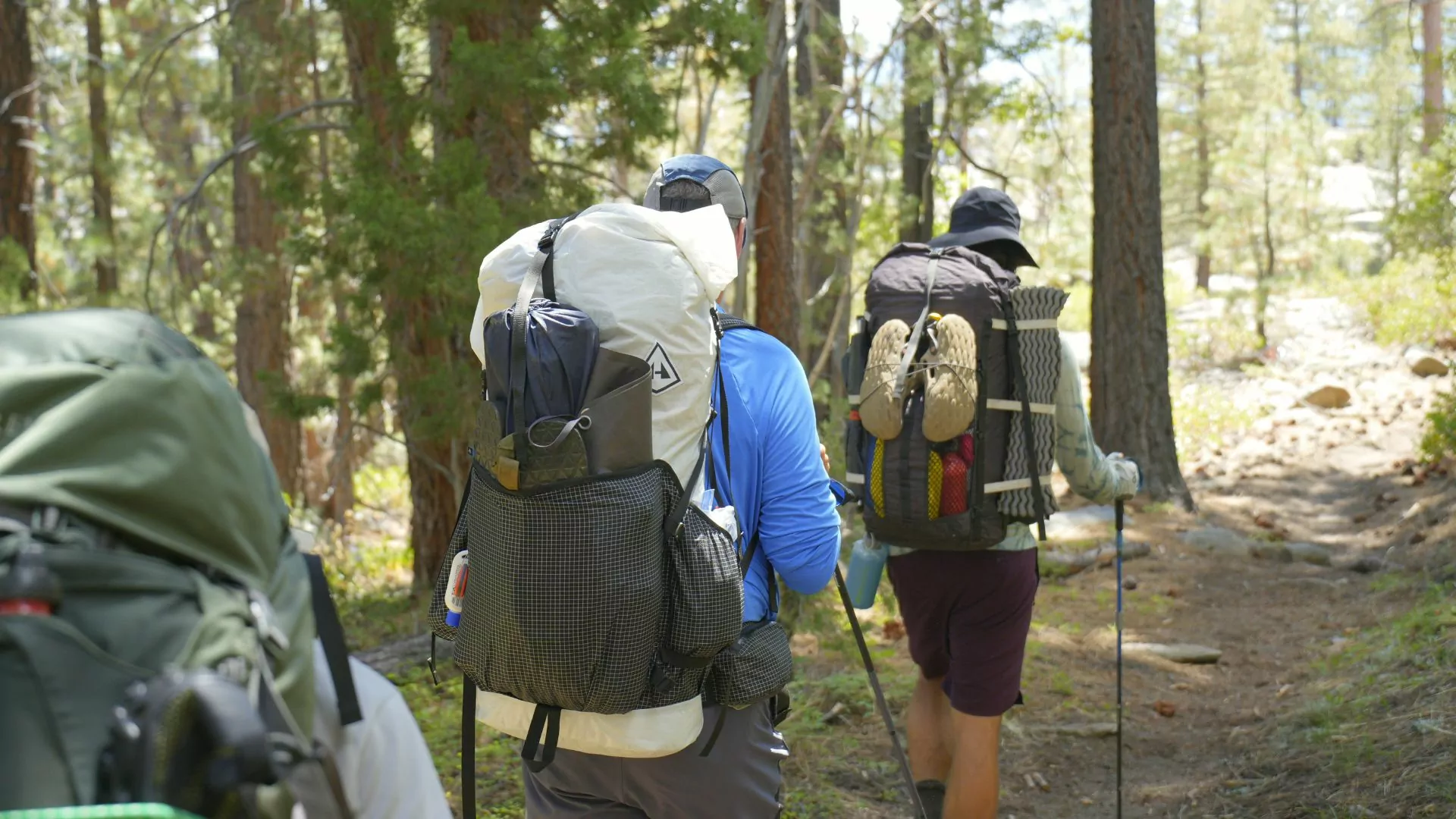
Wildfire safety also affects where it makes sense to hike at all. In many cases, the most straightforward response is to choose a different area. The western United States offers a wide range of terrain, climates, and access points, and fire conditions vary widely by region. Shifting a trip to a location without active fires or smoke often reduces risk and complexity more effectively than trying to work around closures or degraded conditions.
Reroutes are sometimes workable, but they are not universally better than changing locations. Some alternatives introduce new hazards such as highway walking, limited water, or prolonged smoke exposure. In those cases, continuing to modify a route may increase risk without improving the experience. Stepping away from a fire affected area and returning later, or choosing a different region altogether, can be the better option.
This approach does not always require abandoning objectives or redefining success. It reflects a practical assessment of conditions and available choices. Hiking remains possible in many places even during active fire seasons and selecting where to go is often the most consequential decision that gets made.
Wildfire Safety Considerations
Air Quality
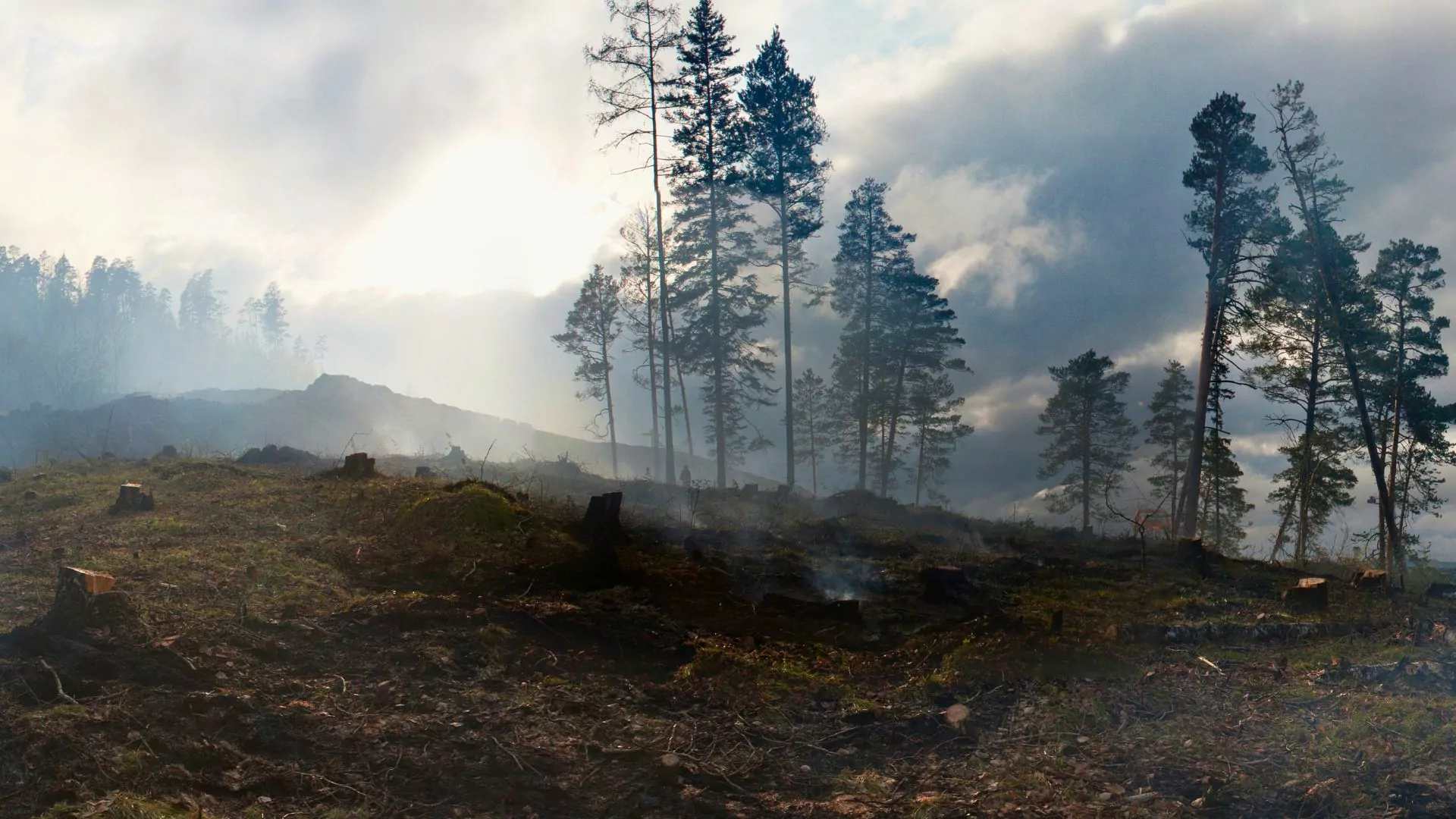
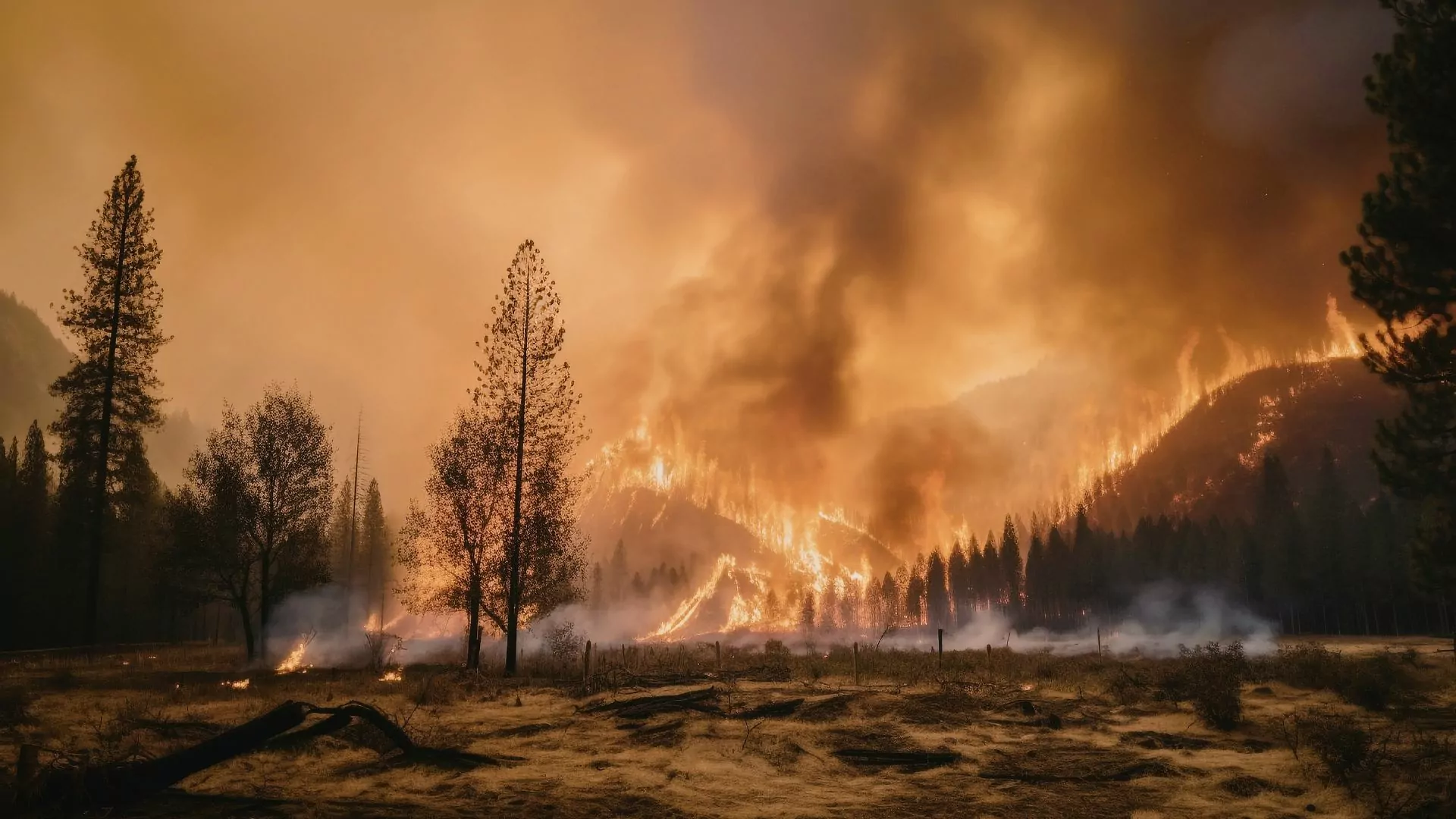
Smoke deserves independent consideration from flame when it comes to wildfire safety. Poor air quality degrades endurance, increases dehydration, and amplifies heat stress. These effects accumulate. Shortening days or taking a break from the trail in sustained smoke conditions is often better than pushing through.
Water Sources
Water planning can also be affected in areas that have burned or recently experienced fire activity. Changes in vegetation and soil can alter runoff patterns and water quality, and debris or sediment may appear in sources that were previously clear. Loss of shade can increase exposure and evaporation, which may lengthen water carries and increase overall demand. Because conditions vary widely, relying on a single source or past experience is often insufficient, and having backup options or additional capacity becomes more relevant in fire affected terrain.
Communication
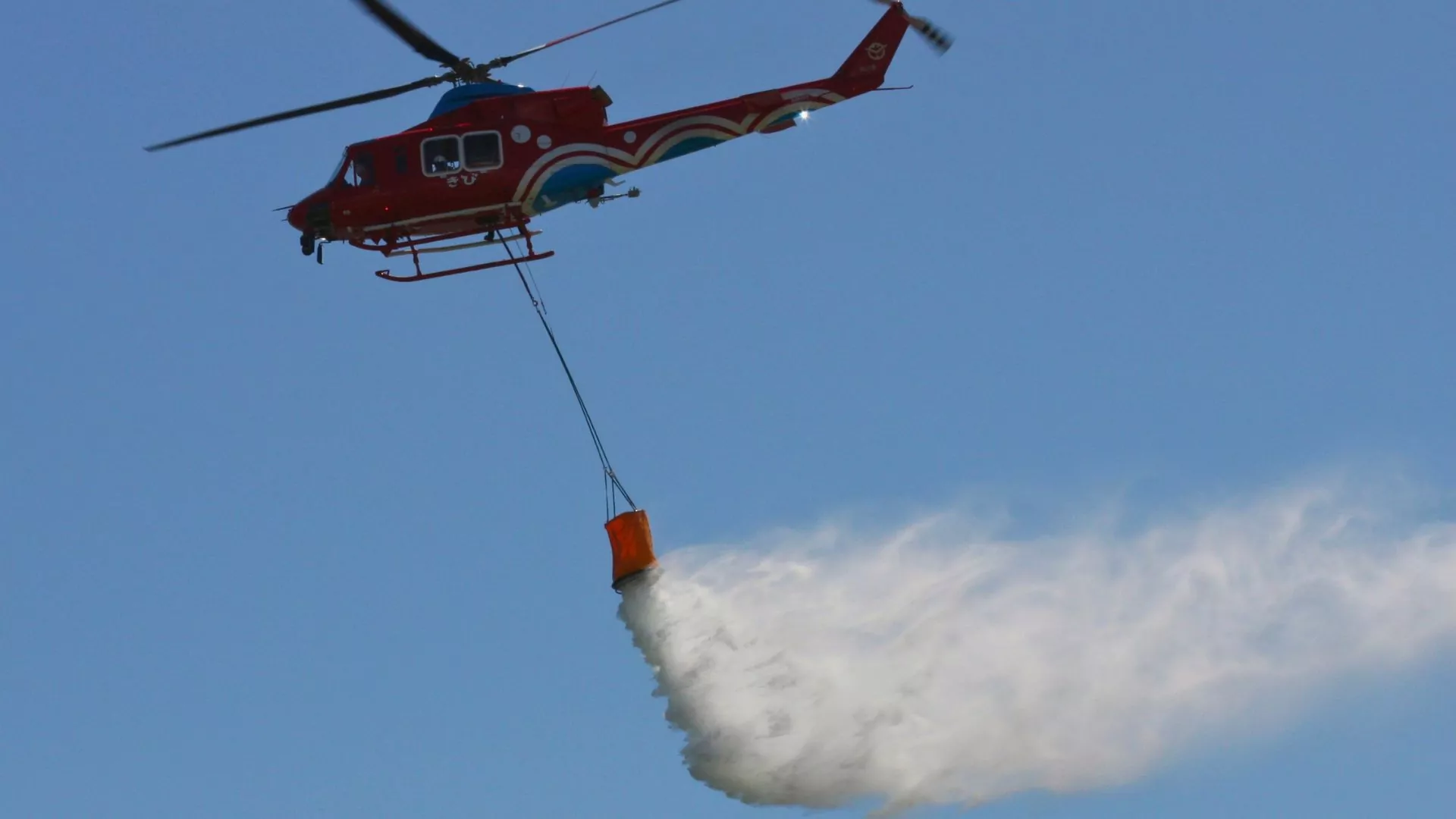
As conditions become less predictable, communication tools take on added importance in wildfire safety. Satellite phones and messaging devices allow access to updates and emergency services beyond cellular coverage. During fire season, conditions can change faster than hikers can reasonably move on foot, and having a reliable way to receive information or communicate changes in plans can reduce exposure to evolving hazards.
In fire-affected landscapes, access and closure information can change with little notice. Trailheads, roads, and permitted areas may open or close in response to shifting conditions. Checking official sources when possible and being prepared to adjust travel plans based on new restrictions helps prevent unintentional violations and reduces the likelihood of becoming stranded by sudden access changes.
Pro Tips for Wildfire Safety
Staying Pragmatic
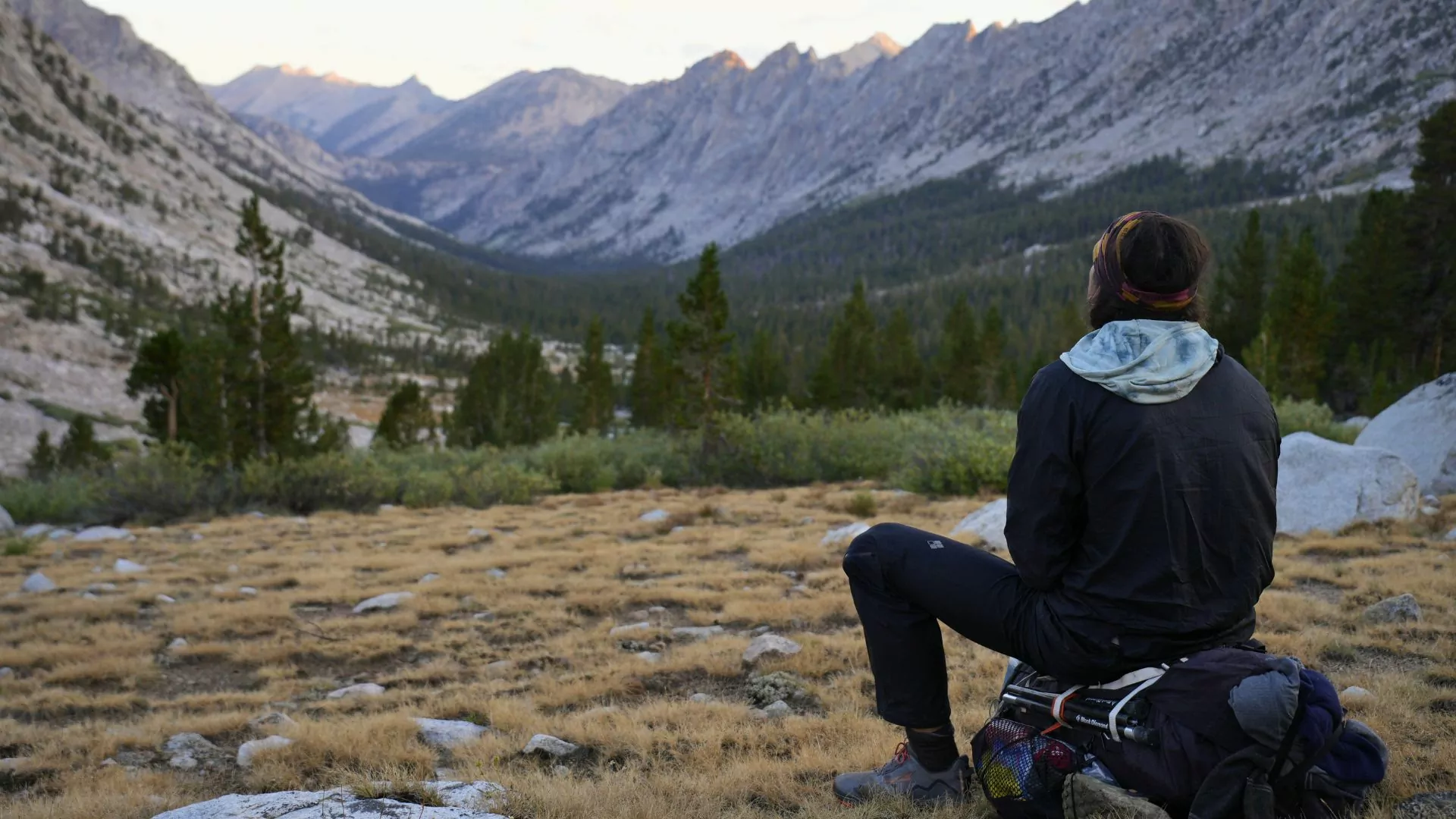
The most challenging aspect of wildfire safety is often cognitive rather than physical. Fire can dismantle long standing plans quickly. The impulse to push forward or salvage a predefined outcome can override judgment. Approaching western hiking as a series of segments rather than a single continuous objective makes it easier to change plans and return later.
In practice, this often appears during the planning phase rather than on trail. Conditions can evolve over days or weeks, requiring repeated reassessment as new information becomes available. What initially appears viable may no longer be appropriate as closures, smoke, or weather patterns shift, and maintaining flexibility over time becomes part of managing risk rather than a sign of uncertainty.
In 2025 I canceled a planned hike of the Uinta Highline Trail due to the Beulah Fire. Instead of trying to rework the trip around closures and smoke, I chose a different objective and completed a bikepacking trip from Canada to New York City. The shift preserved time outdoors without requiring travel in active fire conditions.
Takeaways
Wildfire safety does not require complicated frameworks. If an area is actively burning or affected by heavy smoke, the simplest response is to go somewhere else. There are other places to hike, and postponing or changing location is often the best option available.
Land managers close areas for specific reasons tied to conditions on the ground. Following closures and restrictions reduces risk to both visitors and the people responsible for managing emergencies. Entering closed areas or trying to work around restrictions increases the chance of injury, evacuation, or interfering with response efforts.
Fire is part of the western landscape therefore when hiking there, wildfire safety must be too. When decisions are made in response to conditions rather than attachment to a plan, they are often straightforward. Many of the difficulties associated with wildfire safety arise when fire is treated as an obstacle to work through rather than a signal to choose a different place or time.