

Where to Stay When Visiting Great Smoky Mountain National Park
As a wilderness guide, I spent my childhood camping in the mystical Smoky Mountains. My Uncle would play Appalachian tunes on the fiddle by the fire, and we would watch the fireflies create synchronous light shows like the stars dancing in the forest. When we wanted a little town fun, we would make a trip to Gatlinburg for pancakes, Ripley’s Believe it or Not, or even a day in Dollywood to “hoop n’ holler” our joy on a wooden roller coaster. Great Smoky Mountains National Park is the most visited National Park in the United States, largely because it is located within a day’s drive of half the nation’s population. Unlike most National Parks, it does not charge an entry fee—only a $5.00 parking pass is required. This accessibility allows many people to enjoy the park’s vast wilderness, trails, and diverse habitats for free.
The Smoky Mountains offer stunning mountain views, excellent opportunities for wildlife observation in one of the most biodiverse areas in the country, and rich insights into Appalachian history. If you’re looking for options for where to stay in Great Smoky Mountains National Park, you will find a variety of choices, ranging from rustic in-park camping to cozy cabins. While nearby towns offer comfort and access to local attractions while drawing you into the world of Appalachia.
Read: 6 Things to do in the smoky mountains
Where to Stay in Great Smoky Mountains National Park
Great Smoky Mountains National Park is the most biologically diverse National Park in the United States, making it an excellent location for wildlife viewing. I grew up camping in the park, and it became a tradition for our family to go on a “critter-watch drive” after dinner, during which we often spotted deer, elk, firefly light shows and numerous black bears and their adorable cubs. If you are wondering where to stay directly inside the Great Smoky Mountains National Park, staying inside the park itself is one of the best ways to immerse yourself in the wilderness.
REad: When to visit Great Smoky Mountains National Park
Camping
The National Park has ten front-country campgrounds, including five group campgrounds. Although a few are first come first serve, most campgrounds should be booked on recreation.gov, and it is best to do so 6 months in advance in peak season (March-October) and 2 months in advance in the off-season (November-February). Below are a few of our favorite basecamps for exploring in the park:
Elkmont Campground – The largest and most popular campground in the park, Elkmont sits along the beautiful Little River and is close to many of the Great Smoky Mountains’ most classic hikes, including Laurel Falls and Clingmans Dome. Many of the campsites are near the beautiful river, and you can take time to explore the historic cabins near the campground. When I was younger, we used to camp here on my birthday to see the synchronous firefly display, and it was worth it to see thousands of fireflies blink in unison like “starry night in the forest” in late May or early June. Elkmont is one of the best campgrounds for accessing classic trails, and it is prudent to make reservations early.
Cade’s Cove Campground – This campground sits inside the famous Cade’s Cove Loop. The 11-mile loop features stunning meadows and is one of the best places in the park to spot wildlife, including deer, turkeys, and bears. In the summer, the road is vehicle-free in the mornings and you can rent bikes to ride around the loop. The Cades Cove Visitor Center offers a glimpse into the history and daily life of early Appalachian settlers. Inside, you’ll find small museum exhibits, artifacts, and sometimes a free Ranger-led program that can give you a taste of 19th century mountain life. In the summer, they offer wonderful demonstrations, like anvil making at the blacksmith’s forge or grinding cornmeal at the working Cable Mill.
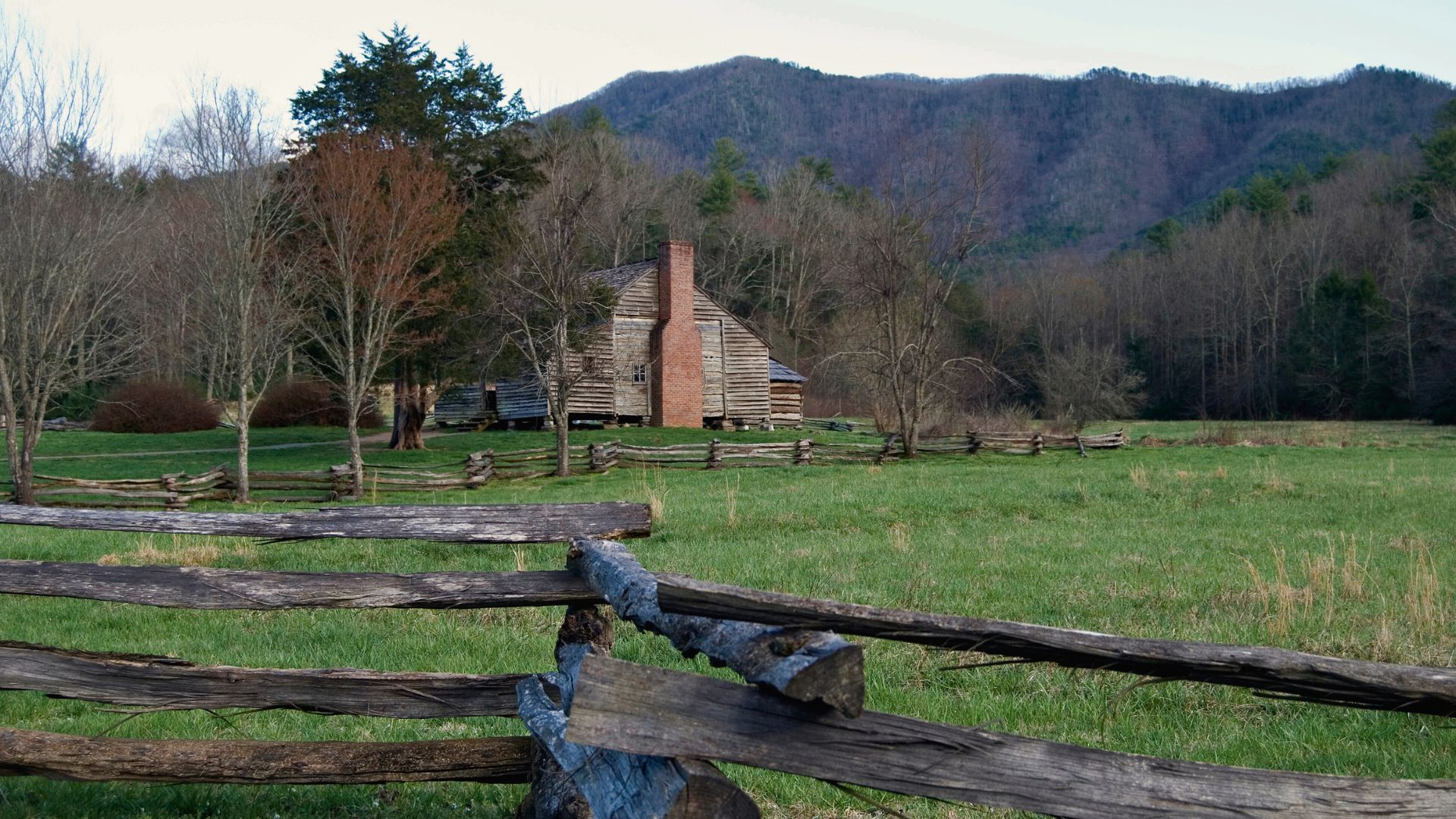
Smokemont Campground – If you are wondering where to stay in the Great Smoky Mountains that offers the “For Rest” element of forest solitude, then the Smokemont campground is a quieter alternative to busier campgrounds and sits in a shaded forest near the Oconaluftee River. It is close to the North Carolina entrance of the park. Be sure to check out the Mountain Farm Museum for a glimpse into Appalachian Mountain life at a historic farmstead, where they often demonstrate traditional homesteading skills like blacksmithing, textile crafts, and heirloom gardening.
Lodging
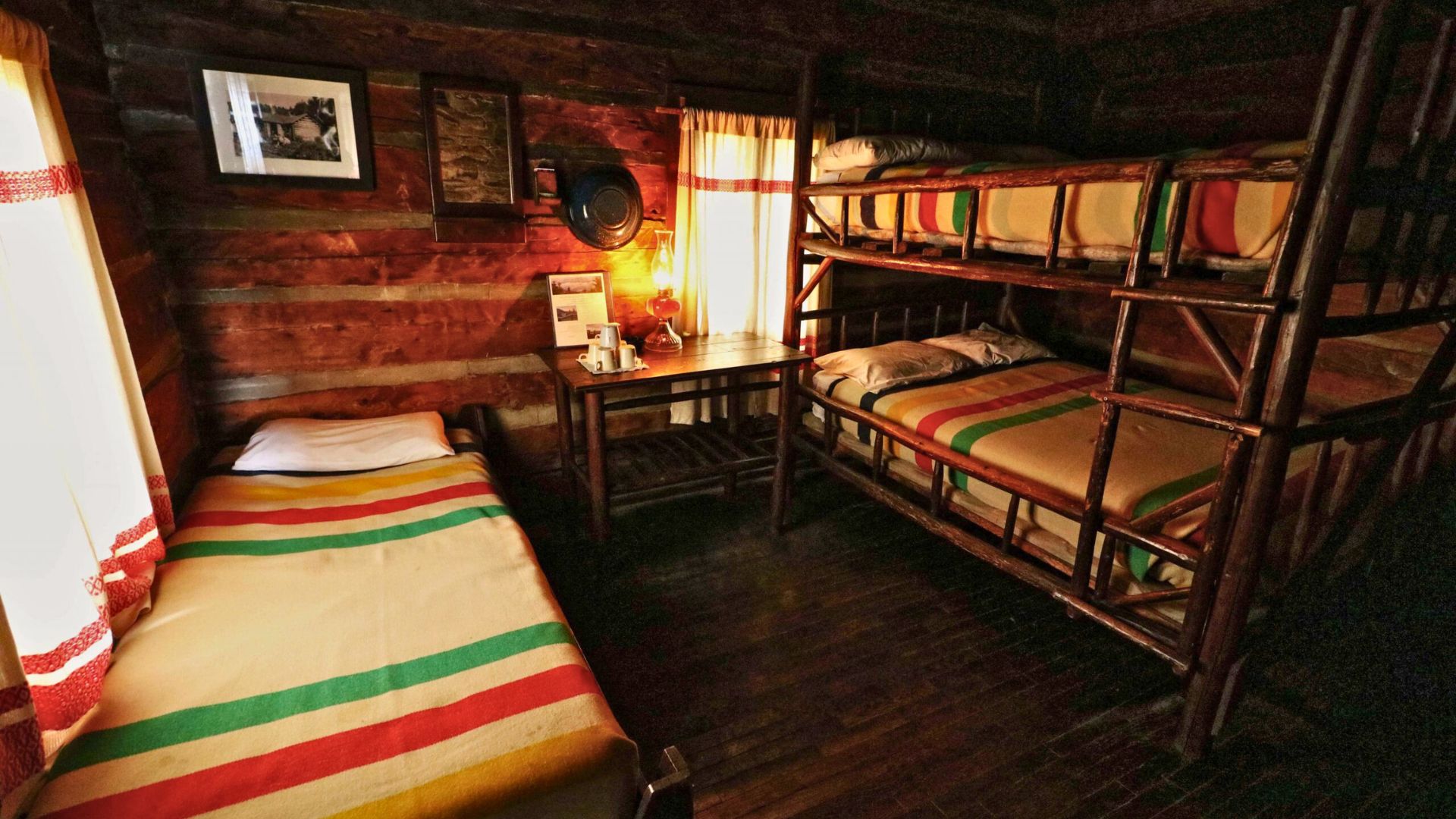
LeConte Lodge – If you are looking for a hotel for your stay in Great Smoky Mountain National Park, the LeConte Lodge is the only in-park lodge. However, it is a bit off the beaten path, as you can only access this famous lodge by hiking one of five trails that lead to the rustic cabin refuge on top of Mount LeConte at 6,593 feet. The hike to the lodge is a bucket-list trip for many park enthusiasts who seek to unplug from civilization, enjoy rustic cabins with sunset views of misty mountains, and savor hearty meals after the hike. The lodge is open mid-March to mid-November and features simple cabins without electricity, with bunk beds, propane heaters, flush toilets, and hot meals cooked by backcountry lodge chefs.
Gateway Towns of Great Smoky Mountains National Park
Gatlinburg
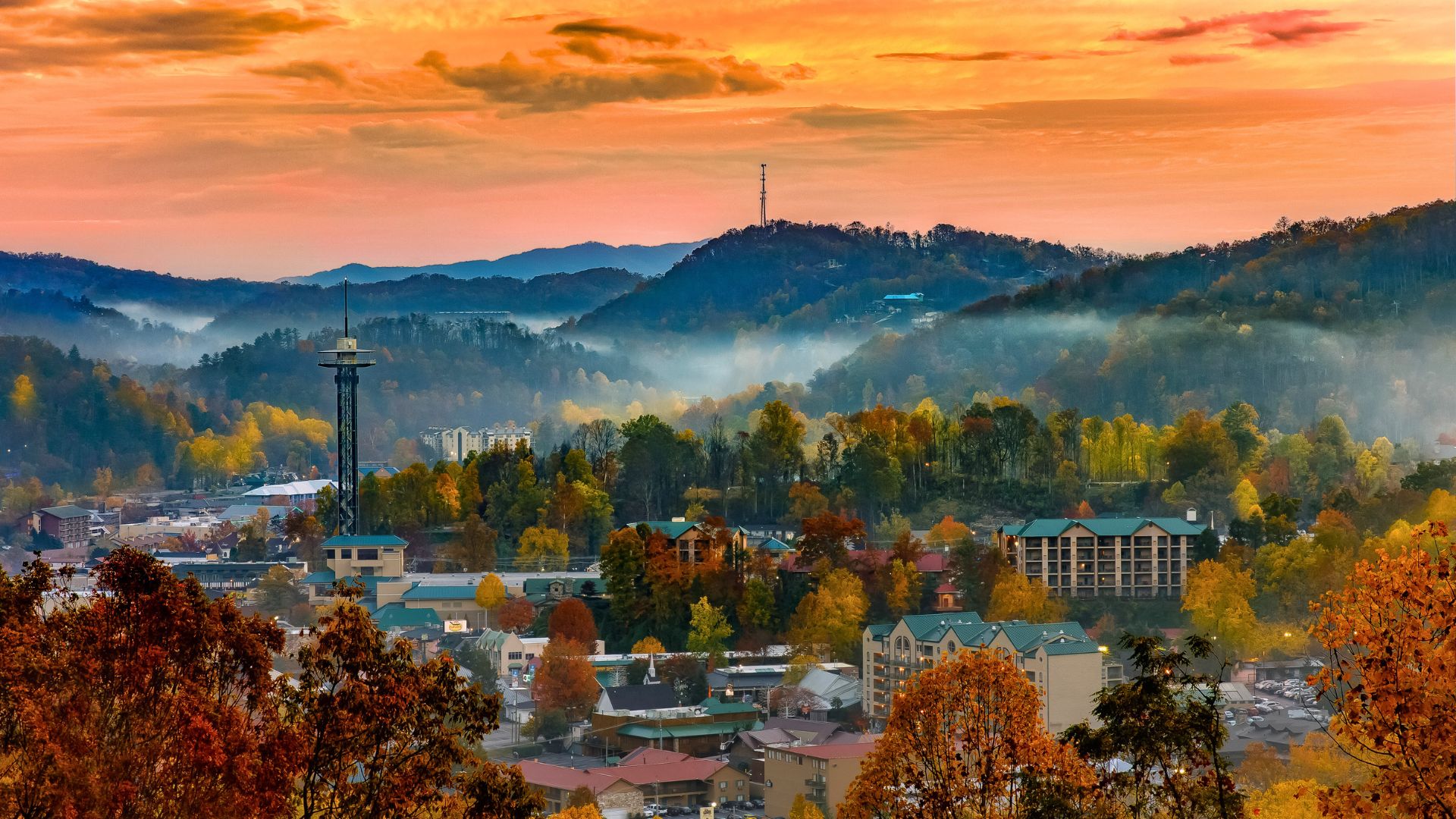
The most popular entrance to the park is from Highway 441, and if you are wondering where to stay in the Great Smoky Mountains both central to the park and close to amenities, look no farther than the town of Gatlinburg. It is a tourist town where you can find a variety of dinner shows, enjoy a moonshine tasting, or try the nearly two dozen pancake houses before heading into the park’s deep Appalachian “hollers,” local speak for secluded mountain valleys.
Gatlinburg is home to popular attractions such as the Sky Bridge (the longest pedestrian suspension bridge in North America), Ober Mountain (a year-round mountain amusement park and ski area), and Anakeetsa (an outdoor adventure park and zipline with treetop canopy highlines). Gatlinburg is also about 10 minutes from Dollywood, where you can ride the famous Lightning Rod and Wild Eagle roller coasters, eat Southern comfort foods, and tap your heels to bluegrass music. Gatlinburg is an overwhelming explosion of tourist adventure attractions with a Southern flair, quirky museums, and kitschy shopping.
The downside to staying in the main gateway to the Smokie is that it can feel a little like an Appalachian circus. My dad, who lives a short drive from the Smoky Mountains and hikes there often, gave me a local’s pro tips, saying, “Gatlinburg is often overpopulated and has heavy traffic. However, if you can find a small cabin outside of Gatlinburg on Roaring Fork Road, you’ll have access to enjoyable, short day hikes, beautiful waterfalls, and intriguing historical homes to explore” One favorite is the Grotto Falls trailhead, which leads to a waterfall you can hike behind.
Bear Valley
The real answer to where to stay in Smoky Mountain National Park isn’t Gatlinburg if you wish to avoid neon, traffic, and crowds—it’s Bear Valley, where guides and locals base themselves for peaceful mountain mornings and early access to quiet trails. Bear Valley is just a 5 to 10-minute drive from Townsend and the Wears Valley entrance, which many locals refer to as the “peaceful side of the Smokies.” I love that it offers a cozy refuge with cabins conveniently located near the park and the amenities of Townsend. Imagine cozy cabins nestled in the woods or by a bubbling creek, many featuring inviting fireplaces or porches where you can watch wildlife and read a book as you unwind in the evening. From your cozy cabin, you get a more wild and intentional experience of nature, and you’re likely to see wildlife during your stay.
Cherokee Entrance
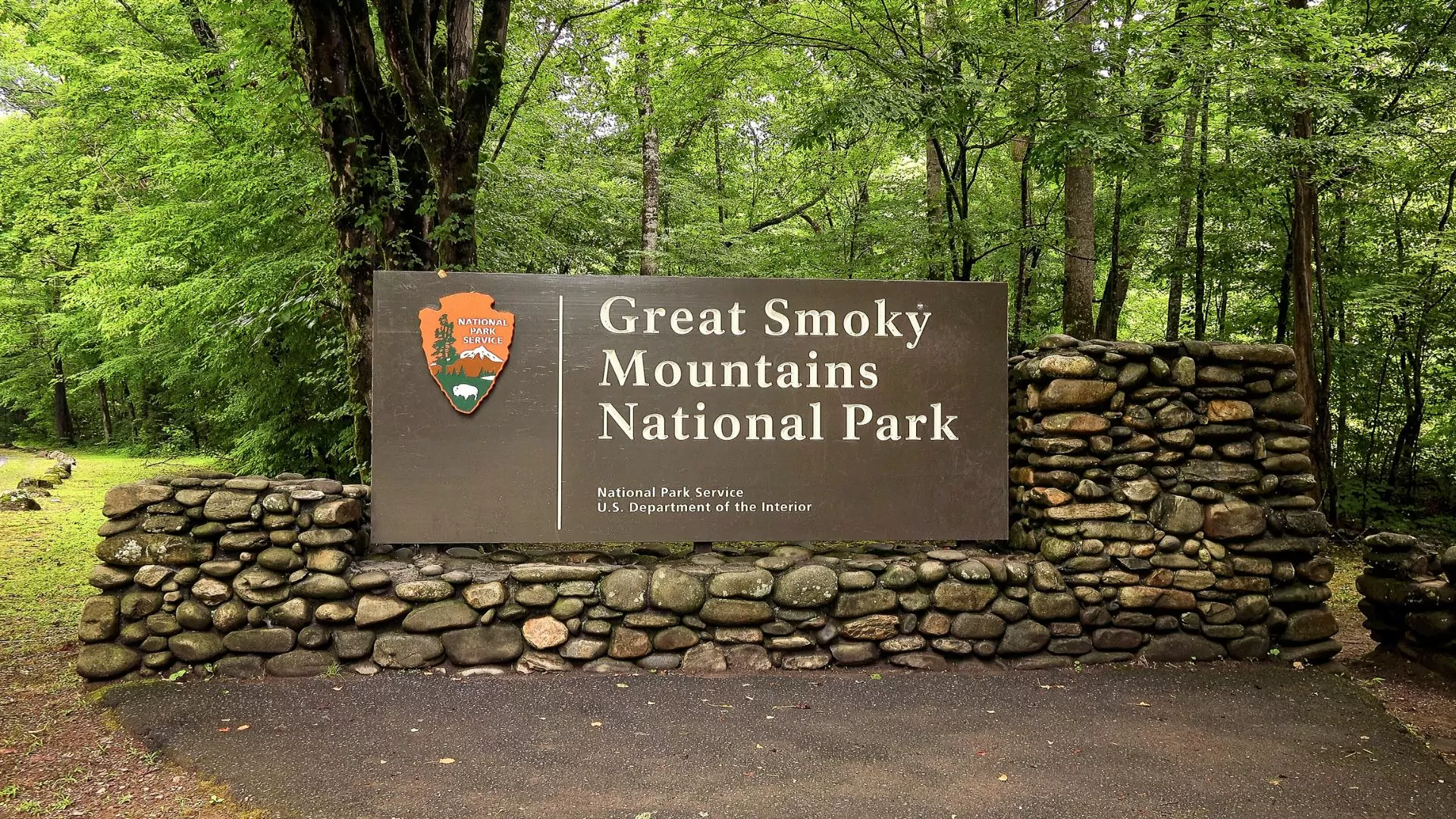
If you are coming from North Carolina and wondering about staying near the Cherokee entrance of Great Smoky Mountains National Park, then the town of Cherokee offers a quieter, less crowded gateway to the park. This area is ideal for travelers who want a mix of nature, culture, and convenience—you’re close to historic sites like the Mountain Farm Museum and Mingus Mill. For travelers visiting Cherokee, there are many ways to experience and learn about First Nations culture in an engaging yet respectful way.
The Eastern Band of Cherokee Indians offers a variety of attractions and programs that provide insight into their rich history and living traditions. The Museum of the Cherokee Indian features interactive exhibits, storytelling, and artifacts that trace the tribe’s journey from ancient times to the present day, making it accessible and informative for visitors of all ages. At the Oconaluftee Indian Village, guests can step back in time to see traditional Cherokee homes, crafts, and farming practices, with guides sharing knowledge about cultural practices and daily life.
If you stay in Cherokee, accommodations range from cabins, lodges, and campgrounds to small inns. Another advantage of this side of the park is direct access to the Blue Ridge Parkway. I love how Cherokee offers a peaceful, more reflective park experience away from the busier Gatlinburg and Pigeon Forge corridors.