

Choosing Between Yosemite National Park and the Ansel Adams Wilderness
The Sierra Nevada in California is a massive, glacially carved mountain range running north to south for 400 miles through the heart of the state. Encompassing three National Parks and millions of acres of National Forest land, the Sierras are home to the highest peak in the contiguous US (Mt. Whitney at 14,505 feet), some of the largest trees in the world in Grand Sequoia National Park, and countless iconic landmarks famous the world over. It’s no wonder, then, that the Sierras have long been considered a mecca for outdoor recreationalists.
Yosemite National Park and the Ansel Adams Wilderness together make up almost 1 million acres of bordering federally protected land in the center of the Sierra. Together they encompass some of the most stunning scenery that the Sierra has to offer, including the jagged peaks of the Minaret Range in Ansel Adams, and Yosemite’s iconic granite monoliths. While they are similar in many ways, a trip to Yosemite compared to a trip to Ansel Adams will offer quite different experiences. When planning a trip and trying to choose between the two areas, it is important to ask yourself what you are looking to get out of your experience. Let’s explore some of the key differences between Ansel Adams and Yosemite to help inform your decision!
What is the Ansel Adams Wilderness?
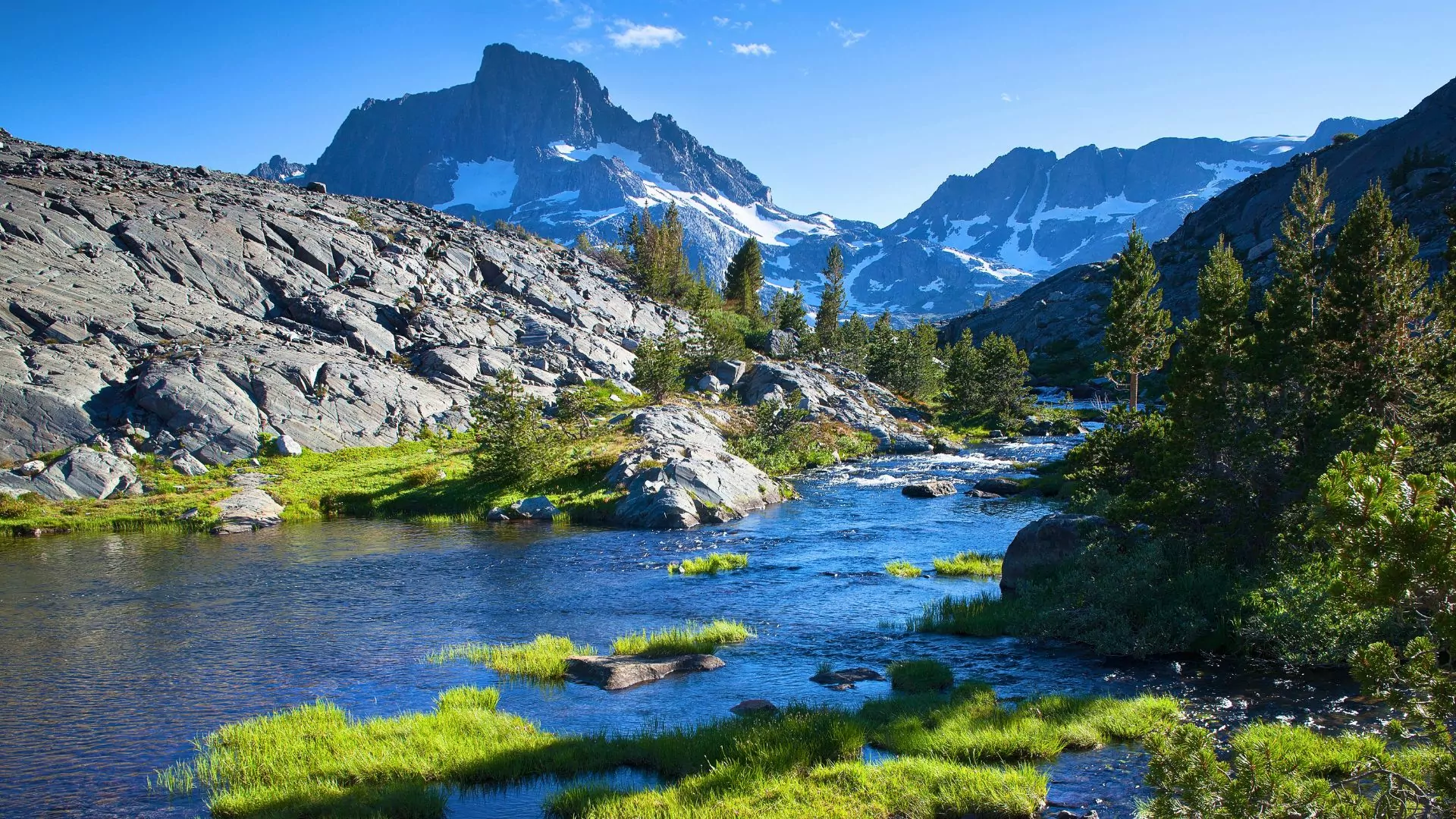
The Ansel Adams Wilderness is an area of roughly 230,000 acres within the Inyo and Sierra National Forests. Bordered to the north by Yosemite National Park and to the south by the John Muir Wilderness, it ranges in elevation from around 3,500 feet to over 13,000 feet. It is known for its giant granitic domes and peaks, its sprawling alpine meadows that teem with wildflowers in the spring, and its icy glacial-fed alpine lakes. The Ritter Range in its center features some of the wilderness’s most iconic landmarks: the summits of Banner Peak and Mount Ritter. The jagged spires of the Minarets in the southern area of the wilderness are known for their beauty and were a favorite subject of the famous photographer for whom the area is named.
READ: Ultimate Guide to Ansel Adams Wilderness
What is Yosemite National Park?
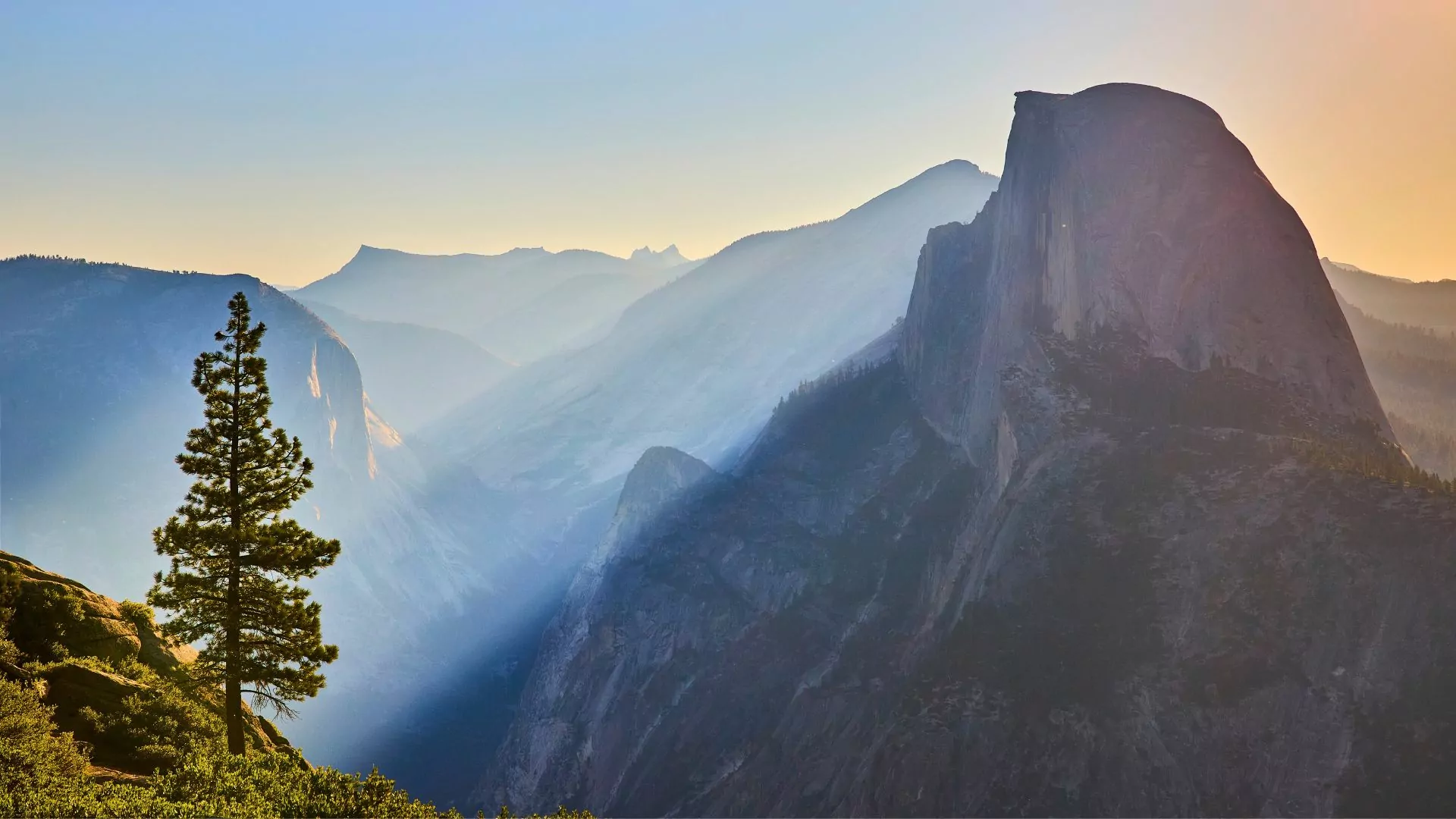
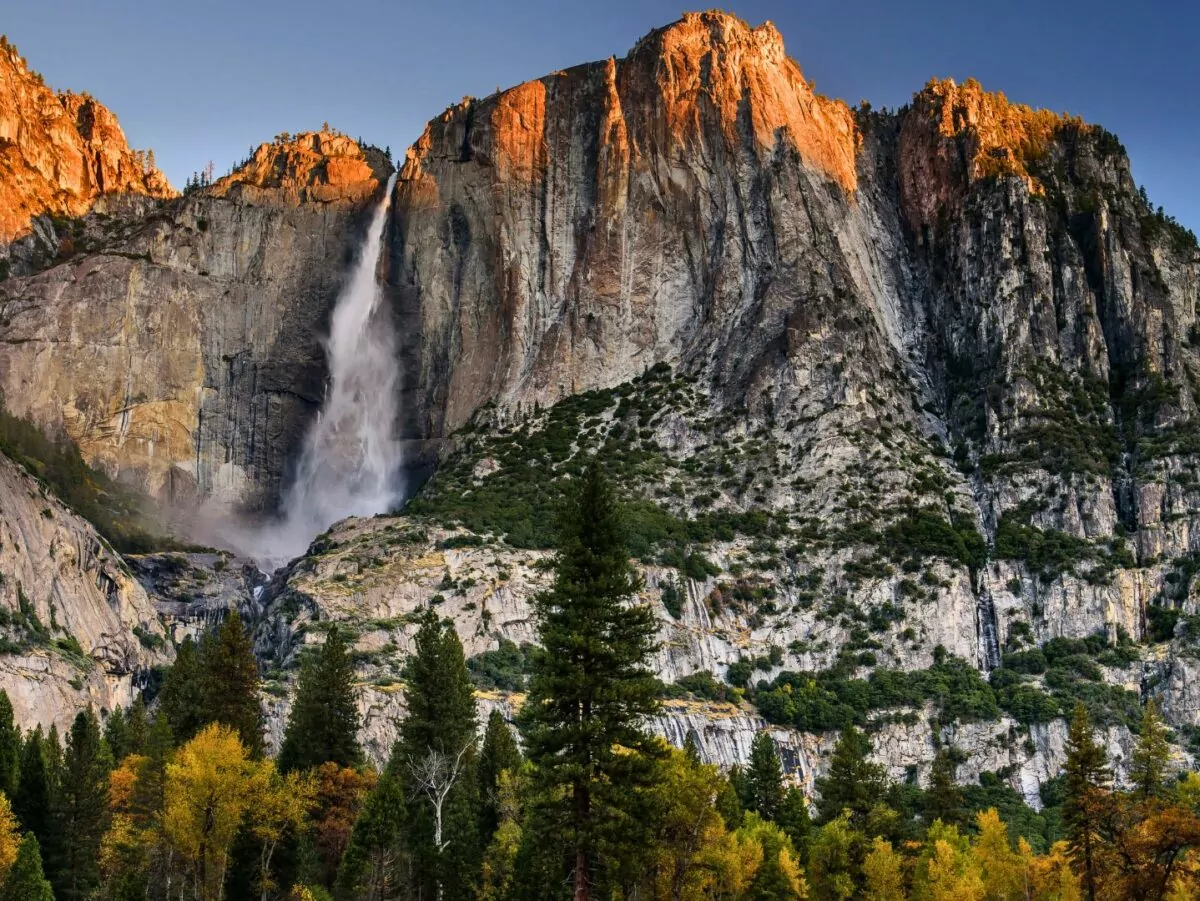
To the north of AAW sits Yosemite National Park. Yosemite was one of the first National Parks in the world when it was designated in 1890. It is famous the world over for its giant granite cliffs, its towering waterfalls that stretch to the sky, and its towering stands of giant sequoia trees. Yosemite is huge and encompasses over 700,000 acres of territory; but most visitors come to the park specifically to take in the 6 square mile area known as Yosemite Valley. It’s in “the valley” where you’ll find the iconic granite monoliths of El Capitan and Half Dome. That’s also where you’ll find North America’s tallest waterfall in Yosemite Falls, and dozens of other waterfalls plunging into the abyss over steep granite outcroppings (visit in the spring to make sure they’re “turned on”).
While the valley gets most of the attention, there are over 1,000 square miles of terrain in the park to explore. The high country of Tuolumne to the north, in particular, offers stunning scenery featuring granite domes, alpine lakes, and alpine meadows similar to the ones seen in AAW.
READ: Ultimate Guide to Yosemite National Park
Ansel Adams or Yosemite
The experience you have on a trip to Ansel Adams Wilderness is going to differ greatly from that of a trip to Yosemite. Let’s compare and contrast the two areas so you can make an informed decision to determine which one better suits your needs.
Why Choose Ansel Adams Wilderness?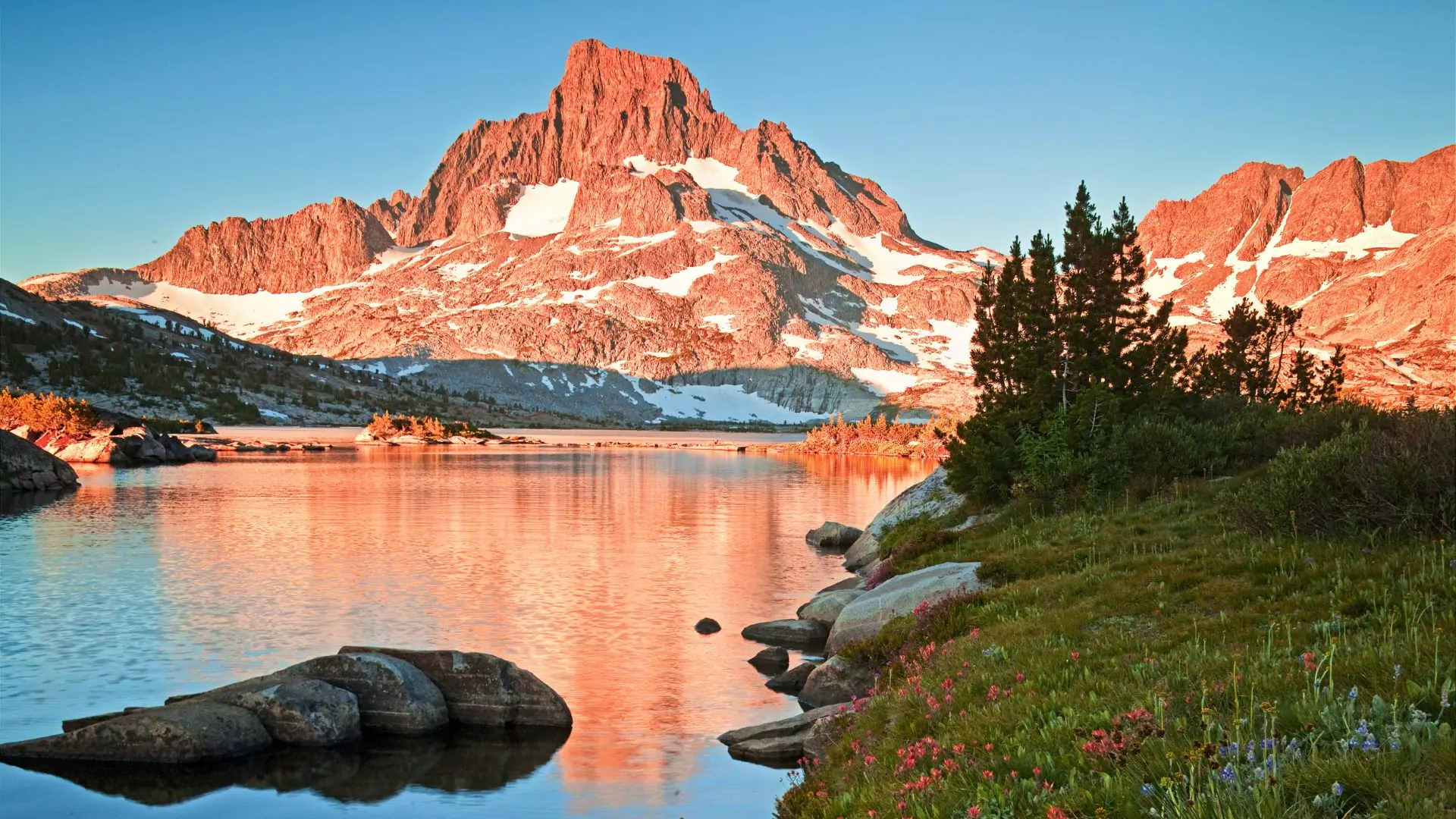
As implied in the name, Ansel Adams Wilderness, first and foremost, is going to offer a wilderness experience. The very designation of wilderness as a protection status is defined as an area “retaining its primeval character…without improvements or human habitation”.
Outside of a handful of roads leading to trailheads, you won’t find any roads or permanent structures of any kind in Ansel Adams. If you are seeking a primitive, backcountry experience away from throngs of tourists, AAW has what you are looking for. There are no lodges or “drive-to” campgrounds of any kind in the park; AAW is strictly for day-hikers or backcountry travellers looking to stay in a tent in primitive, backcountry campsites. AAW is ideal for people seeking solitude and an opportunity to enjoy nature in an “untouched” state.
Another key difference between the two areas is that AAW is managed as a National Forest, which means it has slightly different rules than those of Yosemite National Park. Unlike Yosemite, you won’t need a pass to enter AAW. However, you will need to apply for a wilderness permit for any overnight backpacking trip (done online through recreation.gov). Dogs are allowed on trails in AAW, not in Yosemite, so if you have a furry friend with you you’ll want to head to AAW.
Scenery-wise, choose AAW if you enjoy a high-alpine setting complete with meadows, lakes, and craggy peaks. It may not contain the world-famous landmarks that you’ll see in Yosemite Valley, but Ansel Adams is replete with the exact high-alpine scenery for which the Sierras are known. Because of its high elevation, many areas of AAW retain snow into the early summer. Depending on the year it’s best to plan a trip from June/July through September to make it more likely you won’t encounter snow-covered trails.
Choose Ansel Adams Wilderness for:
- A primitive, backcountry wilderness experience
- Solitude
- A chance to connect with nature
- A dog-friendly trip
- A quintessential high-alpine Sierra experience
- A high elevation summer trip (June-September is usually best)
Explore Ansel Adams with Wildland Trekking
Why Choose Yosemite?
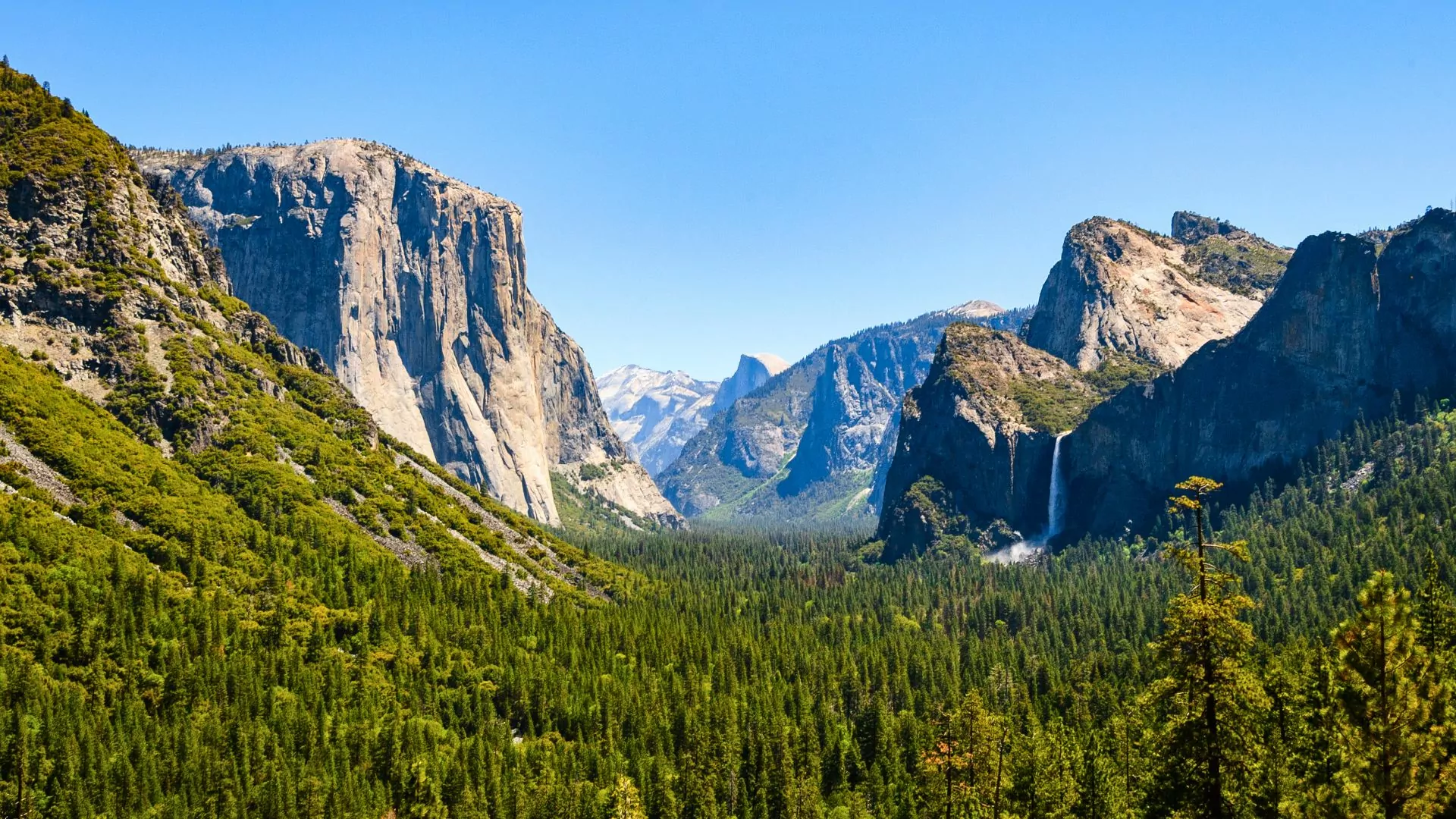
There is a reason Yosemite National Park is consistently ranked in the top 6-7 most-visited national parks each year. Over 4 million visitors annually flock to Yosemite to see its unique, bucket-list attractions. Nothing quite captures the imagination like an afternoon spent lounging at the base of El Capitan, or a hike to the top of one of Yosemite’s roaring waterfalls. If it’s one-of-a-kind views of iconic world landmarks you are after, Yosemite is the place for you.
You will find much more in the way of amenities in Yosemite than in AAW, especially in the valley. If you prefer to stay in a lodge or frontcountry campsite there are multiple options in Yosemite Valley alone. The village in the center of the valley is actually a census-designated place complete with grocery stores, gift shops, pizza and ice cream joints, visitor centers, and even a post office and library. Yosemite is much more accommodating than AAW to those needing the amenities and services outside of a wilderness setting.
The product of a heightened infrastructure system in Yosemite is a much higher volume of visitors. In general, expect to find less solitude in Yosemite than in AAW. You’re bound to be left amazed by the jaw-dropping scenery of the park, just make sure you don’t mind having to share your trails and viewpoints with others. Still, 95% of Yosemite is designated as wilderness, and you can find a less-travelled, backcountry experience in Yosemite if that’s what you’re after; but you’re still likely to encounter more people on the trails and at the trailheads than you would in AAW. Like AAW, you’ll need to apply for a backcountry wilderness permit through recreation.gov for any overnight trip in Yosemite.
Unlike AAW, you’ll need a National Park entry pass to get into Yosemite, and dogs are only allowed on paved surfaces so it’s best to leave the pups at home. Yosemite Valley is accessible year-round with a longer general peak season (April-October), so it can be a better option for those looking to visit outside the summer months.
Choose Yosemite for:
- The unique chance to see iconic world-famous landmarks
- A “bucket-list” vacation
- Its diverse habitat: alpine, waterfalls, sequoia groves, and more
- A frontcountry experience with lodging and amenities
- A trip outside the peak months of June-September
Explore yosemite with Wildland Trekking
Final Thoughts
In the end, you really can’t go wrong with a trip to Ansel Adams or Yosemite. Each is unique and special in its own way and each offers opportunities for memories that will last a lifetime. Be it Ansel Adams, or Yosemite, or any other outdoor recreation space, be sure to practice Leave No Trace principles to enjoy respectfully and responsibly and ensure that these great places can be enjoyed for generations to come! Happy hiking!