

Seasons in Alaska: What to Expect on Trail, In Town, and Under the Midnight Sun
When folks ask me what Alaska is really like, I smile, because Alaska is not just one place. It is a thousand things wrapped inside four very distinct areas. If you are thinking about hiking here with us at Wildland, knowing the seasons in Alaska will set your expectations, your packing list, and honestly your mindset. I have explored in sideways rain that felt like it had a personal vendetta. I have watched the sun skim the horizon at midnight while we laughed at how bright it still was. I have breathed in subzero air in the Arctic Circle that glittered as if it held stars. That is the power of understanding the seasons in Alaska before your boots hit the ground.
This isn’t meant to duplicate our full month by month guide. For that deep dive, I’ll point you to our own Wildland piece on the Best Time to Visit Alaska. What I want to give you here is a read on each season: daily temps, precipitation, trail conditions, wildlife rhythms, and those little tips only the locals know that can make the difference between a good trip and a great one.
How Much daylight to expect
Alaska’s daylight is not normal by most standards. In summer, you will get very long days. In winter, you will get short ones. The farther north you go, the more extreme this gets. A quick example. Around the winter solstice, Anchorage has only about five and a half hours of daylight and Juneau has a little over six, while Fairbanks has under four. Utqiagvik, north of the Arctic Circle, does not see the sun for roughly two months in deep winter, though there Is often civil twilight. That sounds intense, but it is also part of the magic here.
On the flip side, summer near Fairbanks hovers at 24 hours of usable light for weeks. Explore Fairbanks even runs a Midnight Sun tracker because it is that real. If you think you will sleep the same way you do at home, bring a sleep mask and a sense of humor.
I tell visitors that planning around daylight is as important as planning around weather. If you are a dawn hiker or a golden hour photographer, the seasons in Alaska will change your routine in surprising ways. Timeanddate gives you exact sunset tables, and I use them for planning my outdoor adventures.
Summer in Alaska (June to Aug)
Summer is the season everyone dreams about when they picture the Seasons in Alaska, and honestly, I get it. This is the closest we come to a nonstop adventure window. The trails open, wildlife surges, rivers swell with salmon, and the light? Pure magic. Summer in Alaska feels like the world is wide awake 24 hours a day, and you suddenly have the energy to match it.
Daylight
This is where things get wild. Anchorage averages around 19 hours of daylight near the summer solstice, and Fairbanks gets even more, with 70 straight days of sunlight that never truly ends. Civil twilight stretches the usable light into what feels like a full day, so you can literally sip coffee at 11:30 p.m. and still see the mountains glowing pink.
If you have never hiked at “midnight” while the sun is still hovering above the treeline, you’re in for a core memory moment.
Temperatures & Weather
Summer highs generally land in the 50s to 70s across Southcentral and the Interior. Sunshine will warm you quickly, but a breeze or cloud cover can bring you right back down into jacket territory. Southeast Alaska (Juneau, Ketchikan) stays cooler and wetter, thanks to its temperate rainforest climate.
So yes, pack your T‑shirt for a warm afternoon, but keep your rain shell within reach because weather flips happen fast up here.
Trail Conditions
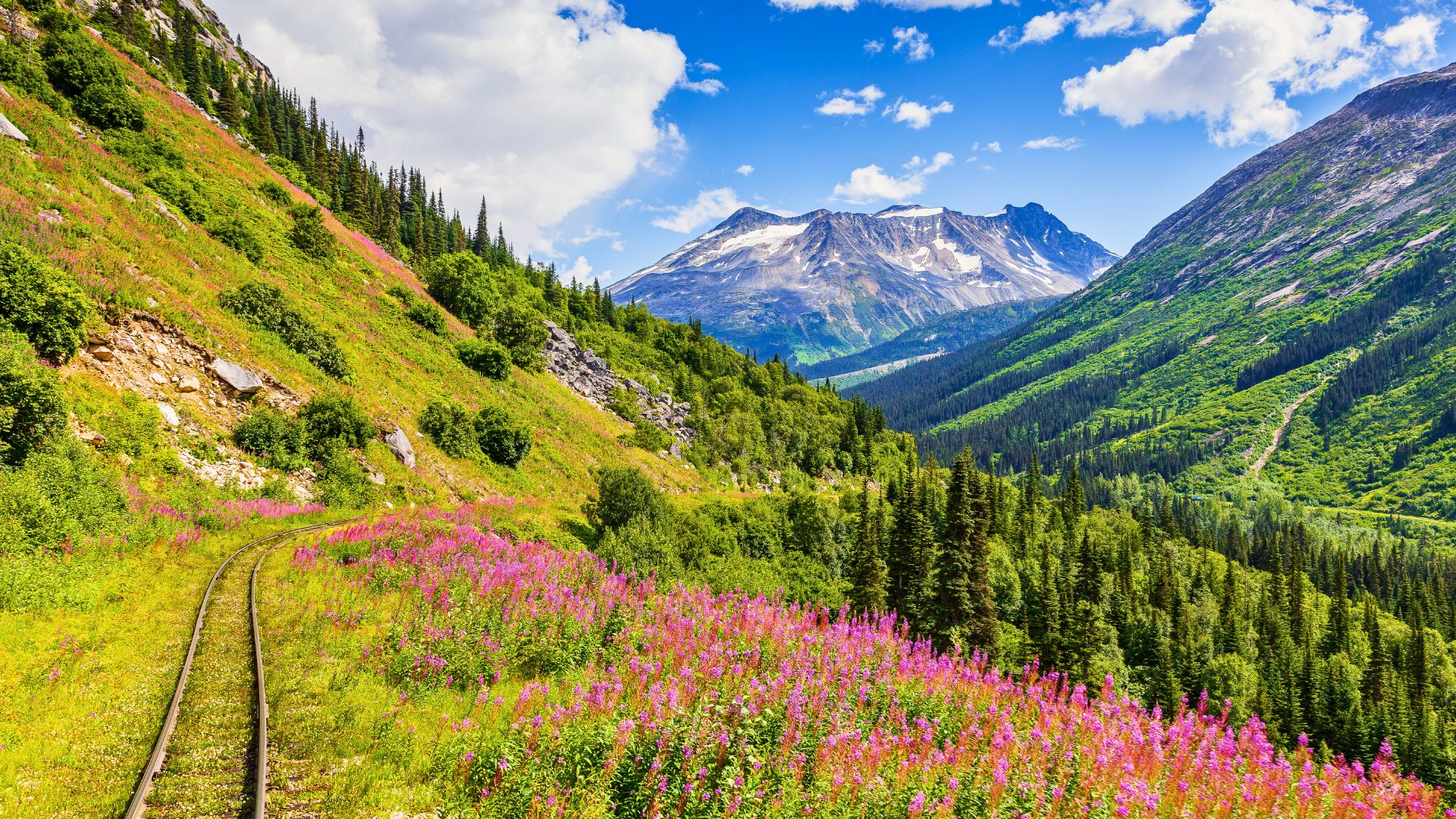
Summer is prime hiking season across the state. High passes clear of snow. Alpine meadows explode with wildflowers. Tundra turns into soft rolling terrain that feels like walking across a plush rug. Rivers run cold from snowmelt, and glacial valleys become accessible. When exploring with Wildland, this is when we take guests onto iconic trails like Harding Icefield or Denali’s alpine ridges, the kind of routes only accessible in the warmest months.
Wildlife
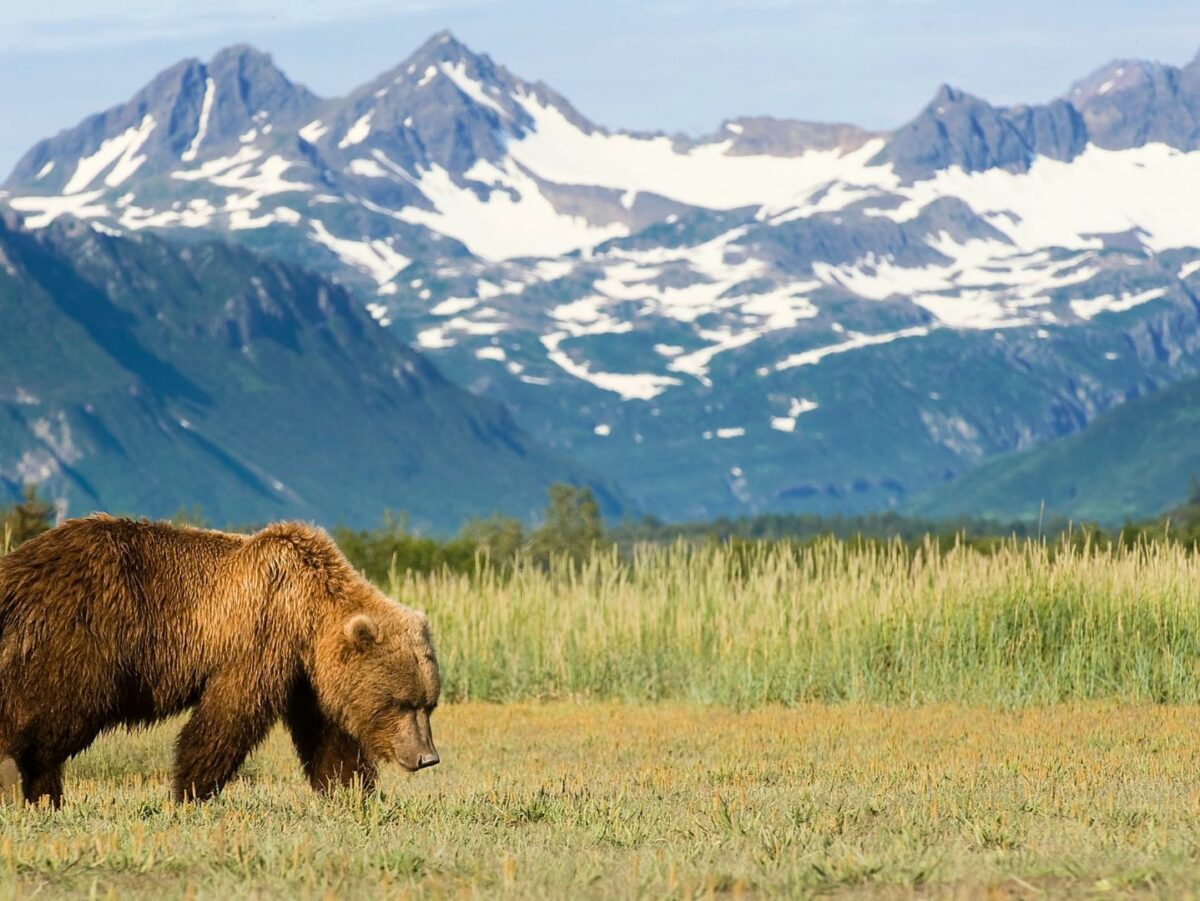
Summer is wildlife theater at its peak. The Alaska Department of Fish and Game notes that bears concentrate around salmon streams, especially July and August, and it’s one of the best times to see moose, caribou, eagles, seabirds, and whales.
If wildlife sightings are a bucket list item, this is the season where your odds skyrocket.
Bugs (Yes, summer’s tiny villains)
Summer also brings mosquitoes. Alaska.org confirms that peak activity hits June through July, especially in still, warm environments. Head nets, long sleeves, and 30% DEET are standard. I tell visitors: “Embrace the chaos or the head net comes out.”
The Trekking Experience
Summer is where you push mileage, explore late into the evening, and soak up massive landscapes without worrying about beating sunset. It is lush, green, loud with birdsong, and alive. This season is the heartbeat of the outdoors here, and every single person who hikes Alaska should experience a summer at least once in their life.
Winter in Alaska (Nov thru Feb)
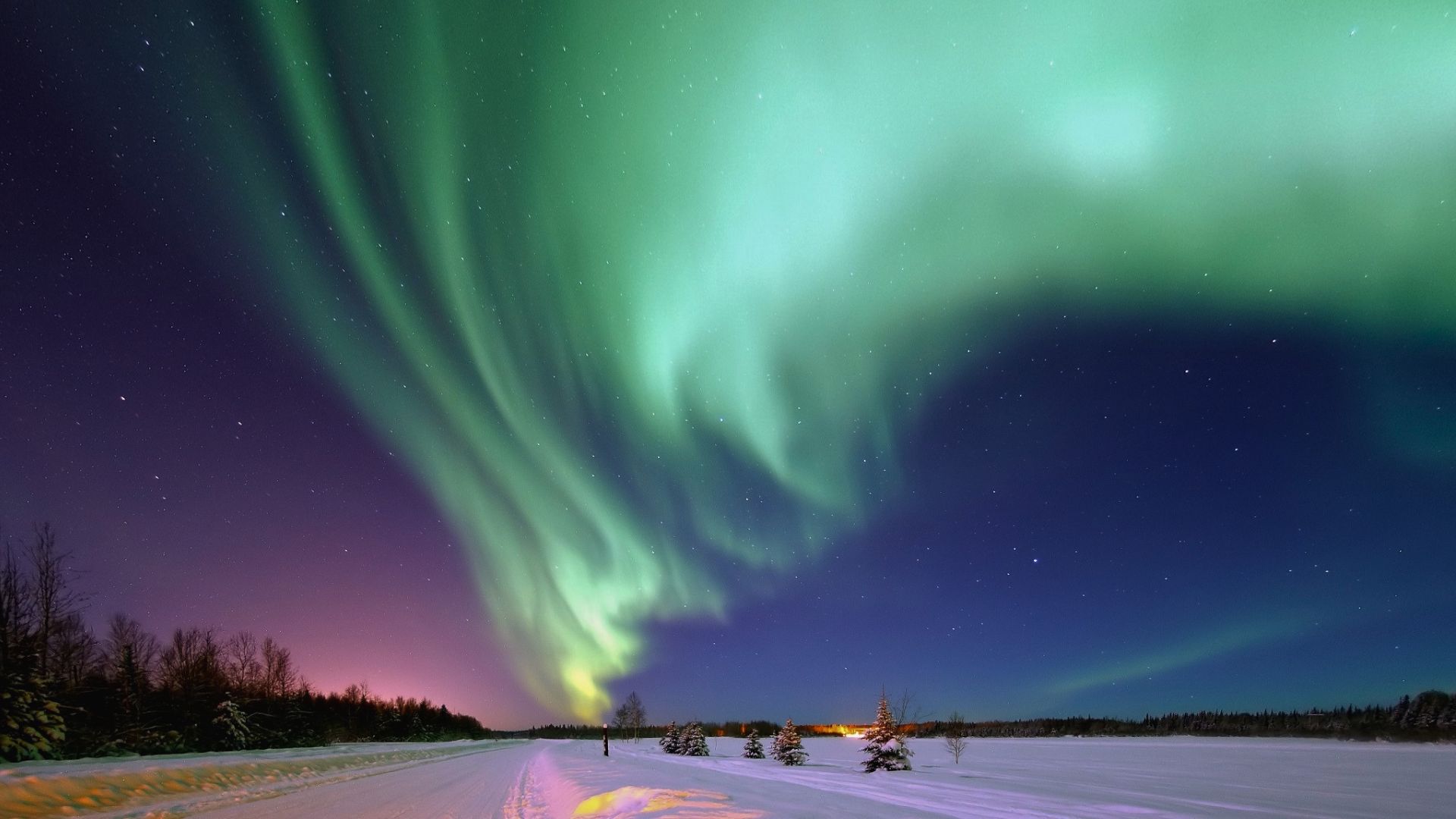
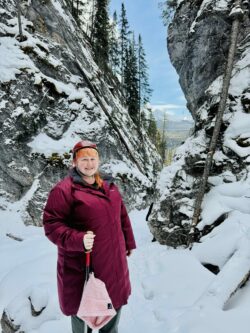
Winter is the most misunderstood of the Seasons in Alaska, and yet I would argue it is the most magical. This is when the world gets quiet, the snow glows blue in the morning and pink in the afternoon, and the air feels sharp, clean, and ancient. Hiking in an Alaskan winter is not just a physical experience. It feels spiritual. The land is still, and you become still with it.
Daylight
Around the winter solstice, daylight shrinks dramatically. Anchorage averages 5.5 hours, Juneau has about 6.25 hours, and Fairbanks has under 4 hours of true daylight. But here’s the thing visitors don’t realize: civil twilight adds hours of soft usable light. Even when the sun is technically down, the sky glows. Everything feels lavender.
Temperatures
Winter temperatures vary widely. The Interior (Fairbanks, Denali region) regularly drops well below zero, while Southcentral (Anchorage, Kenai) hovers in the teens and twenties. The Interior of Alaska sees the most extreme winter swings, with bitter cold far surpassing coastal regions.
You will feel this difference on trail. Interior cold is dry and sharp; coastal cold is wetter and heavier.
Snow & Trail Conditions
Winter transforms hiking into an entirely different activity. You’ll often need micro spikes, snowshoes, or even skis. Trails pack down hard after consistent foot traffic, and frozen creeks become passable. Snow muffles sound, so your footsteps feel like they’re swallowed by the landscape.
This is the season where we slow down deliberately. Winter forces presence. You cannot rush transitions when temperatures drop; zippers freeze, water bottles crystallize, and gear needs love. But the payoff? Unreal beauty. I have seen sundogs (sun halos off ice crystals), sparkling diamond dust, and frost so thick it looks sculpted.
Aurora
Winter is aurora season. Explore Fairbanks marks August 21–April 21 as the official Northern Lights viewing period. If seeing the aurora is on your dream list, winter gives you your best chance, especially away from coastal cloud cover.
Wildlife
While less visible than in summer, winter wildlife still rewards the patient. You may see moose wandering road corridors, fox tracks weaving across fresh powder, or ptarmigan (my favorite state bird) turning from mottled brown to bright white. It feels like reading a story written in snow.
The Trekking Experience
Winter hiking is quiet, introspective, and cozy in its own way. The sunlight is low and golden, never high overhead. You can stand on a frozen river and hear water moving deep beneath you. You can drink steaming cocoa at a lookout with the snow glowing blue around you.
Of all the Seasons in Alaska, winter is the one that stays with people long after they leave. It makes you feel small and brave at the same time.
Spring in Alaska (March thru May)
Spring is the big exhale. Snow lingers, ice breaks, and trails transition from winter crunch to shoulder season slush. In early spring, daylight explodes upward day by day. Fairbanks gains about seven minutes of light per day around the equinox. Anchorage about six. Your hikes feel longer without changing your start time.
Temperatures and precipitation
Spring is still cold in the Interior. Fairbanks averages subfreezing lows in March and only warms consistently by late April. Southcentral, including Anchorage, starts to thaw in April and May, with highs moving into the 40s and 50s as it heads towards early summer. NOAA’s 1991-202 climate normals are a go to for realistic monthly averages when helping build expectations for the weather.
Trail Conditions
Expect a mix of packed snow, ice, and mud. Shoulder season traction is your friend. Switching between micro spikes in the morning and sloppy trail runners by late afternoon has been helpful. If you are looking at the seasons in Alaska for mileage goals, this is a transitional chapter. You will hike, you will grin, and you will probably get dirty.
Wildlife
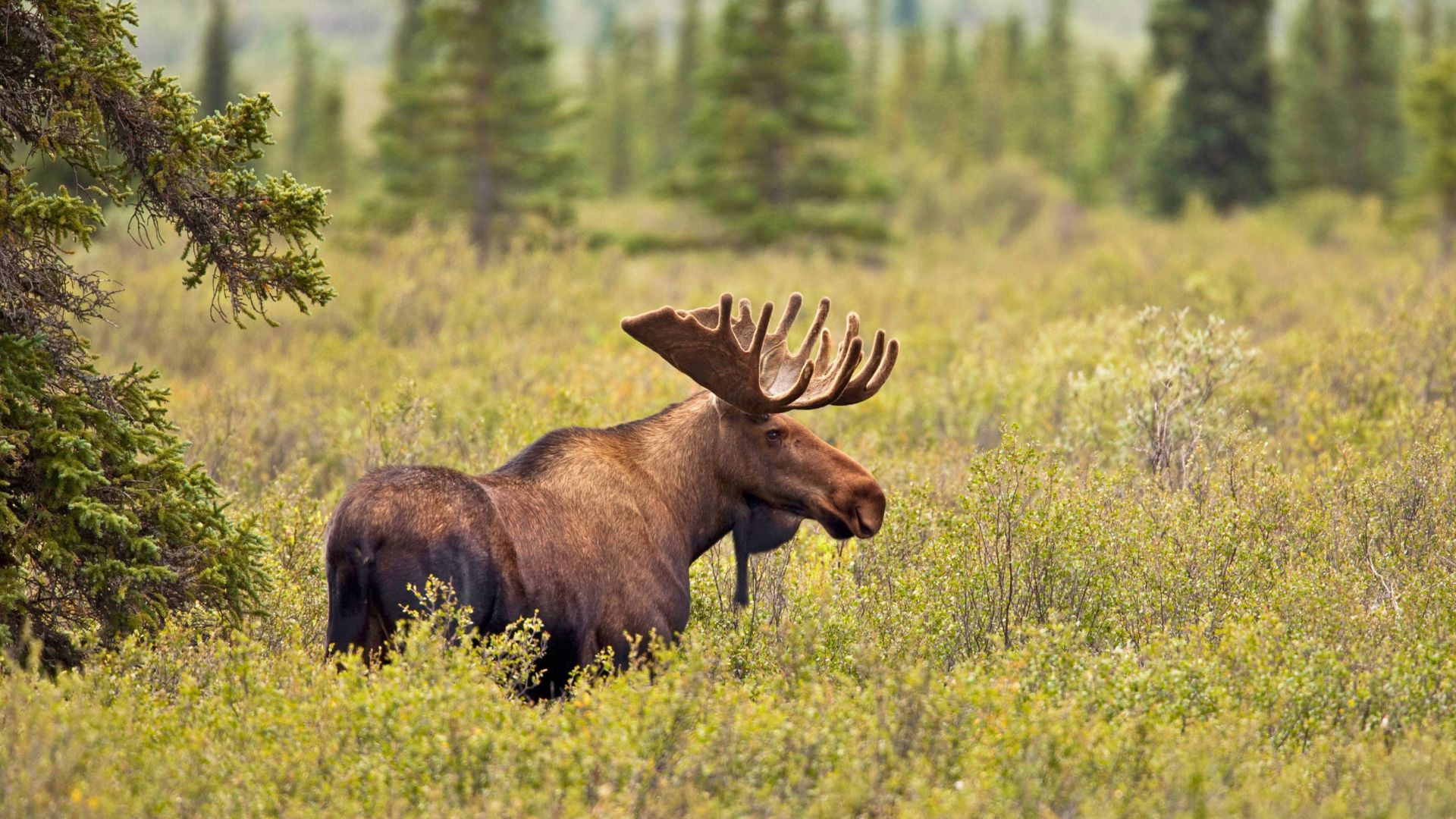
This is a fantastic time for wildlife watching. Bears begin to emerge late April into May. Migratory birds flood back into wetlands. Moose cows (adult females) are visible as they move into river corridors. The Alaska Department of Fish and Game has a great seasonal overview if you are looking to spend some time behind binoculars while hiking.
Trekking Tip
Southcentral Alaska’s lower elevation trails open sooner than high alpine. If you are traveling early, Southcentral and Southeast give you more options than the far interior.
Fall in Alaska (Sept thru Oct)
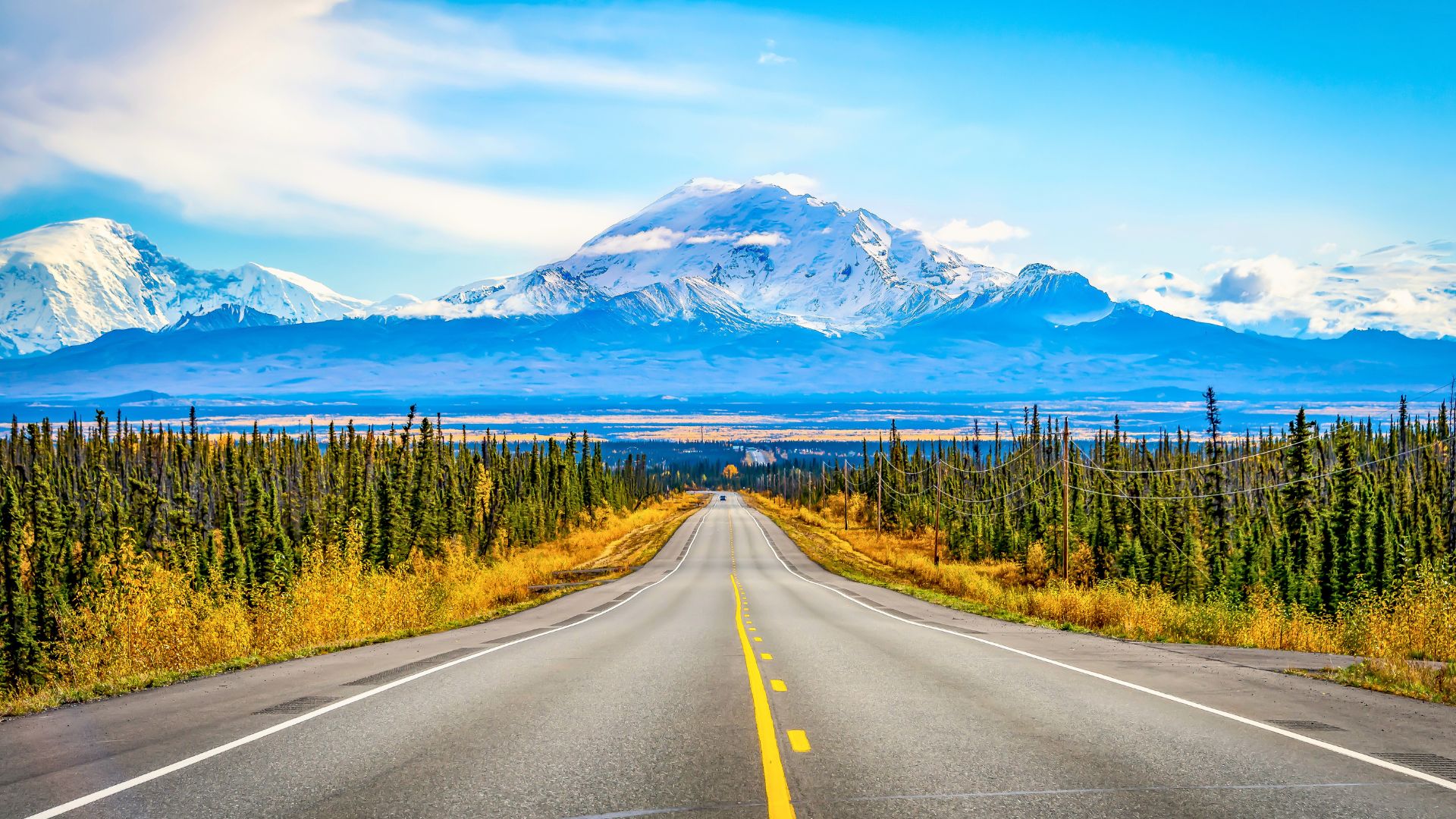
Fall arrives with a quiet drumroll. Tundra turns crimson, birch and aspen go gold, and the air gets that crisp bite that makes your lungs feel brand new. It is my favorite hiking season for color and solitude.
Daylight and temps
Days shorten quickly after the September equinox, which creates a cozy rhythm for day hikes and snug evenings. In Southcentral, average highs slide into the 40s and 50s by late September. The Interior cools faster and first snows, known as ‘termination dust’ can hit high country trails.
Wildlife
Moose enter the rut. Caribou migrate. Bears hit berries and the last of the salmon as they ramp up to den for winter. If your dream is to hear a bull moose bellow across a valley, fall is your soundtrack.
Trail conditions
Most high elevation routes remain hikeable in early September, especially in Southcentral and Southeast, but plan for colder nights and the chance of early snow. In the seasons in Alaska this is where flexibility pays off. Build in a weather day and switch to coastal trails if the Interior gets an early storm.
Aurora
Nights are finally dark enough to chase northern lights in late August and September, especially away from coastal cloud cover. I keep an eye on aurora forecasts after Labor Day. Explore Fairbanks lists “Aurora Season” as late August through April, which tracks with my own viewing successes.
Regional notes that matter for hikers
Alaska is massive. Double the size of Texas. The Seasons in Alaska shift differently across regions.
- Southeast Alaska (Inside Passage and Tongass): Milder and wetter. Expect frequent rain, lush forests, and lower elevation trails that can stay open longer in shoulder seasons. NOAA datasets show just how consistently wet Southeast can be, especially in late summer and fall.
- Southcentral (Anchorage, Kenai, Matanuska): A balanced mix of snowier winters and warmish summers. Great trail variety from coastal to alpine. Anchorage climate normals give realistic monthly ranges to plan around.
- Interior (Fairbanks, Denali access): Big extremes. Hotter summers, much colder winters. Use climate normals and daylight tables to plan mileage and start times.
What this means for your hiking trip
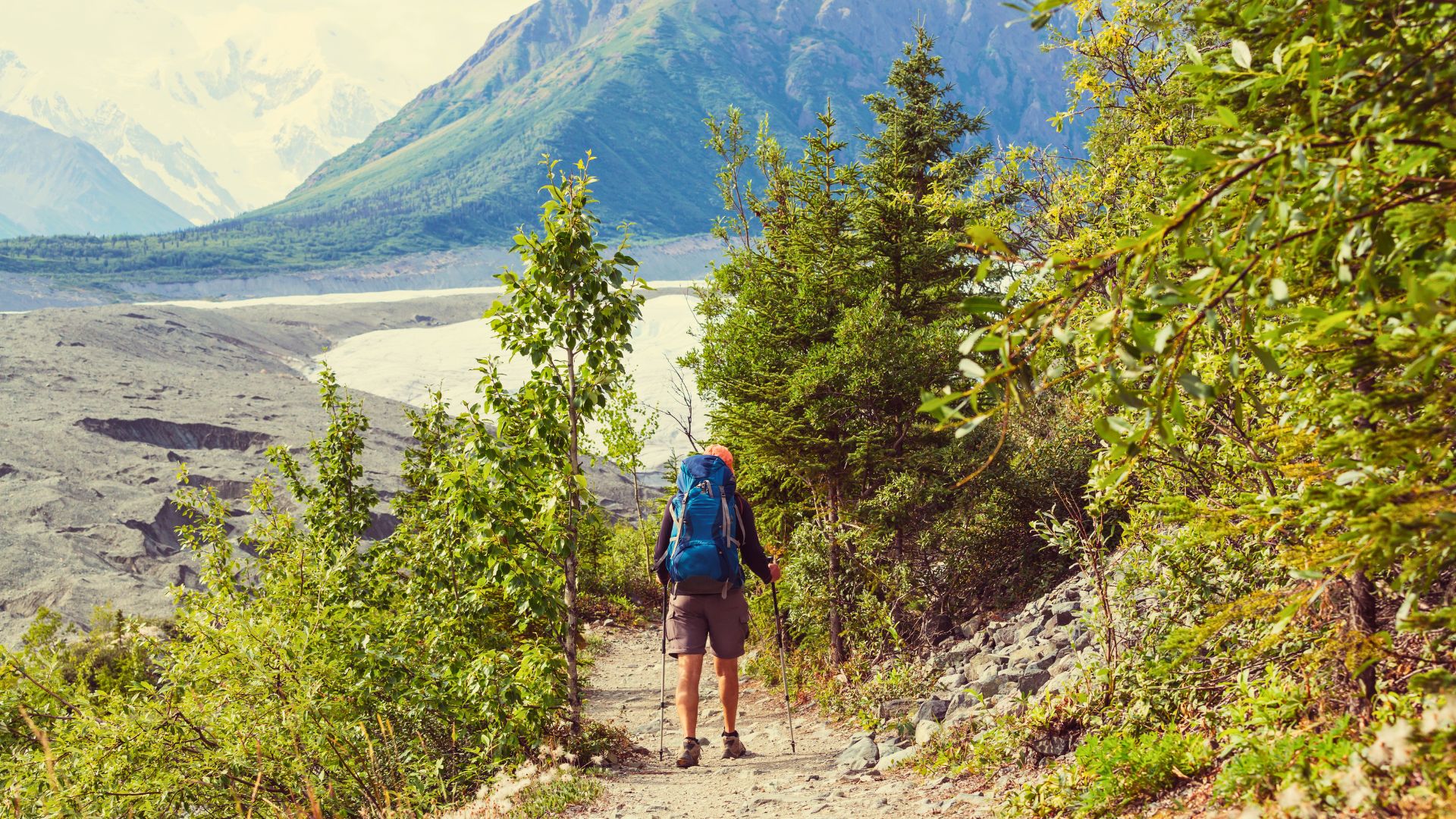
We guide across multiple regions and trip styles, so we build itineraries with the seasons in Alaska front and center. On inn-based journeys, we leverage long summer days to hike early or late and dodge heavier midday rain bands. On basecamp or backpacking trips, we tailor daily distances to daylight and use the natural rhythm of the season. If you are schedule flexible, peek at our internal calendar and pair your goals to the season. Want all day light and maximum wildlife? Summer. Want fewer people and big color? Fall. Want aurora and winter silence? You know where I will be, headlamp on and breath hanging in the air.
For an even more granular, month by month look, bookmark Wildland’s Best Time to Visit Alaska. It complements this guide without repeating it, and we keep it current.
Cheat sheet: what to expect by season
- Spring: Rapid gains in daylight, mixed trail surfaces, early wildlife movement, lingering cold.
- Summer: Long daylight, 50s to 70s in many regions, rain likely especially in Southeast, mosquitoes June into July, peak bear activity with salmon.
- Fall: Fast fading light, cool crisp days, tundra color, rutting moose, migrating caribou, first snows in the Interior, early aurora.
- Winter: Short daylight windows, true cold inland, snow and low angle light, aurora potential most of the season.
One last word from the last frontier
If Alaska has taught me anything, it is that preparation is love. Loving your future self looks like choosing the right window, packing for weather, and knowing how the seasons in Alaska shape every mile. Come in summer and laugh at how your body thinks it is 3 p.m. at midnight. Come in fall and watch the world go gold. Come in winter and hear your boots squeak on snow while the aurora smears green paint across the sky. Then come back in spring and hike into a season that is waking up. However you decide to time it, we will be ready to explore it with you.