

Ultimate Guide to Lassen Volcanic National Park
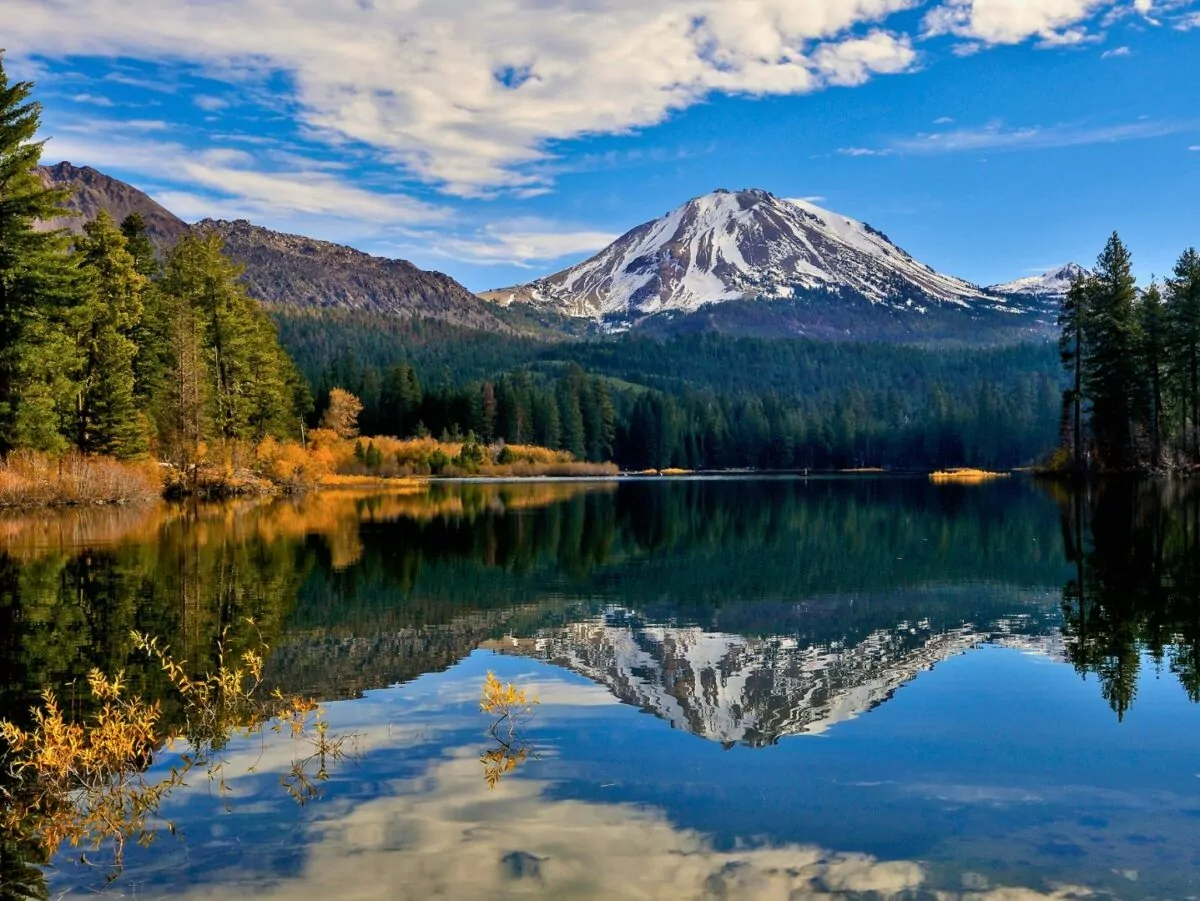
Lassen Volcanic National Park occupies a quiet corner of Northern California, but it is no less complex or consequential than the state’s more famous mountain parks. Rising at the Southern end of the Cascade Range, Lassen Peak appears modest at first glance and almost gentle compared to the jagged drama of the Sierra Nevada to the South. Yet that impression rarely lasts long.
This is a landscape shaped not by uplift alone, but by fire, collapse, and renewal. Steam vents from the ground and mud boils quietly at the edges of trails. Entire valleys bear the scars of volcanic eruptions that occurred within human memory. Lassen is not a dormant museum of geology, it is an active volcano system, and that reality shapes everything from trail access to seasonal timing.
A good trip here is not about seeing everything, but about understanding where you are, when you’re there, and what the land is doing at that moment. This guide to Lassen Volcanic National Park is designed to help you do just that.
History of the Land
Long before Lassen became a National Park, it was a volatile volcanic landscape known and navigated by people who understood it through lived experience. Any guide to Lassen Volcanic National Park benefits from beginning with that deeper context.
Geologic History
Lassen Volcanic National Park is one of the few places on Earth where all four major types of volcanoes – shield, composite, cinder cone, and plug dome – exist within a single protected area.
Lassen Peak itself is a massive plug dome volcano that last erupted between 1914 and 1917. Those eruptions, which included steam blasts, lava flows, and ash columns visible as far away as Nevada, played a major role in the creation of the National Park. Unlike many volcanic landscapes whose activity lies deep in the past, Lassen’s history is recent and well documented.
Geothermal features such as boiling springs, and mud pots remain active throughout the park, particularly in areas like Bumpass Hell, Sulphur Works, and Devils Kitchen. These features are surface expressions of heat still moving beneath the ground, and a reminder that volcanic systems do not switch off. They rest, shift, and reconfigure over time.
The First Peoples of the Lassen Region
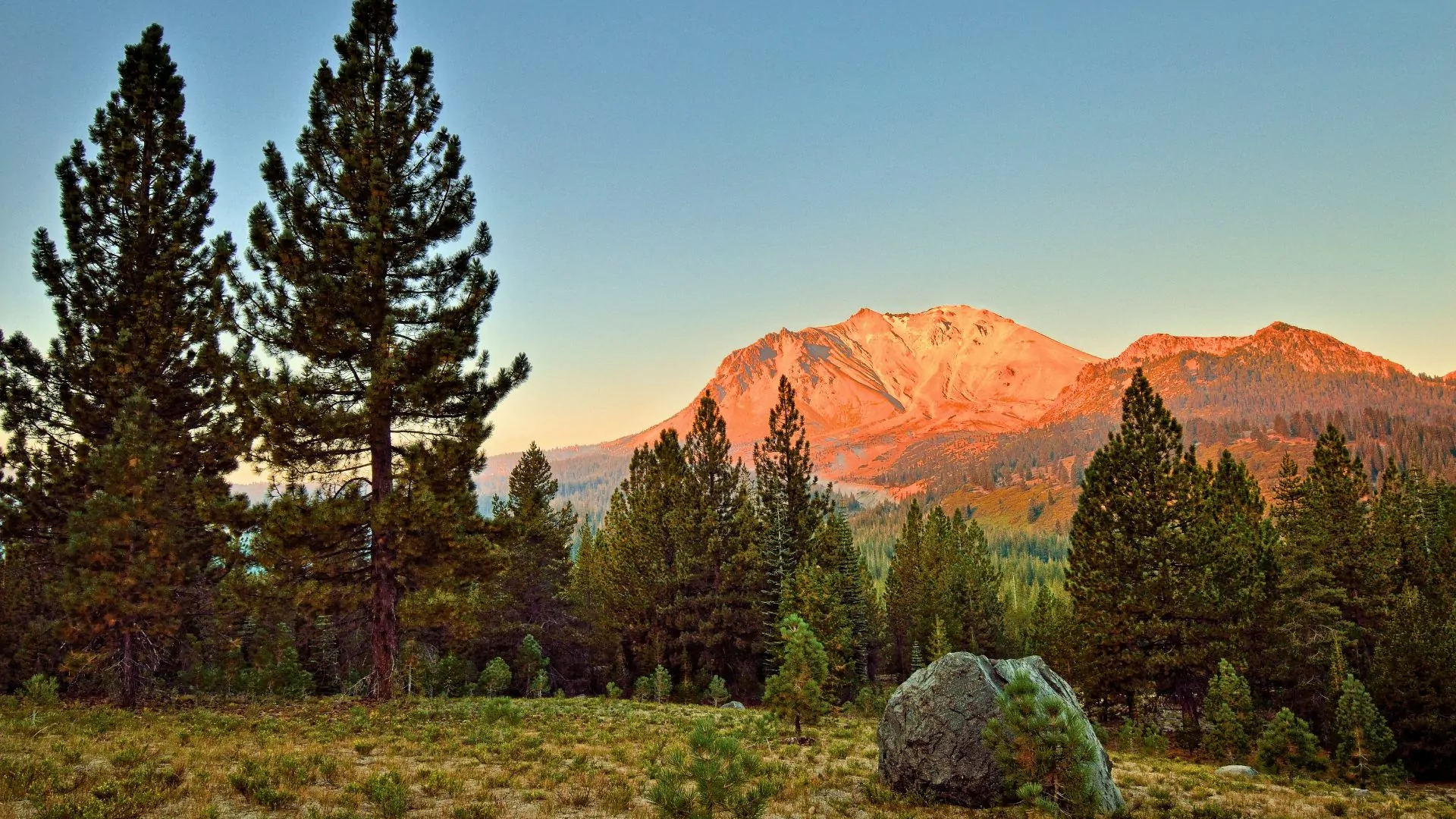
For thousands of years before European settlement, Indigenous peoples including the Atsugewi, Yana, Yahi, and Maidu lived in and traveled through the Lassen region. This was not an empty or unknown landscape, but a place woven into seasonal movement, trade, and subsistence patterns.
Obsidian from Lassen’s volcanic flows was widely traded across Northern California and beyond. Meadows provided plant foods and game, while high routes allowed passage through otherwise rugged terrain. Oral traditions reflect both respect for the land’s productivity and caution toward its unpredictable forces.
Establishment of Lassen Volcanic National Park
Lassen Volcanic National Park was established in 1916, largely in response to the eruptions of Lassen Peak earlier that decade. Public fascination with the volcanic activity, combined with scientific interest and growing automobile tourism, helped push the area toward protection.
As with many National Parks, this designation preserved remarkable landscapes while simultaneously restricting Indigenous access and reframing the land as a destination rather than a lived-in system. Recognizing both outcomes allows visitors to approach the park with greater humility and awareness.
The Layout of Volcanic National Park
This guide to Lassen Volcanic National Park emphasizes orientation, because understanding the park’s layout is essential to realistic planning. Lassen is not large by western park standards, but its access is constrained by its internal geography.
The park is centered around Lassen Volcanic National Park Highway, a scenic road that crosses the park from Southwest to Northeast. Unlike parks with multiple internal road networks, Lassen’s experience is shaped by this single corridor. Many trailheads, viewpoints, and geothermal areas branch directly off of it.
Outside of this highway, access becomes limited. Large portions of the park are reachable only by foot, and snow can close the road entirely well into summer. Because of this, visitors are best served by choosing a focus – whether geothermal features, alpine hikes, or backcountry travel – rather than attempting to sample everything in one visit.
How to Get to Lassen Volcanic National Park
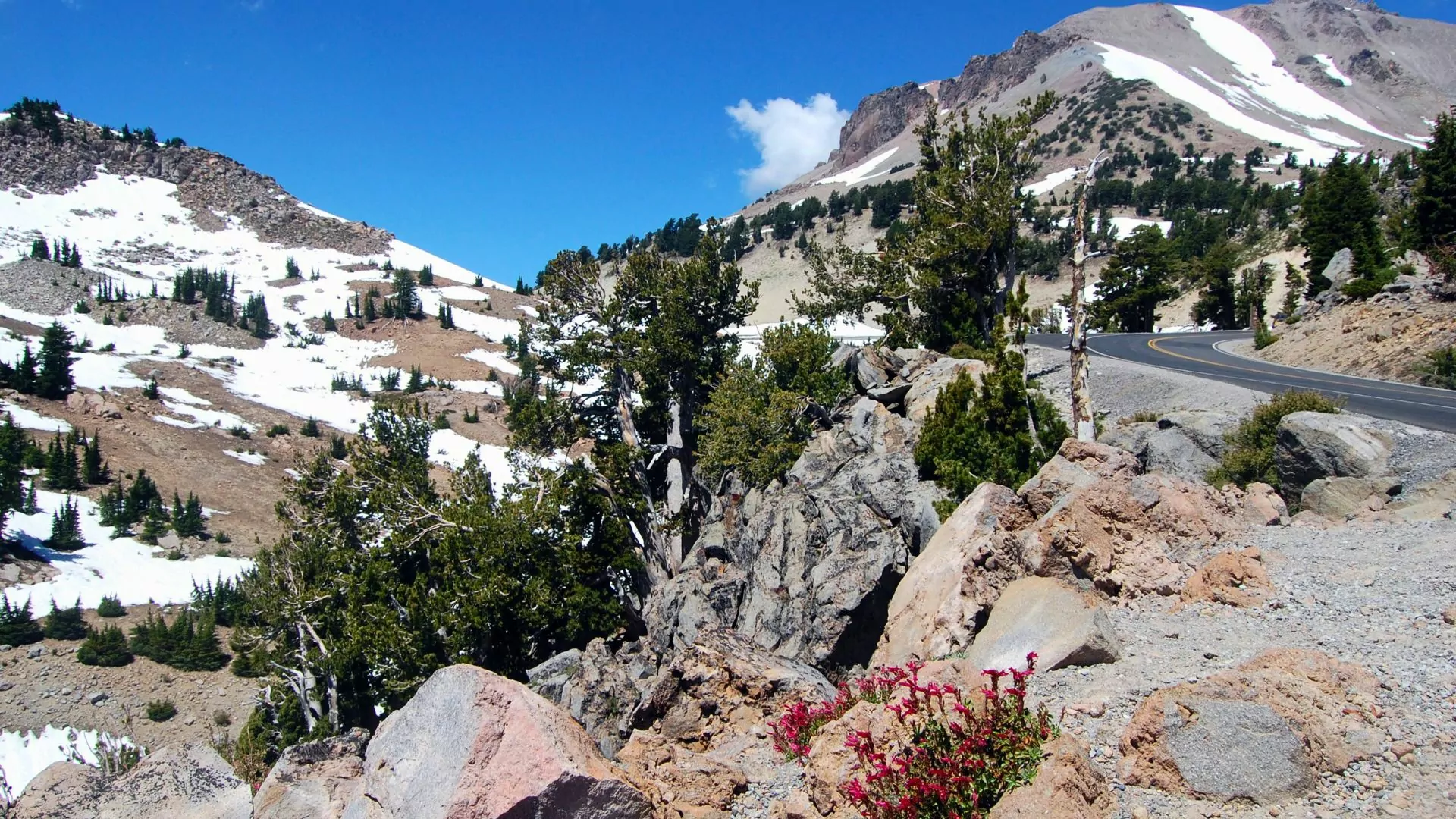
Most visitors reach Lassen by car, typically from Northern California or Southern Oregon. The park sits roughly three hours from Sacramento, CA and about two hours from Redding, OR under ideal conditions.
There are multiple entrances, but not all are open year-round. Seasonal closures due to snow are common, and access routes may change depending on conditions. Having a flexible plan and checking road conditions before departure is essential.
Public transportation options are effectively nonexistent. A personal vehicle is required, and visitors should be comfortable with long stretches of rural driving, limited services, and variable cell coverage.
Permits and Regulations in Lassen Volcanic National Park
Permits in Lassen are less complex than in some high demand National Parks, but they still play an important role in protecting fragile volcanic and alpine environments. This guide to Lassen Volcanic National Park encourages understanding these systems ahead of time.
Entrance fees are required for vehicles and individuals entering the park, with annual passes available.
Backcountry permits are required for overnight travel. Campsites are generally not designated, but camping restrictions apply in certain zones to protect sensitive areas. Bear-resistant food storage is mandatory, and visitors must follow Leave No Trace principles.
Geothermal areas require special care. Leaving boardwalks or designated trails in thermal zones is prohibited, both for safety and resource protection. The ground can be unstable, and injuries in these areas are often severe
When to Visit Lassen Volcanic National Park
Summer (July to September)
Summer is the most reliable season for accessing Lassen’s full range of terrain. The main park road typically opens sometime between late June and mid-July, depending on snowpack, and remains open until the first major storms of fall.
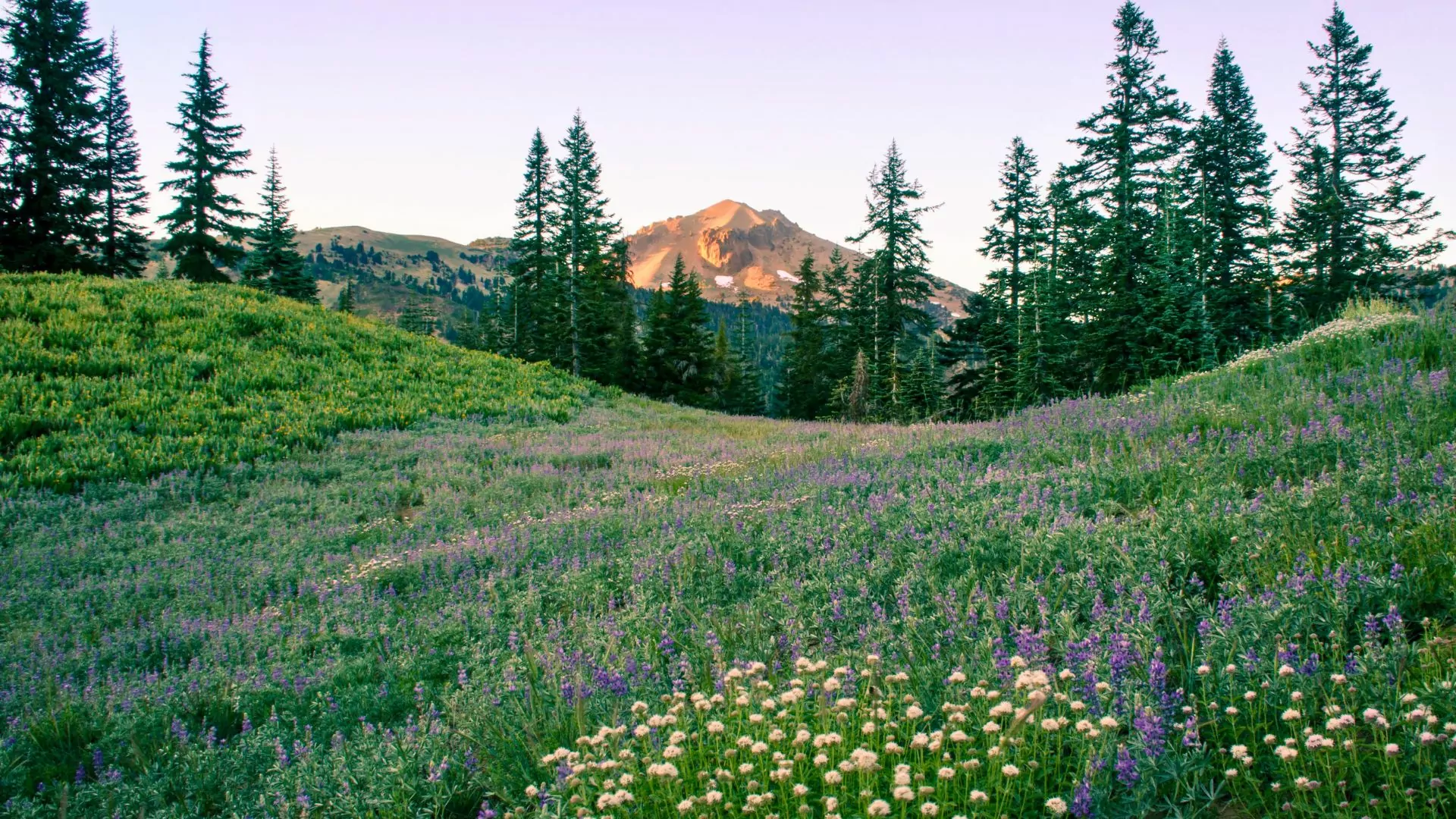
During this window, high elevation trails, geothermal features, and alpine lakes become accessible. Wildflowers bloom in volcanic meadows, and visibility is often excellent in the mornings. Afternoon thunderstorms are less common than in the Rockies but still possible.
Crowds peak during summer, especially near easily accessed features like Bumpass Hell. Early starts and midweek visits help preserve a quieter experience.
Fall (Late September to October)
Fall arrives early at Lassen. Snow can fall at any time, and road closures may occur with little warning. In return, visitors are rewarded with crisp air, golden meadows, and a noticeable drop in visitation.
Winter (November to March)
Winter transforms Lassen into a snowbound volcanic plateau. The main road is closed, and access is limited to snowshoeing and ski touring from designated entry points.
Snowfall is heavy, navigation is complex, and weather systems can move rapidly. Winter visits demand strong judgment, conservative objectives, and winter travel skills. For those who are prepared, winter in Lassen offers a stark, quiet beauty unlike any other season.
Spring (April to June)
Spring is a transitional season defined by meltwater, lingering snow, and partial access. Lower elevation trails may begin to open, but higher terrain remains buried well into June.
This season rewards patience. Waterfalls surge, geothermal features are especially dramatic, and wildlife becomes more active. Expectations should remain flexible, and plans should emphasize observation over distance
A Living Landscape
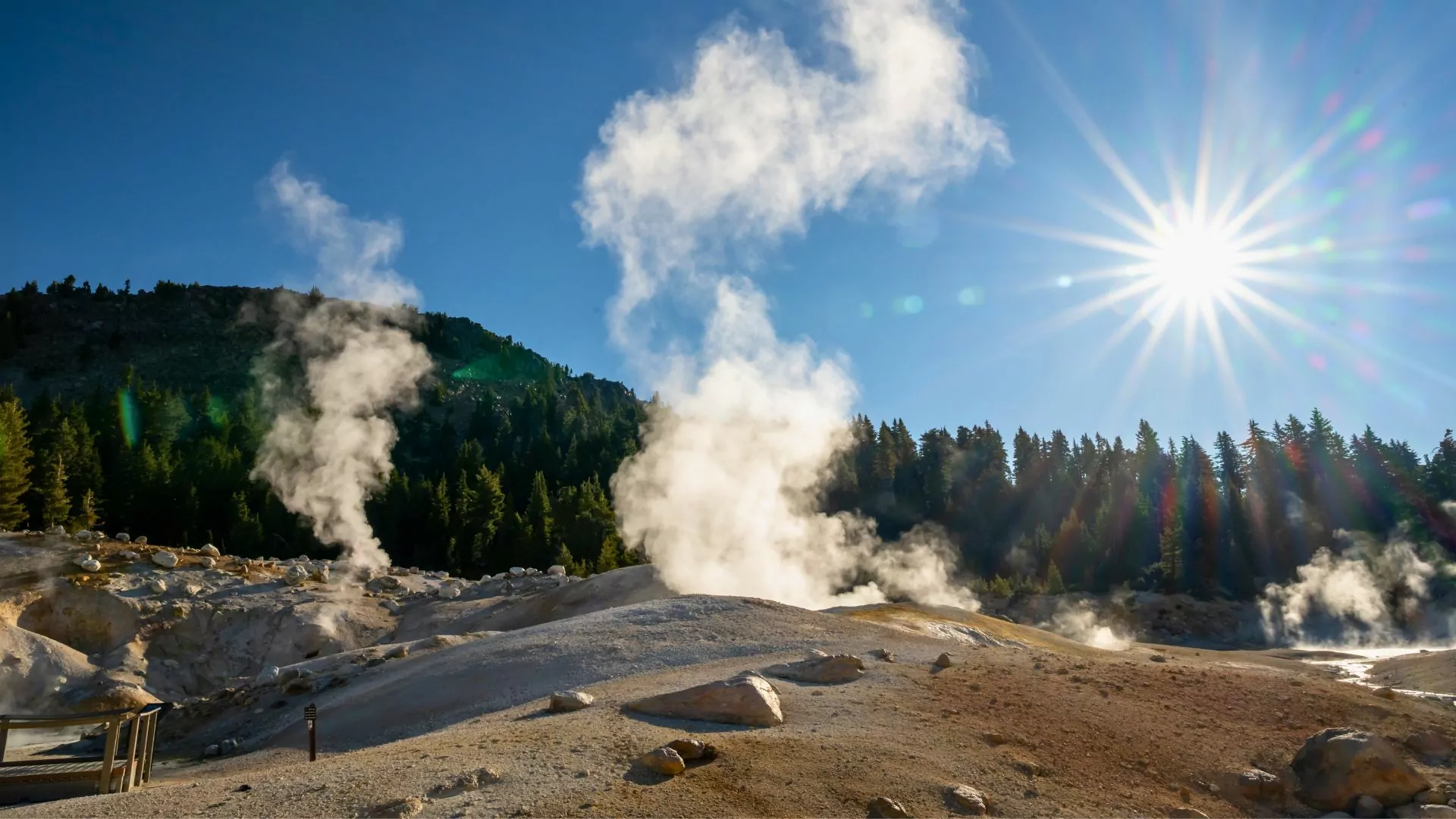
Lassen Volcanic National Park is one of the few places in the United States where the ground itself makes the case for paying attention. Steam vents rise from hillsides, sulfur stains the earth, and boiling water churns just inches below wooden boardwalks. These features are not isolated curiosities, but surface expressions of heat still moving beneath the park. Lassen is not a relic of volcanic activity, it is a system in a long resting phase.
Geothermal areas such as Bumpass Hell, Sulphur Works, and Devils Kitchen offer a rare opportunity to move through terrain that is actively changing. The experience is less about finding a viewpoint and more about moving through unstable ground. Sounds, smells, and changes in temperature become part of navigation. Staying on established paths is essential, not only for resource protection but for personal safety, as the crust in these areas can be thin and unpredictable.
This ongoing activity shapes how the park should be approached. Trails here often do not lead to singular spectacles so much as they trace the edges of process. The most memorable moments often come from noticing the small details, the color of mineral deposits, the rhythm of steam vents, or the way vegetation adapts at the margins of heat.
Understanding Lassen as a living volcanic landscape reframes the entire visit. It encourages respect without alarm, curiosity without urgency, and movement guided by awareness rather than ambition. Let the ground set the pace, and the park reveals itself on its own terms.
Hiking in Lassen Volcanic National Park
Hiking is the primary way most visitors come to understand Lassen, but the experience here is shaped less by distance than by terrain, season, and attention. Trails often cross exposed volcanic ground, lingering snowfields, and open forest with little shelter from weather. Elevation gains can be steady rather than dramatic, and footing varies widely depending on surface and time of year. Choosing hikes that match both conditions and expectations is key.
Lassen Camping and Hiking tour
Lassen Peak Trail
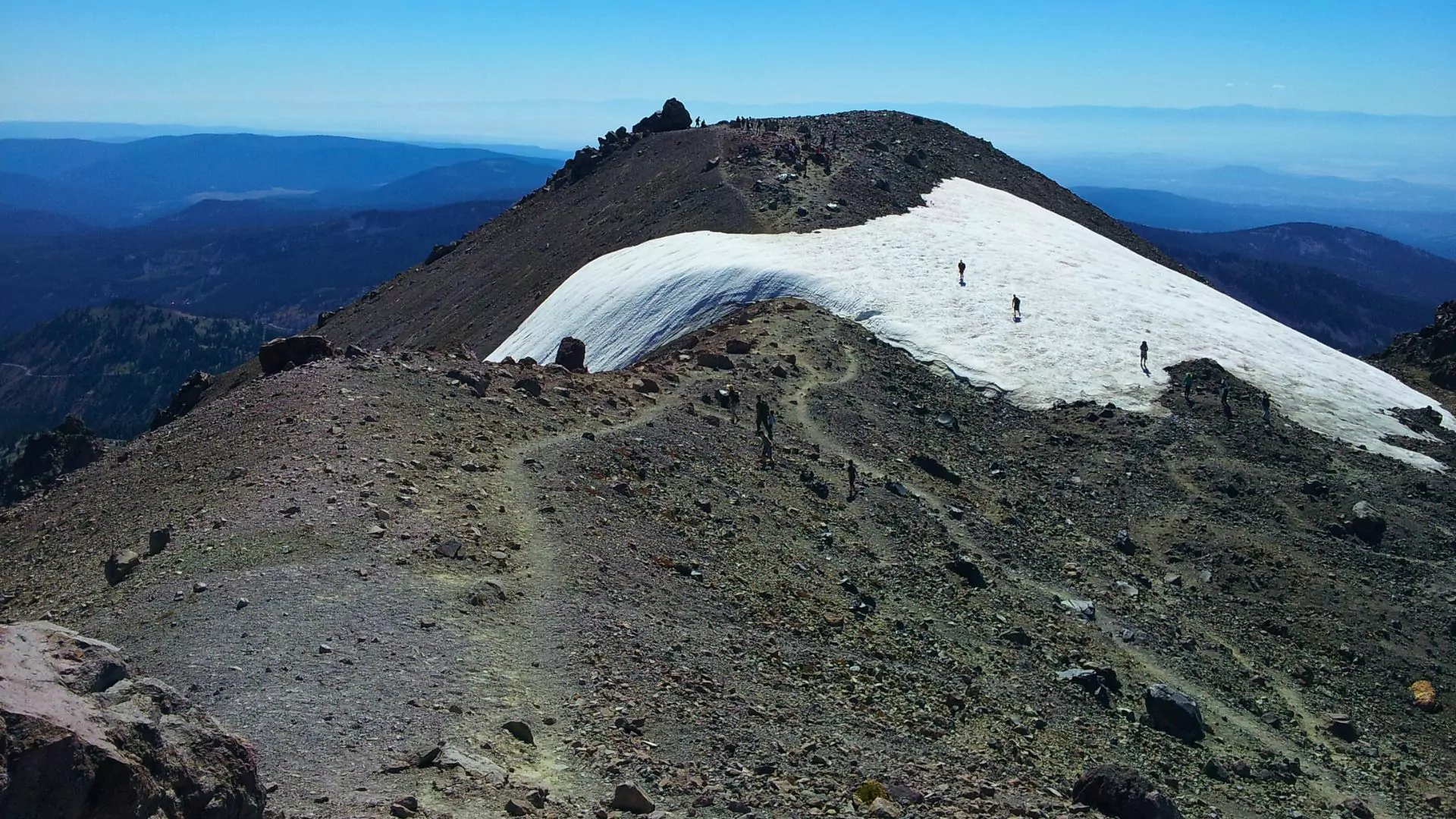
The hike to the summit of Lassen Peak is the park’s most iconic outing, but it is best approached as an alpine walk rather than a casual stroll. The trail climbs steadily from the upper trailhead, transitioning quickly from forest into open volcanic slopes. Much of the route follows a defined path across talus and hardened lava, with wide exposure to wind and sun.
Snow often lingers on the upper mountain well into summer, and early season ascents may require traction and careful navigation. On clear days, the summit offers expansive views across the Cascades, with Mount Shasta often visible to the north. Just as important, however, is the sense of standing atop a recent volcano, where the shape of the land clearly reflects eruption rather than erosion. Weather can change quickly at elevation, and turning around early is often the most prudent choice.
Cinder Cone
The climb up Cinder Cone is short, steep, and deceptively demanding. The route crosses a vast lava bed before ascending directly up loose volcanic cinders that shift underfoot with every step. Progress is slow and requires steady effort, as each step upward often slides partially back.
From the summit, the contrast is striking. The surrounding Painted Dunes display bands of red, yellow, and black, while nearby lava flows stretch outward in frozen waves. This hike offers one of the clearest visual lessons in volcanic process anywhere in the park. Wind exposure is common at the top, and the descent, while quicker, requires care to avoid slipping or losing control on the unstable slope.
 Bumpass Hell Trail
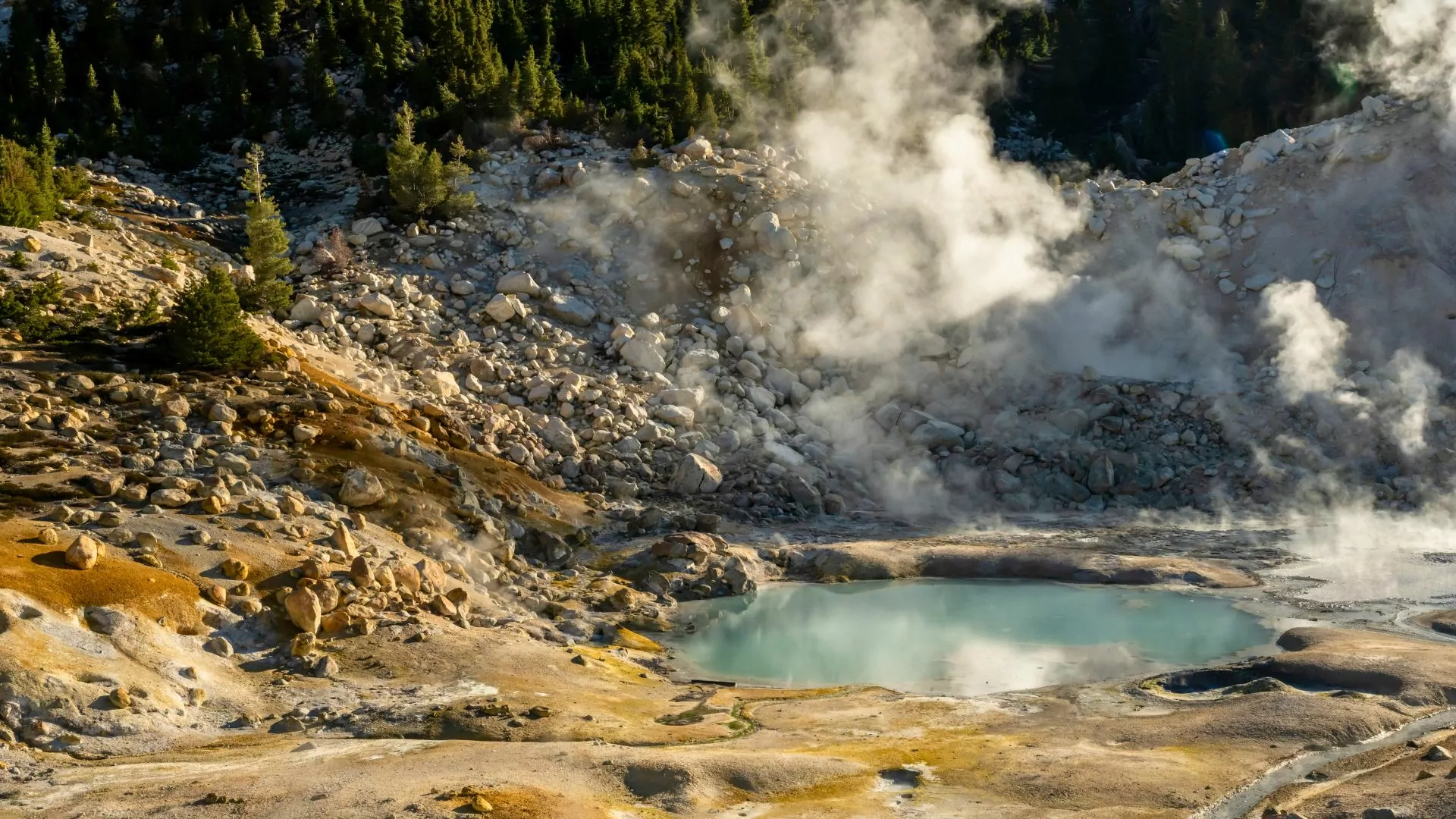
Bumpass Hell provides one of the most direct encounters with Lassen’s geothermal activity and is less a hike than a controlled passage through active terrain. The trail descends gently from the trailhead toward a network of boardwalks that cross boiling pools, steam vents, and vividly mineral-stained ground.
The experience here is sensory. Sulfur hangs in the air, steam obscures visibility at times, and the ground beyond the boardwalk is often unstable. Snow can persist late into the season, delaying access even when lower trails are clear. Staying on the designated path is essential, as injuries in thermal areas are often severe. This hike rewards patience and observation more than speed or distance.
Kings Creek Falls
Kings Creek Falls offers a different perspective on Lassen, emphasizing water and forest rather than volcanic austerity. The trail descends through mixed woodland to a broad waterfall fed by snowmelt and seasonal runoff. The sound of water and the shaded environment provide contrast to the more exposed hikes elsewhere in the park.
Early in the season, high water levels can make conditions slippery near the falls, while later in summer the flow may diminish significantly. This hike is well suited for days when weather is uncertain or when higher elevation routes remain snowbound. It also serves as a reminder that Lassen’s volcanic history supports, rather than excludes, rich hydrologic systems.
Additional Considerations
Snow can linger on many Lassen trails into July, especially above 7,000 feet. Even well-marked routes may require navigation skills early in the season. Afternoon weather changes, including wind and sudden temperature drops, are common. Carrying extra layers, traction when appropriate, and allowing generous turnaround times are all part of hiking responsibly here.
Lassen’s trails are not designed for constant spectacle. They reward steady movement, awareness of footing, and an interest in process rather than destination. Those who approach hiking here with patience and flexibility often find the experience deeper and more lasting than expected.
Backpacking and Backcountry Travel
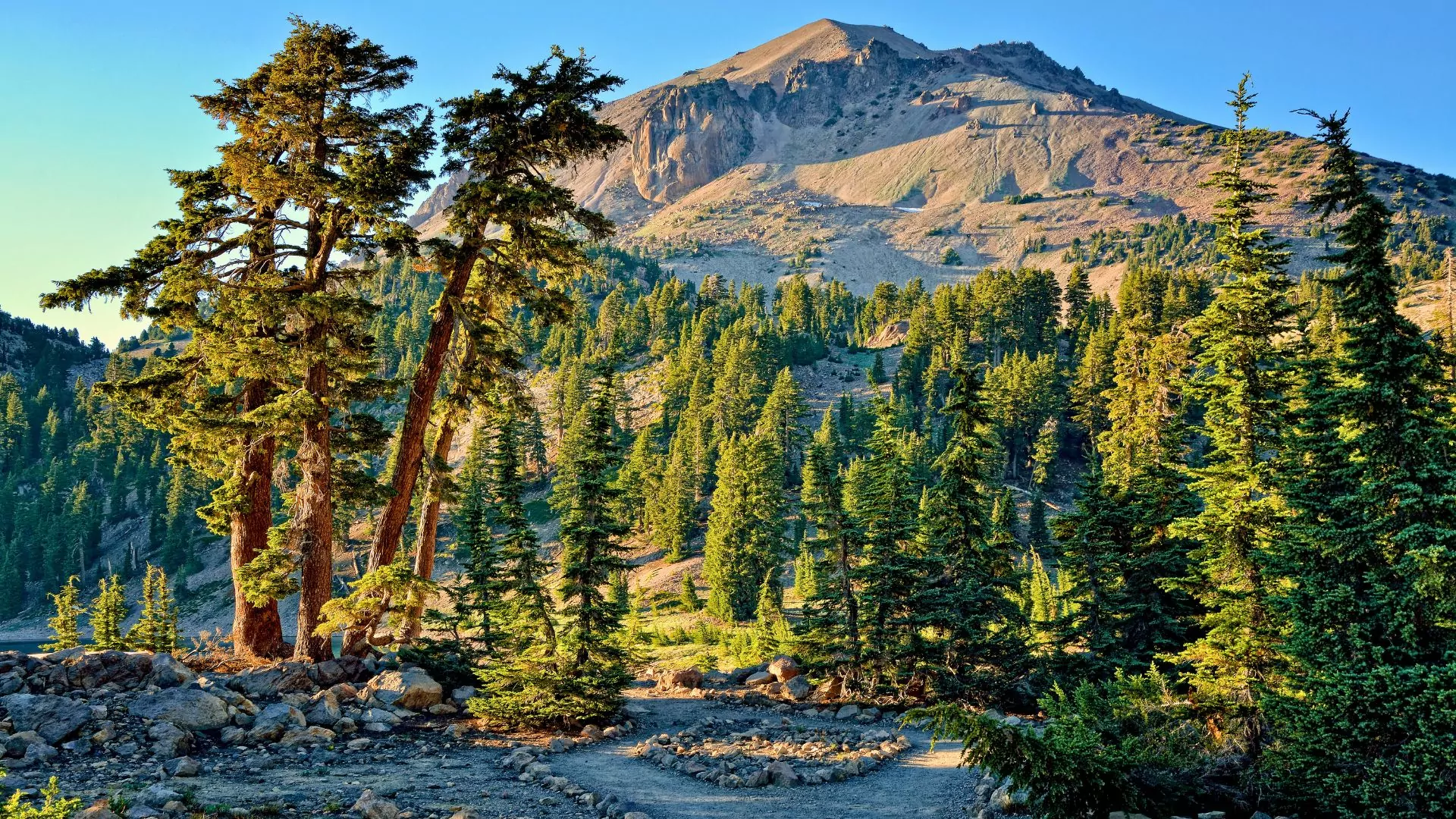
Backpacking in Lassen offers solitude and immersion rather than long-distance trail systems. While no single marquee loop defines the park the way the Wonderland Trail does at Mount Rainier, a network of interconnected routes allows for multi-day exploration.
Backcountry travel here emphasizes route finding, terrain awareness, and adaptability. Camps are often chosen based on water availability and exposure rather than established infrastructure. Permits are required, and planning should account for weather, remoteness, and limited rescue access.
Wildlife and Natural Hazards
Lassen is home to black bears, deer, smaller mammals, and a wide variety of birdlife. Encounters are typically uneventful when food is stored properly and distance is respected.
Environmental hazards are more significant. Rapid weather changes, lingering snowfields, unstable volcanic ground, and geothermal features all demand attention. Hypothermia is a risk even in summer, and injuries in remote areas can have serious consequences.
The most important hazard to manage at Lassen is complacency. The park’s quieter reputation can lead visitors to underestimate its complexity.
Lodging and Camping
Lassen is home to black bears, deer, smaller mammals, and a wide variety of birdlife. Encounters are typically uneventful when food is stored properly and distance is respected.
Environmental hazards are more significant. Rapid weather changes, lingering snowfields, unstable volcanic ground, and geothermal features all demand attention. Hypothermia is a risk even in summer, and injuries in remote areas can have serious consequences.
The most important hazard to manage at Lassen is complacency. The park’s quieter reputation can lead visitors to underestimate its complexity.
A Volcanic Landscape
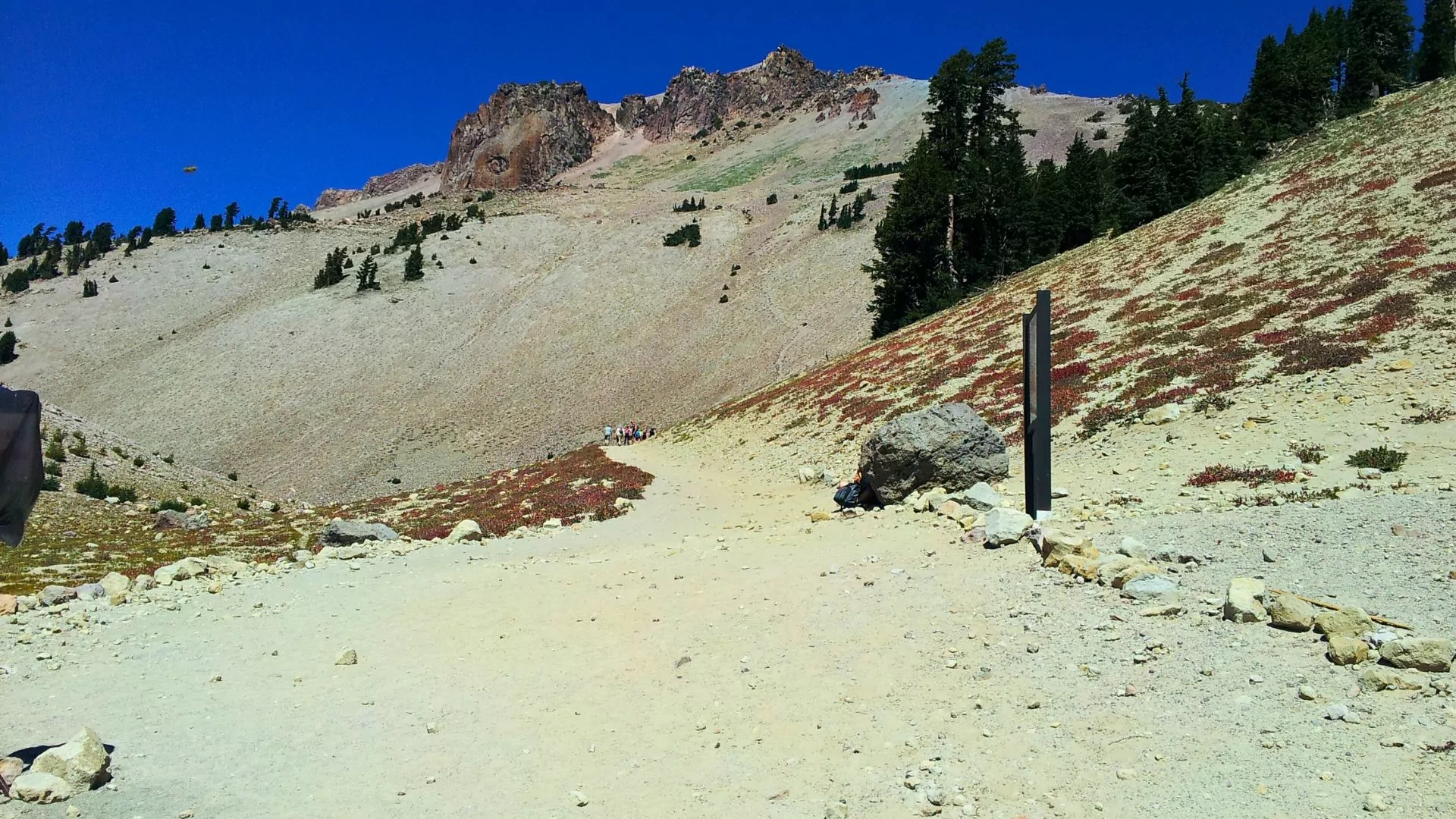
Lassen Volcanic National Park does not announce itself loudly. It reveals itself gradually, through sulfur scented steam, silent lava fields, and broad horizons shaped by fire and time.
Clear days are a gift, but fog, snow, and shifting conditions all part of the experience. Trails may close, plans may change, and the most meaningful moments often come from slowing down rather than pushing farther.